



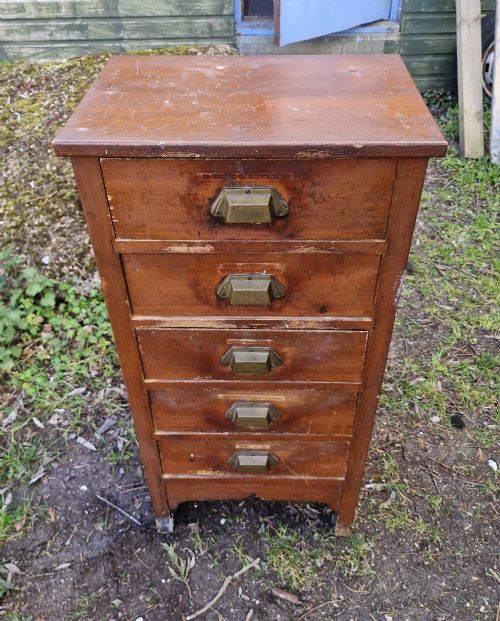


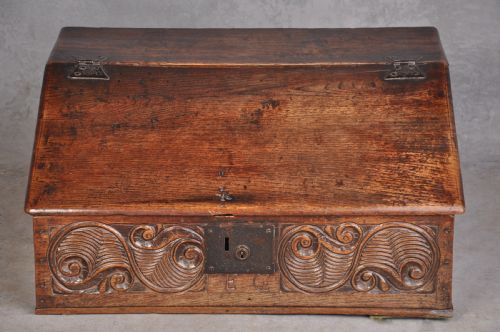


Wooden Stationery Chest
A wooden stationery chest is a desk accessory designed to organise correspondence and papers, combining timber construction with compartments.
Wooden Stationery Chest
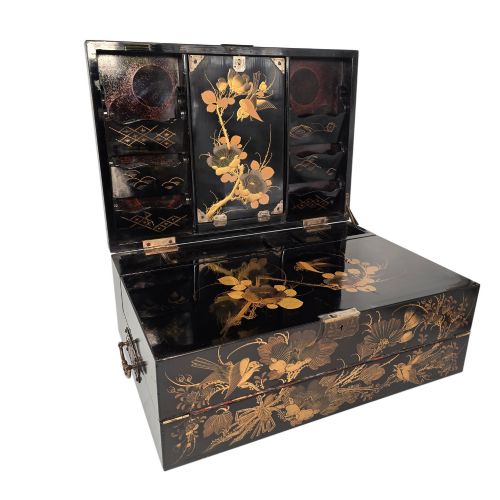
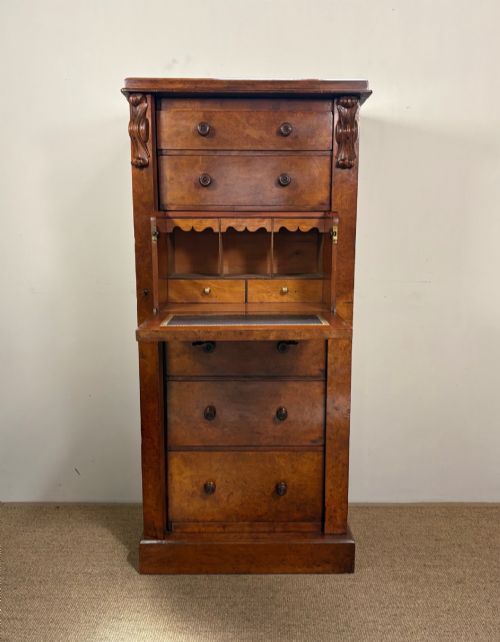
A wooden stationery chest encompasses a variety of desktop storage forms, including writing slopes, correspondence boxes, letter boxes, and small cabinets. The pieces seen on this page span several centuries, reaching from the seventeenth century through the Georgian, Victorian, and Edwardian eras.
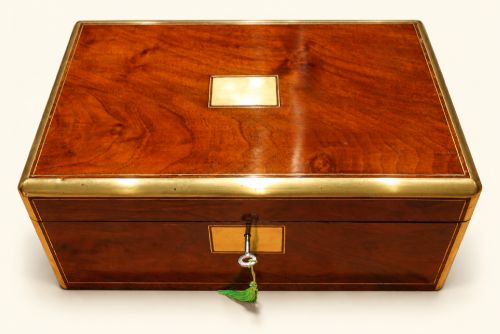
Victorian examples dominate the selection, often rendered in walnut or mahogany with brass banding and secret drawers. Alongside these sit campaign pieces, Anglo-Indian ebony boxes, and Arts and Crafts table cabinets, offering diverse internal layouts for papers and letters.
Materials and construction methods
Cabinet makers utilised dense hardwoods such as mahogany, walnut, oak, and rosewood, alongside exotic timbers like coromandel and ebony. Grain selection and matching define the exterior surfaces of finer boxes.
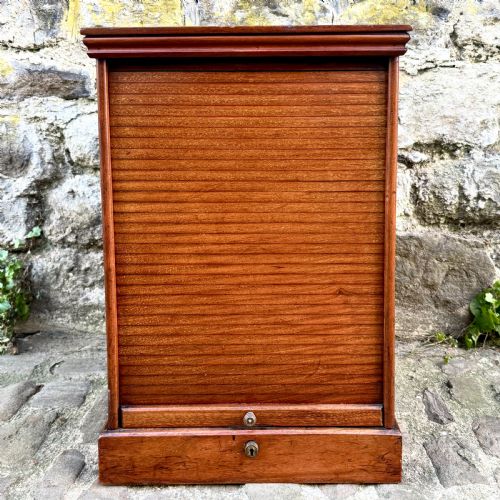
Construction frequently incorporates brass bound corners, flush carrying handles, and intricate internal divisions made from bone or secondary woods. Tambour shutters, secret compartments, and marquetry inlay demonstrate advanced joinery techniques.
Wooden Stationery Chest Retail Price Guide 2026
Typical asking prices for wooden stationery chest among the pieces listed under this phrase on Sellingantiques today, from the lower quarter to the upper quarter. They describe what is for sale here now, not the wider market.
Many Victorian boxes hide tiny secret drawers behind false partitions, designed to outwit curious houseguests and secure private correspondence.
Judging the quality of construction and finish
The distinction between standard utility items and superior pieces lies in the precision of the joinery and the selection of timber. Heavier brass mounts, original working locks, and finely fitted internal stationery partitions indicate higher workshops.
Condition of the timber surface and the integrity of internal mechanisms govern the overall standard. Pieces retaining fitted velvet writing surfaces, intact marquetry, and original brass handles represent the upper tier of the range.
The Wooden Stationery Chest Glossary
- Writing slope
- A box with an angled lid that folds down to form a writing surface, housing inkwells and pen trays inside. These pieces often conceal secret drawers beneath the stationery partitions.
- Tambour cabinet
- A small cupboard or desk organiser featuring a door made of narrow vertical wooden strips glued to canvas, allowing it to slide in a track. This mechanism permits access to adjustable internal shelves.
- Campaign box
- Portable furniture made for travel, typically featuring recessed brass handles, reinforced corners, and robust hardwood construction. These chests disassemble or fold for transport.
- Correspondence box
- A desk chest specifically compartmented to hold stationery, envelopes, and incoming letters. They often feature domed lids or fall-front doors.
- Marquetry
- Decorative veneer work where small pieces of different woods, bone, or shell are fitted together to create pictorial patterns on the lid or front. This technique requires meticulous hand cutting.
Wooden Stationery Chest: Frequently Asked Questions
What is a wooden stationery chest used for?
These chests served to store writing paper, envelopes, ink, and important documents in the home or office. Their internal partitions kept correspondence organised before the widespread use of modern filing systems.
Today, they function well on a modern desk or sideboard to hold letters, notebooks, and small household items while adding period character to a room.
How do I date a wooden stationery chest?
Dating relies on timber choice, hardware style, and construction methods. For instance, brass bound mahogany and coromandel boxes frequently point to the nineteenth century, while exposed oak joinery suggests earlier periods.
Examining internal drawer construction, lock types, and secondary woods helps narrow down the decade of manufacture. Comparing the decorative motifs, such as Gothic revival elements or brass mounts, also clarifies the era.
Are these chests suitable for daily use?
Most antique stationery boxes and slopes remain sturdy enough for everyday storage of letters, stationery, and modern desk accessories. The robust construction of hardwoods like oak and mahogany ensures lasting durability.
Care should be taken with delicate veneers, such as walnut marquetry or coromandel, and with original locking mechanisms that may require gentle handling.
How do I maintain the wood on my chest?
Maintenance involves keeping the timber away from direct heat sources and strong sunlight to prevent the wood from drying out or splitting. Applying a suitable wax polish periodically helps nourish the surface and preserve the grain.
Avoid using harsh chemical cleaners, using instead a soft, dry cloth for dusting the brass mounts and wooden panels.