
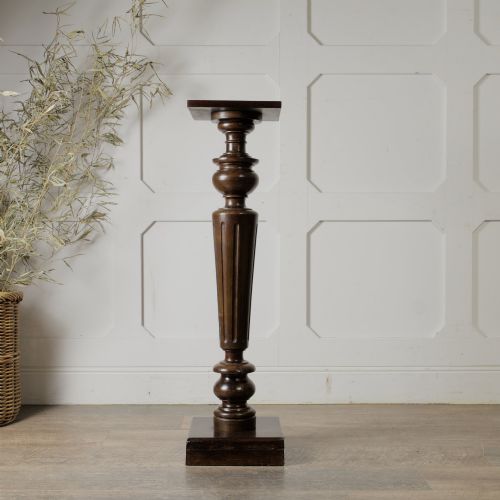

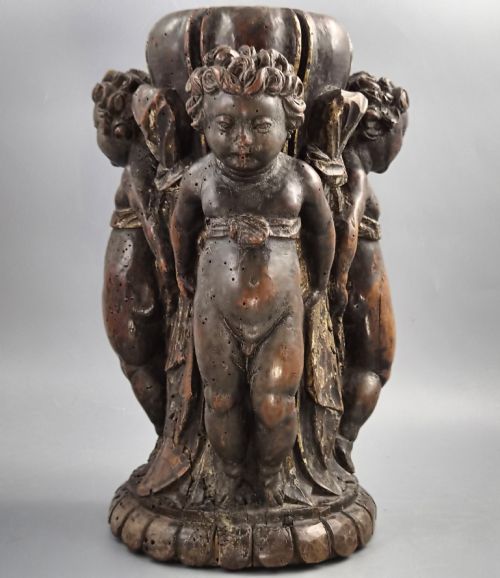
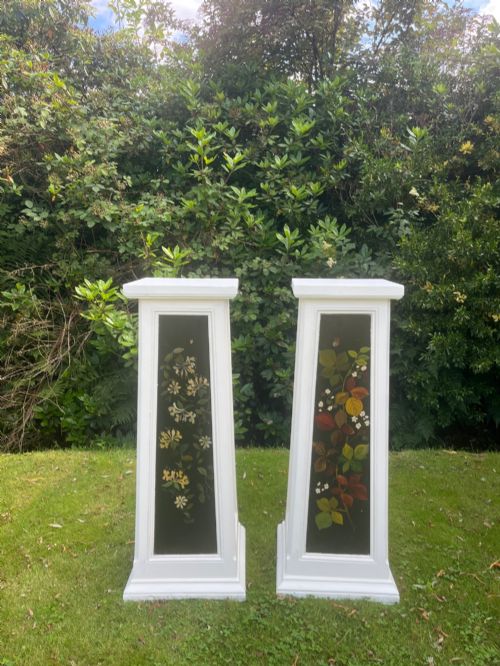
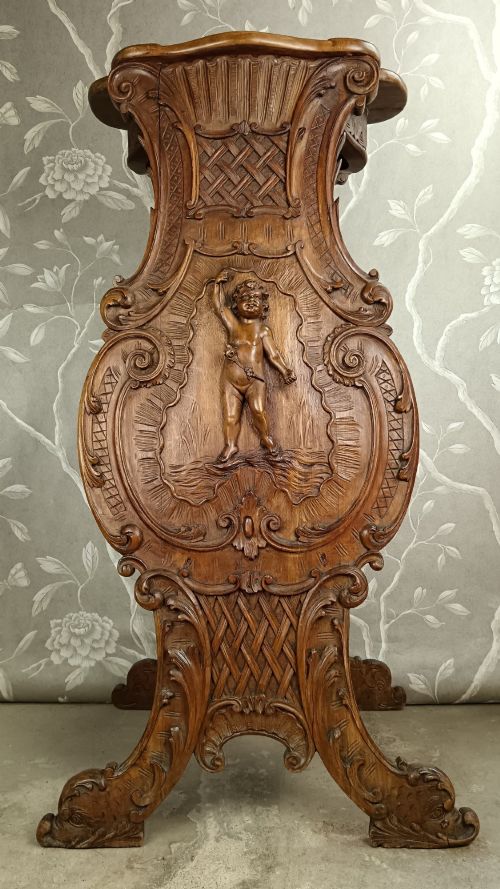



Wooden Sculpture Stand
These wooden sculpture stand pieces elevate figures and decorative objects, bringing height, presence, and traditional craftsmanship into a room.
Wooden Sculpture Stand
A wooden sculpture stand serves to elevate carved figures, busts, and decorative objects, giving them proper visual weight within a room. When searching for a wooden sculpture stand, buyers encounter various forms including classical columns, torcheres, triform pedestals, and carved plinths.
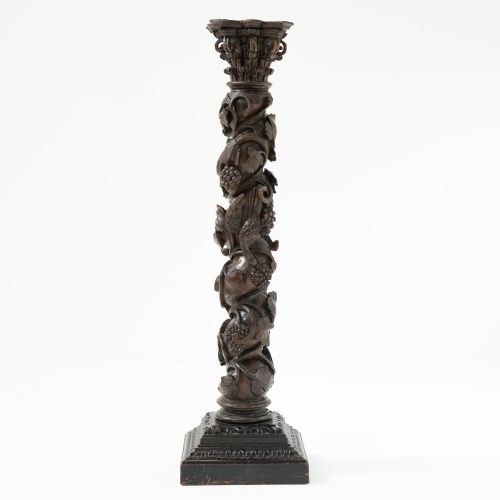
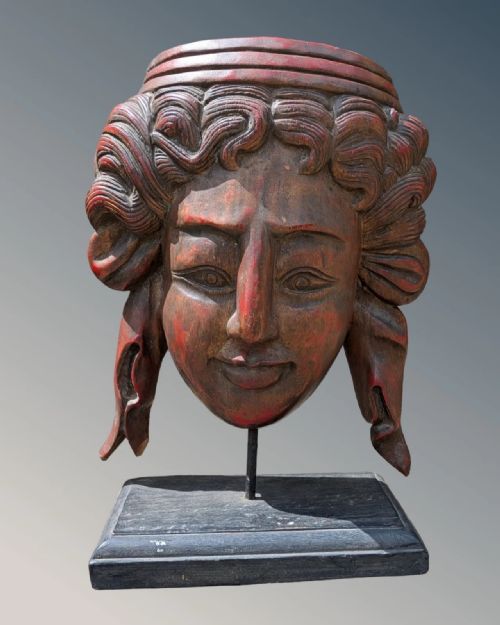
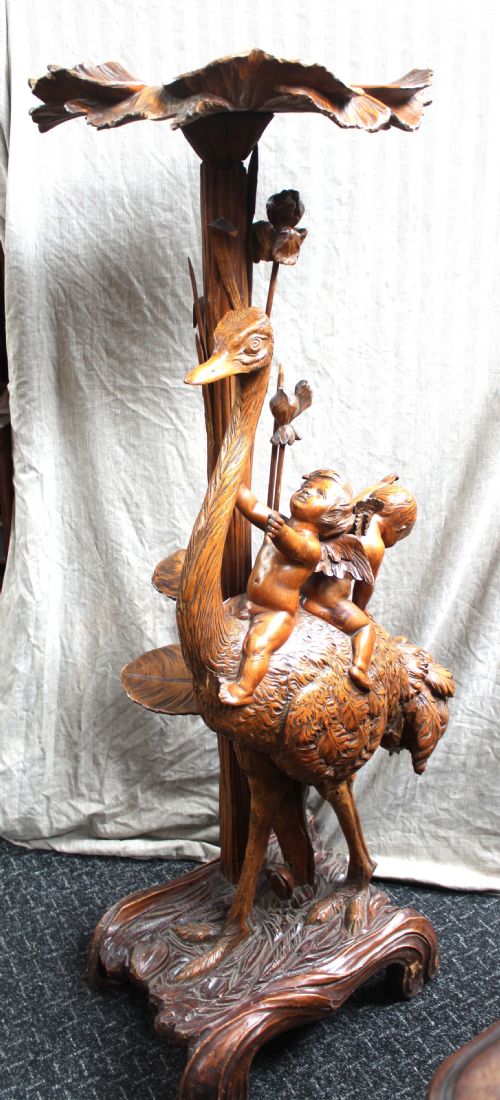
The selections span multiple centuries, ranging from eighteenth-century oak Solomonic columns to nineteenth-century walnut pedestals and early twentieth-century turned mahogany stands. Makers utilised diverse regional styles, incorporating Black Forest carving, Italian Baroque flourishes, and Asian hardwood mounts.
Many items perform dual functions as display columns, bust stands, or independent figural supports. Pieces originate from diverse workshops across Europe and Asia, reflecting distinct regional tastes in timber selection and decorative carving.
Assessing Craftsmanship and Proportion
Quality rests in the depth and precision of the hand carving, where crisp architectural details and expressive figural work distinguish superior examples from plain production. Well-proportioned columns maintain structural integrity and balance under heavy loads.
Original surface finishes, such as untouched patination, giltwood, or early polychrome paint, retain historical value compared to later refinishing. The integration between the stand and any supporting figural elements demonstrates the maker's joinery skill.
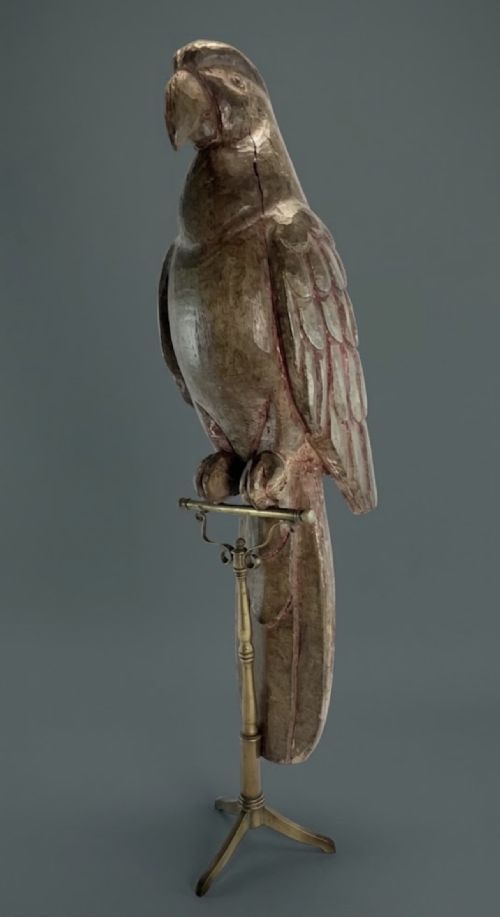
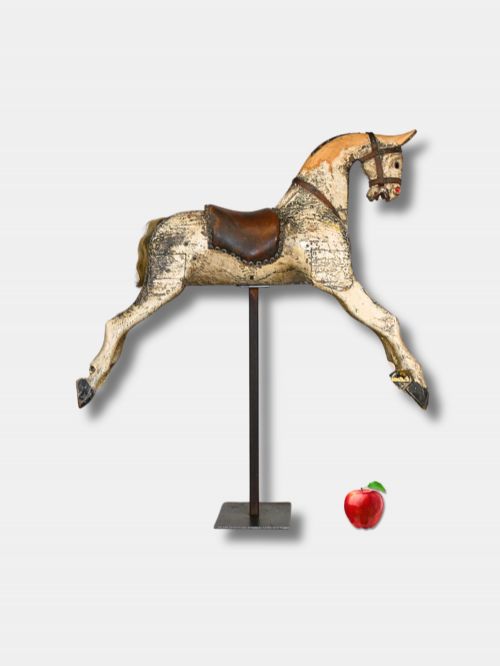
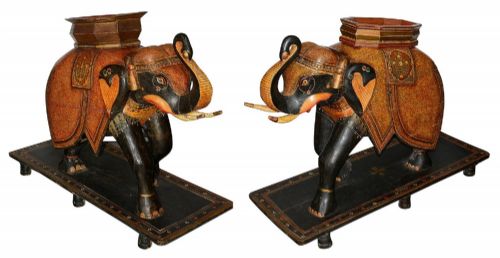
Several stands double as resting spots for carved wooden bears, elephants, and parrots rather than plain columns.
Gillow and Co
The Wooden Sculpture Stand Glossary
- Pedestal
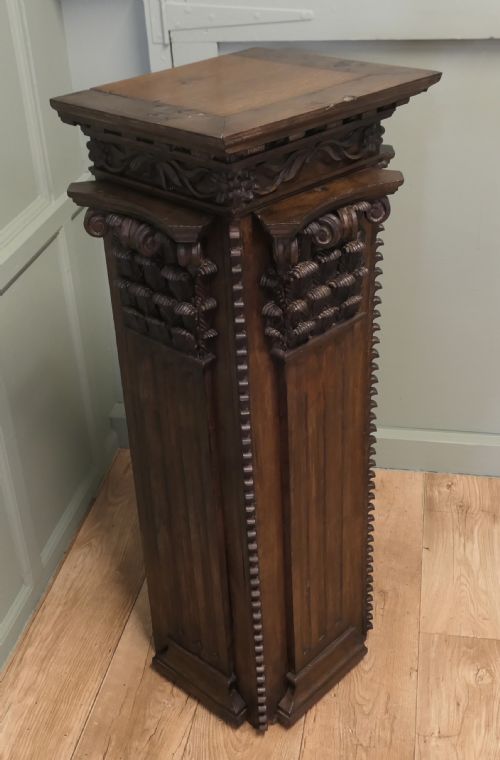
- A structural support or column designed to elevate a sculpture, bust, or urn off the floor. These items feature square or circular tops and can be plain or heavily carved.
- Torchiere
- A tall ornamental stand, often originating in the Baroque or Victorian periods, built to hold a light source or display a prominent figure. They frequently display intricate woodwork and tripod bases.
- Solomonic column
- A twisted, spiral shaft resembling a helix, popular in Baroque architecture and cabinetmaking. This form creates dynamic movement along the vertical axis of a display stand.
- Triform
- A base or stand supported by three feet or legs. This configuration provides stable placement on uneven floors.
- Polychrome
- Decorated in multiple colours, often seen on painted wooden sculptures and pedestals. This technique adds vibrant visual depth to carved surfaces.
Wooden Sculpture Stand: Frequently Asked Questions
What fits on a sculpture stand?
These stands accommodate marble busts, bronze figures, ceramic urns, and carved wooden objects of corresponding weight and footprint. The top surface area and load capacity dictate the appropriate object for display.
Buyers should measure both the base of their sculpture and the platform of the stand to ensure stable placement and balanced proportions.
How do I choose the right height?
Selection depends entirely on the viewing angle desired in the room and the height of the sculpture placed upon it. Taller columns elevate smaller items to eye level, while lower plinths suit substantial, heavy figures.
Consider the surrounding furniture scale to maintain visual harmony when placing a stand in a hallway or living space.
Are these stands structurally sound for heavy items?
Hardwood construction from periods like the eighteenth and nineteenth centuries provides inherent strength for supporting significant weight. Solid mahogany, oak, and walnut frames distribute vertical loads effectively.
Inspect the joints where the column meets the base and top platform to ensure the timber remains stable and uncompromised over time.
How do I clean antique wood?
Dust surfaces regularly with a soft, dry cloth to prevent particulate buildup in carved crevices. Avoid harsh chemical cleaners that strip historical wax or varnish.
Apply a microcrystalline wax periodically to nourish dry hardwood and protect original gilt or painted surfaces from environmental moisture.