


Wooden Pub Chairs
Wooden pub chairs are robust utilitarian seats built for daily tavern life, offering collectors enduring comfort and sturdy vernacular character.
Wooden Pub Chairs
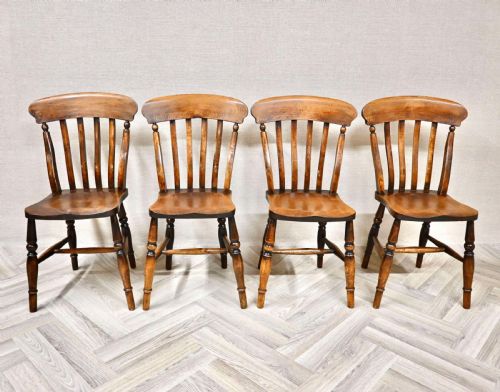
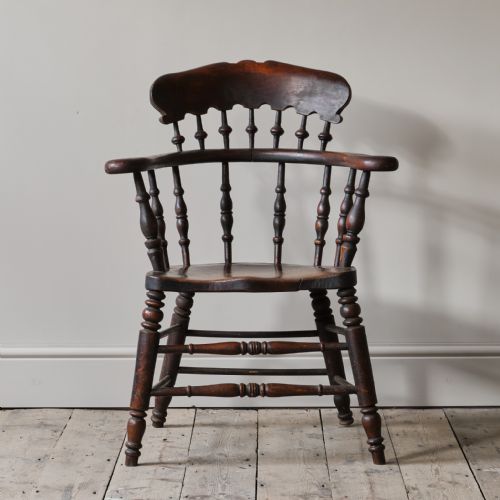
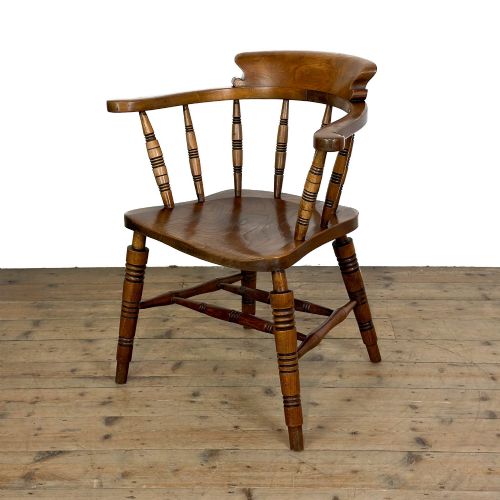
Wooden pub chairs span sturdy nineteenth-century forms alongside twentieth-century designs created for heavy hospitality use. The selection centres heavily upon nineteenth-century smokering and Windsor varieties designed for commercial taprooms and private libraries.
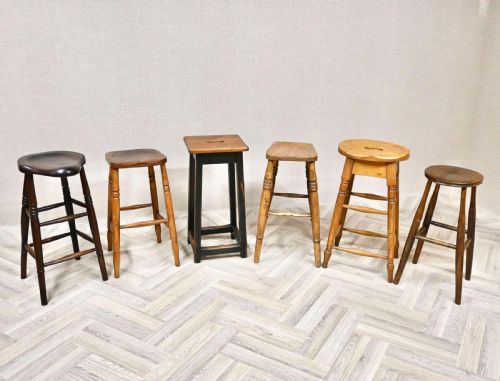
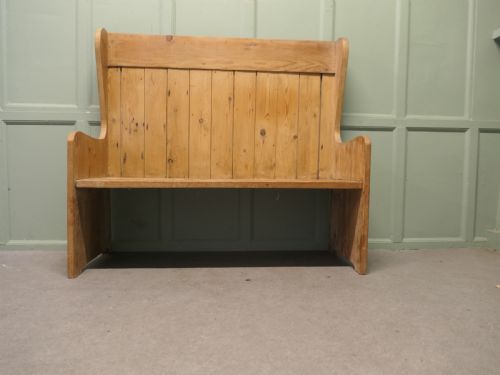
Buyers encounter numerous regional Windsor configurations, including lathback designs and robust captains armchairs meant for long hours seated at tables. Seating options extend to tall bar stools, clerical stools, benches, and settle pews suited for fireside placement.
Origins trace through Victorian and Edwardian periods into the 1930s, reflecting changing tavern social habits across British and English country traditions. These sturdy seats served patrons in public houses, station waiting rooms, and country kitchens alike.
How they were made
Maker construction relies heavily upon native hardwoods including elm, beech, ash, and oak selected for impact resistance and load-bearing strength. Artisans frequently combined flexible ash or alder spindles with solid turned beech legs and shaped elm seats.
Joinery methods utilise traditional turned components fitted directly into thick saddle seats, often reinforced with steam-bent comb backs or continuous armbows. Additional detailing includes occasional brass hardware, leather upholstery inserts, and turned stretchers for rigidity.
Current listings demonstrate timber combinations predominantly featuring elm, beech, ash, and oak across nineteenth-century and early twentieth-century periods.
What varies in quality
Quality separates through timber selection and the retention of deep, honest surface patination accumulated over decades of hospitality use. Examples featuring dense native elm seats with well-turned beech spindles demonstrate superior regional craftsmanship compared to utilitarian replacements.
Proportion and structural integrity dictate value, with wider armbows and matched sets commanding greater interest from interior decorators. Original surface finishes without excessive modern restoration preserve the authentic utilitarian character desired by collectors.
The Wooden Pub Chairs Glossary
- Smoker's bow
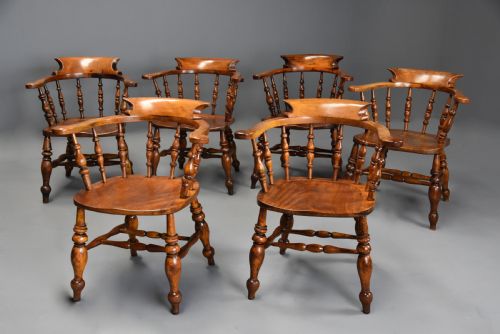
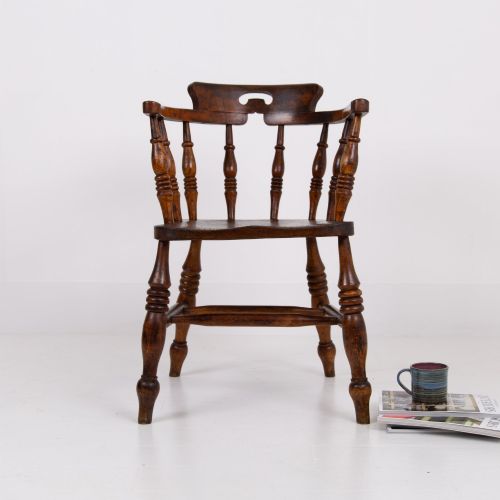
- A low-backed Windsor armchair featuring a continuous bentwood armrail supported by turned spindles, popular in nineteenth-century public houses and offices. This design offered comfortable lumbar support for patrons relaxing over pipes and drinks.
- Windsor chair
- A seat constructed with a solid wooden saddle-seat into which the legs, back spindles, and bow are independently inserted. The technique provides exceptional structural rigidity through wedged tenon joints.
- Lathback
- A chair back constructed with vertical flat wooden slats rather than turned spindles, common in nineteenth-century kitchen and tavern seating. The slat arrangement distributes weight evenly across the upper back.
- Settle
- A high-backed wooden bench with solid sides and a storage box beneath the seat, designed to block tavern draughts. These substantial pieces anchored social seating near public house hearths.
- Bentwood
- Wood softened through steam application and bent into curved structural forms, commonly utilised in twentieth-century commercial seating. The technique creates lightweight yet resilient frames without traditional joinery.
Wooden Pub Chairs: Frequently Asked Questions
What is a smoker's bow chair?
A smoker's bow is a sturdy nineteenth-century armchair with a low, continuous bentwood armrail and turned spindles.
These comfortable seats were widely used in public houses, offices, and country kitchens for everyday utility.
How do I identify a Windsor chair?
Windsor chairs are built around a thick, solid wooden seat into which the legs and back components are socketed directly.
They rely on clever engineering rather than an internal frame to maintain strength under daily use.
Where were these chairs used originally?
These pieces furnished nineteenth-century public houses, station waiting rooms, rural kitchens, and commercial offices.
Their robust construction was specifically engineered to withstand heavy public hospitality demands.
What woods were used for pub chairs?
Makers utilised native British hardwoods such as elm for scooped seats, beech for turned legs, and ash for flexible back bows.
Pine and oak also appear frequently in benches, settles, and regional country seating.