


Wooden Picture Easel
A wooden picture easel holds your canvas, photograph, or plate securely at a comfortable angle for viewing.
Wooden Picture Easel
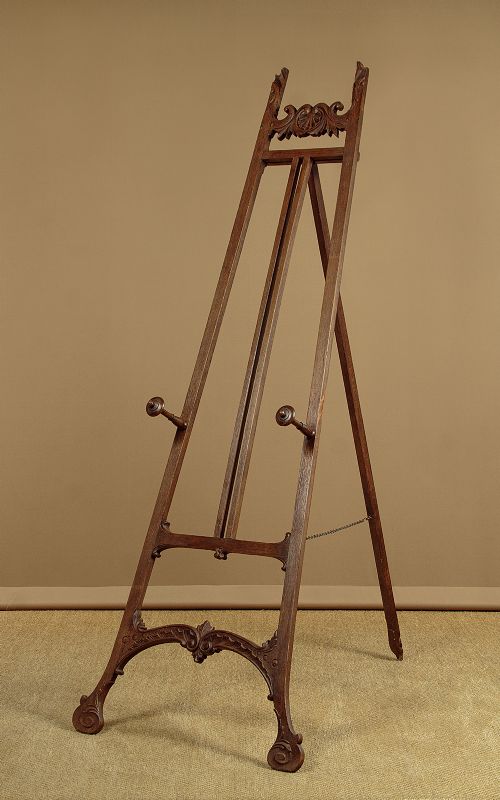
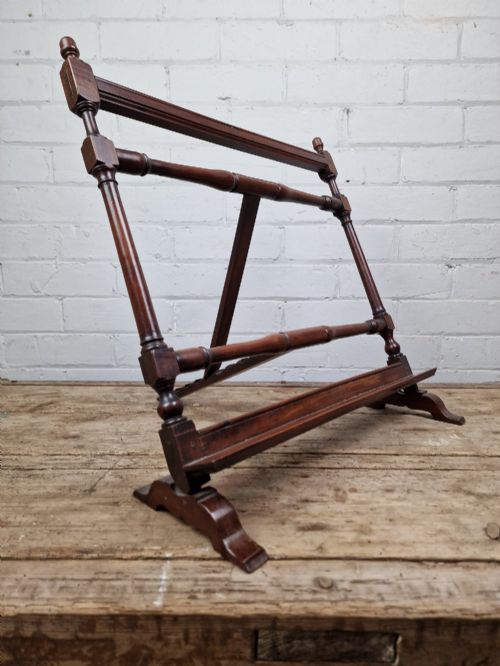
A wooden picture easel serves to support artwork, photographs, and decorative plates upon a tabletop or floor. When you search for a wooden picture easel, you encounter a variety of forms ranging from compact tabletop models to large studio pieces.
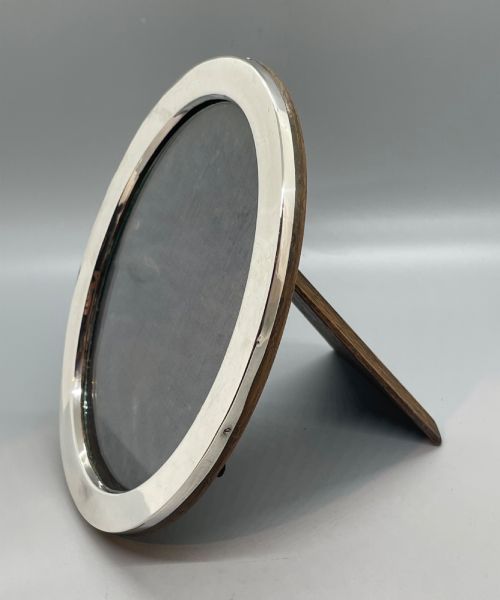
The selections span several periods, including the Victorian era, Edwardian period, Regency, and the early twentieth century. Common formats include display stands, photo frames with integrated supports, and heavy artist studios designs.
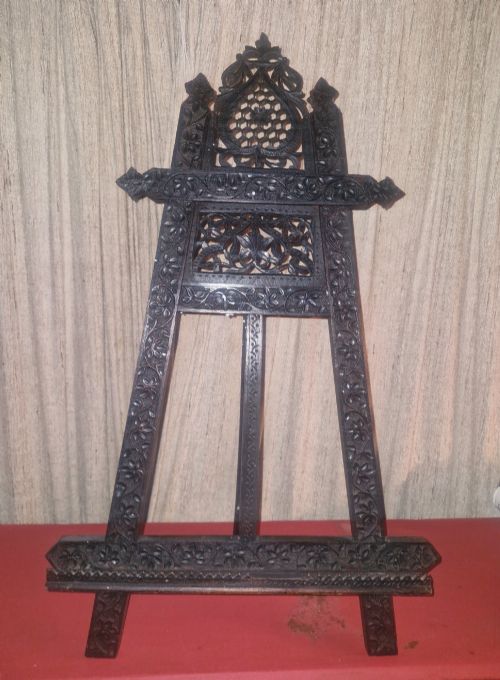
Origins vary widely across these items, taking in English workshops, French provincial origins, Italian craftsmanship, and Anglo-Indian carving traditions. Smaller tabletop versions appear alongside massive fully adjustable studio items intended for working painters.
How they were made
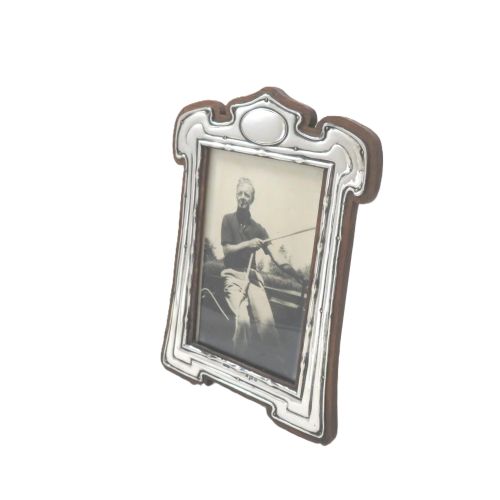
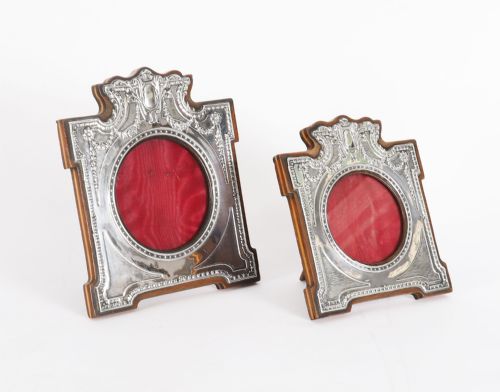
Makers utilised solid timbers such as oak, mahogany, pitch pine, and ebonised wood to construct the frames and uprights. Many examples incorporate metal elements, brass adjustments, cast iron weights, or sterling silver mounts.
Construction techniques include carved ornamentation, folding mechanisms, and adjustable brackets for altering the display angle. Some incorporate wooden backs, brass hinges, and weighted bases to ensure stability.
Listings feature oak, mahogany, sterling silver, brass, and cast iron across the Victorian, Edwardian, and Regency periods.
What varies in quality
Quality depends upon the selection of timber and the precision of the mechanical adjustments. Heavier woods and robust brass mechanisms indicate sturdiness and durability.
The refinement of carved details and the complexity of the design, such as double-sided galleries or fully adjustable studio framing, separate standard stands from finer examples.
Mappin Bros·Windsor and Newton
The Wooden Picture Easel Glossary
- Studio easel
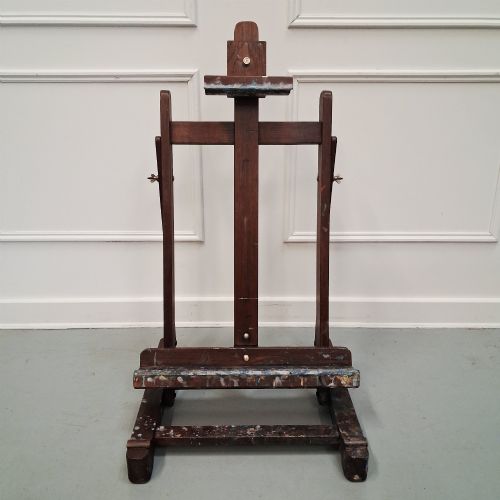
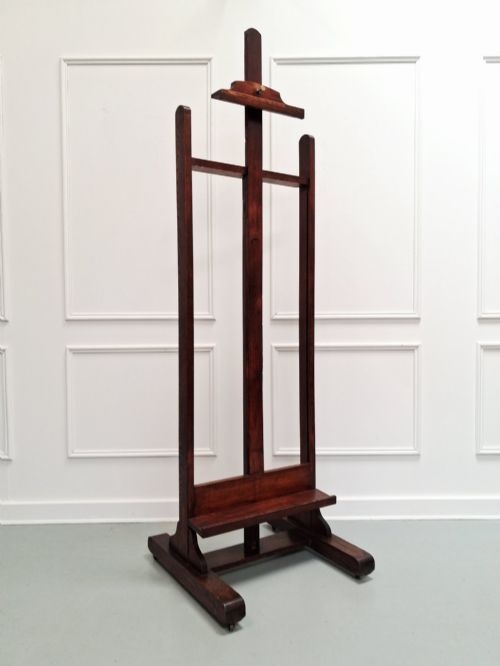
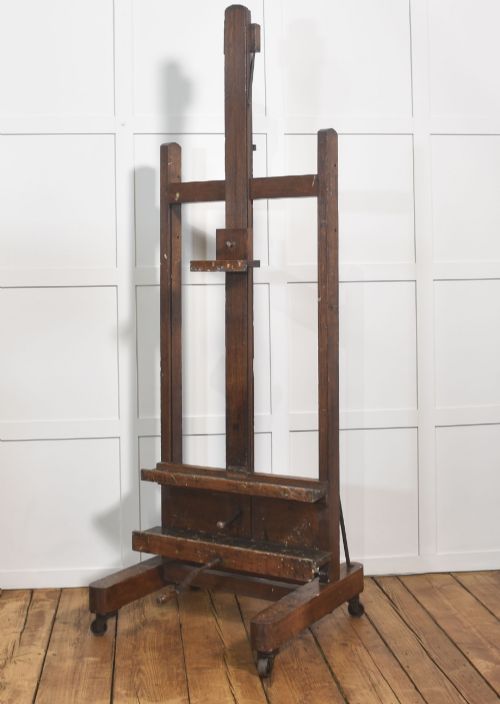
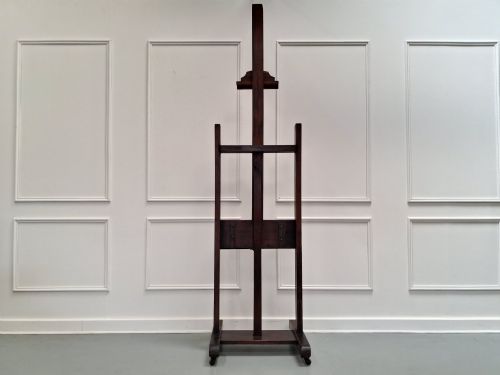
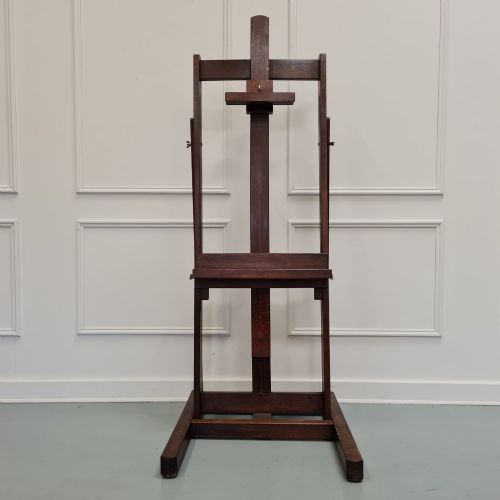
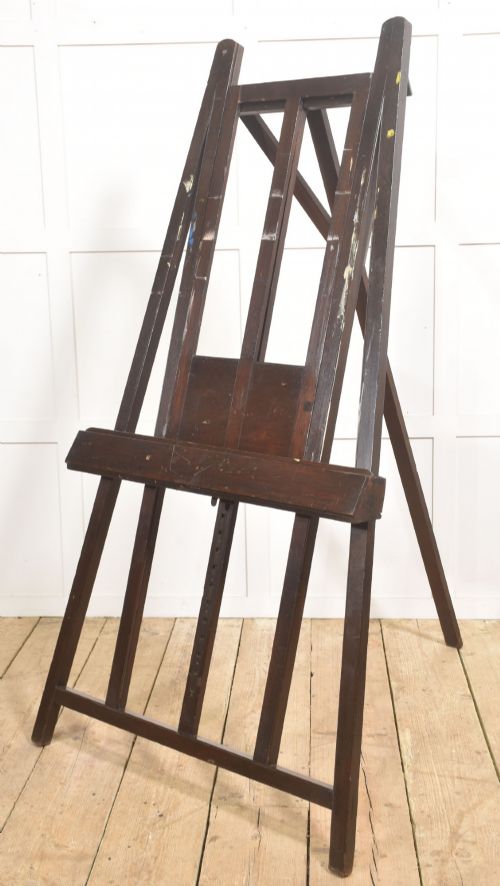
- A large, heavy support designed for working artists rather than mere display. These pieces often feature winding mechanisms and large castors.
- Tabletop easel
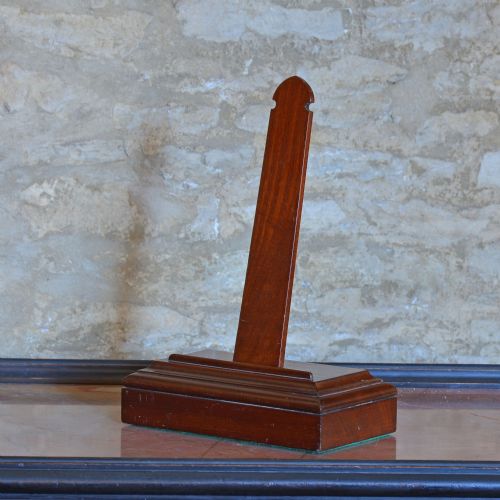
- A miniature version built to sit upon a desk, table, or cabinet. They support smaller paintings, plates, and photographs.
- Ebonised
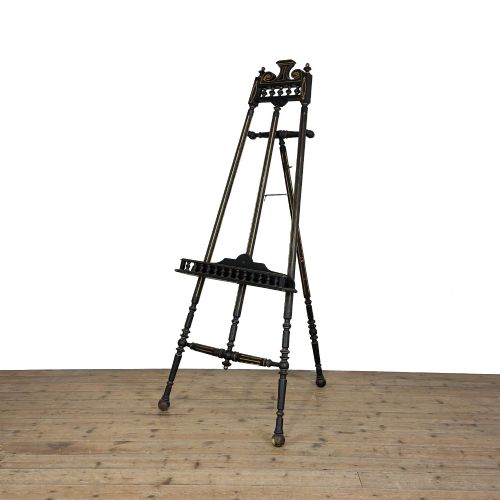
- Wood treated with a chemical stain or finish to imitate ebony. This dark finish appears frequently on pieces from the Aesthetic Movement.
- Gallery easel
- A display stand featuring a stepped platform or multiple ledges. It permits the simultaneous viewing of several plates or pictures.
- Aesthetic Movement
- A late nineteenth-century design style emphasising visual beauty over narrative content. Pieces from this movement often utilise ebonised timber and stylised carving.
Wooden Picture Easel: Frequently Asked Questions
Can I use an artist easel for display?
Large studio easels hold heavy canvases securely, making them suitable for displaying finished paintings or large framed photographs in a room.
Smaller tabletop and display variants suit lighter frames, decorative plates, and smaller pictures upon desks or sideboards.
How do I adjust a studio easel?
Most large studio examples utilise wooden pegs, sliding brackets, or winding handles to alter the height and tilt of the central shelf.
Careful adjustment of these mechanical parts ensures the canvas or frame rests securely at the desired viewing angle.
What is an ebonised easel?
Ebonisation is a chemical process that darkens timber to resemble solid ebony. This finish became popular during the nineteenth century, particularly within the Aesthetic Movement.
Such pieces combine dark, smooth wooden surfaces with structural forms intended to highlight visual art.
Where were these pieces made?
The listings include examples originating from English workshops, French provincial areas, Italy, and Anglo-Indian carvers.
Makers across these regions applied local timbers and regional carving styles to practical display furniture.