




Tabletop Picture Stand
These tabletop picture stand designs hold portraits and memories close, bringing period craftsmanship directly to your desk or mantelpiece.
Tabletop Picture Stand
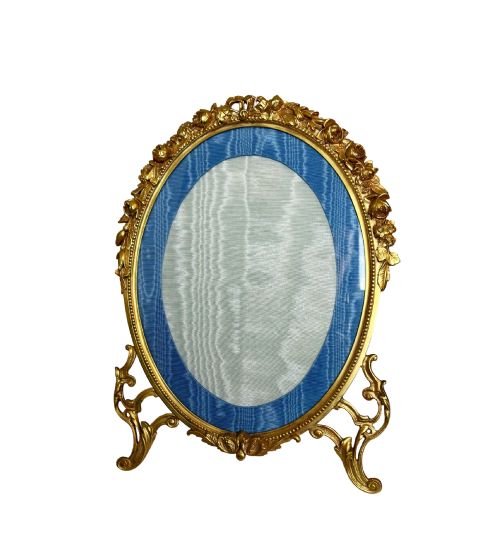
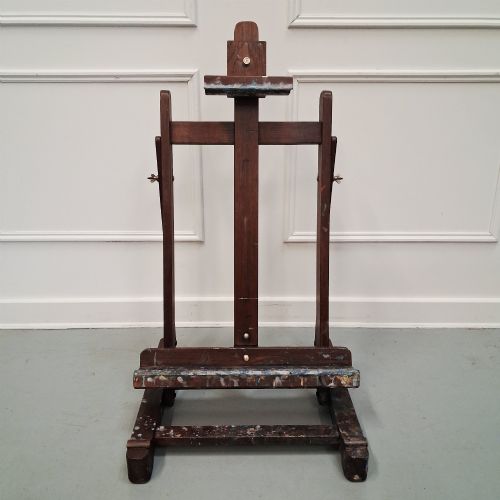
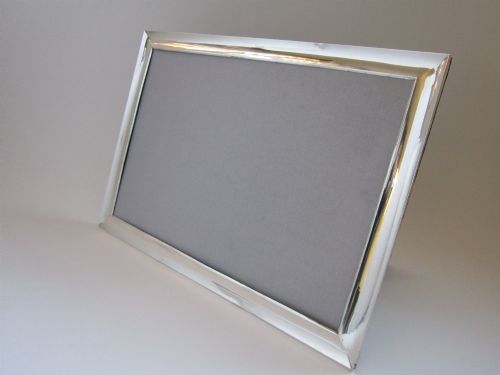
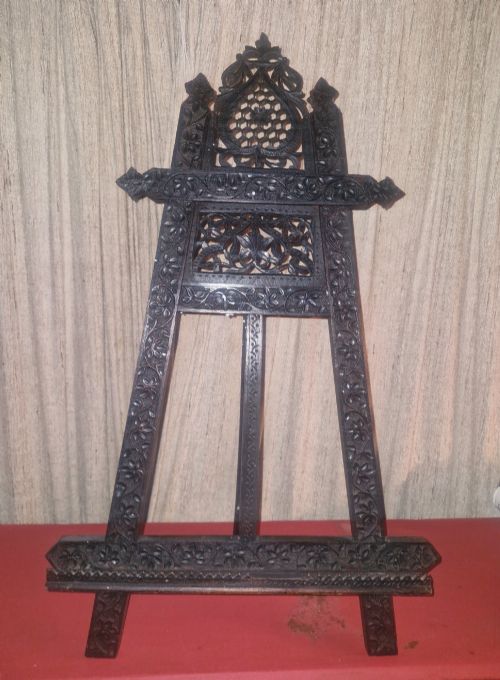
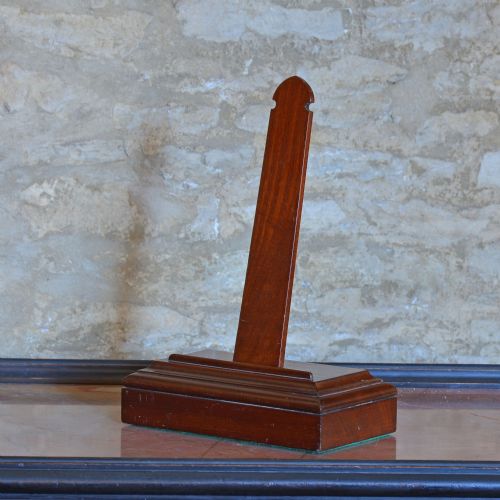
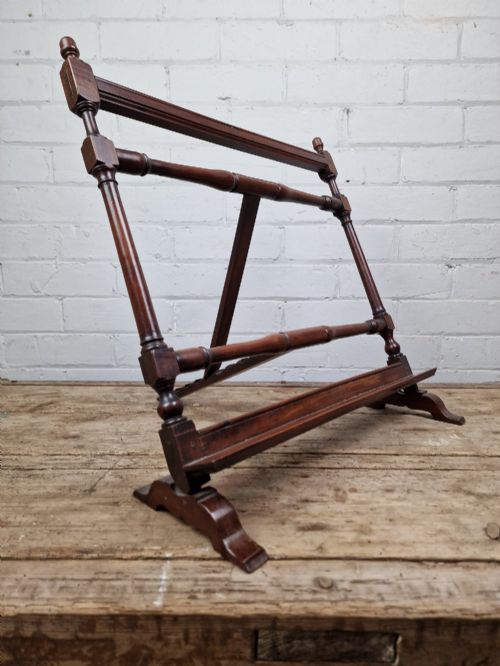
A tabletop picture stand serves to display photographs, mirrors, and small artworks upon flat surfaces without requiring wall fixings. When exploring the marketplace for a tabletop picture stand, you will encounter diverse forms ranging from folding easels to framed photograph holders and strut mirrors.
The selections span from the late nineteenth century through the Art Deco era, encompassing Victorian, Edwardian, and George V periods. Materials vary widely between metals and woods, reflecting the domestic tastes of past centuries.
What varies in quality
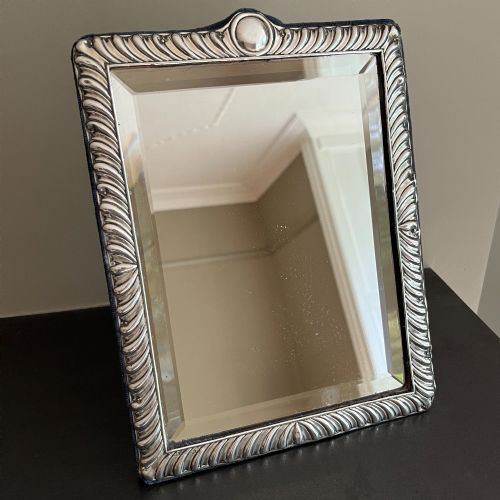
Quality rests upon the weight of the metals, the depth and crispness of hand-carved wood or embossed silver borders, and the integrity of the backing materials. Superior pieces exhibit robust hinges, intact glass panels, and well-preserved internal wooden or fabric supports.
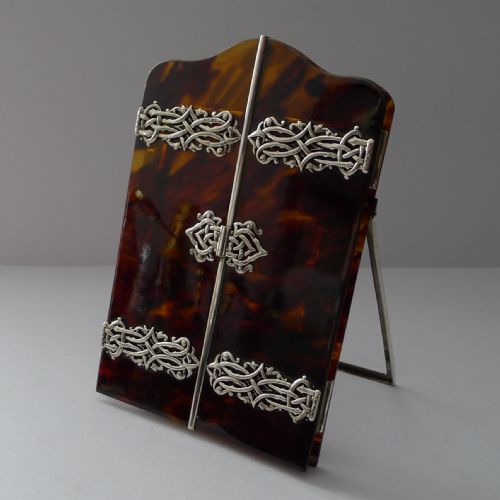
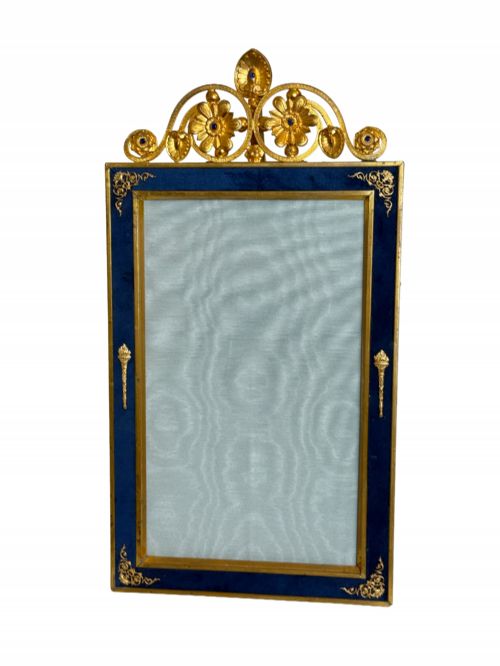
The sophistication of the design dictates distinction, whether through French ormolu casting, intricate tortoiseshell mounts, or clean Art Deco chromium plating. Examples featuring fully functioning struts and original structural components command greater regard.
Pieces span the late nineteenth century through to the 1930s, including Victorian and Art Deco examples.
Syner & Beddoes·Moseley
The Tabletop Picture Stand Glossary
- Strut
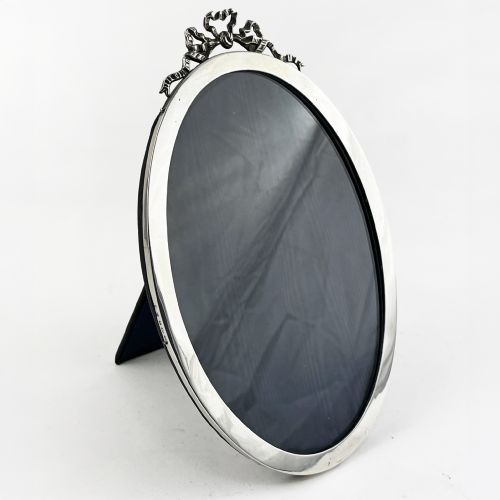
- A hinged support attached to the reverse of a frame that permits it to stand upright on a table. This simple mechanism allows portraits to be angled toward the viewer.
- Engine-turned
- A decorative technique involving precise geometric patterns engraved into metal by a specialised machine. This method adds texture and light reflection to silver surfaces.
- Ormolu
- Gilded bronze produced by applying a mercury and gold amalgam to cast bronze. The technique imparts a rich golden finish characteristic of French decorative objects.
- Carte de visite
- A small photographic portrait mounted on a card, popular in the nineteenth century. These images frequently inspired specialised display boxes and frames.
Tabletop Picture Stand: Frequently Asked Questions
How do I date a silver picture frame?
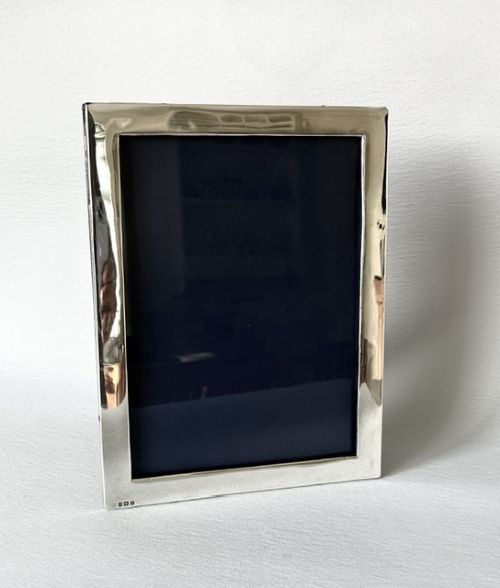
Dating relies primarily upon hallmarks stamped into the silver, which indicate the assay office, standard of metal, and the year of production.
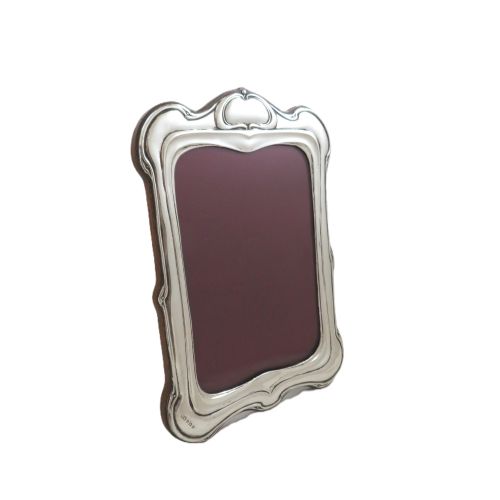
Stylistic markers such as embossed floral borders or clean geometric lines provide additional context when hallmarks are rubbed or absent.
What is an easel picture stand?
An easel frame utilises a three-legged or strut-backed support that mimics a painter's easel, holding the photograph at an inclined angle.
These pieces were designed for prominent display on desks, tables, or mantelpieces during the Victorian and Edwardian periods.
Can these stands hold modern photographs?
Most historic frames accommodate standard photographic prints, though aperture dimensions can vary due to nineteenth and twentieth-century sizing conventions.
Care should be taken when opening old backing boards and wooden struts to avoid damaging fragile hinges or dry fastenings.
How should I clean a silver frame?
Silver components require gentle dusting and occasional polishing with a specialised microfibre cloth to preserve embossed details and hallmarks.
Harsh chemical dips should be avoided, particularly where velvet linings, glass panels, or wooden backs are permanently integrated into the structure.