






Wooden Medical Chest
These wooden medical chest examples, spanning the Georgian to the early twentieth century, provide fitted storage for historical remedies and instruments.
Wooden Medical Chest
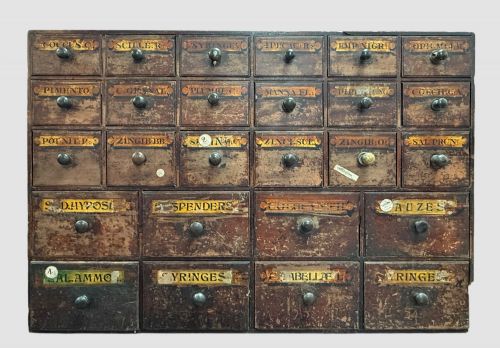
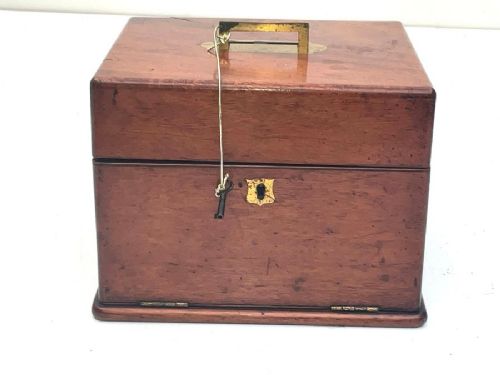
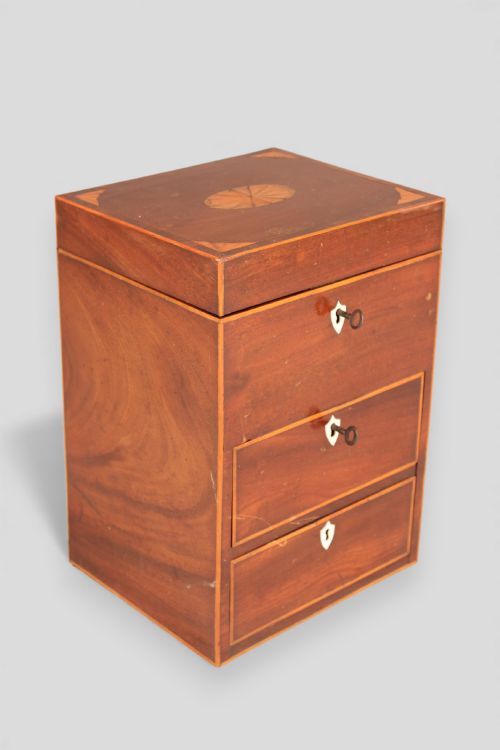
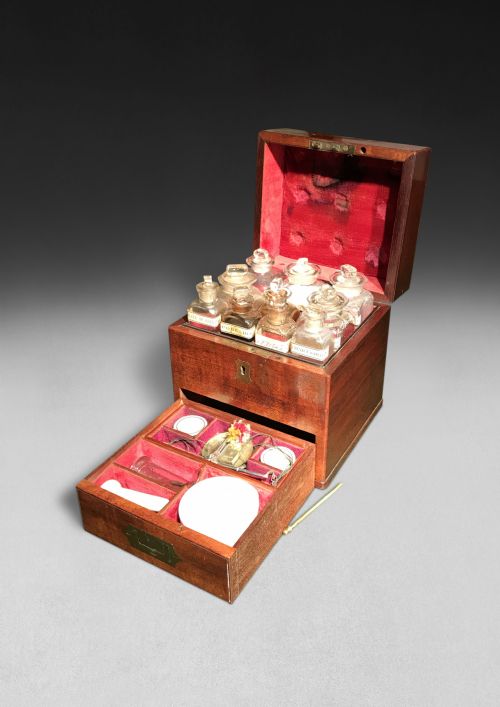
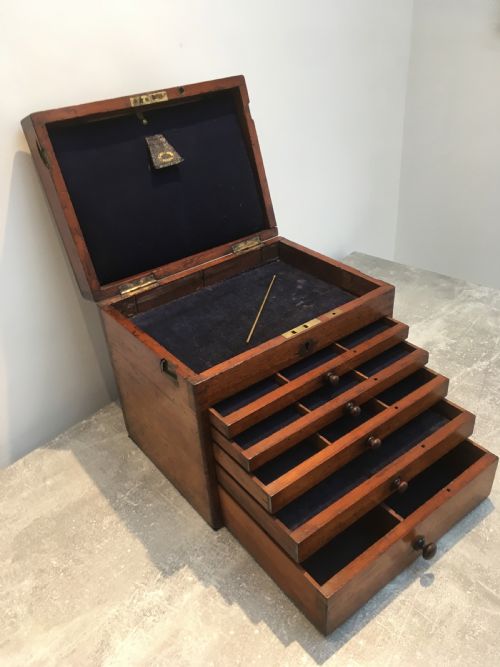
A wooden medical chest takes several forms across the inventory, ranging from compact Regency and George III apothecary boxes to larger nineteenth century banks of drawers and chemist cabinets. These pieces served practical domestic, veterinary, and professional pharmacy storage needs rather than decorative purposes.
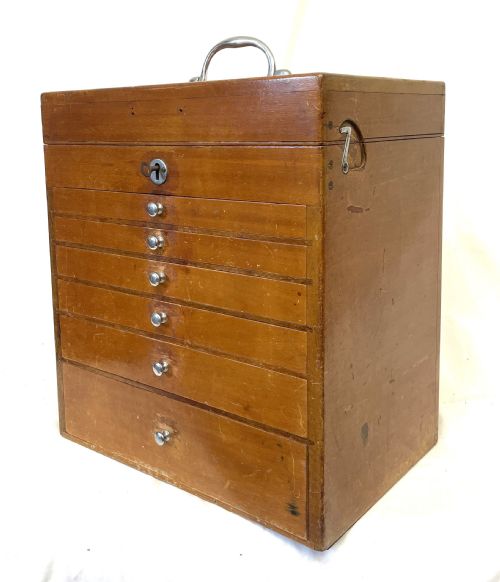
Buyers encounter tabletop cabinets, homeopathics, and medical carrying chests alongside specialised instrument cases for dentists and doctors. The dominant forms reflect portable and fitted storage used by practitioners and households during the Georgian, Victorian, and early twentieth century periods.
Origins and styles span industrial utility and Scandinavian folk alongside traditional British cabinet-making from the nineteenth century. Each box or cabinet houses designated spaces for bottles, equipment, and contents.
How they were made
Construction relies heavily on mahogany and pine, shaped into robust boxes, chests of drawers, and display cases. Polished wood surfaces highlight the grain while providing durable housing for medical contents.
Brass fittings, iron hardware, and bone details reinforce the structural integrity of these carrying chests and apothecary boxes. Glass bottles and velvet linings internally organise the specialised equipment and remedies.
Listings feature mahogany, pine, and brass across nineteenth-century and Georgian apothecary boxes, banks of drawers, and instrument cases.
What varies in quality
Quality depends upon the complexity of the internal fittings and whether original contents remain intact within the box. Fitted Regency and Georgian mahogany boxes with complete bottle contents sit at a different level of historical interest compared to utilitarian carrying chests.
The sophistication of the cabinetry marks the distinction between standard storage and superior examples. Refined brass hardware, integrated instrument cases, and specialised drawers elevate the standing of a cabinet.
The Wooden Medical Chest Glossary
- Apothecary box
- A fitted wooden container designed to hold medicinal bottles, scales, and related pharmaceutical equipment securely. These boxes often feature secret compartments or multi-tiered storage.
- Mahogany
- A dense, durable timber favoured by cabinet-makers for its rich colour and resistance to warping. It forms the primary structure of many Georgian and Regency medical chests.
- Homeopathic
- Pertaining to the alternative system of medicine popularised in the nineteenth century, requiring specialised compartmentalised storage for small remedy vials.
- Bank of drawers
- A multi-drawer furniture form utilised in pharmacies and surgeries for systematic storage of dry ingredients, instruments, and medical supplies.
Wooden Medical Chest: Frequently Asked Questions
What did a wooden medical chest hold?
These chests typically contained glass medicine bottles, scales, mortars, and various pharmaceutical ingredients or surgical tools.
Domestic versions held remedies for family use while professional examples served doctors, dentists, and veterinarians on visits.
How do I date a medical chest?
Dating relies on timber choices, brass hardware styles, and construction techniques associated with periods like the Georgian and Victorian eras.
Form also guides attribution, as early nineteenth-century apothecary boxes differ significantly from 1920s doctors bags and Scandinavian utility cabinets.
Were all medical chests portable?
Many examples, such as Regency fitted boxes and small carrying chests, were designed for travel with brass carrying handles.
Larger apothecary banks of drawers and chemist cabinets were intended for stationary placement in a shop or surgery.
What woods were used for medical chests?
Mahogany and pine dominate the inventory, chosen for strength and workability in constructing small compartments.
Secondary materials like brass, iron, and bone appear in the hinges, locks, and internal instrument handles.