

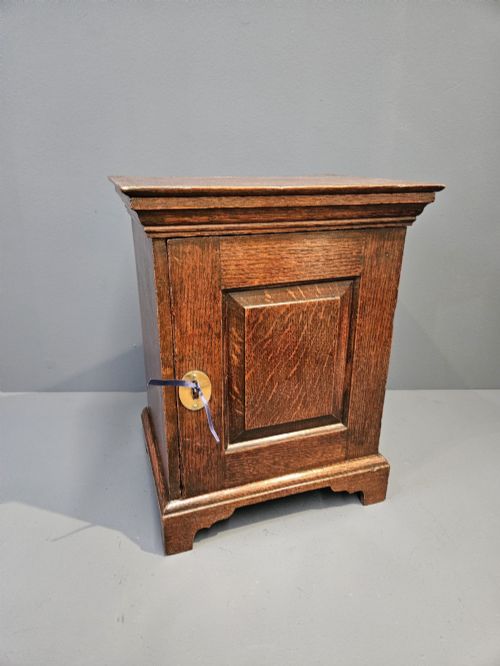


Oak Apothecary Chest
An oak apothecary chest is a sturdy timber storage piece designed for medicines, herbs and small possessions, valued for practical compartmentalisation and honest grain.
Oak Apothecary Chest
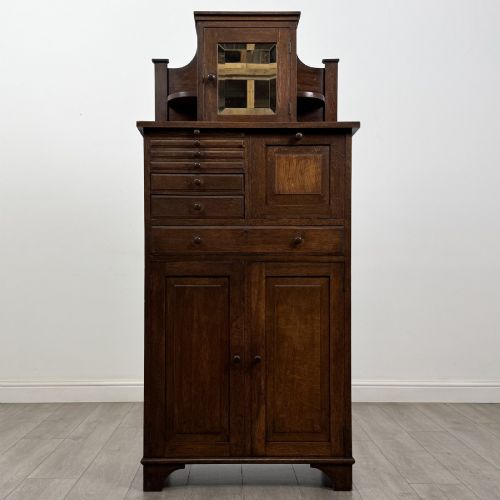
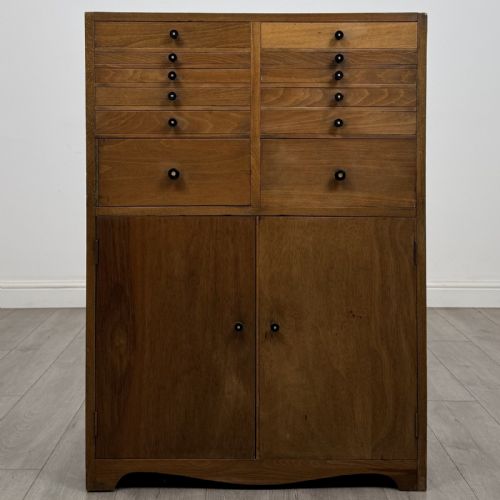
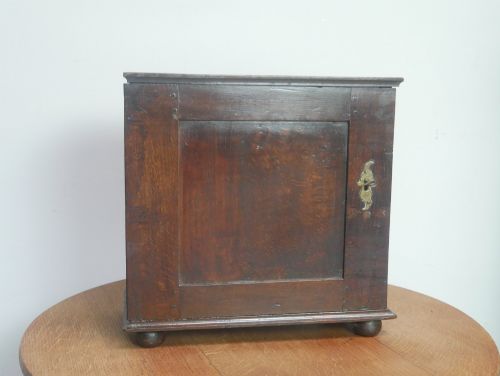
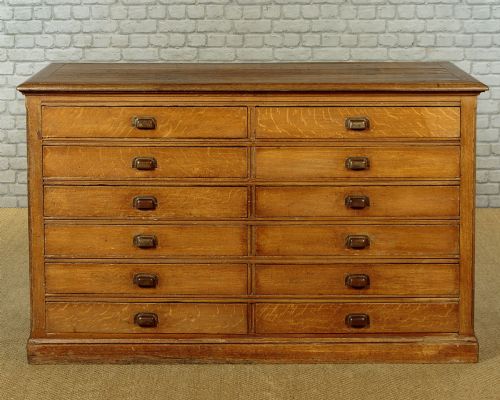
When you search for an oak apothecary chest, you encounter compact spice cupboards, wall-hanging boxes, banks of drawers and medical cabinets spanning the eighteenth, nineteenth and early twentieth centuries. These sturdy wooden pieces served practical storage functions in homes, shops and consulting rooms long before modern packaging existed.
The selection here ranges from small seventeenth and eighteenth-century spice cupboards and Georgian collectors cabinets to Edwardian apothecary and medical storage units from the nineteen-twenties. Regional examples include rustic nineteenth-century country pieces alongside more formal Georgian designs, often constructed with secondary woods like pine.
Whether configured as a wall-hanging spice box, a multi-drawer bank or a medical carrying chest, each item reflects the specific storage demands of its era. Brass hardware, iron fixtures and glass elements frequently accompany the heavy oak construction, defining the functional character of these survivals.
How they were made
Construction relies heavily on solid oak timber, frequently paired with pine for internal linings, drawer bottoms or backing boards as seen in nineteenth-century wall-hanging spice boxes. Cabinetmakers utilised robust joinery methods to withstand daily opening and closing of numerous small compartments.
Metal fittings such as brass drop handles, escutcheons and steel or iron hinges provide both structural reinforcement and functional operation. Glass panels feature on doors for medical and dental cabinets, allowing contents to be viewed readily while protected.
Oak Apothecary Chest Retail Price Guide 2026
Typical asking prices for oak apothecary chest among the pieces listed under this phrase on Sellingantiques today, from the lower quarter to the upper quarter. They describe what is for sale here now, not the wider market.
Object types span spice cupboards, wall cabinets, collectors cabinets, filing cabinets and banks of up to twelve drawers.
What varies in quality
Quality rests in the crispness of the timber selection, the integrity of the original joints and the retention of period hardware such as brass locks and hinges. Pieces retaining their fitted internal arrangements and working keys command greater appreciation among collectors.
The execution of drawer construction, from hand-cut dovetails to the smoothness of the drawer action within banks of drawers, distinguishes standard utilitarian items from finer cabinetwork. Surface finish and the preservation of honest patination on the oak timber further determine the standing of each piece.
The Oak Apothecary Chest Glossary
- Apothecary chest
- A cabinet or chest originally used by apothecaries for storing medicinal roots, powders and mixtures in small drawers or compartments. These units range from large medical cabinets to small portable carrying chests.
- Spice cupboard
- A small wall-hanging or table-standing wooden cupboard featuring an internal arrangement of small drawers, traditionally utilised for storing costly culinary spices and herbs.
- Collector's cabinet
- A specialised piece of furniture containing numerous shallow drawers designed for housing natural history specimens, coins or small curiosities safely.
- Bank of drawers
- A multi-drawer storage unit designed for systematic organisation of small items, frequently associated with tradesman, haberdashery or filing use.
- Escutcheon
- A protective plate surrounding a keyhole, commonly cast in brass or iron to prevent the surrounding timber from wearing down through repeated use of the key.
Oak Apothecary Chest: Frequently Asked Questions
What were apothecary chests used for originally?
These chests stored dried herbs, mineral compounds, prepared medicines and small instruments for daily dispensing in domestic or professional settings.
Their numerous small drawers and compartments kept fragile and valuable substances organised and securely enclosed.
How do I date an oak spice cupboard?
Dating relies on examining construction techniques, timber preparation marks, hinge types and the overall style of the mouldings.
Early eighteenth-century examples often feature hand-cut dovetails and simpler board construction compared to later nineteenth-century iterations.
Are wall hanging spice boxes sturdy?
Wall hanging spice boxes utilise solid oak and pine construction to support the weight of multiple loaded small drawers safely.
Their hanging points and backboards were engineered to bear the constant load of stored contents mounted securely to domestic walls.
Where should I place a medical cabinet at home?
Medical and dental cabinets suit studies, kitchens or living spaces where their glass doors and multi-drawer layouts provide visible storage.
Their compact footprints allow them to sit comfortably on tabletops or function as standalone accent pieces.