





Antique Instrument Box
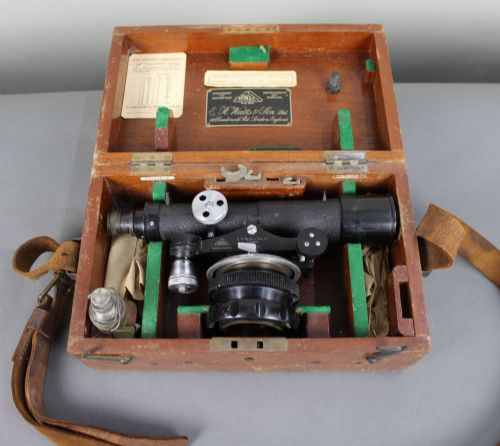
An antique instrument box houses precision items from scientific, maritime and medical domains, offering a tangible connection to historical surveying, navigation and natural philosophy.
Antique Instrument Box
An antique instrument box encompasses containers made for scientific instruments, medical gear, drawing tools, and marine chronometers. You meet these pieces most frequently in mahogany, constructed during the Georgian, Victorian, and Edwardian periods.
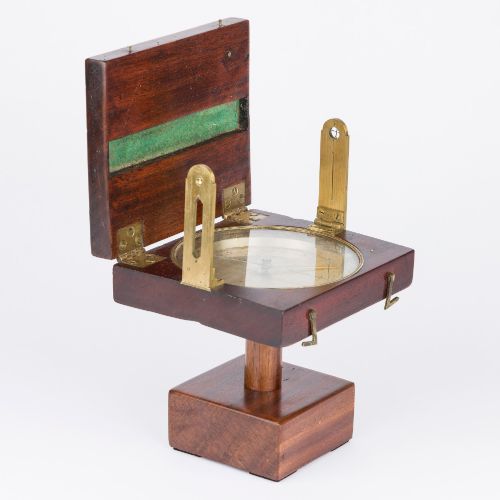
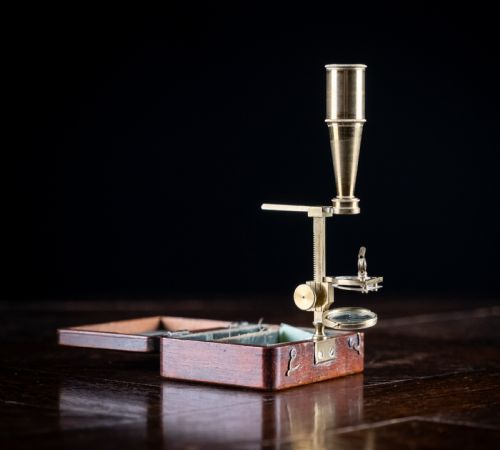
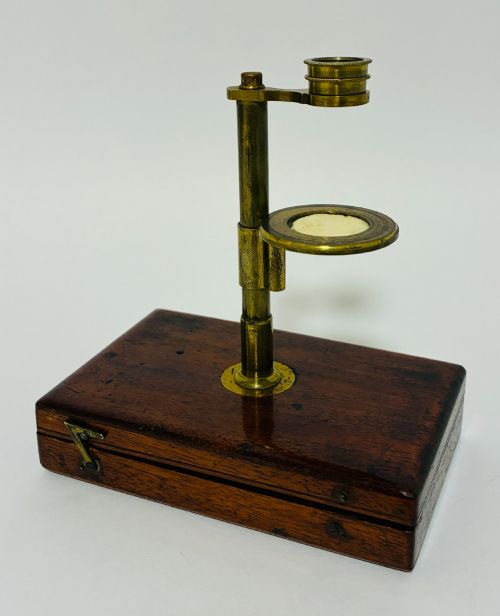
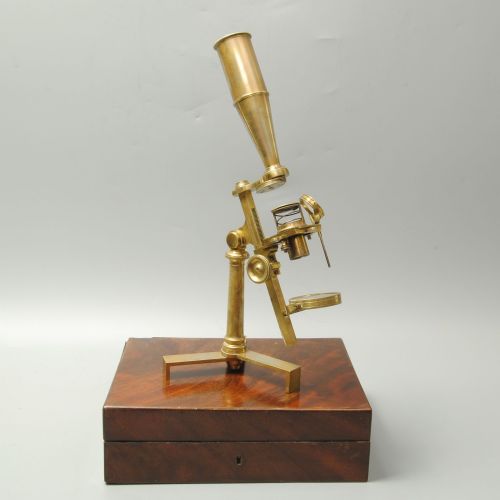
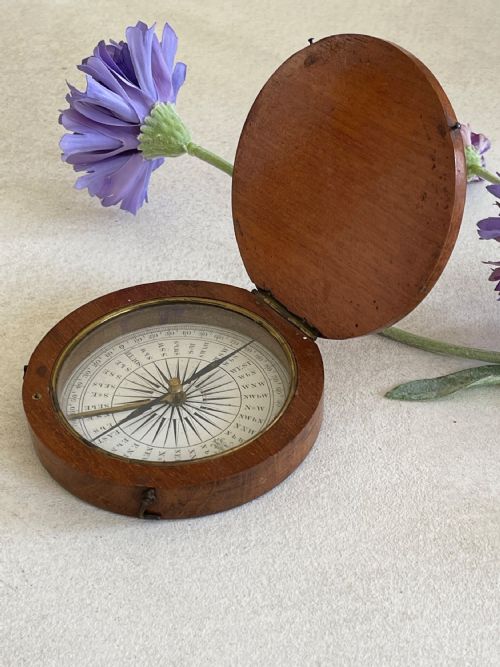
The selection ranges from surveyors' compasses and pocket microscopes to technical drawing sets and chemist scales. Each container serves to protect delicate mechanisms utilised in fieldwork, cartography, and scientific study.
Materials and Technique
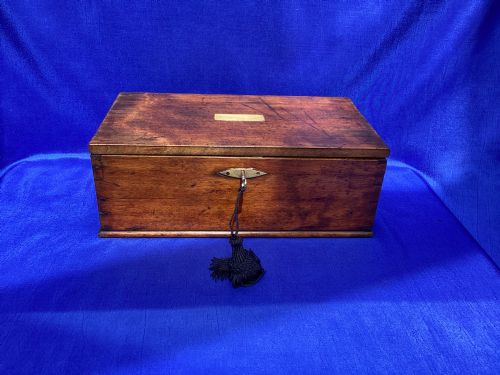
Cabinetmakers utilised dense timbers like mahogany and burr yew wood to build the exterior cases, often housing precision brass fittings, steel components, and glass lenses. Interiors frequently feature tailored linings of velvet, leather, or paper designed to secure specific tools.
Joinery techniques focus on durability and secure transit, employing dovetailed corners, brass hinges, and fitted locking mechanisms. Makers integrated custom internal partitions to ensure delicate medical sets, microscopes, and compasses remained immobilised during travel.
Listings feature 19th Century, Victorian, and Edwardian pieces constructed from mahogany, brass, leather, and velvet.
Evaluating Execution
Quality rests in the precision of the internal fittings and the integrity of the timber joinery. Superior examples demonstrate exact compartment customisation for specific apparatus, alongside robust brass hardware and intact original linings.
The distinction between standard utility boxes and exceptional pieces lies in maker attribution, decorative detailing on the exterior casework, and the survival of complete, matching sets of internal instruments.
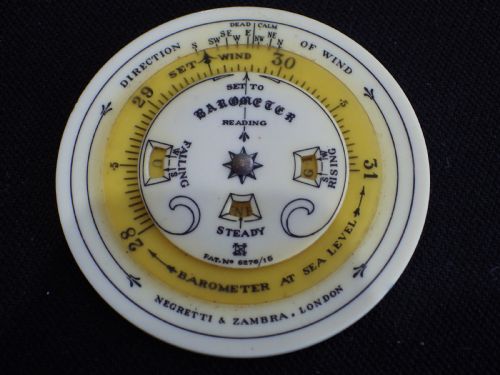
De Grave Short And Co·G Davis·Cary·Holtzapffel And Co·L Casella And Co·Robert Brettell Bate·John Millikin·Negretti And Zambra·Thomas Mercer·Litherland Davies·Samuel Porter·Cooke Troughton And Simms·Henri De Magnac·Stanley·Oertling·Swift And Son·Thomas Harris And Son
The Antique Instrument Box Glossary
- Chondrometer
- An instrument used to determine the density or weight of grain. It typically packs into a specialised wooden case with accompanying weights.
- Chronometer
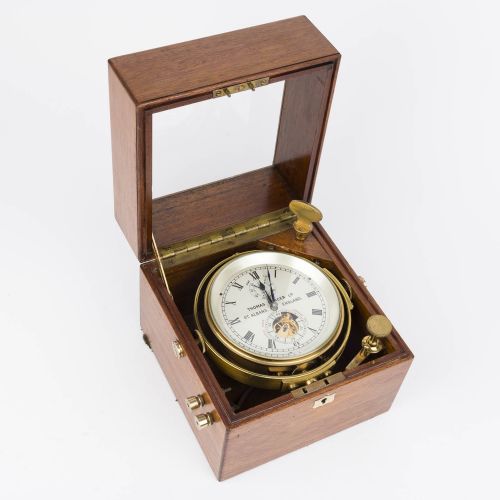
- A highly accurate marine timekeeper mounted in gimbals inside a fitted wooden box. It served navigators in calculating longitude at sea.
- Clinometer
- A tool for measuring angles of slope, elevation, or depression with respect to gravity. These instruments frequently integrate into precision surveying levels.
- Stereoscope
- A device for viewing a twin photograph or stereoscopic pair as a single three-dimensional image. These optical instruments are commonly housed in burr yew or mahogany cases.
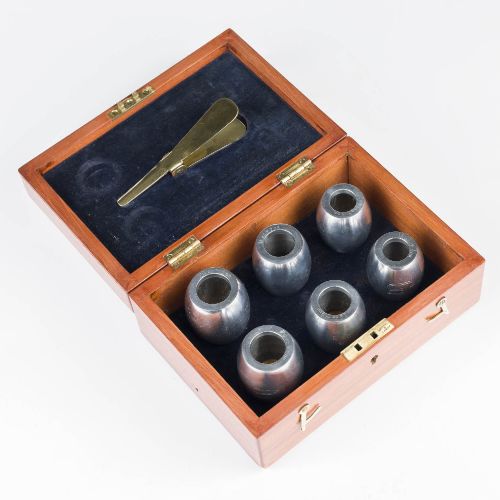
- Cupping set
- A medical collection utilised for bloodletting and alternative therapies. Such sets comprise specialised glass cups and scarificators stored within fitted velvet-lined compartments.
Antique Instrument Box: Frequently Asked Questions
What tools belong inside an antique instrument box?
These containers hold scientific, medical, and cartographic apparatus such as microscopes, compasses, drawing pens, and thermometers. Each item matches a specific fitted cavity within the timber housing.
Survival of the original contents varies, as many boxes survive empty or adapted for alternative storage over subsequent decades.
How were these wooden cases transported originally?
Explorers, surveyors, and doctors carried these fitted chests during fieldwork, marine navigation, and house calls. The robust construction and brass carrying handles facilitated frequent travel.
Interior velvet or leather linings cushioned the sensitive brass and glass components against the shocks of movement.
How do I identify the period of an instrument box?
Stylistic clues in the exterior woodwork, such as Georgian dovetailing, Victorian brass inlay, or Edwardian fitted layouts, indicate the date of manufacture. Maker signatures engraved on the internal instruments provide a direct manufacturing timeframe.
Patent dates and address details on paper trade labels inside the lid also narrow down the era.
How should I display an instrument box at home?
These pieces suit placement on desks, bookcases, or sideboards where the polished timber exterior can be appreciated. Keeping the boxes closed protects internal velvet and paper components from direct sunlight.
Displaying the lid open reveals the internal arrangement of brass instruments and fitted compartments.