
Wooden Cabinet Drawers
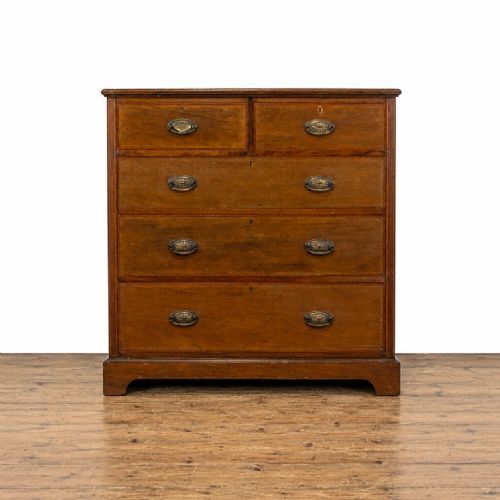
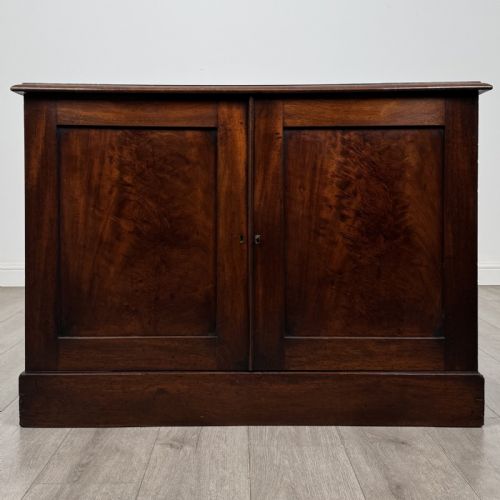
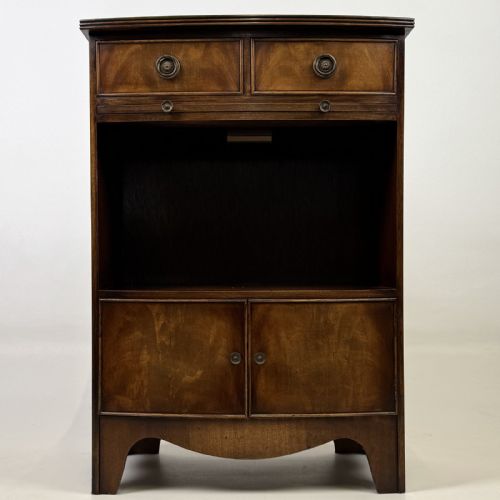
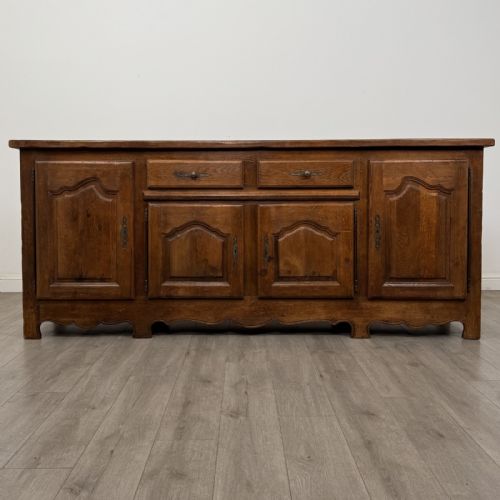
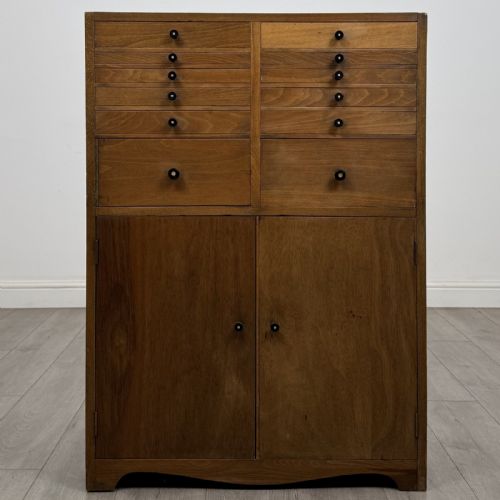
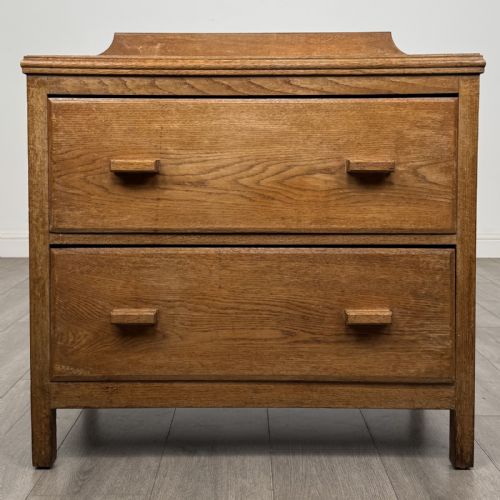
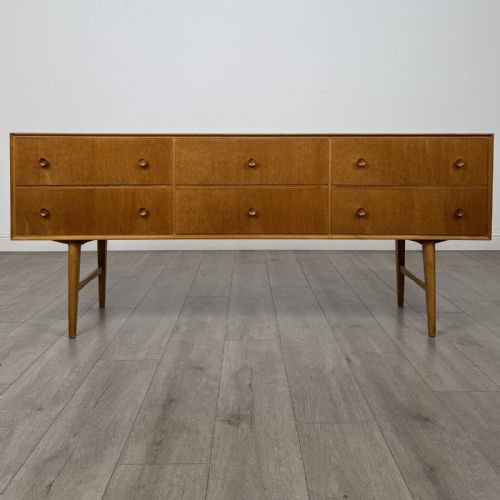
When you search for wooden cabinet drawers, you are looking at practical storage pieces built from mahogany, oak, and walnut across Georgian, Victorian, and Edwardian periods.
Wooden Cabinet Drawers
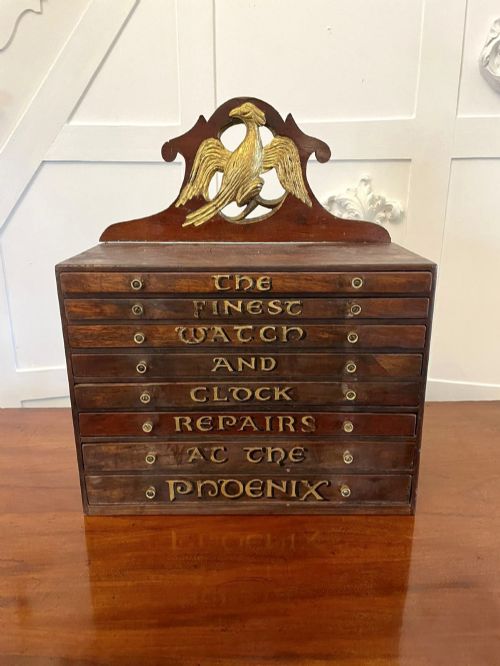
Wooden cabinet drawers encompass a broad range of storage furniture found on this page, stretching from Georgian tallboys to Edwardian filing cabinets. These pieces serve functional domestic and commercial roles, offering compartmentalised storage through fitted drawers.
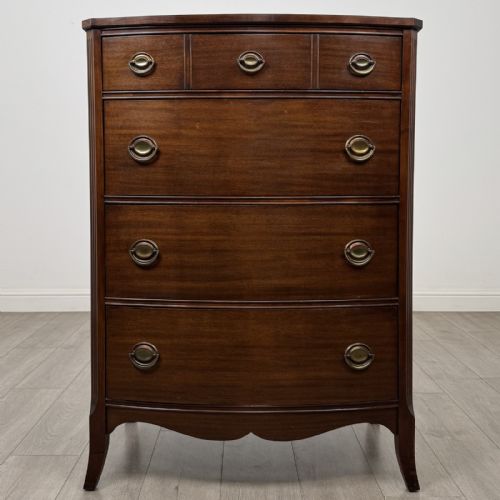
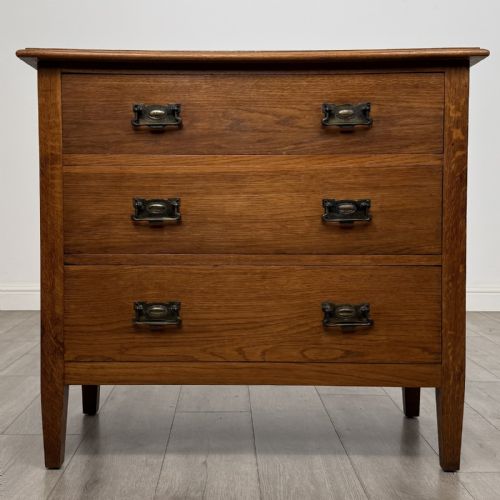
Chest of drawers and bedside tables dominate the forms met here, alongside specialised items like Wellington chests and apothecary units. Buyers frequently encounter nineteenth-century mahogany chests and oak filing furniture suited to daily use.
Origins span British workshops as well as continental pieces, reflecting shifts in taste from Queen Anne walnut to Art Deco figured walnut. Each era brings distinct proportions and drawer configurations tailored to contemporary storage needs.
How they were made
Cabinet makers relied primarily on hardwoods such as mahogany, oak, and walnut, frequently enhanced with secondary timbers like pine and satinwood. Brass hardware, including handles and escutcheons, provides structural and decorative contrast to the timber surfaces.
Construction techniques evolved from eighteenth-century dovetailed drawer construction to industrial stacking mechanisms seen in later filing units. Surface finishes range from waxed polish to figured veneers that highlight the natural grain of the wood.
The inventory ranges from compact bedside chests to fifteen-door locker cabinets and bureau bookcases.
What varies in quality
The standard of timber selection largely dictates the standing of a piece, distinguishing plain utility items from finely figured walnut or mahogany examples. Timber movement, veneer matching, and the preservation of original polished surfaces reveal the maker's initial investment of time and skill.
Internal construction details, such as solid drawer linings and hand-cut dovetails, separate superior items from later mass-produced alternatives. The retention of original brass fittings and smooth drawer action further separates finer examples from heavily restored counterparts.
maples & co
The Wooden Cabinet Drawers Glossary
- Wellington chest
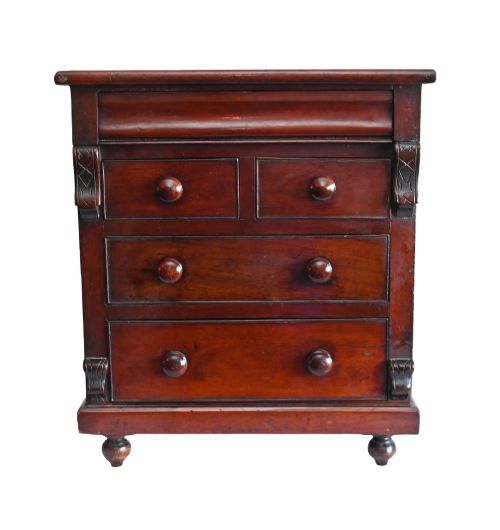
- A tall, slender chest of drawers featuring a locking side pilaster that secures all drawers simultaneously. This form typically dates from the nineteenth century in mahogany or walnut.
- Tallboy
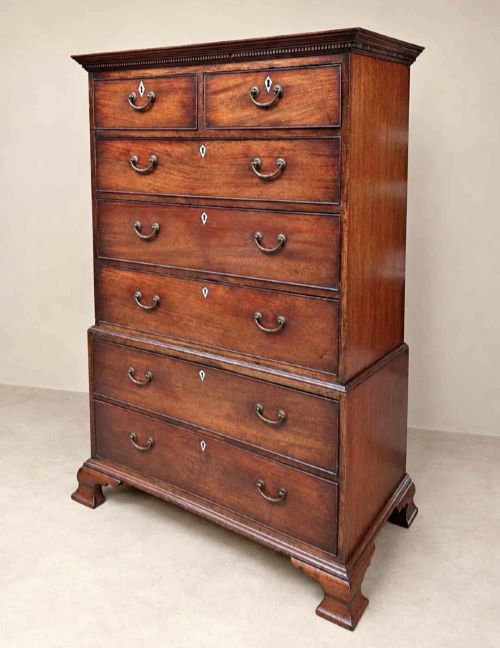
- A tall chest of drawers consisting of one chest stacked upon another, elevating the storage capacity. Georgian examples in mahogany remain particularly sought after.
- Bespoke
- Made to individual order rather than produced in standard batches. Such pieces often display custom dimensions and superior timber selection.
- Tambour front
- A flexible sliding door formed of narrow strips of wood glued to canvas, commonly found on Edwardian filing cabinets. This mechanism conceals interior drawers efficiently.
Wooden Cabinet Drawers: Frequently Asked Questions
How do I date a wooden chest?
Dating relies on timber choices, construction methods, and hardware styles. Earlier pieces often utilise oak linings and hand-cut dovetails, while later variants introduce machine-cut elements and different secondary woods.
Examining the locks, handles, and overall proportions alongside period traits helps narrow the decade of manufacture. Comparing the piece to documented examples from the Georgian or Victorian eras provides further clarity.
Where were these cabinets used?
These storage units served diverse environments from grand drawing rooms to domestic bedrooms and commercial offices. Smaller items functioned as bedside tables or apothecary storage, whereas tallboys occupied principal bedchambers.
Purchasers selected specific forms based on room dimensions and storage requirements, ensuring a practical fit for documents, clothing, or personal items.
How do I maintain wood furniture?
Maintenance requires keeping pieces away from direct heat sources and sudden humidity fluctuations to prevent timber splitting. Regular dusting with a soft cloth preserves the polished surface without abrasive buildup.
Applying traditional beeswax periodically nourishes the wood and maintains a gentle sheen. Avoid modern silicone sprays that can penetrate the grain and damage historic finishes.
What is an apprentice piece?
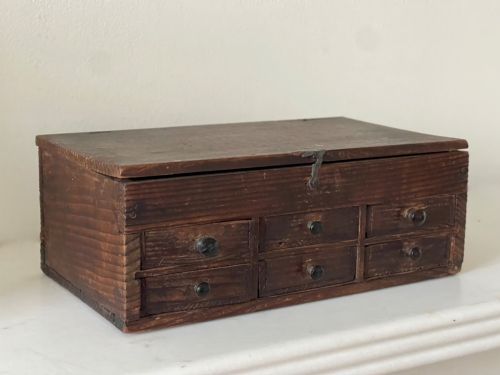
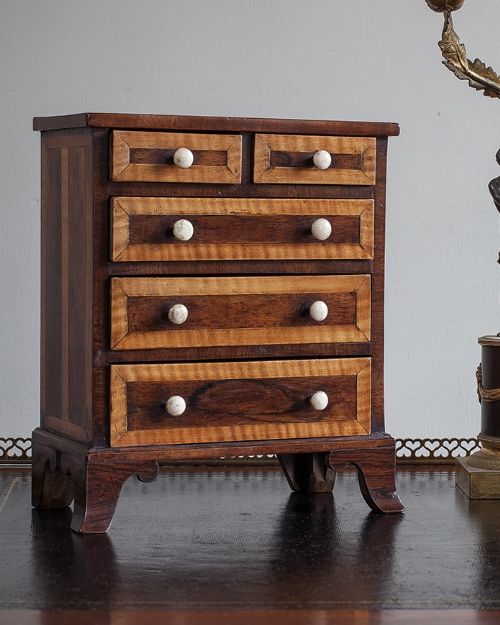
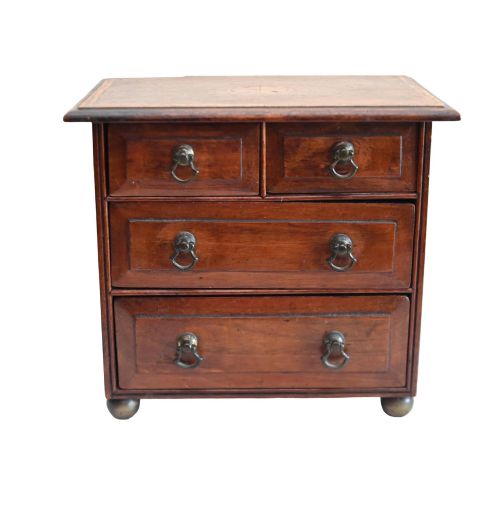
Apprentice pieces are small-scale models created by young craftsmen learning cabinet making. They display the full technical skill required for larger furniture on a reduced format.
These miniature chests feature authentic dovetailing and operational drawers, serving as portable proof of the maker's readiness for professional guild admission.