



Early 20th Century Box
An early 20th century box brings utilitarian function and diverse global craftsmanship together, offering practical storage with distinct period character.
Early 20th Century Box
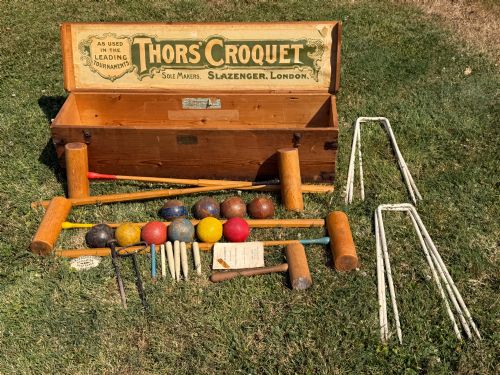
An early 20th century box encompasses a vast array of domestic and travel containers produced between the late Victorian era, the Edwardian period, and the interwar years of the 1920s and 1930s. Buyers searching this category encounter everything from heavy pine carpenters chests and steamer trunks to delicate jewellery caskets, desktop compartments, and specialised storage for games or cigars.
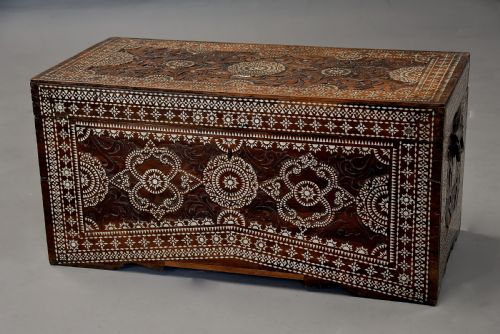
The selection frequently includes imported vessels reflecting Chinese export styles, Japanese lacquerwork, Middle Eastern mother-of-pearl inlay, and European Arts and Crafts designs. Pine and oak utility boxes appear alongside painted folk art items and high-end mahogany or walnut pieces suited for formal reception rooms.
Materials and construction
Makers utilised a combination of sturdy structural timbers like oak, pine, and mahogany, often enhanced by decorative surfaces such as burr yew veneers, brass mounts, iron brackets, and cloisonné enamel. Craftsmanship ranges from heavy dovetail joinery on robust travel coffers to intricate hand-carving and lacquer finishes on oriental cabinets.
Surface decoration defines many examples through applied paint, inlaid mother-of-pearl, chiselled brass, and silver niello work. Specialised interior linings utilising velvet, silk, or fitted compartments reflect the specific utility intended for the container, from game sets to vanity tools.
Listings feature items from the Edwardian period through the 1930s, utilising wood, brass, glass, and iron across various functional forms.
Assessing the pieces
Quality reveals itself through the integrity of the joinery and the selection of raw materials, distinguishing heavy-use utility items from decorative salon pieces. Superior examples maintain original surface finishes, uncompromised hardware, and intact interior elements such as paper linings or fitted dividers.
The level of hand execution in decorative elements, from meticulous wood marquetry and metal chasing to painted motifs, separates standard commercial production from workshop pieces created by skilled artisans or international export houses.
Slazenger·Harrods London·David Andersen·Goyard·Josef Margold·F. H. Ayres·Dunhill·Zenith
The Early 20th Century Box Glossary
- Camphor wood
- A fragrant timber frequently utilised for trunks and storage chests to protect textiles from insects due to its natural aromatic properties.
- Cloisonné
- A technique of decorating metal objects by placing enamel compartments within soldered wire boundaries before firing.
- Purdonium
- A specialised household box or cabinet designed specifically for storing domestic coal near a fireplace.
- Mah Jong
- A game of Chinese origin played with sets of carved tiles, frequently housed in dedicated wooden boxes with sliding lids.
Early 20th Century Box: Frequently Asked Questions
What were early 20th century trunks used for?
These large containers served primarily for international travel by ship and train, protecting clothing and personal belongings during transit.
Over time, many transitioned into domestic storage solutions for blankets, linens, and household gear.
How do I distinguish Arts and Crafts boxes?
Arts and Crafts pieces emphasise visible construction methods, simple utility, and honest treatment of materials like oak and wrought iron.
Decoration tends to rely on natural motifs and hand-beaten metalwork rather than heavy factory ornamentation.
Where were Japanese lacquer boxes made?
Japanese workshops produced these decorative caskets for both domestic use and the expanding export market during the early decades of the twentieth century.
They often combine traditional lacquer techniques with specialised wooden linings for storing jewellery and small valuables.
How should I clean a wooden storage chest?
Maintenance requires gentle dusting and occasional application of appropriate furniture wax to preserve the natural grain and aged patina.
Avoid harsh liquid cleaners that can strip original painted surfaces, lacquered finishes, or delicate metal inlays.