
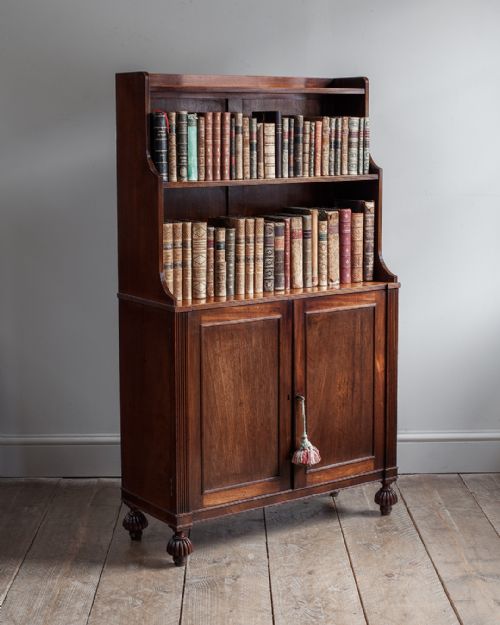
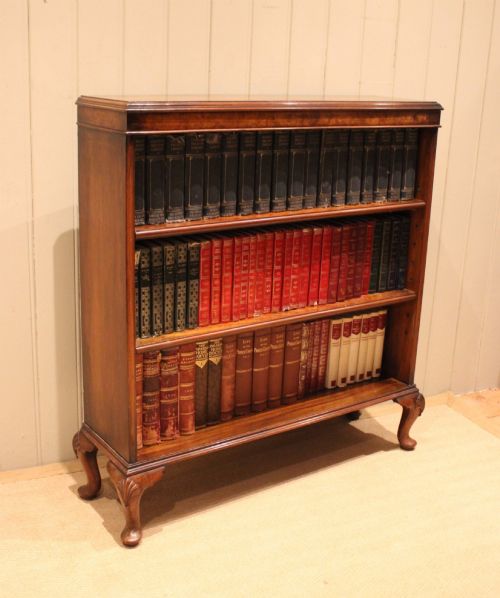
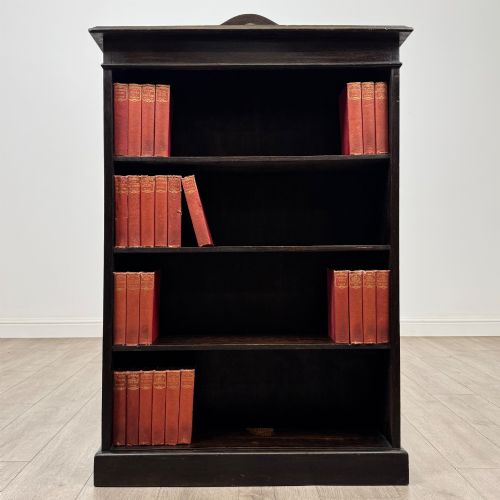
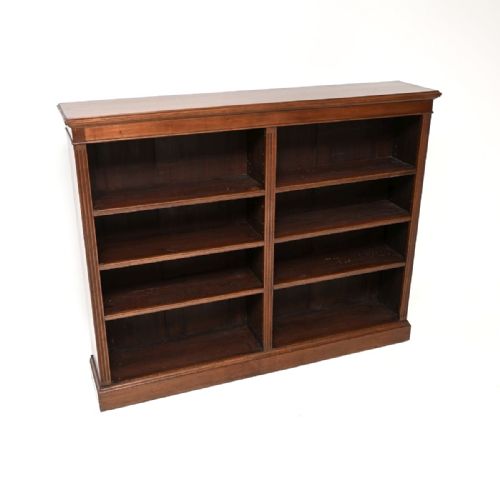
Wooden Library Shelving
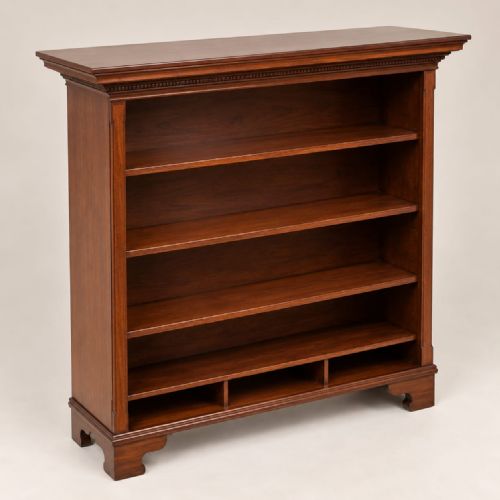
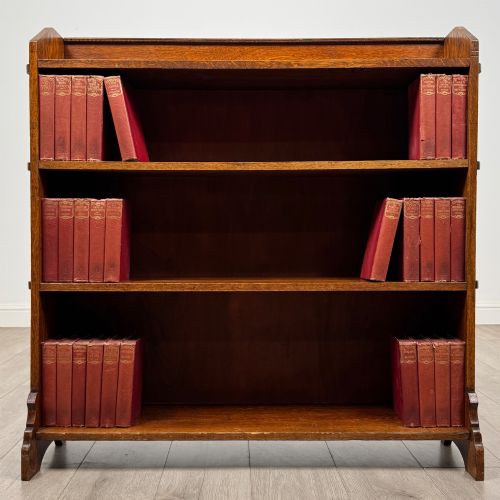
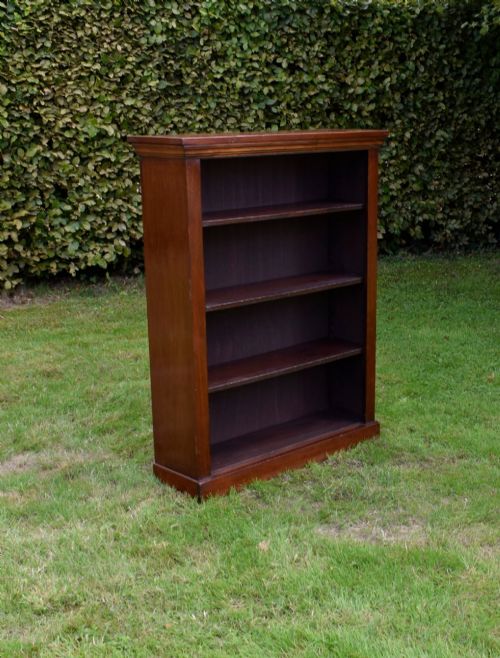
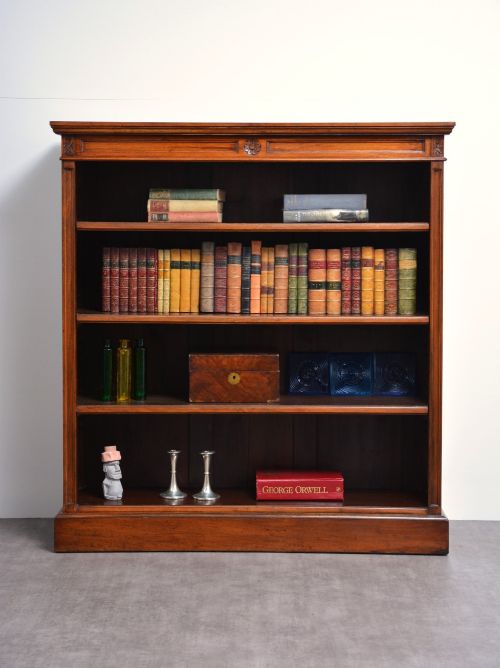
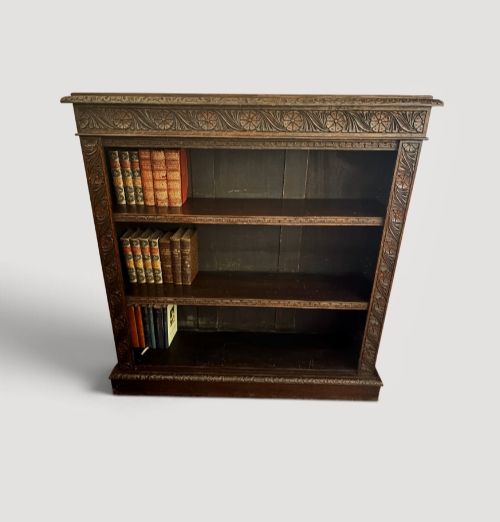
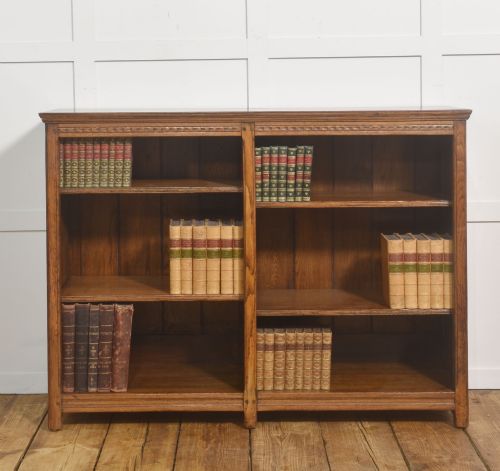
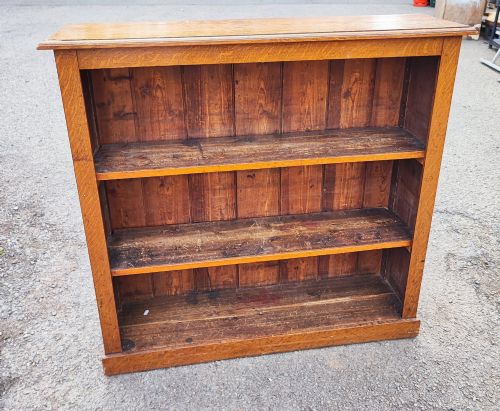
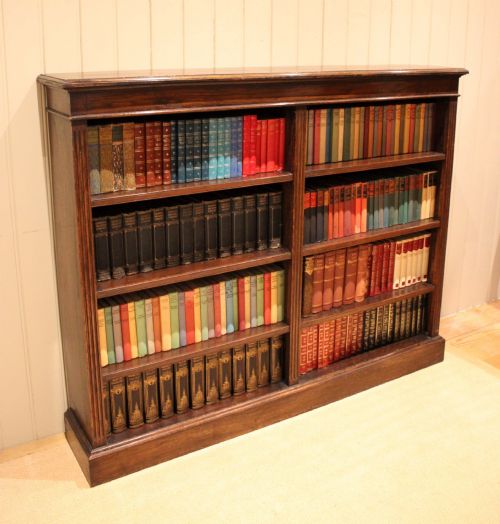
These wooden library shelving pieces offer sturdy utility and rich period character for housing a serious book collection.
Wooden Library Shelving
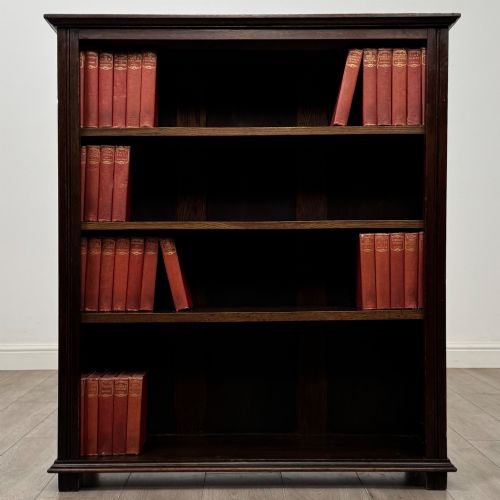
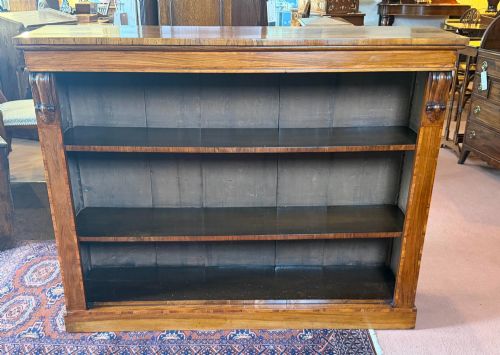
Wooden library shelving comprises open bookcases and bookcases and shelving designed for organising books in domestic or institutional settings. When searching for wooden library shelving, buyers frequently encounter pieces from the nineteenth century and the Edwardian era, spanning periods such as Victorian, Edwardian, and Regency.
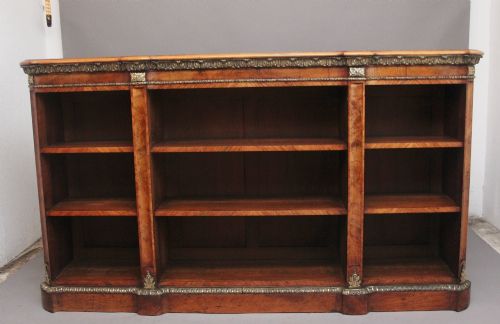
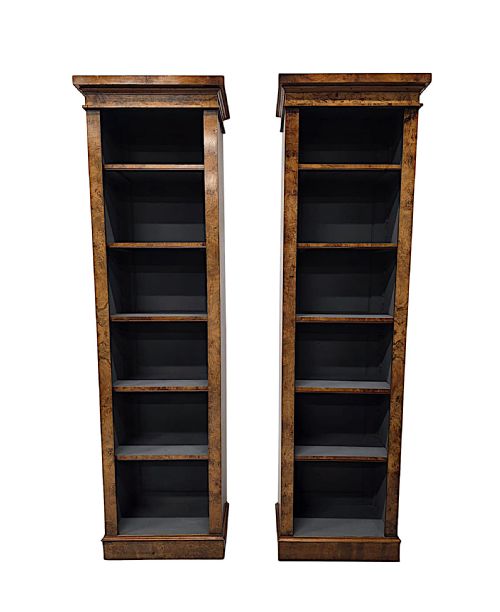
The forms range from slim single bays to large breakfront configurations and stacking barristers designs. Mahogany, oak, and walnut dominate the offerings, often fitted with adjustable shelves for practical storage.
Materials and construction
Timbers such as mahogany, oak, and walnut provide the structural integrity for these bookcases, occasionally enhanced with burr walnut veneers or ormolu mounts. Workshops utilised solid wood alongside veneered panels, incorporating carved details or adjustable shelving mechanisms to meet library requirements.
Some stacking barrister bookcases let you rearrange your entire library vertically just by lifting off the top tier.
Assessing quality
Quality in these bookcases rests on the selection of timber, such as figured mahogany or burr walnut, and the sophistication of architectural details like carving or breakfront proportions. Finer examples display meticulous joinery and well-integrated adjustable shelving systems that operate smoothly.
Johnstone and Jeanes
The Wooden Library Shelving Glossary
- Breakfront
- A large cabinet or bookcase whose central section projects forward from the flanking sections. This configuration adds architectural depth to large library rooms.
- Waterfall bookcase
- A piece featuring open shelves that step back progressively from bottom to top. The design creates a distinctive terraced silhouette.
- Barristers stacking bookcase
- A sectional bookcase comprising multiple tier units with glass or wooden lift-up doors. It allowed expanding libraries to grow vertically piece by piece.
- Ormolu
- Gilded bronze mounts applied to furniture for decorative enrichment. It appears on select nineteenth-century walnut pieces.
- Adjustable shelves
- Shelves resting on movable supports that alter the internal height intervals. This mechanism accommodates books of varying sizes.
Wooden Library Shelving: Frequently Asked Questions
How do I adjust the shelves?
Many period open bookcases feature wooden racks, brass studs, or shelf slips that allow the horizontal boards to move up or down. You simply lift each shelf out of its support groove and relocate it to the desired height.
This adaptability accommodates volumes of different heights, from small novels to large folios, keeping your library organised.
Are these bookcases sturdy enough for heavy books?
Constructed from solid timbers such as oak, mahogany, and walnut, these library pieces were built to bear substantial weight. The thick wooden shelves resist sagging under rows of heavy volumes.
Ensure the piece rests on a level floor to maintain structural stability across the frame and uprights.
How do I identify a Victorian bookcase?
Victorian pieces typically employ dense dark hardwoods like mahogany or walnut, often featuring straightforward open fronts or simple carved mouldings. Dating is supported by construction methods such as hand-cut dovetails and timber backs.
Many examples from this era also incorporate functional adjustable shelf mechanisms for practical everyday library use.