
Wooden Kitchen Prep Table
A wooden kitchen prep table brings working utility and honest character into a room.

Wooden Kitchen Prep Table
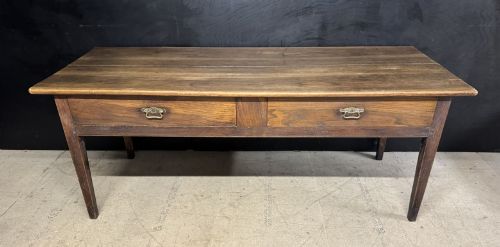
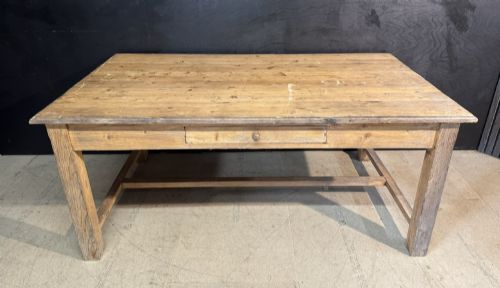
When searching for a wooden kitchen prep table, you encounter robust utility surfaces built for heavy work in domestic and commercial spaces. These items span periods from the nineteenth century through the early twentieth century, originating from English, French, and Scottish country houses, sculleries, and dairies.
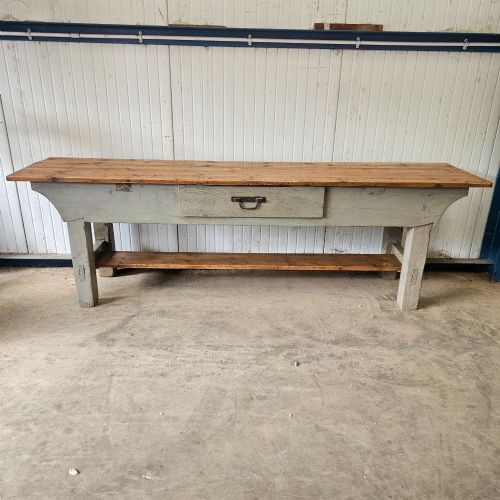
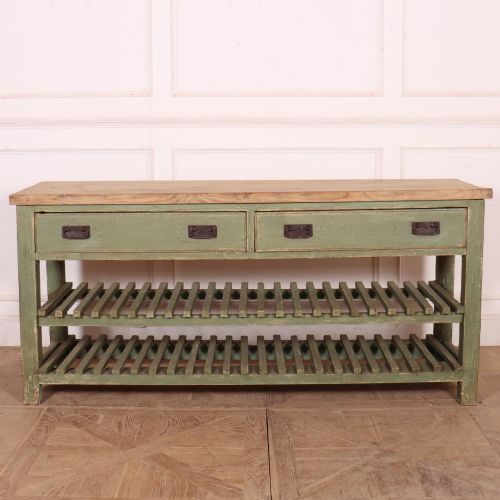
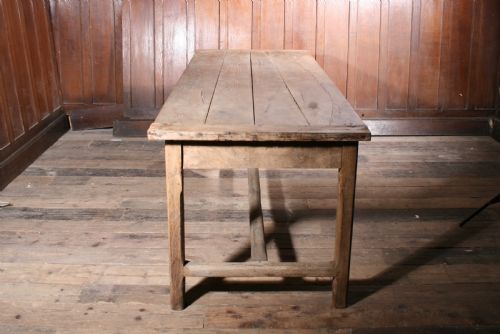
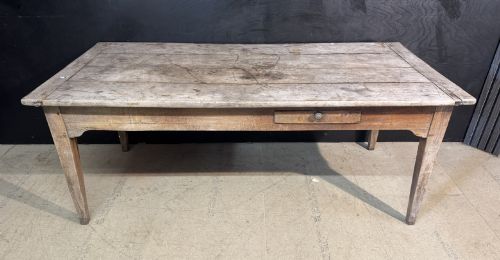
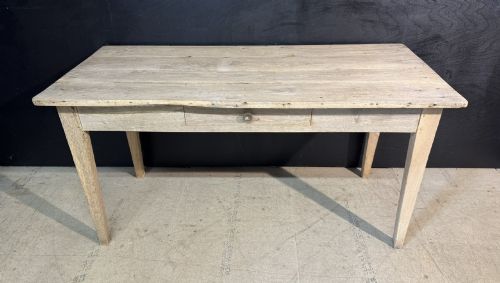
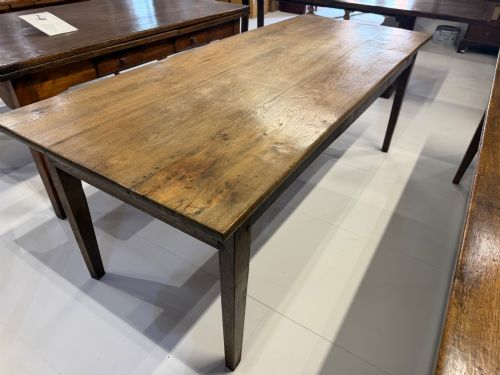
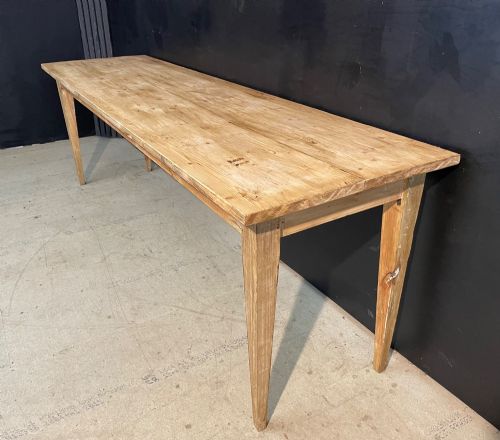
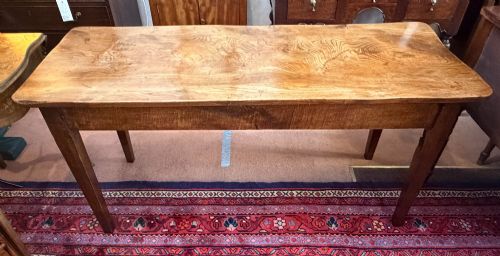
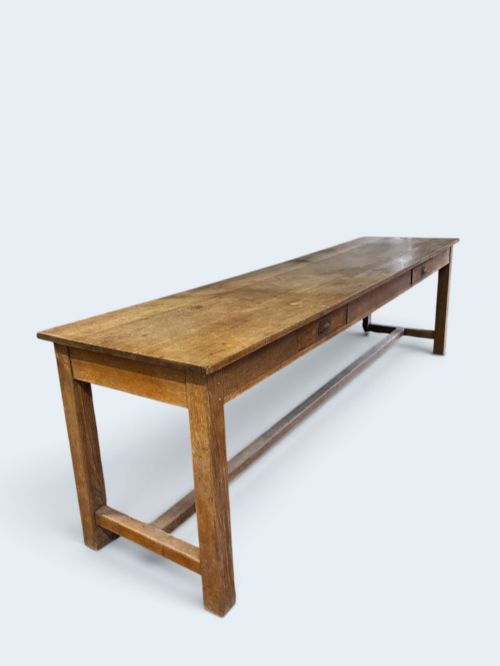
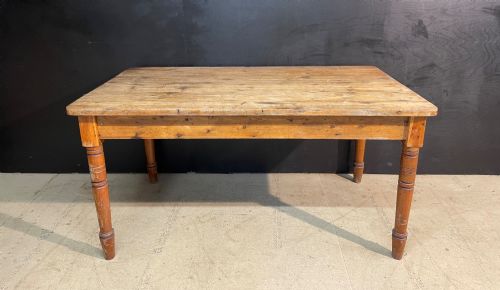
The most common version on this page is the pine farmhouse table or work table, often featuring scrub tops and practical drawers. Pieces range from long harvest tables to compact side tables and serving tables.
Makers utilised various regional woods, creating forms suited to specific domestic tasks such as baking, dairy work, and food preparation.
Construction and Materials
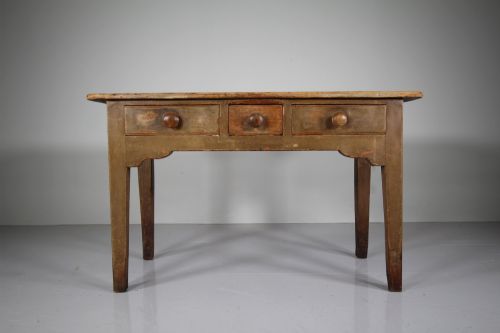
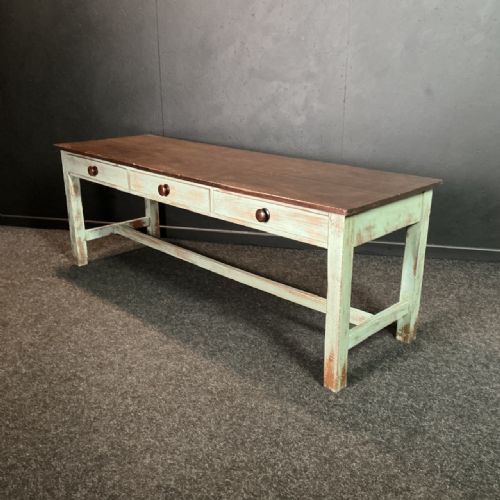
Makers constructed these tables primarily from solid pine, oak, elm, fruitwood, and sycamore, frequently pairing scrubable softwoods for the tops with harder timbers for the frames. Iron and metal components, alongside painted finishes, appear across structural elements and decorative bases.
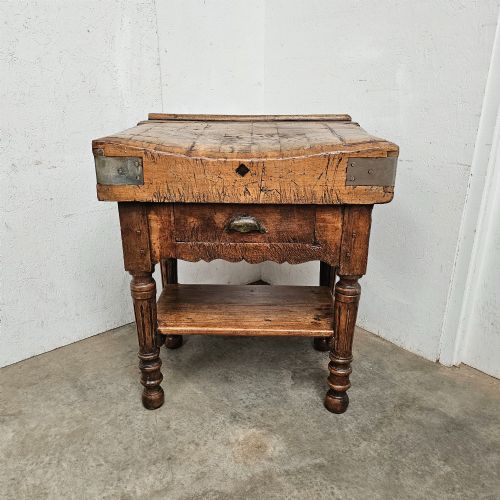
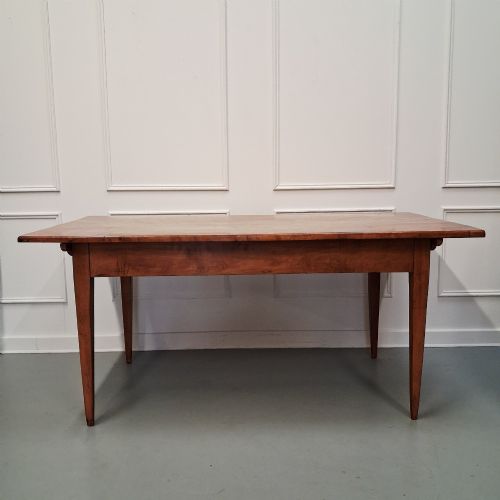
Joinery techniques prioritize sturdiness, utilising thick tops secured to sturdy legs, sometimes with tapered profiles or integrated drawers for storage. Tables designed for heavy use often combine pine and oak or incorporate end grain chopping blocks.
Many surviving prep tables retain flour dust embedded deep within nineteenth-century drawer joints.
Assessing Quality
Quality in these utility surfaces rests on the integrity of the timber, the honesty of the wear, and the balance of proportions. Tables featuring scrubbed tops with deep patination from decades of use sit at the higher end of the range.
Construction details such as solid drawer linings, original painted legs, and robust framing distinguish superior pieces from simpler later alternatives. The presence of secondary timbers like oak paired with pine indicates thoughtful regional construction.
The Wooden Kitchen Prep Table Glossary
- Scrub-top
- A wooden tabletop designed to be repeatedly scoured clean with water and sand, resulting in a pale, textured surface.
- Harvest table
- An exceptionally long dining or work table traditionally used to feed large agricultural working parties.
- Drapers table
- A long utility table originating from textile shops, characterised by multiple tiers or drawers for storing fabrics.
- Butchers block
- A thick, solid block of end-grain wood designed to absorb the impact of cleavers and heavy chopping.
- Dairy table
- A specialised work table, often featuring sycamore or pine, used in milk processing where hygiene and non-porous surfaces were essential.
Wooden Kitchen Prep Table: Frequently Asked Questions
What is a wooden kitchen prep table used for?
These tables served practical domestic roles in sculleries, dairies, and kitchens, providing sturdy surfaces for kneading bread, chopping meat, and preparing meals.
Today, they function as central kitchen islands, dining surfaces, or console tables that add rustic character to modern interiors.
How do I care for a scrubbed pine top?
Scrubbed wooden tops respond well to gentle cleaning with warm water and mild soap, avoiding harsh chemicals that strip the natural grain.
Applying occasional light coats of food-safe oil helps protect the dry timber from moisture and staining without altering its historic patina.
How can I tell the age of a prep table?
Age is determined by examining tool marks, timber shrinkage, construction methods, and the natural wear accumulated across the surface.
Nineteenth-century examples often display hand-sawn boards, pegged joints, and deep patination unique to centuries of daily domestic use.
Are these tables suitable for everyday family dining?
These pieces were built for heavy daily labour, making them exceptionally durable for modern family life and frequent kitchen use.
Their robust construction and practical drawers accommodate the demands of contemporary dining and food preparation.