
Wooden Keepsake Chest
A wooden keepsake chest keeps small treasures safe, and these antique boxes bring history and craftsmanship straight to a mantel or desk.
Wooden Keepsake Chest
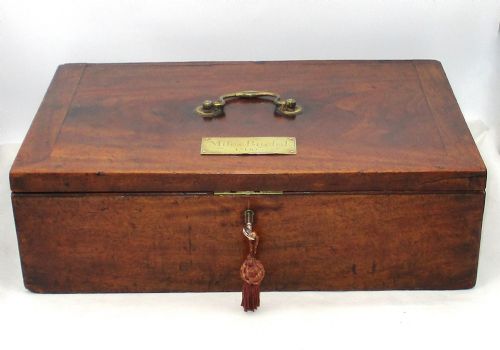
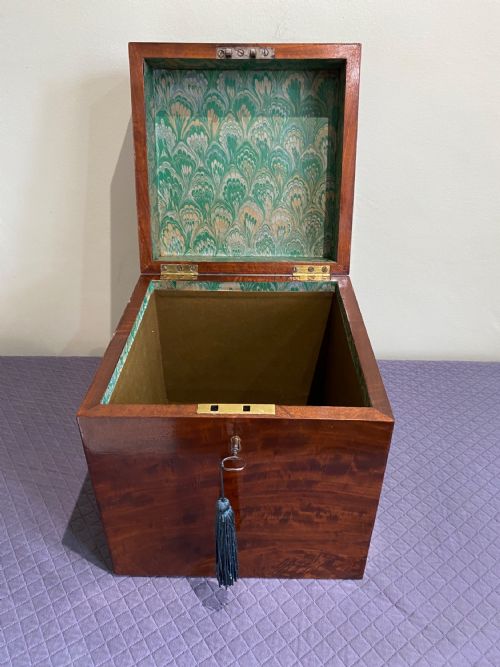
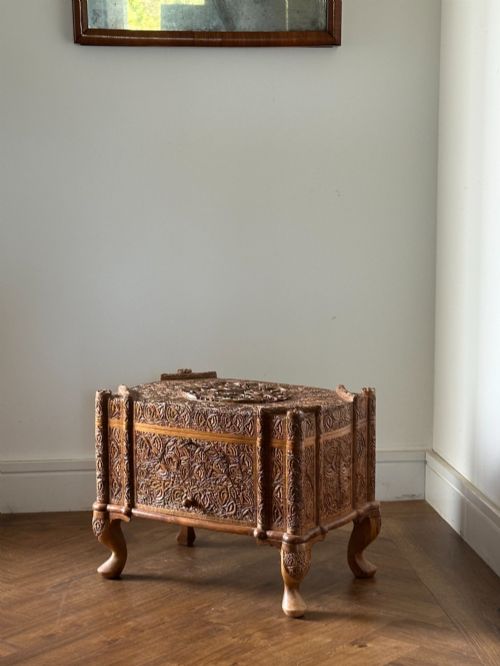
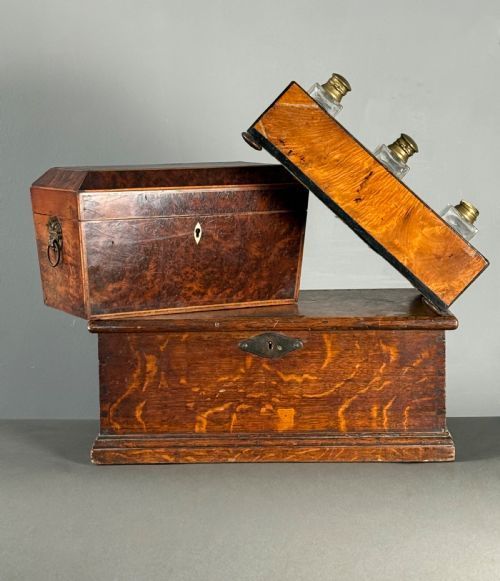
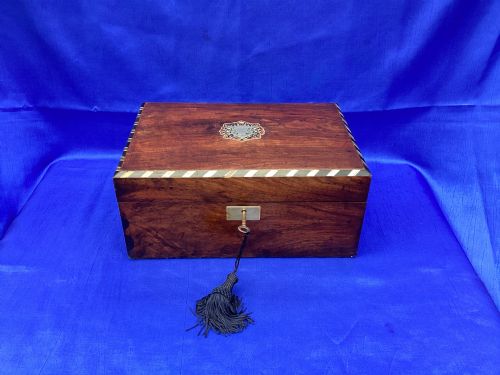
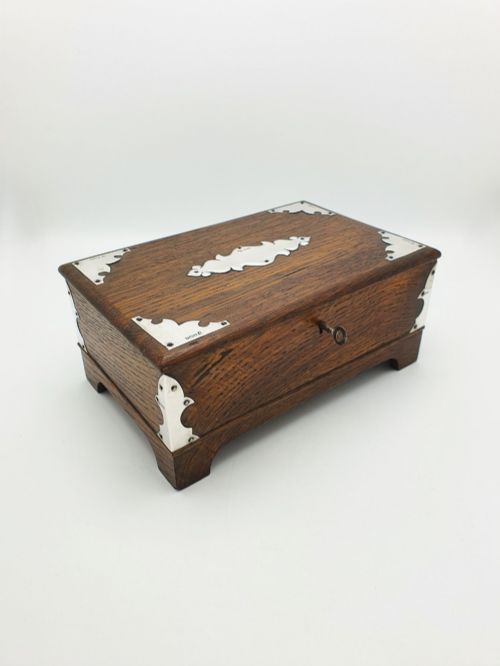
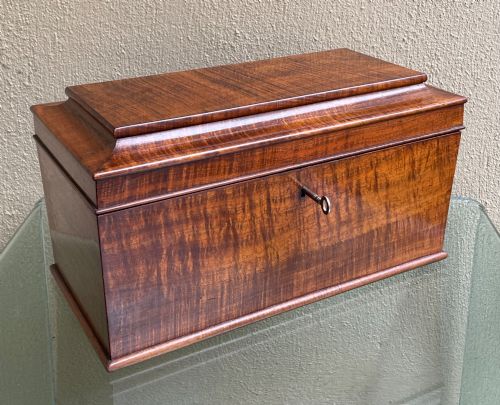
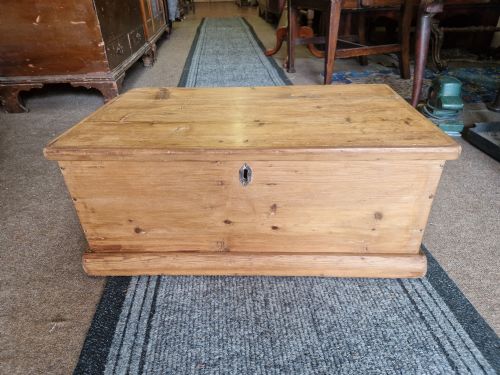
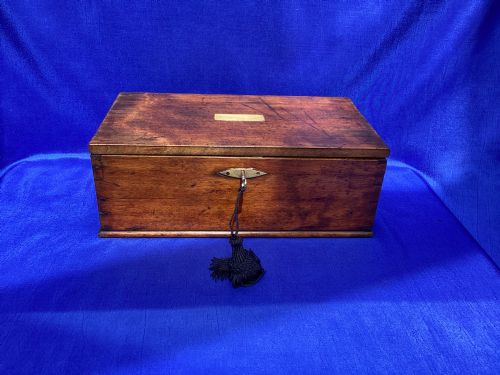
A wooden keepsake chest encompasses a wide variety of forms designed to hold valuables, documents, and personal items. On this page, a buyer will most frequently encounter nineteenth-century rosewood, mahogany, and pine pieces serving as jewellery boxes, tea caddies, and document boxes.
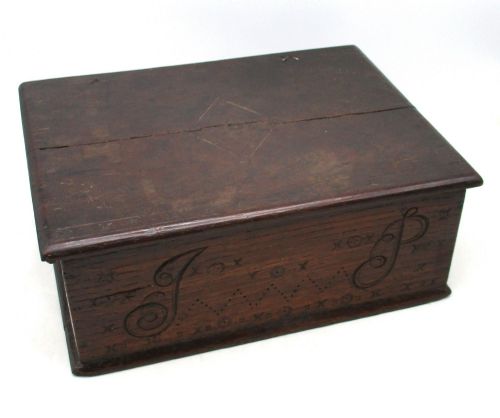
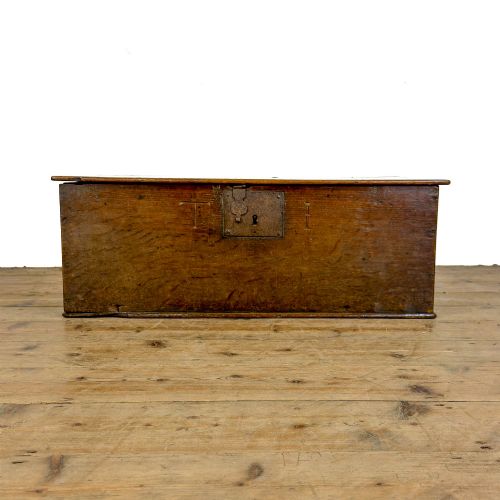
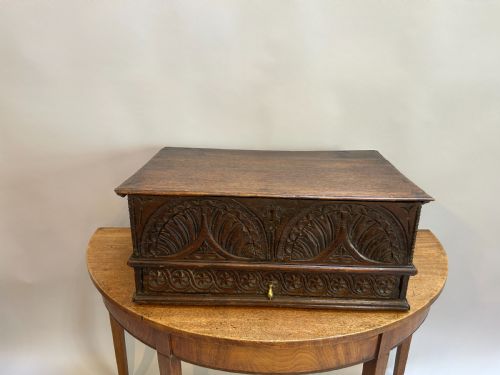
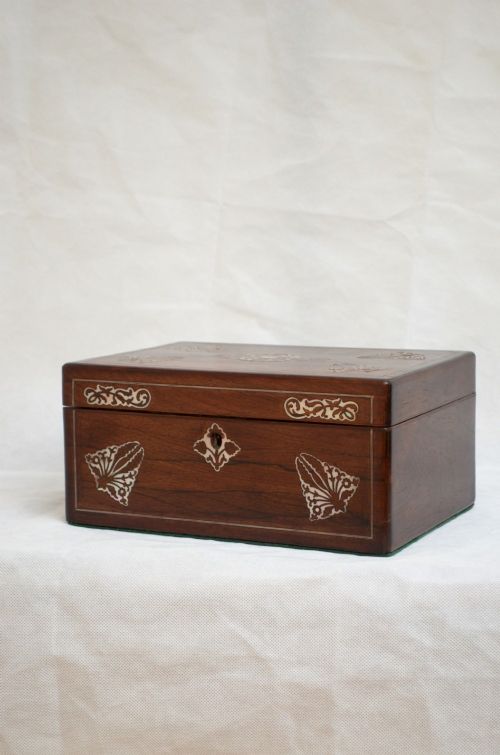
The selection ranges from early eighteenth-century oak bible boxes and Georgian document storage to Victorian rosewood caskets and Scandinavian painted folk art boxes. Each piece reflects the domestic storage needs and decorative tastes of its specific period.
Materials and Technique
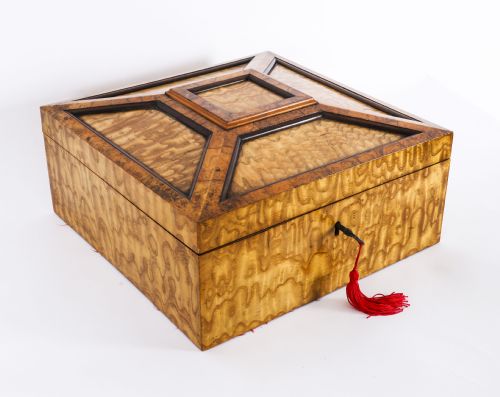
Cabinet makers utilised dense hardwoods such as mahogany, rosewood, oak, and walnut, often selecting figured timbers like burr maple and amboyna for decorative effect. Simpler utilitarian items were constructed from pine and painted with folk art designs.
Construction techniques included brass corner binding for travel durability, intricate mother of pearl and bone inlay, and specialised joints suitable for document and tea storage. Internal fittings often featured fitted trays and velvet or silk linings.
The listings feature diverse timber species including rosewood, mahogany, oak, pine, camphor wood, and burr walnut.
Judging Quality
Quality rests in the selection of timber grain, the precision of cabinet joinery, and the integrity of mounts and hardware. Pieces employing figured burr woods or delicate inlay require superior skill compared to plain utility boxes.
The presence of original fitted trays, working locks with keys, and undisturbed surface patination elevate a piece. Finer examples combine structural robustness with refined proportions and harmonious decorative details.
Holtzapffel and Co·Henry Hollamby
The Wooden Keepsake Chest Glossary
- Tea caddy
- A box designed for storing loose tea leaves, often featuring internal compartments or canisters. These containers were prized household objects during the Georgian and Victorian periods.
- Bible box
- A small sloping-lidded wooden chest historically used to store family bibles and important documents. Early examples frequently display carved oak surfaces.
- Document box
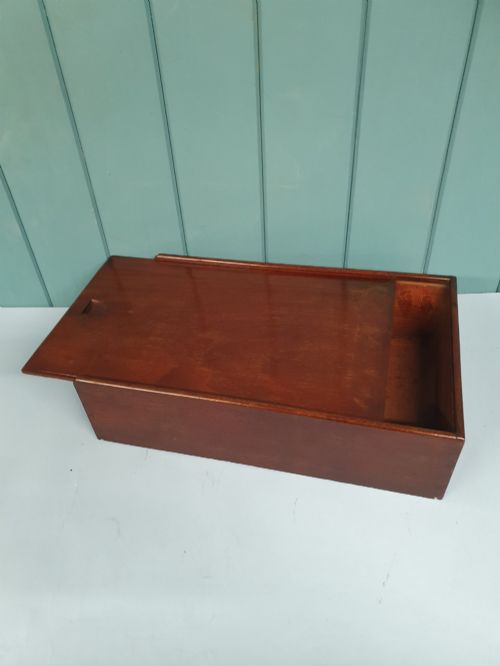
- A compact container built to hold deeds, letters, and legal papers securely. Many feature sliding lids or lockable compartments.
- Campaign box
- A portable storage chest designed for military officers on the move, typically constructed from sturdy timbers with flush brass fittings and recessed handles.
- Tramp art
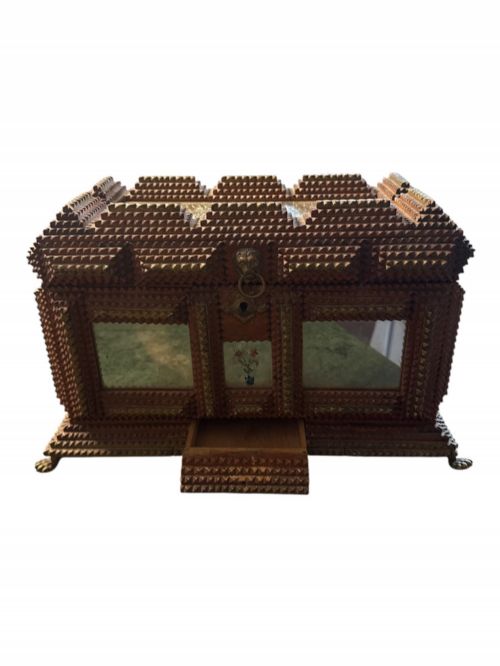
- Folk sculpture created by self-taught makers utilising notched and layered scrap wood from cigar boxes and packing crates. These items often feature intricate geometric chip carving.
Wooden Keepsake Chest: Frequently Asked Questions
What is a wooden keepsake chest used for?
These boxes traditionally served to store personal valuables, letters, jewellery, and small documents securely. Today they function practically for everyday organisation while displaying historical woodwork in the home.
Their compact scale allows them to sit neatly on dressing tables, desks, or shelves without dominating a room.
How do I date an antique wooden box?
Dating relies on identifying the timber species, construction methods, and hardware styles associated with specific periods. Georgian pieces often feature mahogany and simple dovetails, while Victorian examples frequently showcase burr veneers and brass mounts.
Examining internal linings and secondary woods provides further clues to the manufacturing decade.
What is Tunbridge ware?
Tunbridge ware refers to decorative wooden objects decorated with mosaic woodwork, creating pictorial designs from thousands of tiny tinted wood blocks. This specialised craft reached its height in Victorian England.
Boxes featuring this technique often display elaborate floral or architectural motifs on the lid.
Are these boxes suitable for daily use?
Most antique boxes remain robust enough for gentle everyday use, particularly sturdier hardwood and campaign pieces. Owners should simply protect delicate finishes from excessive moisture and direct sunlight.
Fitted interiors make them ideal for holding modern jewellery and trinkets.