





Wooden Icon Art
Wooden icon art brings centuries of devotion into the home, offering painted panels and carved figures that carry deep spiritual history.
Wooden Icon Art
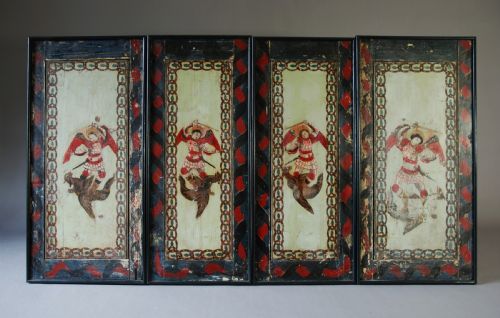
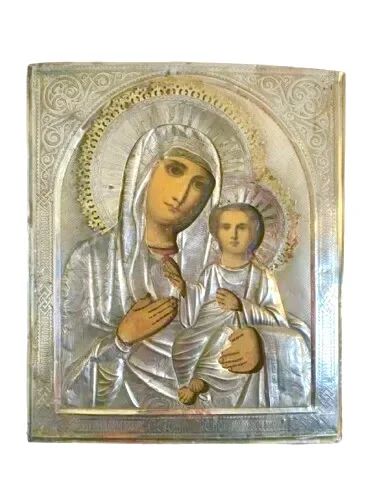
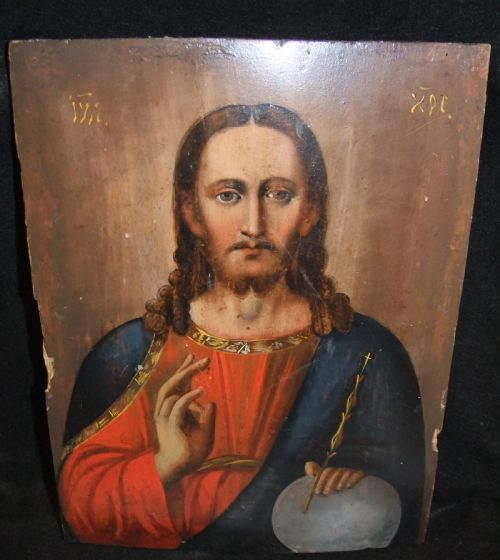
Wooden icon art encompasses sacred sculptures, painted panels, and home altars created across various European and Asian traditions. When exploring wooden icon art, buyers encounter everything from modest folk carvings to intricate Russian Orthodox panels depicting saints and biblical scenes.
The selection ranges from seventeenth-century applewood figures to nineteenth-century Russian icons and twentieth-century devotional pieces. These objects served domestic prayer and communal worship before finding a place in modern interiors.
Most pieces on offer date from the eighteenth and nineteenth centuries, reflecting enduring traditions of religious craftsmanship. Forms span wall art, freestanding sculptures, and shadowboxes designed to hold sacred imagery.
How they were made
Maker's workshops relied on seasoned hardwoods like pine and applewood as the primary substrate for carving and painting. Artisans applied gesso to wooden panels to create a smooth, stable ground before laying down tempera, oil paint, or gold leaf.
Polychrome paint and gilt finishes brought depth and luminosity to religious figures, enhancing the devotional impact of each piece. Carvers used hand chisels and gouges to shape devotional sculptures from solid timber with considerable precision.
Wooden Icon Art Retail Price Guide 2026
Typical asking prices for wooden icon art among the pieces listed under this phrase on Sellingantiques today, from the lower quarter to the upper quarter. They describe what is for sale here now, not the wider market.
Listings feature wood, gold leaf, tempera, and gesso across forms including religious icons, home altars, and freestanding sculptures.
What varies in quality
Quality rests in the expressive power of the carving and the preservation of original painted surfaces. Finer works display confident brushwork and skilled anatomy, whereas folk pieces often lean towards naive charm.
The survival of original gesso, gold leaf, and polychrome pigment dictates the visual integrity of an icon or devotional carving. Superior examples retain their original structural timber without extensive modern intervention.
Volga Masters Circle
The Wooden Icon Art Glossary
- Tempera
- A permanent, fast-drying painting medium consisting of coloured pigment mixed with a water-soluble binder, commonly egg yolk. It was widely used on wooden icon panels.
- Gesso
- A paint mixture consisting of a neutral binder mixed with chalk, gypsum, or pigment. Artisans applied it to wood panels to prepare a surface for gilding and painting.
- Polychrome
- The practice of decorating architectural elements, sculpture, or pottery in a variety of colours. Many wooden figures and altars utilise painted surfaces.
- Gilt
- Covered thinly with gold leaf or gold paint. This technique illuminated sacred figures and backgrounds in religious art.
- Shadowbox
- A glass-fronted display case enclosing an object or objects hung on a wall. These protected delicate devotional objects and home altars.
Wooden Icon Art: Frequently Asked Questions
How do I care for wooden icon art?
Keep wooden devotional pieces away from direct sunlight and fluctuating radiator heat to prevent the wood from splitting. Maintain a stable indoor humidity level to protect delicate gesso and tempera layers.
Dust the surface gently with a dry, soft brush rather than using wet cloths or chemical cleaners. Handle freestanding sculptures by their solid wooden bases rather than projecting fingers or delicate halos.
Where were these devotional items displayed?
Many icons and small altars occupied a designated corner of a home for daily domestic prayer. Larger carvings stood in chapels or served as central focal points in family living spaces.
Portable panels travelled with families or served as protective household shrines. Wall-mounted shadowboxes kept sacred imagery secure within domestic interiors.
How can I tell periods apart?
Early pieces from the seventeenth and eighteenth centuries often exhibit heavier tool marks and distinct regional carving styles, such as Spanish Baroque or folk interpretations. Nineteenth-century works frequently show standardised Russian Orthodox iconography or refined regional finishing.
Examine the back of the wood panel or sculpture for tool evidence and timber ageing. Pigment analysis and the composition of the gesso ground also help distinguish earlier devotional art from later revivals.
What is a home altar?
A home altar is a small, dedicated space or structure set up for domestic religious practice. They often incorporate painted panels, carved figures, and protective shadowboxes.
These portable or wall-mounted shrines allowed individuals to conduct private worship outside of formal church buildings. They combined sculpture and painting into a singular devotional focus.