

Wooden Horse on Stand
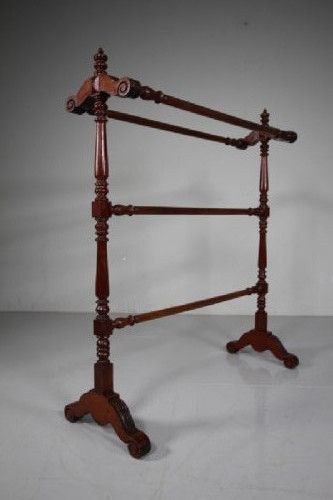
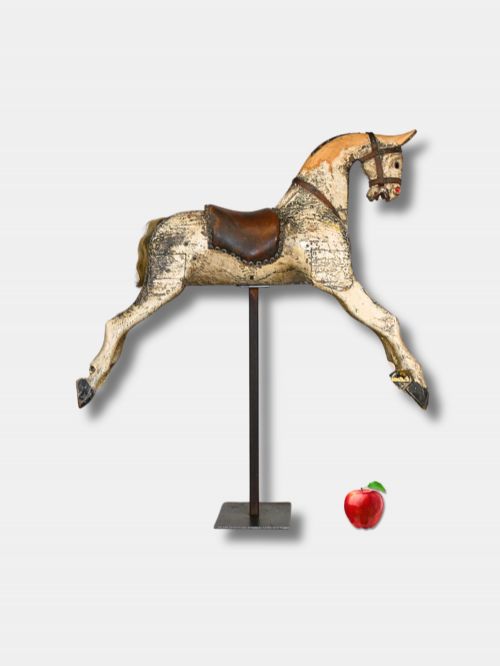
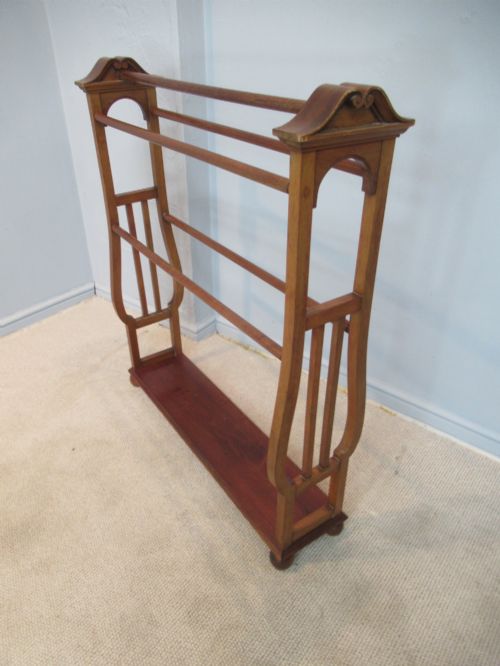
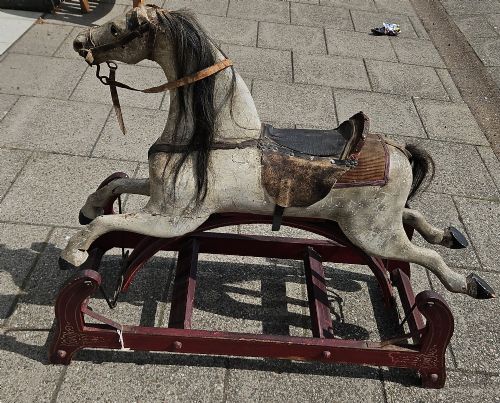
When you search for a wooden horse on stand, you find carved animals and towel rails that bring traditional craftsmanship into a room.
Wooden Horse on Stand
A wooden horse on stand typically encompasses carved rocking horses mounted on safety stands or rocking bows, alongside functional household frames like towel rails and clothes horses. These pieces span the nineteenth century through the interwar period, reflecting both utilitarian domestic items and children's toys.
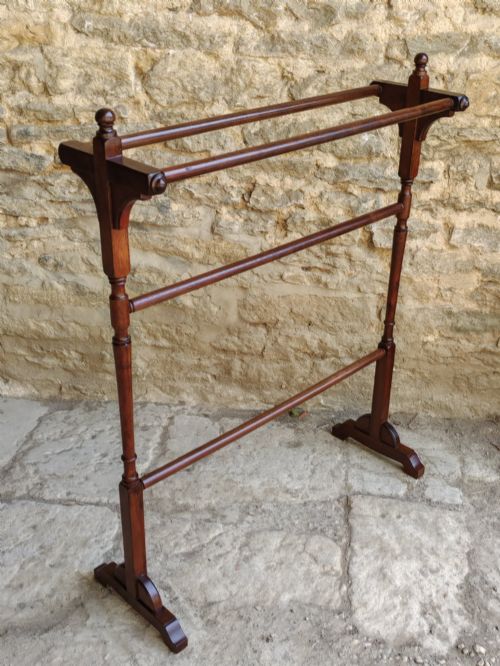
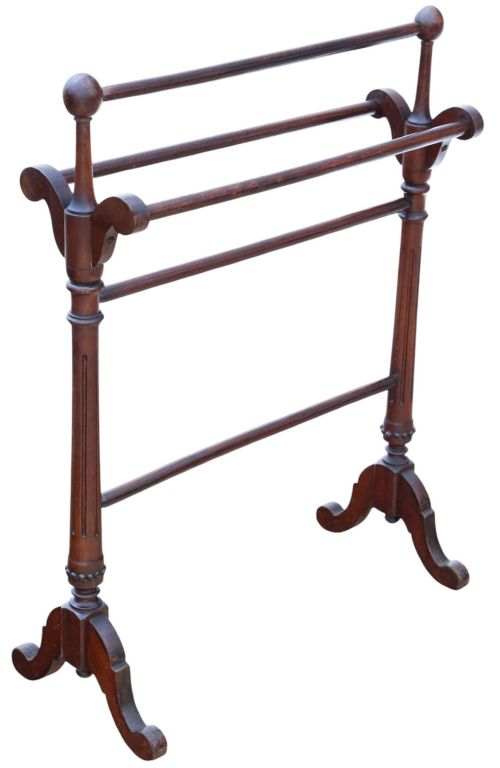
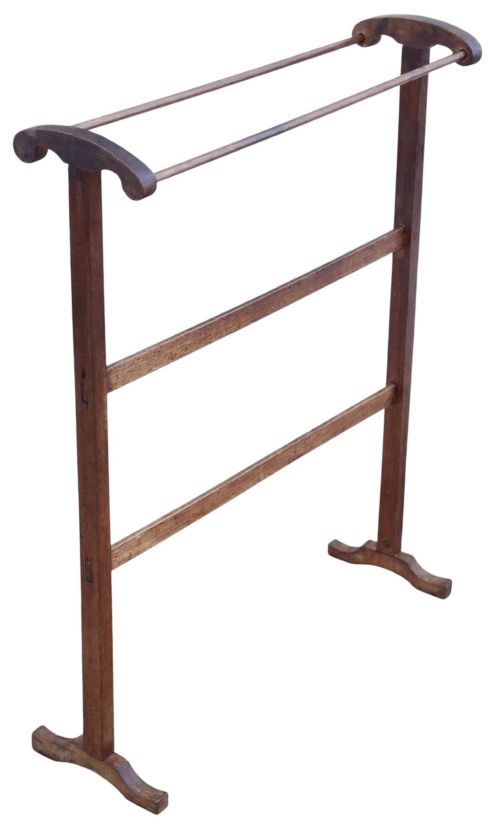
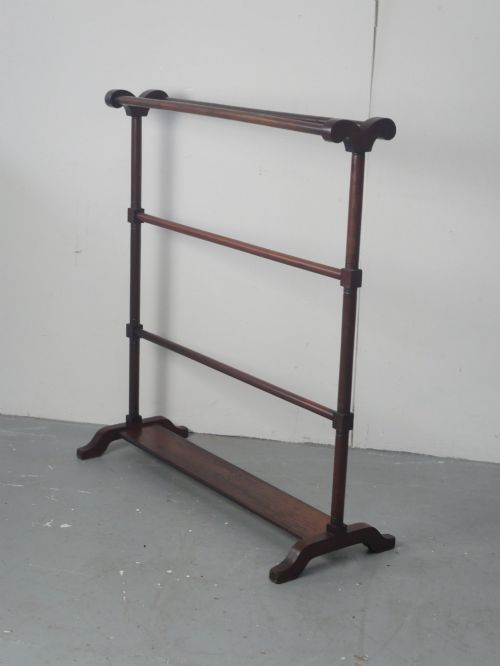
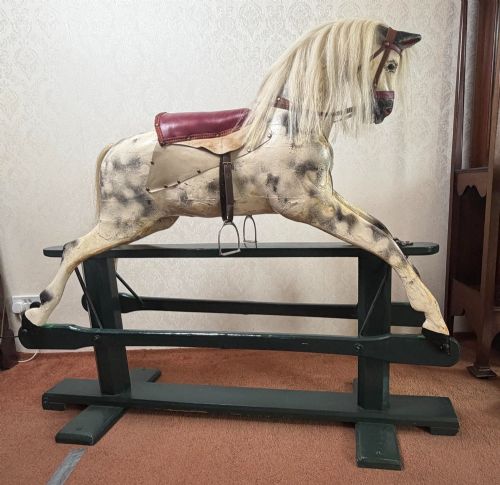
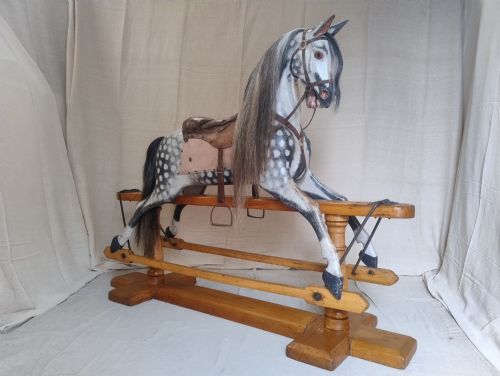
The selections on this page lean heavily toward nineteenth-century and Edwardian mahogany towel rails, alongside substantial carved rocking horses from makers like F.H. Ayres and G.J. Lines. Buyers encounter everything from compact pine clothes stands to large decorative sculptures and folding rails.
Originating from British workshops and country houses, these objects demonstrate how everyday furniture and playroom items received careful attention to detail. The survival of original paint, leather tack, and horsehair mane adds historical depth to each piece found here.
Materials and construction methods
Makers utilised solid timbers such as mahogany, oak, walnut, and pine for structural frames and carved animal bodies. Joinery relied on traditional techniques like mortise and tenon joints to withstand the physical demands placed on towel rails and rocking horses alike.
Surface finishes included hand-applied polish, ebonising, and traditional oil-based paints that often survive in original condition. Details like brass fittings, iron brackets, and genuine horsehair manes completed the construction of the animal figures.
The inventory combines functional towel rails with carved wooden rocking horses.
Factors determining quality
The distinction between ordinary utility items and superior pieces rests on the choice of timber and the sophistication of the carving. Heavier woods like mahogany and walnut, combined with detailed craftsmanship on the horse heads or rail turnings, separate standard furniture from finer examples.
The survival of original surfaces, such as early paint layers and leather tack on rocking horses, elevates a piece considerably. Proportion and scale also dictate quality, with larger oversized rails and substantial rocking horses demonstrating greater ambition from the maker.
F.H.Ayres·Collinson·Lines Bros Sportiboy
The Wooden Horse on Stand Glossary
- Safety stand
- A rigid wooden base that holds a rocking horse steady without traditional floor rocking bows, popular in the twentieth century. This design allowed the horse to move realistically while remaining anchored in place.
- Horsehair
- Natural hair harvested from the mane and tail of horses, utilised for stuffing and manes on antique rocking horses. It provides an authentic texture that synthetic alternatives cannot replicate.
- Towel rail
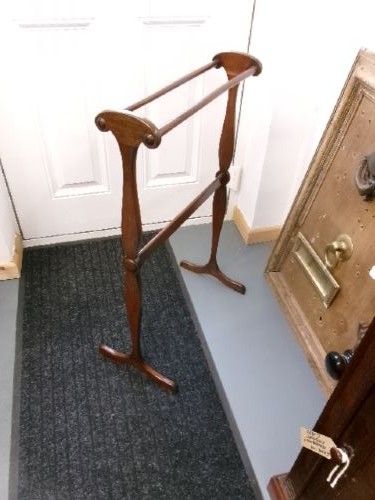
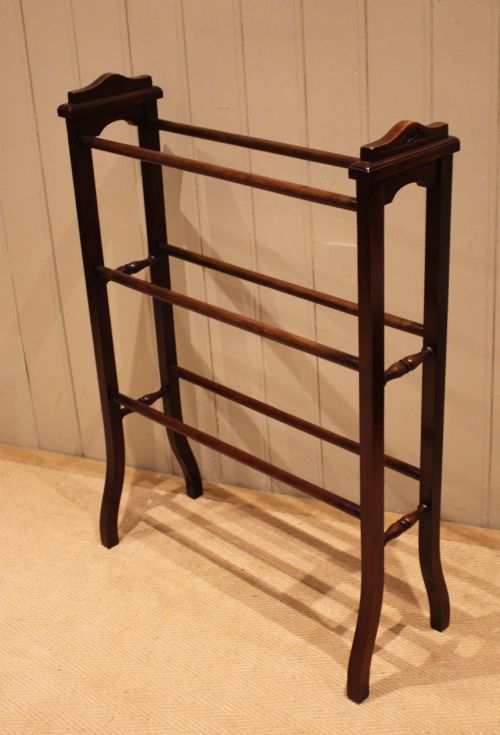
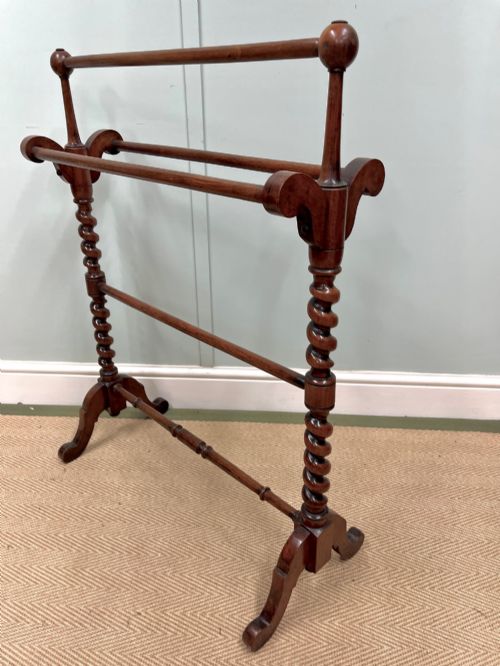
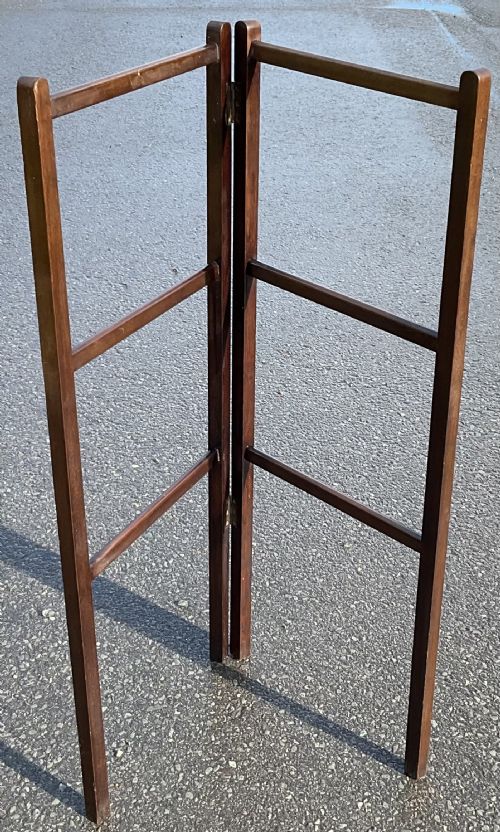
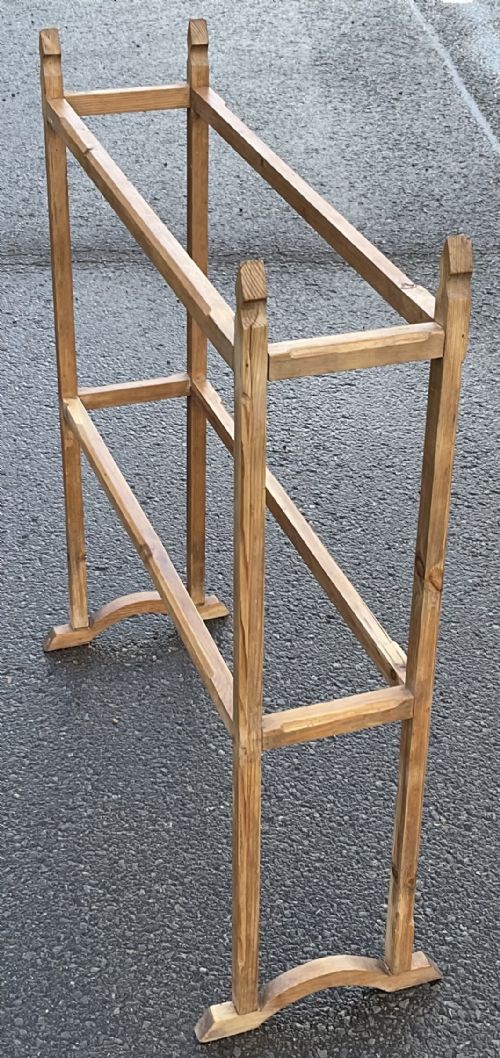
- A freestanding wooden frame designed for drying or displaying household linens. These range from simple pine examples to inlaid mahogany pieces with multiple rails.
- Ebonising
- A wood finishing process that darkens timber to imitate ebony. This technique appeared frequently on nineteenth-century stands and furniture.
- Dappled
- A painted finish mimicking the mottled coat pattern of grey horses. Makers applied this painstakingly by hand using distinct brush techniques.
Wooden Horse on Stand: Frequently Asked Questions
How do I date a wooden rocking horse?
Dating relies on examining the construction methods, the shape of the carved head, and the materials used for tack and mane. Earlier examples often feature more slender, carved bodies with real horsehair, while later models transitioned to safety stands and different manufacturing techniques.
Paint layers and overall wear also offer vital clues. Original dappled finishes or early paint schemes help narrow down the decade of production.
Are towel rails sturdy enough for daily use?
Most antique towel rails remain structurally robust due to their original mortise and tenon joinery. Solid hardwoods like mahogany and oak provide enough strength to hold household linens without issue.
Gentle handling ensures the older timber and joints are preserved. Checking the stability of the feet and rails helps determine their suitability for everyday placement.
What is the difference between a rocking horse and a clothes horse?
A rocking horse is a carved toy designed for children, mounted either on curved bows or a stationary stand. A clothes horse, or towel rail, is a folding or standing frame used in domestic spaces for airing laundry.
While both share wooden construction and sometimes overlap in search terms, their original domestic functions remain entirely distinct. One belongs in the nursery, the other in the bedroom or utility room.
How should I care for antique wooden furniture?
Maintaining these pieces involves keeping them away from direct heat sources and drastic humidity changes to prevent wood splitting. Regular dusting with a soft, dry cloth preserves the polished surface without building up residue.
Avoiding harsh chemical cleaners protects the original patina and any surviving early paint. Occasional waxing with a traditional beeswax formula keeps hardwood nourished.