
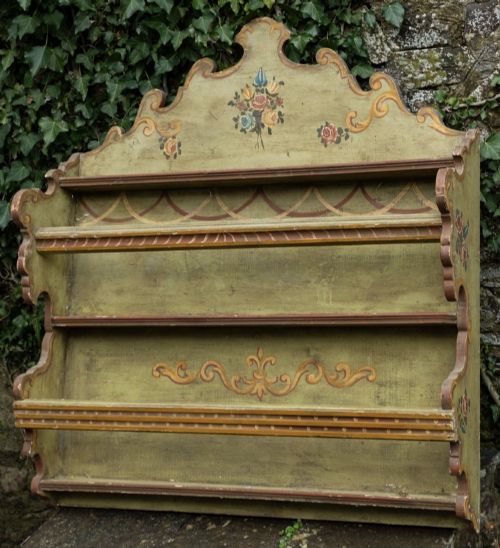
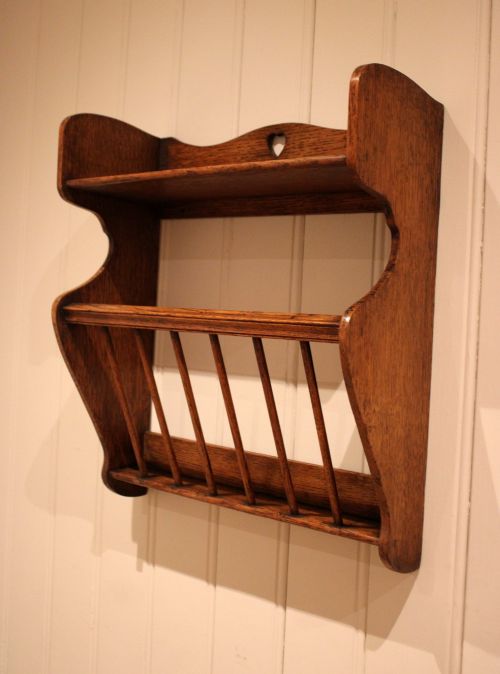


Wooden Hanging Unit
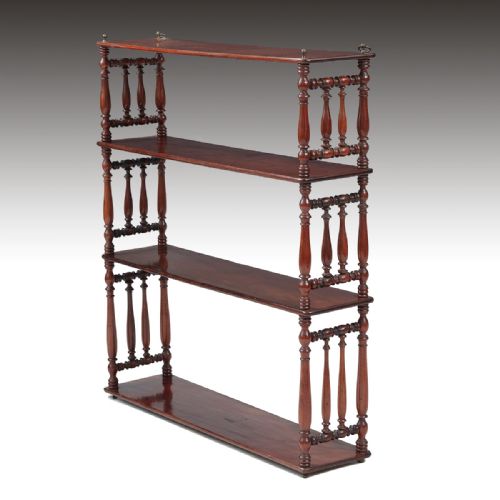
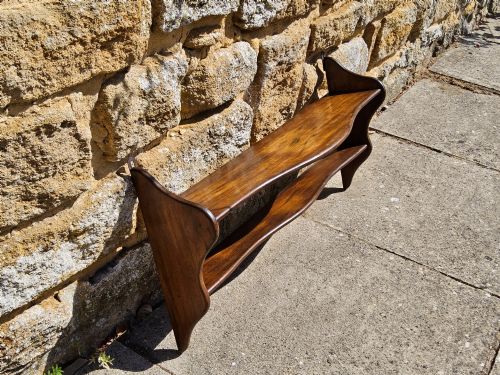
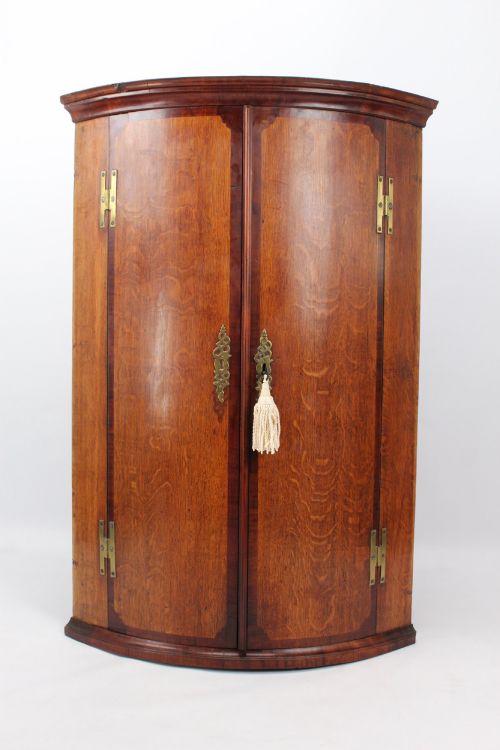
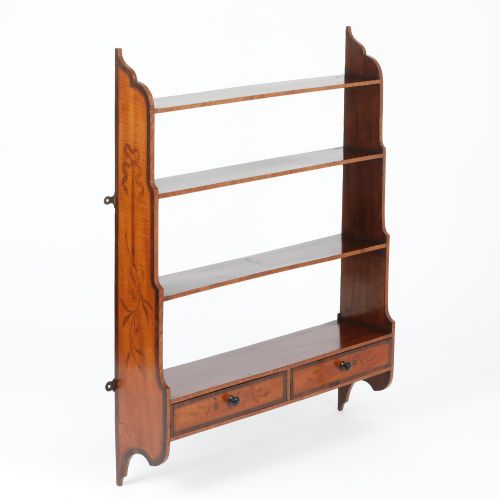
These wooden hanging unit designs range from corner cupboards to open shelves, built to save floor space and organise rooms.
Wooden Hanging Unit
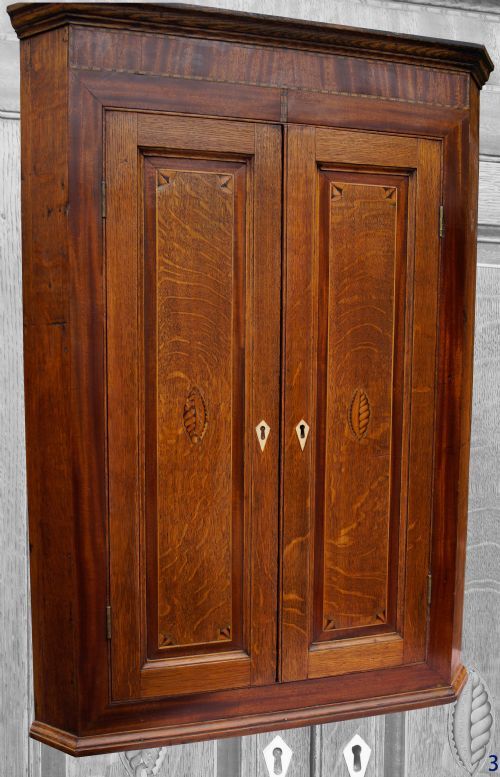
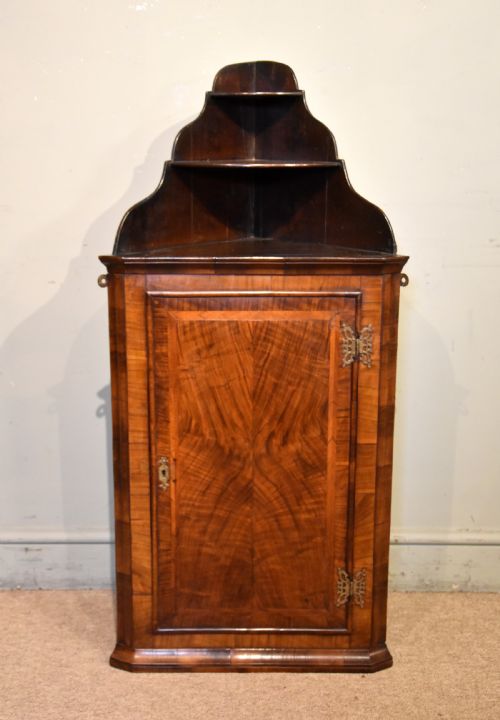
A wooden hanging unit serves to utilise wall space for storage and display across domestic spaces. Buyers searching for a wooden hanging unit encounter various forms, most commonly corner cupboards, wall shelves, and hanging cabinets.
The evidence shows these pieces spanning the Georgian, Victorian, Regency, Edwardian, and Arts and Crafts periods. Oak and mahogany dominate the examples, alongside walnut, satinwood, pine, and painted wood.
Corner cupboards and open shelves form the majority of the selection. Pieces originate from different eras, including the eighteenth and nineteenth centuries, offering practical wall mounting.
How they were made
Cabinet makers constructed these wall fixtures primarily in timber such as oak, mahogany, and walnut. Workshops utilised brass for hinges and fixings, while glass appears in cabinet doors.
Surface treatments range from polished mahogany and red walnut to painted finishes and inlaid satinwood. Construction techniques involve fitted shelving, corner joinery, and wall hanging brackets.
Listings include oak, mahogany, walnut, satinwood, pine, cherry wood, and olive wood across Georgian, Victorian, Regency, and Arts and Crafts styles.
What varies in quality
The choice of timber and grain figure influences the character of each piece. Finer examples display figured mahogany, burl walnut, or detailed inlay work.
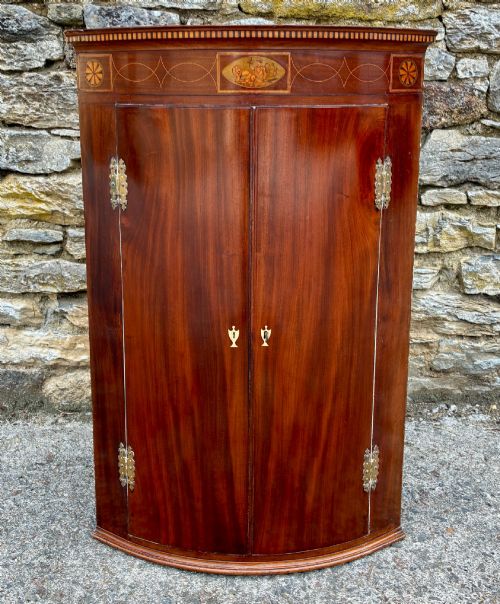
Construction detail separates standard utilitarian items from finer decorative pieces. Superior items feature architectural elements like broken arch pediments, bow fronts, and hand painted decoration.
The Wooden Hanging Unit Glossary
- Bow front
- A convex curved cabinet or cupboard front. This shape appears frequently on eighteenth and nineteenth-century corner cupboards.
- Pediment
- A decorative crowning feature above a cabinet. Examples include broken arch designs on Georgian corner cupboards.
- Inlay
- Contrasting timber or material set into the surface of a piece. Satinwood and other woods are used for decorative banding.
- Hanging shelves
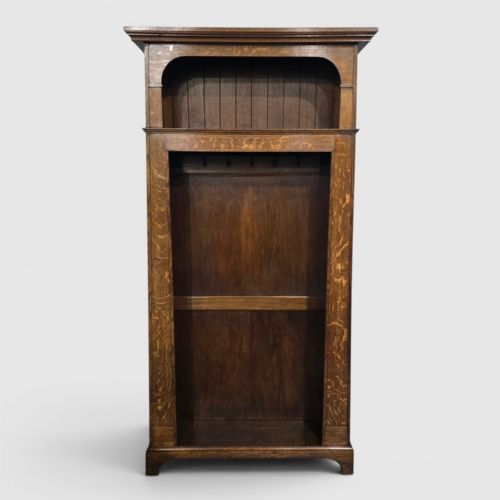
- Open wall-mounted tiers for books or display. These units save floor space in smaller rooms.
- Corner cupboard
- A cabinet designed to fit into the corner of a room. Many feature panelled doors and interior shelving.
Wooden Hanging Unit: Frequently Asked Questions
How do I hang a heavy wooden wall cabinet?
Wall cabinets require secure fixings into solid masonry or direct attachment to wall studs. Due to the weight of timber and contents, professional installation ensures safe support.
Check the existing hanging brackets on the back of the cabinet before mounting. Ensure the chosen fixings match the wall type in your room.
Are corner cupboards suitable for modern rooms?
Corner cupboards utilise neglected room corners for storage and display. They fit well in dining rooms, hallways, or kitchens.
Older oak and mahogany versions add traditional character to contemporary spaces. They keep surfaces clear by lifting storage off the floor.
What is the difference between wall shelves and wall cabinets?
Wall shelves provide open storage for books and decorative objects. Wall cabinets feature doors, sometimes glazed, to enclose the contents.
Cabinets protect items from dust, whereas shelves offer immediate access. Both styles mount directly to walls to save floor space.
How do I care for antique mahogany wall shelves?
Dust timber surfaces regularly with a soft, dry cloth. Avoid placing wooden items in direct sunlight or near heat sources to prevent warping.
Apply a suitable wax polish occasionally to nourish the wood. Check wall fixings periodically to ensure stability.