


Wooden Hanging Cupboard
A wooden hanging cupboard provides compact wall storage, and these pieces bring period character and timber grain directly to your walls.
Wooden Hanging Cupboard
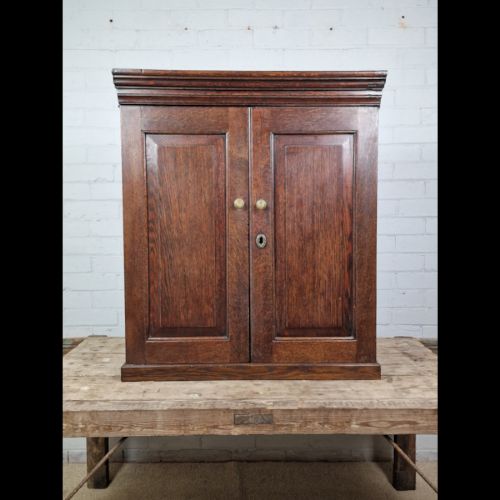
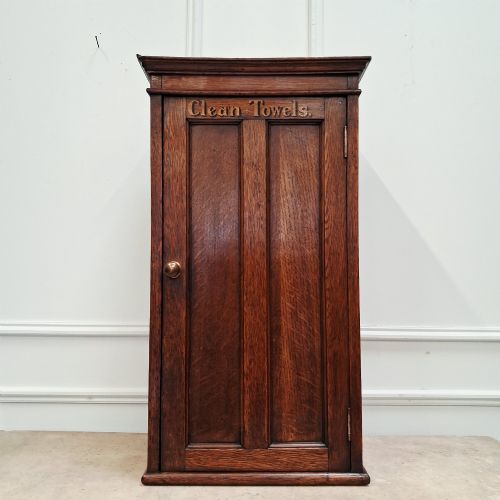
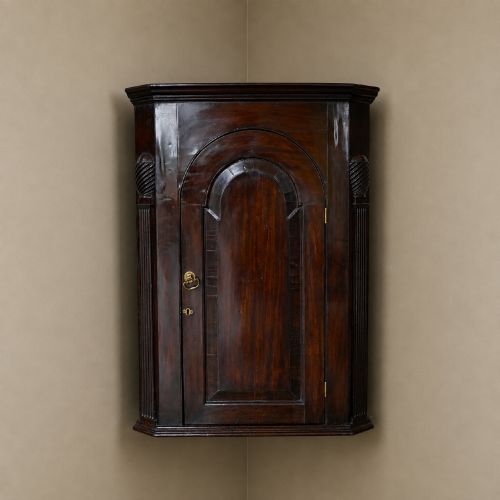
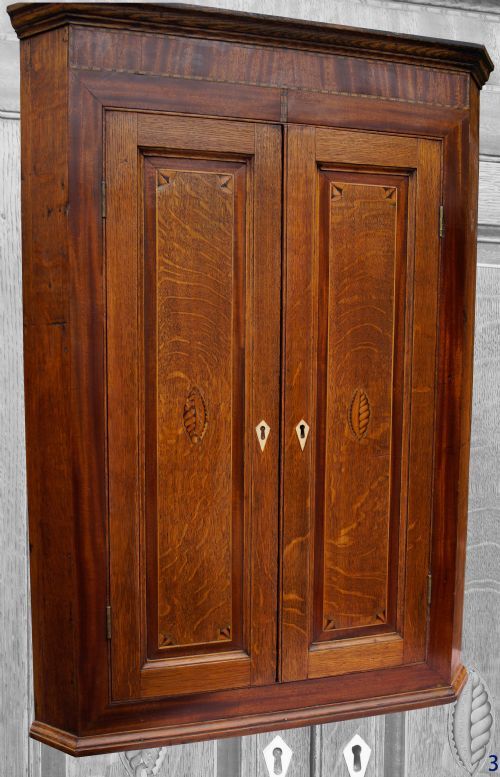
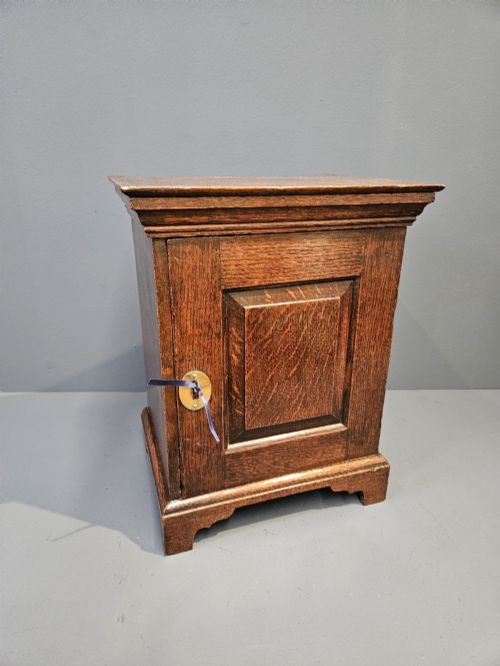
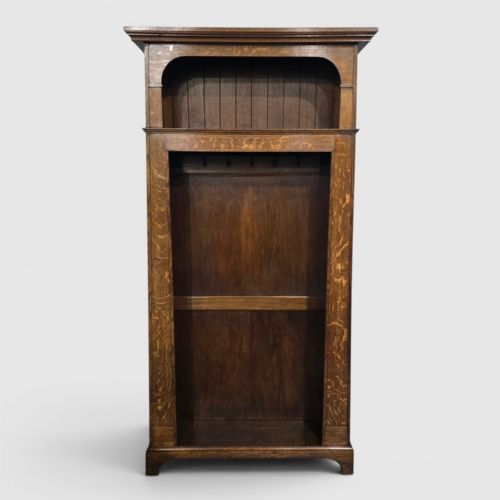
A wooden hanging cupboard is a wall-mounted storage piece designed to hold spices, small valuables, or corner items out of the way on domestic walls. When you search for a wooden hanging cupboard, you encounter various wall cabinets, corner cupboards, and spice cupboards spanning the eighteenth, nineteenth, and early twentieth centuries.
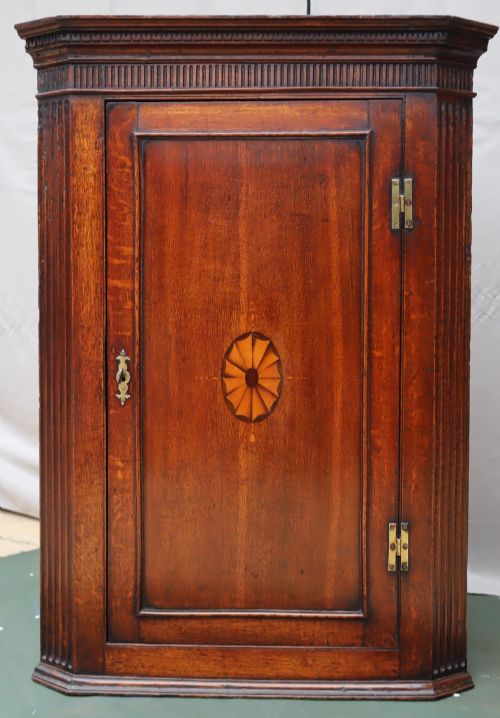
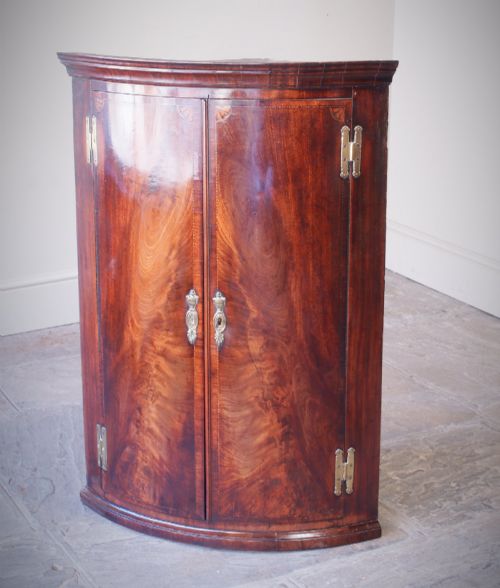
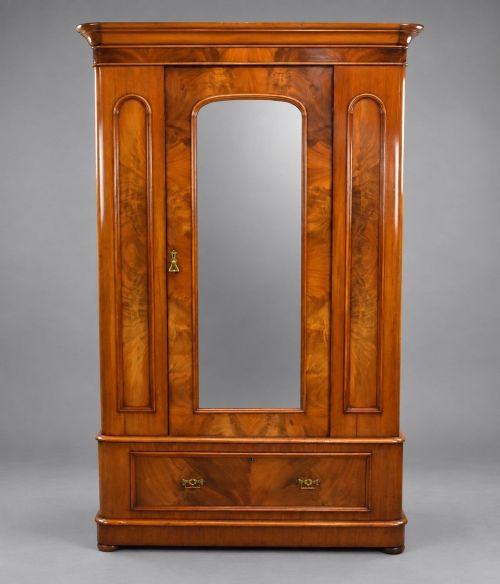
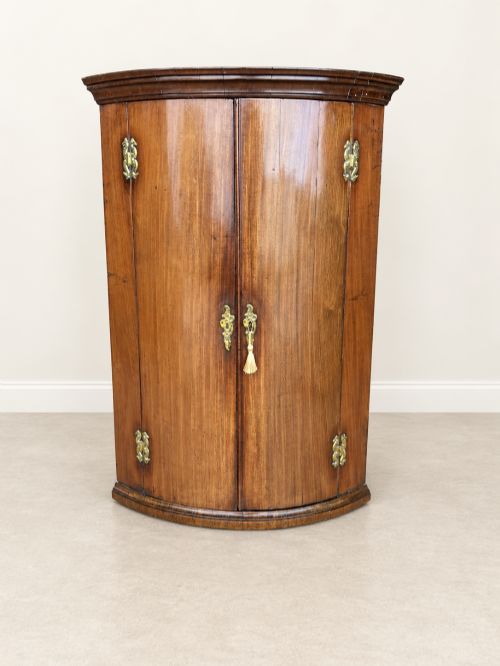
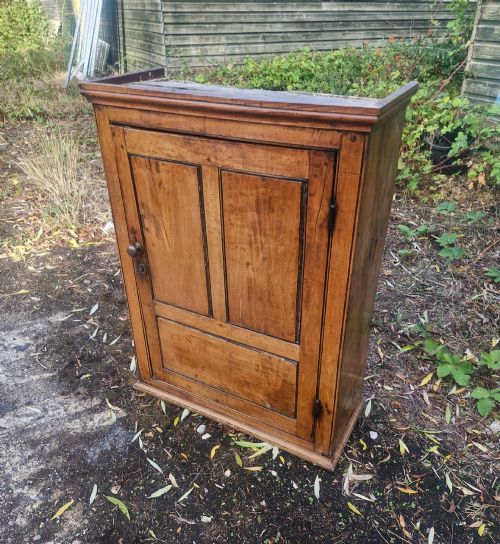
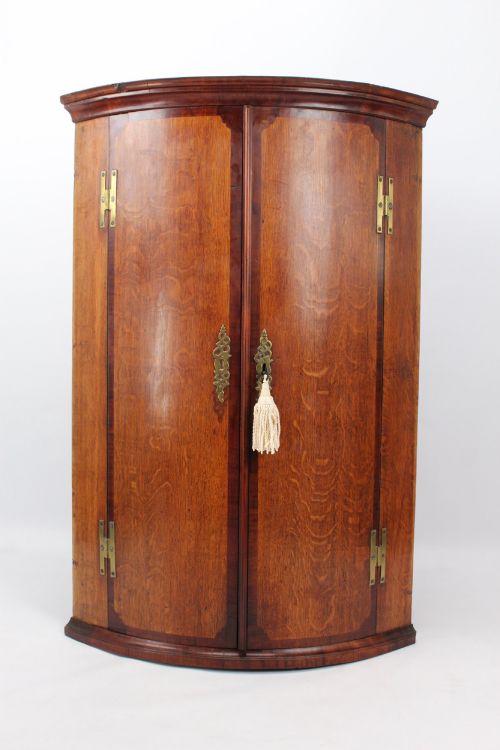
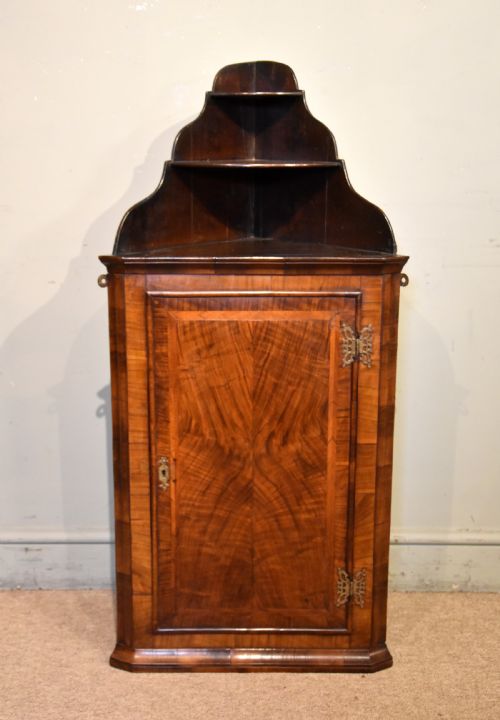
The most common examples on this page are oak and mahogany corner cupboards from the Georgian era, alongside nineteenth-century pine and walnut wall cabinets. These pieces range from simple utilitarian spice boxes to bow-fronted display cabinets with inlaid satinwood and glazed doors.
Origins stretch across English regional workshops, French armoires, Swedish painted pieces, and Italian walnut shelves, showing how different households solved storage problems. Many incorporate specialised forms such as key cabinets, smokers' cabinets, and wall shelves alongside standard wall cupboards.
How they were made
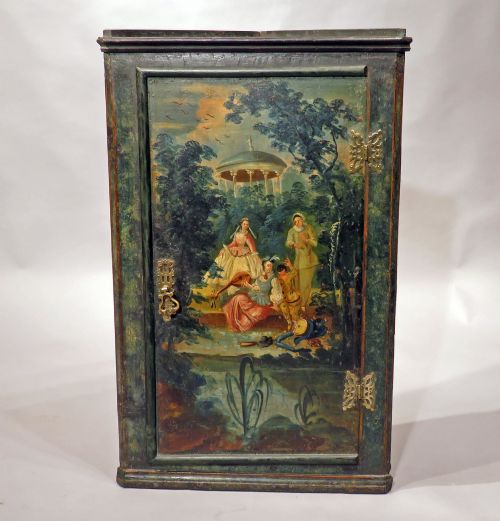
Cabinetmakers built these wall units primarily from solid timbers like oak, mahogany, walnut, and pine, often incorporating secondary woods for internal shelves. Panels were frequently carved, painted, or inlaid with satinwood and other contrasting veneers to create decorative surface patterns.
Construction relied on traditional joinery methods suited to weight-bearing wall furniture, with brass hinges and key escutcheons securing doors and compartments. Glass panes appeared in glazed display doors, while iron hardware reinforced structural corners on heavier wardrobes and cabinets.
Wall storage forms include spice cupboards, corner cabinets, display shelves, and compact hall wardrobes.
What varies in quality
Quality in a wooden hanging cupboard rests largely on the choice of timber and the precision of surface decoration, such as fine inlay or carved oak details. Finer examples display carefully matched wood grains on bow-front doors and intact original painted interiors.
Construction methods also separate standard utility boxes from more ambitious pieces, visible in the handling of cornices, such as broken arch pediments, and specialised hardware like original brass escutcheons.
Arthur Simpson·H. Upmann
The Wooden Hanging Cupboard Glossary
- Bow front
- A convex curved cabinet front that projects outward from the corners. This shape was particularly popular on Georgian mahogany corner cupboards.
- Pediment
- A decorative architectural crown above the upper cornice of a cabinet. Examples include broken arch designs on formal wall units.
- Escutcheon
- A protective plate surrounding a keyhole, usually made of brass. It secures the wood around the lock and adds a decorative metallic accent.
- Inlay
- A technique where contrasting woods or satinwood are inserted into the primary timber surface to form decorative patterns.
- Spice cupboard
- A small wall-mounted cabinet fitted with internal drawers designed for culinary ingredients. These often date to the eighteenth century in oak.
Wooden Hanging Cupboard: Frequently Asked Questions
Where should I hang a wooden cupboard?
These wall-mounted cabinets suit spaces where floor area is limited, such as above kitchen counters, in hallways, or tucked into room corners.
Ensure the wall fixings match the weight of the timber and the internal contents to support the piece securely.
How do I identify a Georgian corner cupboard?
Georgian corner cupboards usually feature mahogany or oak construction, often with bow fronts, brass hardware, and formal cornices.
They were specifically designed to fit flush into room angles, making efficient use of otherwise wasted domestic space.
What were spice cupboards used for?
Early spice cupboards provided secure storage for expensive culinary ingredients, small valuables, and medical recipes in eighteenth-century homes.
They typically feature a single panelled door opening to reveal an arrangement of small internal drawers.
How do Arts and Crafts wall cabinets differ?
Arts and Crafts wall cabinets emphasise plain timber grains, honest construction, and handcrafted details such as pokerwork or exposed iron hinges.
They tend to avoid excessive applied ornament in favour of simple structural forms.