





Wooden Handle Jug
These wooden handle jug examples are practical vessels for pouring hot liquids, blending metal bodies with tactile wooden grips.
Wooden Handle Jug
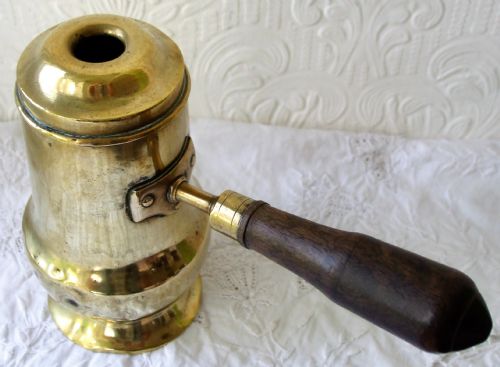
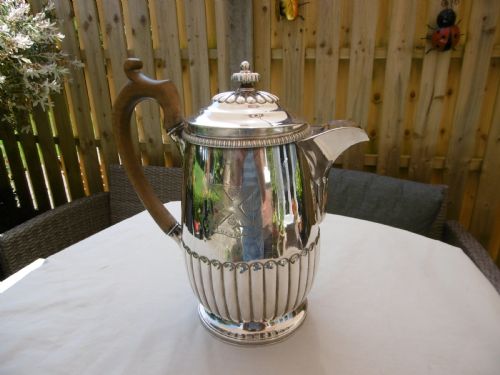
When you search for a wooden handle jug, you encounter metal serving vessels designed for coffee, tea, water, or chocolate. These pieces span Georgian, Victorian, and 20th-century periods, showing forms such as coffee pots, ewers, and hot water pots.
The version you are most likely to meet on this page is a Georgian or 18th-century Old Sheffield plated coffee pot, alongside silver and brass examples. They combine metallic bodies with insulating handles shaped from hardwood.
These items originate from British and European workshops, reflecting domestic dining tables and formal tea service traditions across multiple centuries.
How they were made
Silversmiths and metalworkers shaped bodies from sterling silver, Old Sheffield plate, copper, brass, and silver plate, often utilising hammering and casting techniques to achieve formal profiles.
Makers fitted these metal bodies with turned wooden handles, using wood to insulate the hand from hot contents during service. Handles were secured with sockets, pins, or insulating spacers.
Detailed engraving, crests, and neoclassical or rococo revival styling frequently embellish the metal surfaces, alongside early maker marks and assay stamps.
Wooden Handle Jug Retail Price Guide 2026
Typical asking prices for wooden handle jug among the pieces listed under this phrase on Sellingantiques today, from the lower quarter to the upper quarter. They describe what is for sale here now, not the wider market.
Object forms recorded in the inventory include coffee pots, ewers, water jugs, and complete tea and coffee sets.
What varies in quality
The standard of a wooden handle jug rests on the integrity of its construction and the crispness of its metalwork. Substantial gauge metal and clean solder joints separate superior examples from simpler production.
The execution of the wooden handle itself distinguishes better pieces, noting the grain, the quality of the turning, and how securely it joins the metal body. Crisp engraving, legible hallmarks, and well-preserved plating further elevate a piece.
Matthew Boulton·John Hoyland·John Scofield
The Wooden Handle Jug Glossary
- Old Sheffield plate
- A composite material formed by fusing a thin sheet of sterling silver onto a thicker copper base, common in 18th and 19th-century tableware. This technique produced durable serving vessels before electroplating was invented.
- Ewer
- A large jug with a flared spout and a decorative handle, traditionally used for holding water or wine. In these listings, ewers appear in silver from the Georgian period.
- Hallmark
- A series of official stamps applied to precious metals to guarantee purity, origin, and year of manufacture. British silver items frequently display assay office marks and maker initials.
- Crest
- An engraved or applied heraldic device representing a family lineage. Many silver and plated vessels feature crests added by the original owners.
Wooden Handle Jug: Frequently Asked Questions
What were wooden handle jugs used for?
These vessels served hot beverages like coffee, tea, and chocolate at the dining table. The insulating wooden handle allowed users to pour boiling liquids safely without burning their hands.
Over time, they evolved from practical kitchenware into status symbols displayed during formal hosting and domestic hospitality.
How do I identify a Georgian period pot?
Georgian pieces typically exhibit classical proportions, neoclassical or plain styling, and heavy metal gauges. They often feature hallmarks or specific maker marks characteristic of 18th and early 19th-century British silversmithing.
Examine the construction of the handle sockets and the profile of the body, which align with the design aesthetics of the Georgian era.
How do I care for a metal and wood piece?
Keep metal surfaces clean using appropriate polishes designed for silver or brass, avoiding harsh abrasives that could wear down plating or engravings. Protect the wooden handle by keeping it dry and conditioned with natural oils.
Store these vessels in stable humidity environments to prevent the wood from shrinking or cracking away from the metal mounts.