

Wooden Hallway Console
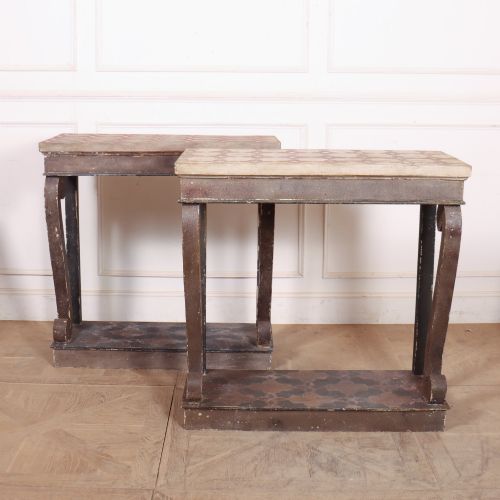
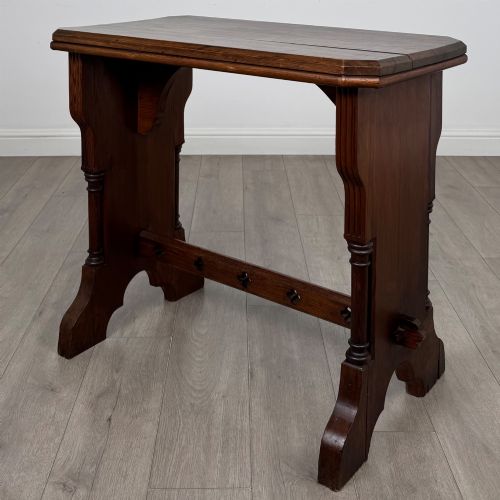
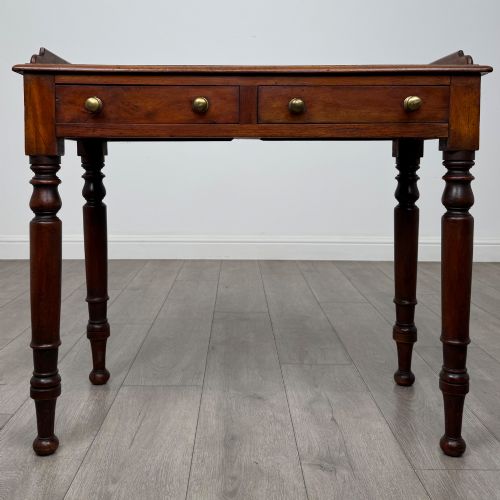
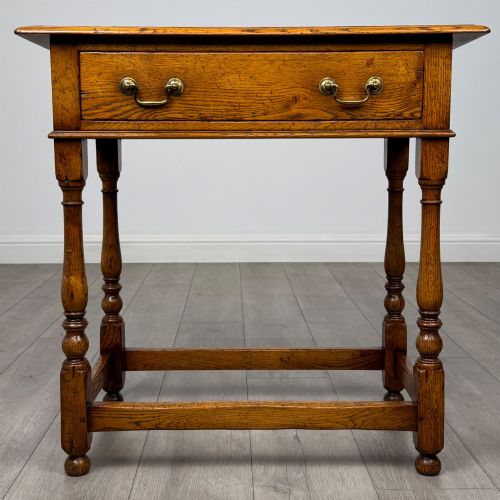
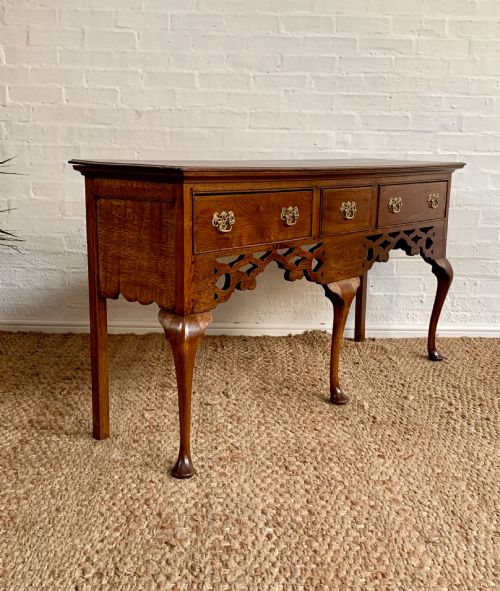
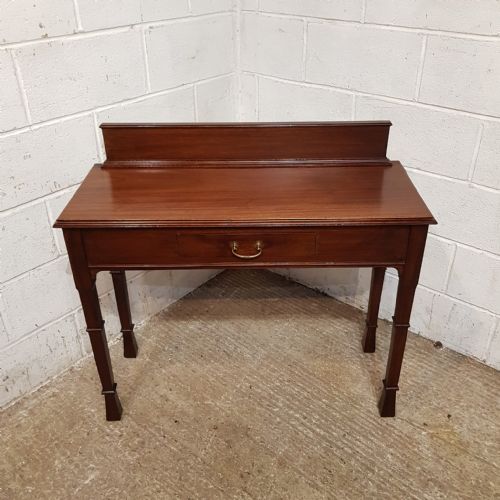
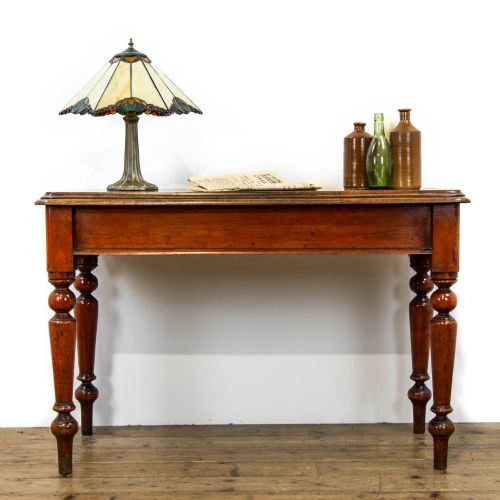
A wooden hallway console serves as a narrow anchor for an entrance, combining functional surface area with period character.
Wooden Hallway Console
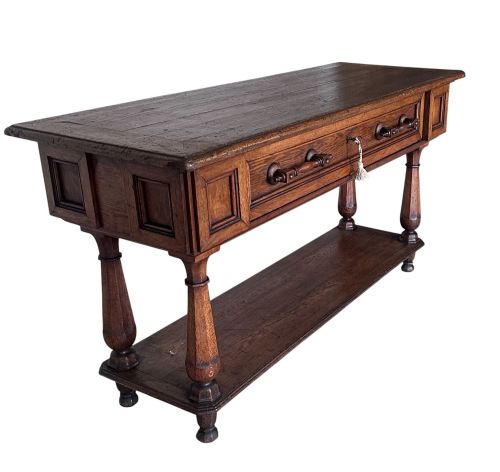
A wooden hallway console sits flat against a wall in a narrow space, offering a surface for letters, keys, and lighting without obstructing foot traffic. These tables span several centuries, with examples originating from the Georgian, Victorian, and Edwardian eras, as well as the early twentieth century.
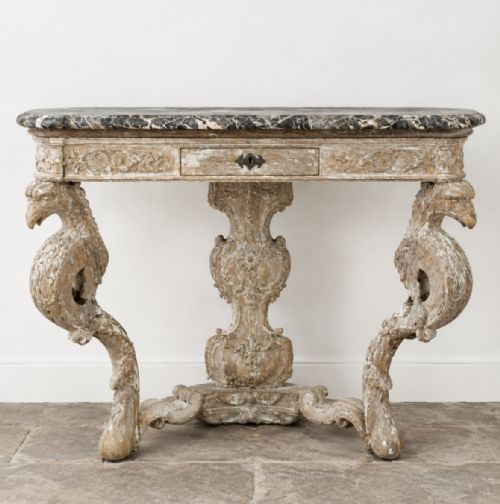
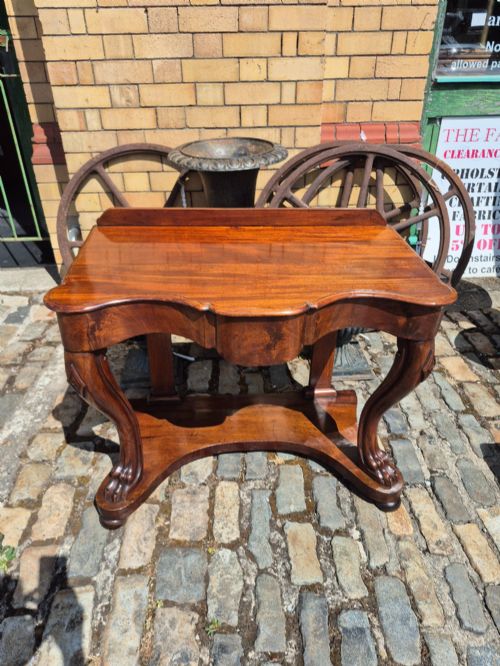
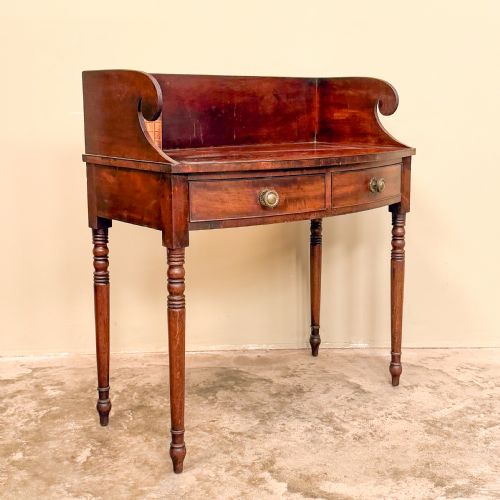
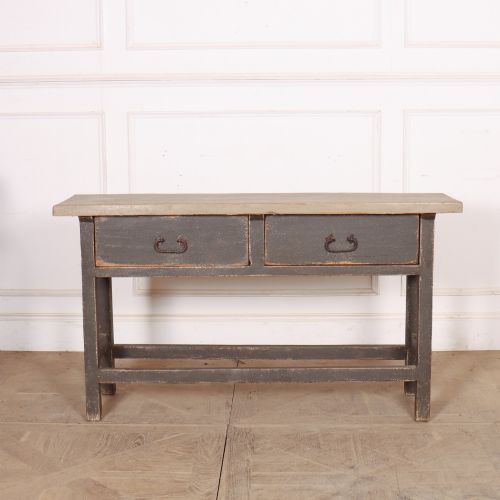
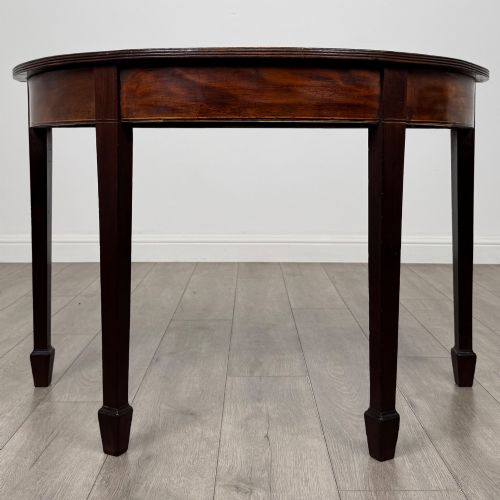
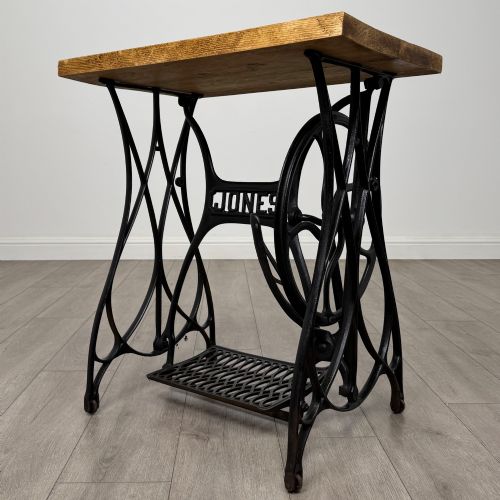
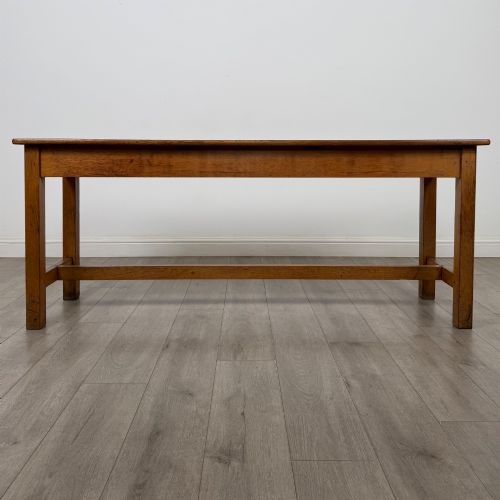
The form adapts to domestic needs through variations such as demi-lune shapes, serving tables, side tables, and fitted washstands or hall stands. Mahogany and oak dominate the formal and country iterations, while painted pine and scrubbed surfaces appear in provincial formats.
Origin points range from English country workshops to French, Italian, and Swedish provincial makers. Buyers encounter both austere utilitarian designs and pieces featuring inlaid mahogany or carved details.
How they were made
Cabinet makers built these tables primarily using hardwoods such as mahogany, oak, and cherrywood, alongside softer pines for painted or scrubbed functional furniture. Timber selection dictated the structural integrity of narrow frames and slender legs.
Construction techniques include traditional joinery, applied mouldings, and hand-cut drawer linings, complemented by brass hardware. Secondary surfaces often feature marble tops or painted finishes applied over wood substrates.
An unusual pine organ bench serves double duty here as a narrow side table.
What varies in quality
The refinement of the timber and the crispness of the carving or inlay distinguish the finest examples from utility pieces. Dense mahogany with rich grain patterns or carefully figured burr walnut elevate a table's visual weight.
Proportion and scale dictate success in a narrow space, where slender legs and balanced overhangs demonstrate superior design intelligence. Original painted surfaces or patinated scrubbed pine carry distinct authenticity compared to later interventions.
The Wooden Hallway Console Glossary
- Demi-lune
- A half-moon shape designed to stand flat against a wall, common in 18th and 19th-century side and console tables. This silhouette maximises floor space in restricted hallways.
- Serving table
- A large rectangular table used historically for food placement, often adapted into a narrow console format for modern interiors. These pieces typically feature sturdy timber frames and occasional drawers.
- Washstand
- A wooden table originally constructed to hold a basin and pitcher for personal hygiene. They frequently translate well into modern hallways due to their narrow proportions and integrated lower shelves or cupboards.
- Pot board
- An open lower shelf fitted between the legs of a dresser base or serving table. It provided storage for ceramic vessels in traditional kitchens.
- Inlay
- A decorative technique where contrasting woods or materials are set flush into the primary surface of the furniture. Edwardian and Georgian pieces frequently utilise this method to create geometric or floral patterns.
Wooden Hallway Console: Frequently Asked Questions
What is a wooden hallway console used for?
These narrow tables provide a convenient surface in entryways and corridors for placing correspondence, keys, and decorative lamps. Their shallow depth ensures they fit comfortably in restricted spaces without blocking movement.
Historically, similar forms functioned as serving tables, side tables, or washstands before finding a modern role in domestic reception areas.
How do I identify a Georgian console table?
Georgian pieces, dating through the 18th century, typically feature solid mahogany construction with understated classical proportions and restrained carving. They often exhibit high craftsmanship in the joinery and timber selection.
Later Victorian and Edwardian interpretations tend to incorporate softer oak or varied inlay work, reflecting the stylistic shifts of subsequent decades.
Are painted wooden consoles original?
Painted finishes appear across various regional styles, including French, Italian, Swedish, and English country pieces from the 19th century and earlier. Original paint displays natural wear, craquelure, and integration with the underlying wood.
Buyers should examine the surface closely to distinguish period painted decoration from later decorative overpainting.
Where were these tables made?
The listings include pieces originating from English workshops, Scottish houses, and continental European regions such as France, Italy, and Sweden. Each region utilised local materials, from English oak and mahogany to Scandinavian pine.
Provincial items often favour regional softwoods with painted finishes, while urban British workshops leaned towards imported hardwoods.