

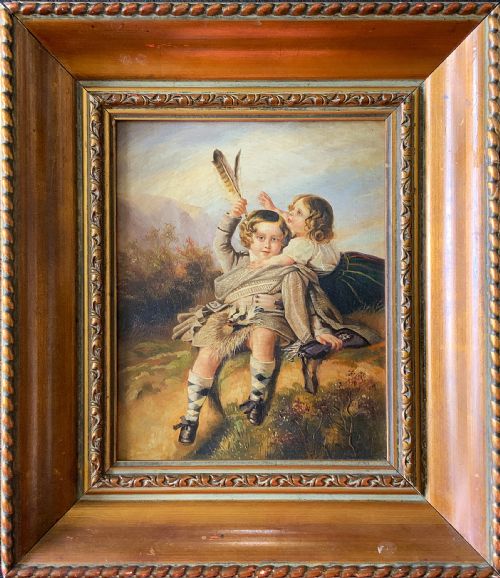


Wooden Framed Oil Painting
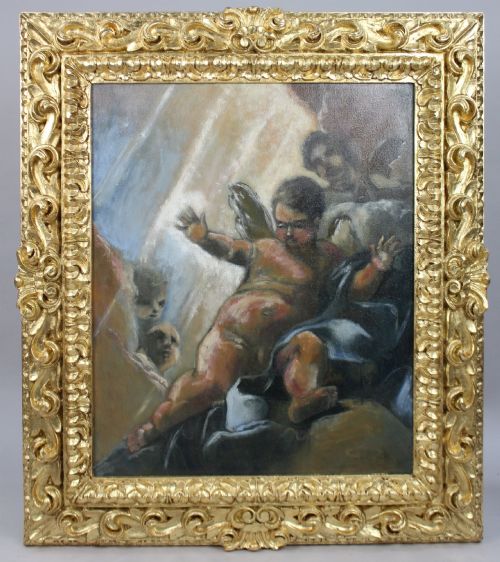
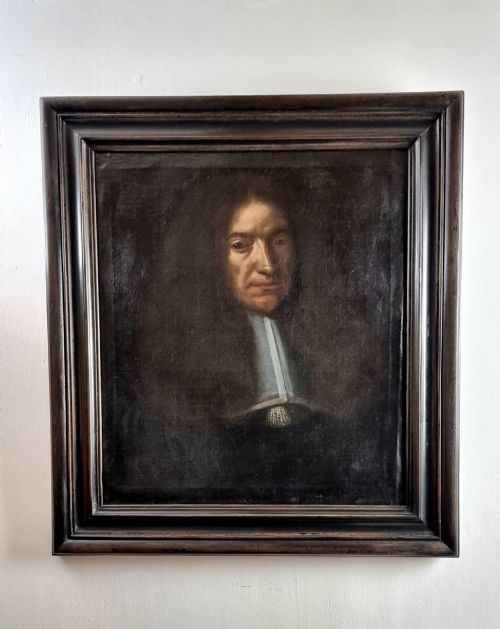
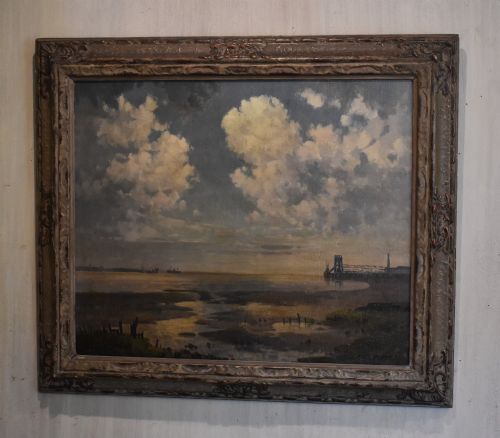
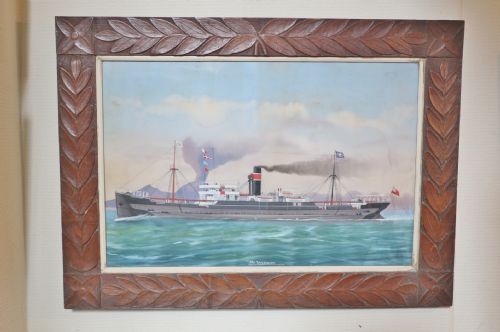
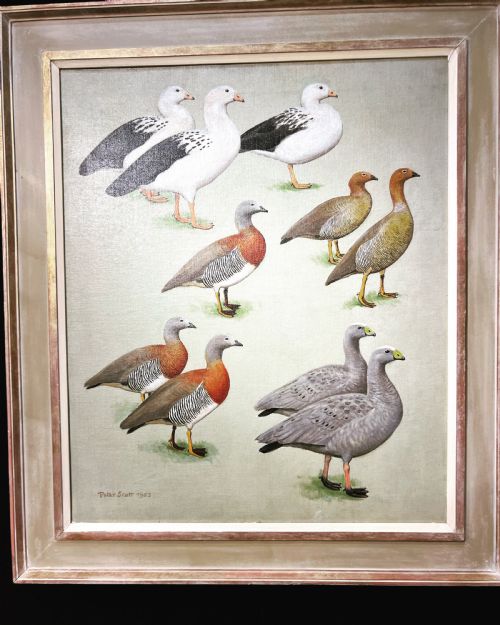
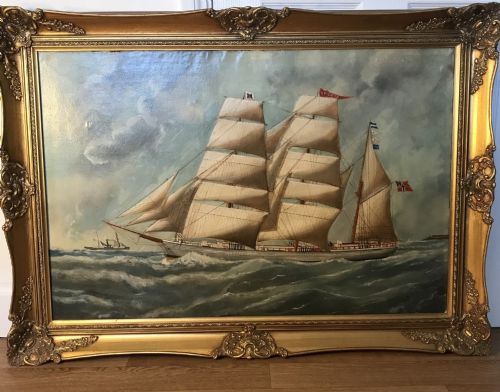
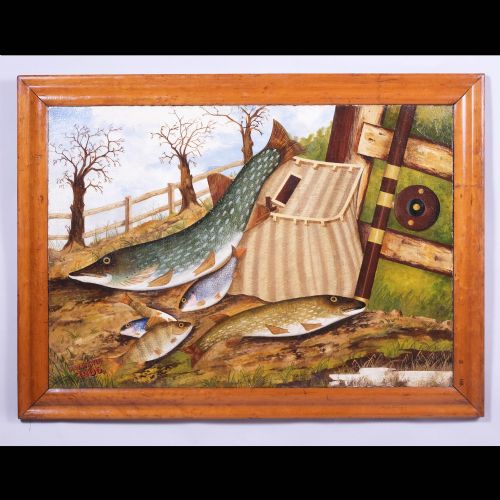
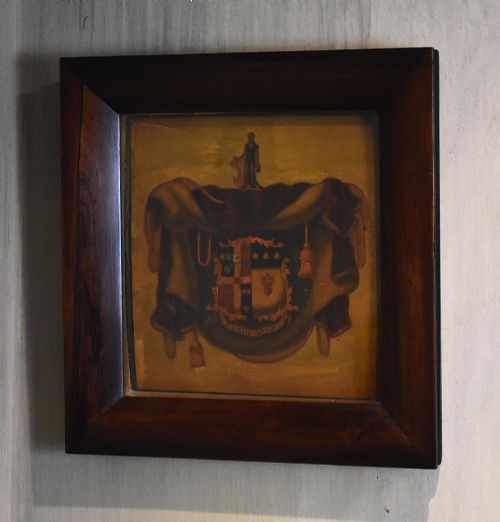
A wooden framed oil painting brings together historical canvases and panels with period surrounds spanning the nineteenth and twentieth centuries.
Wooden Framed Oil Painting
A wooden framed oil painting represents artworks executed in oil paint upon canvas, wood panel, board, or paper, enclosed within protective wooden surrounds. Buyers seeking a wooden framed oil painting encounter diverse subjects ranging from nineteenth century marine scenes and coastal landscapes to twentieth century portraits and still lifes.
The selection includes British and continental works reflecting styles such as Victorian realism, Edwardian naturalism, British impressionism, and mid-century modernism. Surviving examples frequently combine original oil pigments with period wood frames, sometimes accented with gold leaf or carved gesso details.
How they were made
Makers applied oil paint to prepared surfaces including woven canvas, pine panels, wood boards, and paper supports. Canvases were occasionally laid onto board for additional structural stability over time.
Surrounding frames were constructed from timber, frequently ornamented with carved details, gilded finishes, and gold leaf applications. Joinery techniques and frame profiles varied according to the prevailing workshop practices of the nineteenth and twentieth centuries.
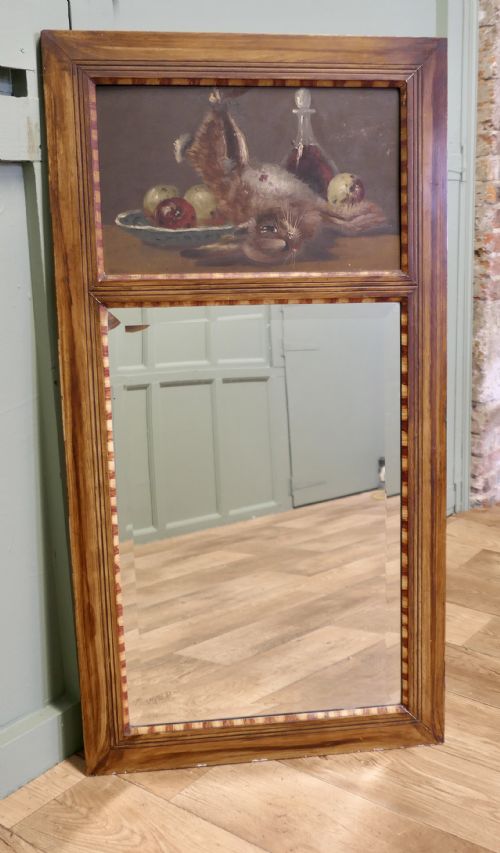
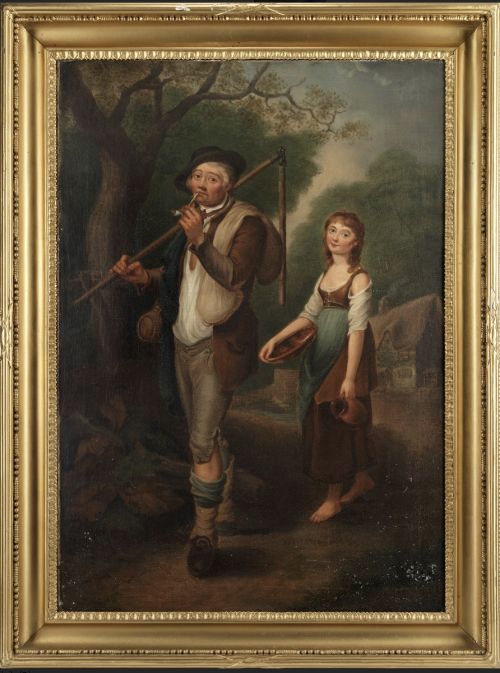
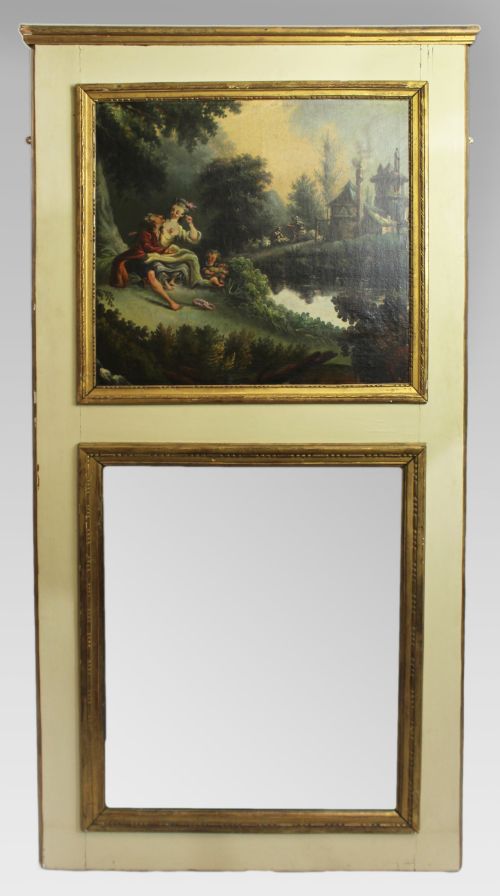
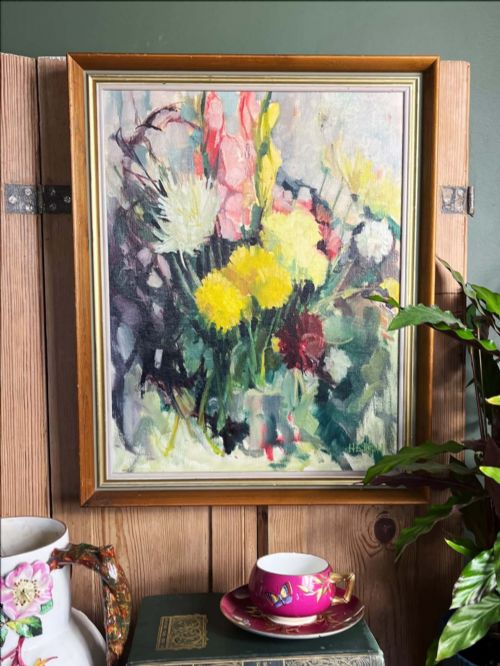
The selection includes British naturalism, French country trumeau mirrors, and mid-century abstract impressionism within wooden frames.
What varies in quality
Quality rests upon the execution of the painted composition, the harmony between the artwork and its wooden frame, and the survival of original materials. Finer examples display confident brushwork and anatomical or perspective accuracy by named artists or skilled regional schools.
The integrity of the wooden frame contributes significantly to the overall merit of the piece. Frames retaining their original gilding and structural joinery without heavy timber replacement hold greater aesthetic balance alongside the painting.
Thomas Barker of Bath·Clive Browne·Carl Whitfield·Hubert Wellington·Edward Matthew Elliott·Raymond Picque·Gustave De Bréanski·Gertrude Halsband·John Constable·William Williams·George E Sharpe·Henri Joseph Pauwels·Evaristo Cappelli·Edwin Hughes·Alfred John Bouchette
The Wooden Framed Oil Painting Glossary
- Oil paint
- A slow-drying medium consisting of pigments suspended in a drying oil, typically linseed oil. This technique allowed artists to achieve rich colour depth and smooth tonal gradations.
- Canvas
- A heavy woven fabric, usually linen or cotton, stretched across a wooden frame to serve as a painting support. It provides a durable and textured surface for oil applications.
- Panel
- A flat piece of timber, such as pine or hardwood, used as a rigid support for painting instead of stretched fabric. Panel paintings frequently date from earlier periods or specific regional traditions.
- Giltwood
- Wood that has been coated with a thin layer of gold leaf or gold powder. This finish was widely utilised on picture frames to catch ambient light and enhance the artwork.
- Trumeau
- A decorative architectural mirror or panel incorporating an oil painting within the upper section. These pieces often originate from eighteenth and nineteenth century French interiors.
Wooden Framed Oil Painting: Frequently Asked Questions
How do I date a wooden framed oil painting?
Dating relies upon examining the preparation of the canvas or wood panel, the construction methods of the wooden frame, and stylistic markers within the painted composition. Signatures, inscriptions, and labels on the reverse often provide verifiable dates or direct links to specific artists.
Material analysis of the timber frame and the pigments used in the oil painting further help narrow down the period of creation to specific decades such as the Victorian or Edwardian eras.
Were frames always made for the painting?
Many paintings retain their original frames, particularly when the framing style matches the exact period and aesthetic of the canvas. Custom frames were frequently commissioned for important portraits and landscapes.
Over the centuries, paintings were occasionally placed into new wooden frames that reflected later interior tastes. Examining the rebates and fixing methods helps determine whether a frame is original to the artwork.
How should I care for a framed oil painting?
Display paintings away from direct sunlight, high humidity, and rapid temperature fluctuations to protect both the canvas and the wooden frame. Consistent environmental conditions prevent the wood from warping and the oil paint from cracking.
Dust the wooden frame gently with a soft, dry brush and avoid using liquid cleaners on either the gilded surfaces or the aged oil paint surface.
What is the difference between oil on canvas and oil on board?
Oil on canvas involves paint applied to a stretched textile support, which offers natural flexibility and a characteristic woven texture beneath the pigment layers. This format became standard for larger works from the eighteenth century onward.
Oil on board or panel uses a rigid wooden or composition base, providing a firm surface that resists punctures. Board supports were frequently utilised for smaller plein air studies and works produced throughout the nineteenth and twentieth centuries.