




Wooden Framed Miniature Painting
A wooden framed miniature painting brings intimate portraiture and delicate narrative scenes into small spaces with remarkable focus.
Wooden Framed Miniature Painting
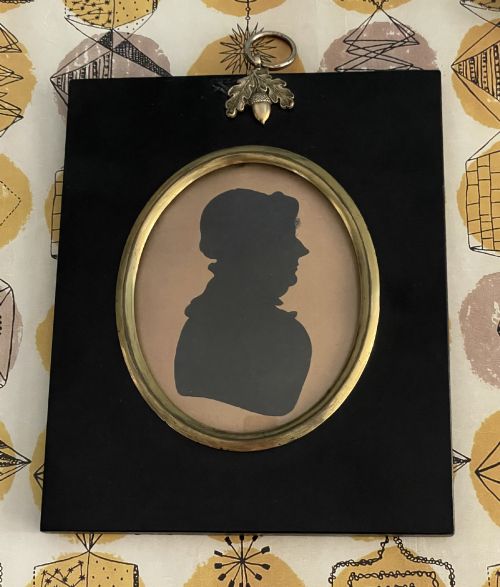
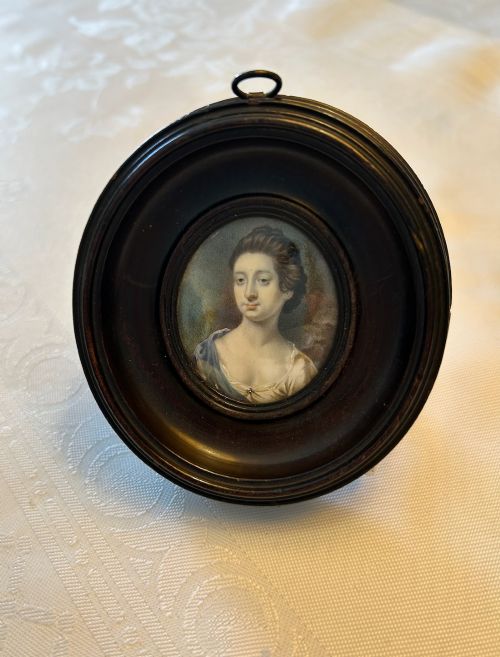
When you search for wooden framed miniature painting, you encounter small-scale artworks executed across the eighteenth and nineteenth centuries, including the Victorian period and the year 1850. These works encompass portrait miniatures, miniature paintings, wall art, framed prints, paintings, and framed artwork.
The selections on this page feature diverse cultural origins and stylistic traditions, ranging from British and Continental schools to Mughal school gouache paintings. Forms vary from oval formats and pairs to cruciform frames and silhouette profiles.
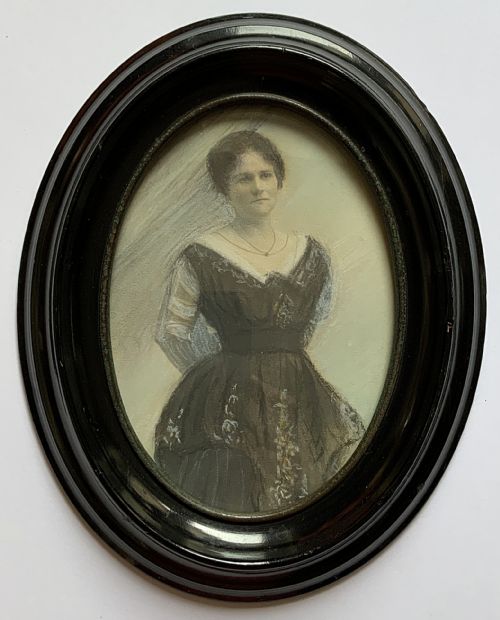
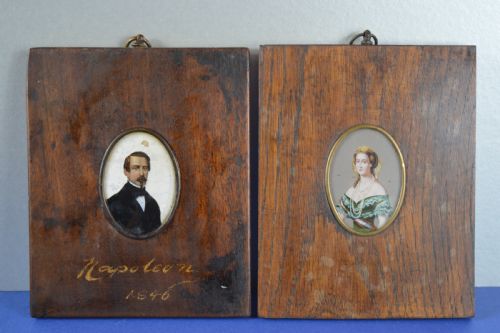
Subjects include individual sitters like Countess Spencer and Lady Georgiana, the Bradshaw sisters, a lady in an ebonised frame, a British husband and wife, Napoleon and Empress Eugenie, and mythological scenes involving a god and a naked nymph.
How they were made
Artists painted these works on paper using oil paint, watercolour, pastel, and gouache, alongside reverse glass mezzotints and printed fashion plates. Support materials include paper and glass housed within protective enclosures.
The enclosing structures combine wood, ebonised wood, and brass, creating compact surrounds designed to protect and display the delicate pictorial surfaces within.
Some nineteenth century portraits retain handwritten notes on the reverse, preserving family history and dates for future admirers.
What varies in quality
The quality of the housing also differentiates examples, with simple wooden mouldings contrasting against polished ebonised wood and detailed brass fittings. Documentary additions, such as rear annotations detailing dates and the history of subjects, add significant contextual value to individual pieces.
James Gillespie
The Wooden Framed Miniature Painting Glossary
- Miniature painting
- A small-scale work of art executed with fine detail. These pieces typically measure just a few inches across.
- Ebonised wood
- Timber treated to imitate ebony. This dark, polished finish provides a high-contrast border for miniature artworks.
- Reverse glass mezzotint
- An image printed and applied to the underside of glass. This technique creates a luminous surface quality.
- Gouache
- An opaque water-based paint. It allows for flat areas of rich, saturated colour in miniature compositions.
- Silhouette
- A solid dark profile portrait, often cut from paper or painted. These works frequently record the likeness of sitters before the widespread use of photography.
Wooden Framed Miniature Painting: Frequently Asked Questions
What periods do these paintings date from?
The pieces span the eighteenth and nineteenth centuries, including specific periods like the Georgian era, Victorian era, and the year 1850.
Craftsmanship and subject matter reflect the prevailing artistic standards of these distinct historical windows.
How were these miniature artworks displayed?
They were designed for intimate domestic settings, often hung on walls individually or arranged in pairs.
The compact wooden and ebonised frames protected the delicate paper, glass, and painted surfaces from handling.
What subjects appear in these frames?
Portraits dominate the selection, depicting named individuals, married couples, and historical figures such as Napoleon and Empress Eugenie.
Other works portray courtly lovers in landscapes, mythical deities, and fashion subjects.
What materials make up the frames?
Makers utilised wood, ebonised wood, and brass to construct the protective surrounds for these small artworks.
Glass elements frequently shield delicate watercolours, oils, and reverse glass mezzotints from environmental damage.