
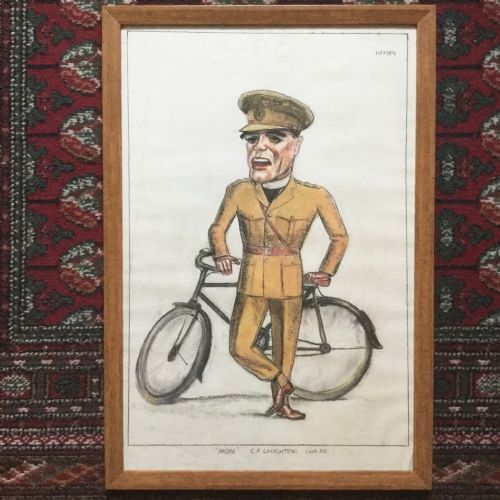


Wooden Framed Illustration
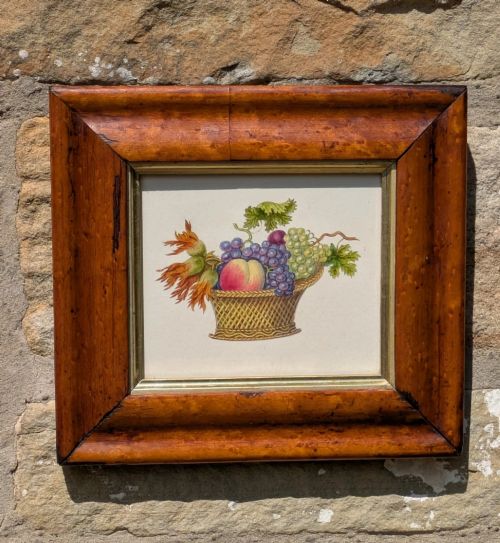
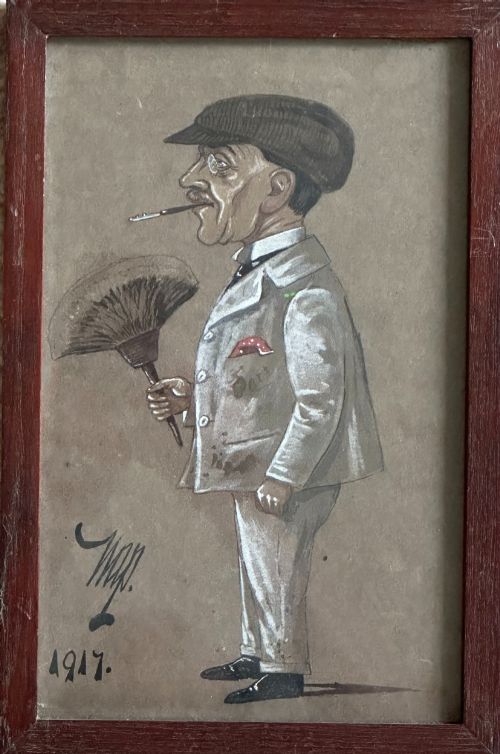
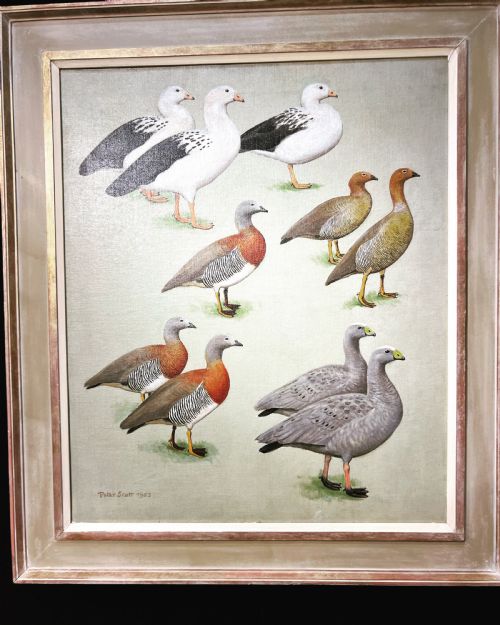
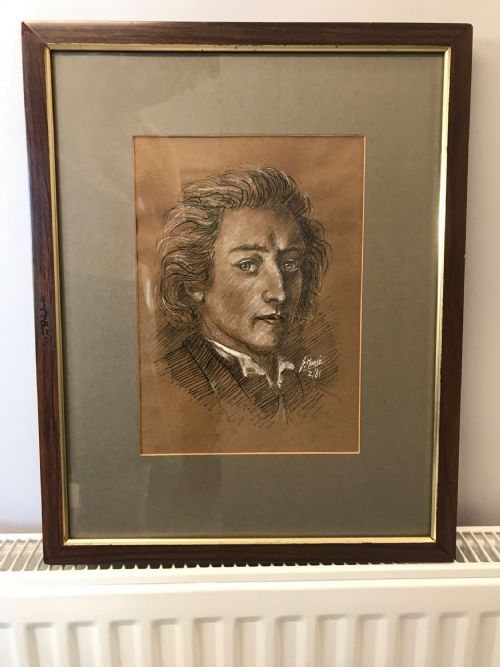
A wooden framed illustration brings character and historic charm to a wall, offering original works on paper secured behind glass in timber.
Wooden Framed Illustration
A wooden framed illustration encompasses original paintings, drawings, and prints housed within timber surrounds. When you search for a wooden framed illustration, you encounter works spanning the nineteenth century through the mid twentieth century.
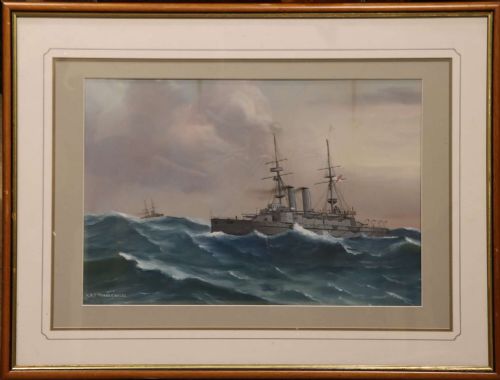
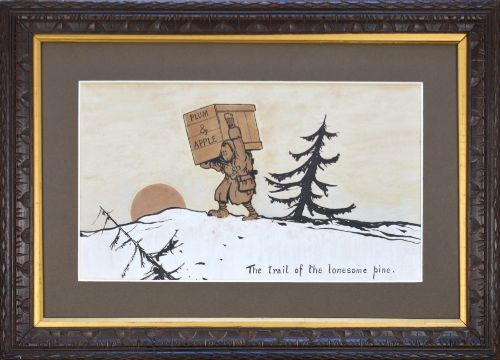
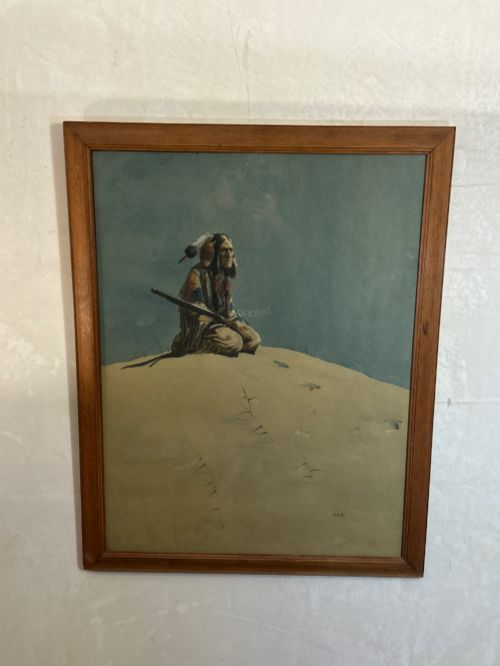
The offerings on this page include maritime paintings, botanical engravings, caricatures, and portrait sketches. These pieces reflect periods such as the Victorian and Edwardian eras, alongside interwar and mid century British realism.
Most examples combine works on paper with timber mouldings and protective glass. Buyers find varied forms ranging from single watercolours to sets of botanical plates and Vanity Fair double prints.
Materials and construction
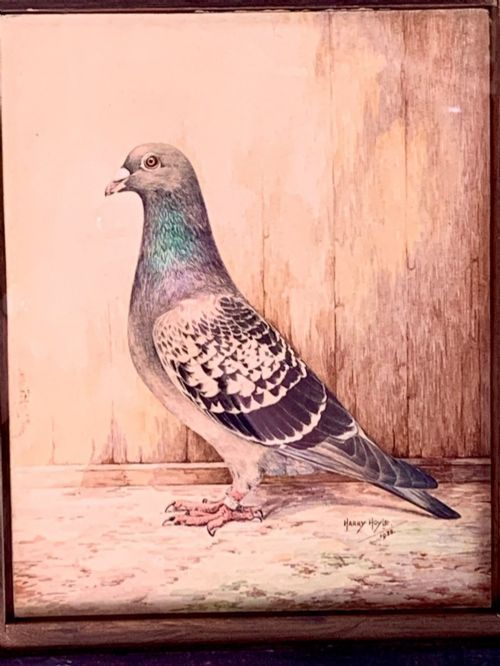
Makers utilised paper supports for mediums including watercolour, gouache, ink, pastel, and printmaking techniques. Artists applied wet and dry pigments to capture maritime scenes, portraits, and botanical subjects.
The assembled artwork sits within timber frames, which protect the fragile paper surfaces beneath glass panes. These wooden mouldings range from simple profiles to period frames appropriate to the date of the illustration.
Among the military officers and historic ships, a charming pastel cat gazes out from nineteen fifty.
Distinctions in quality
The quality of a wooden framed illustration rests upon the execution of the artwork and the integrity of its presentation. Skilled brushwork, expressive draughtsmanship, and well preserved pigments separate accomplished pieces from simpler decorative items.
Condition plays a central role, particularly the preservation of the paper beneath the glass and the stability of the timber frame. Original frames that complement the age and style of the artwork elevate the overall integrity of the piece.
Bruce Bairnsfather·John Hassall·Sir Peter Markham Scott·John Curtis
The Wooden Framed Illustration Glossary
- Gouache
- An opaque watercolour paint that provides solid areas of colour and dense highlights. Artists often combined gouache with pen, ink, or transparent watercolour on paper.
- Pastel
- A dry drawing medium composed of powdered pigment and a binder, formed into sticks. Pastel works require protection behind glass to prevent the pigment from smudging.
- Engraving
- A printmaking technique where an artist cuts lines into a metal plate to hold ink. Printed impressions from these plates often received hand colouring.
- Naive
- A term describing art created by self-taught makers who worked outside formal academic traditions. These pieces display charming perspective and direct observation.
Wooden Framed Illustration: Frequently Asked Questions
What periods do these pieces cover?
The listings span from the early nineteenth century through to the mid twentieth century, encompassing Victorian, Edwardian, and interwar periods.
Individual works date from specific years such as the Regency era, nineteen hundred, nineteen twenty, and nineteen fifty.
How are the illustrations protected?
The artworks on paper are preserved beneath glass within timber frames. This combination shields fragile watercolours, pastels, and prints from dust and environmental damage.
Most frames are constructed from wood, matching the traditional housing methods of their respective periods.
What subjects appear in the selection?
The subjects range widely across maritime scenes, military portraits, botanical studies, and caricatures. You will find depictions of ships, soldiers, animals, and architectural views.
Artists recorded both everyday subjects and notable figures, including royalty and military officers.
Are the artworks original pieces?
The selection includes original hand painted watercolours, gouaches, and pastel drawings executed directly on paper. Some listings also feature antique prints and engravings.
Signatures or attributed periods help identify the origin and authorship of individual works.