
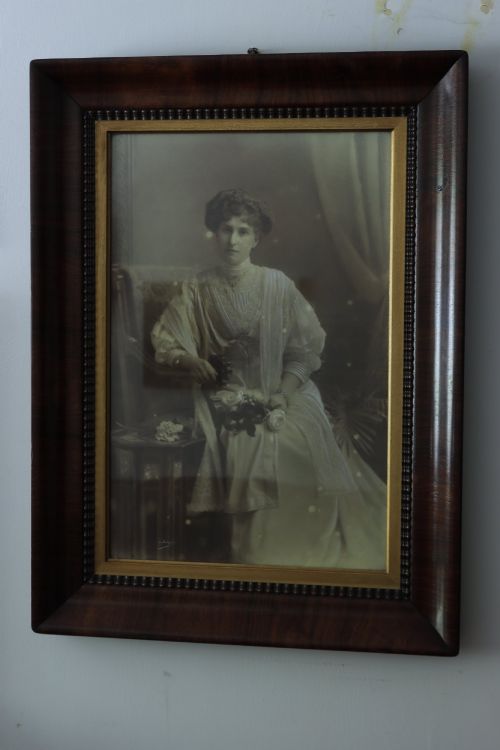

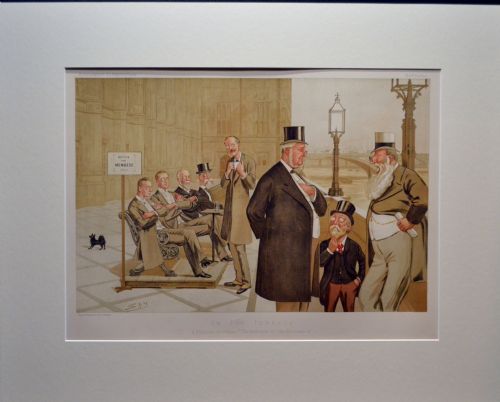


Sepia Victorian Print
These sepia victorian print examples capture a monochromatic visual history through etched lines and photographic tones.
Sepia Victorian Print
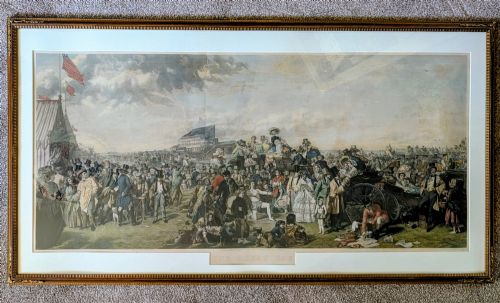
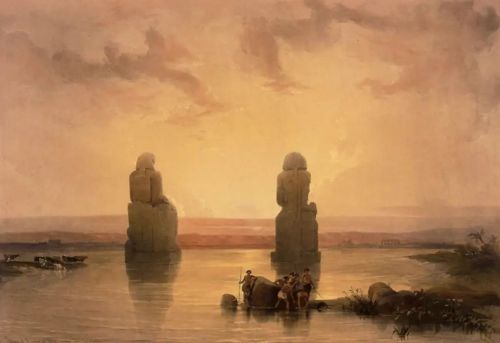
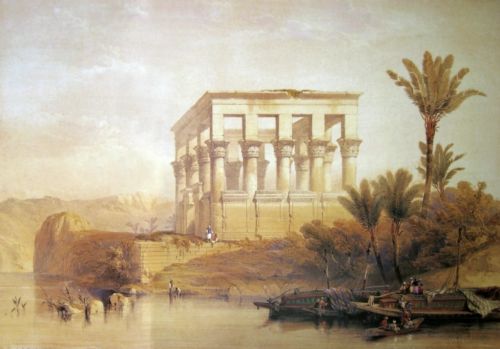
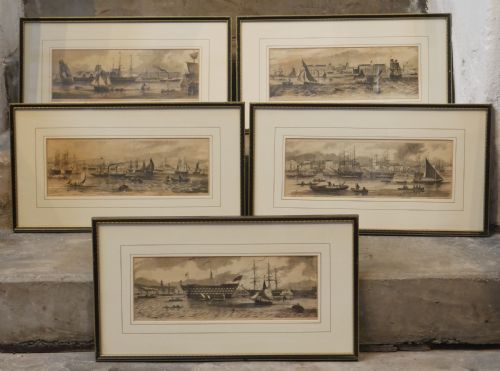
A sepia victorian print encompasses monochrome imagery produced across the nineteenth century and into the early twentieth century, spanning original etchings, lithographs, engravings, and period photographs. The examples found here range from architectural drawings and topographical views to sporting scenes, naval subjects, and portraits framed in wood or gilt.
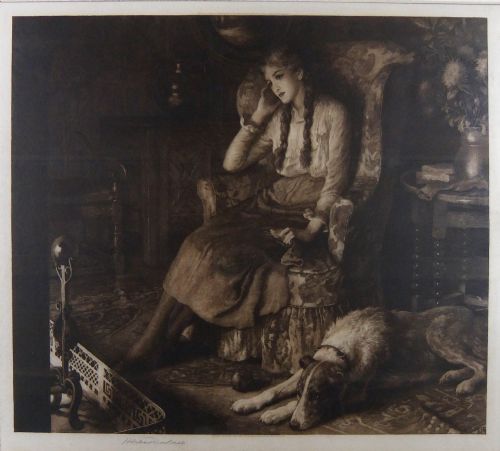
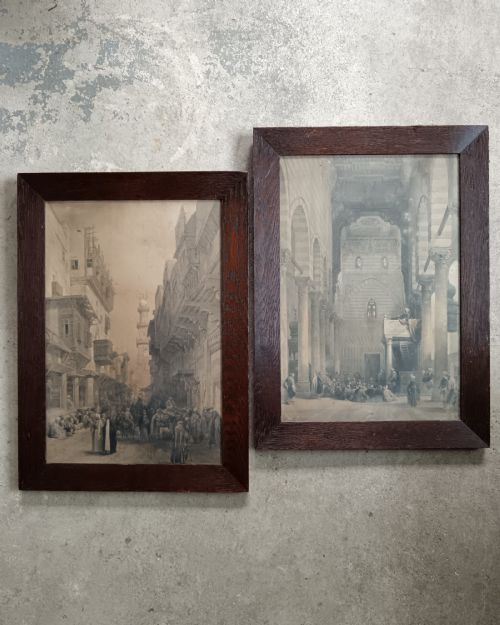
Buyers seeking a sepia victorian print often encounter works by named artists like David Roberts or Herbert Dicksee, alongside anonymous town plans, Vanity Fair caricatures, and historical records. The forms vary from intimate framed artwork to large architectural renderings and multi-print sets.
The aesthetic is defined by its warm brown tones and aged paper substrates, reflecting Victorian tastes in domestic decoration, academic study, and commemorative publishing.
Distinctions in Quality
Quality rests upon the clarity of the printed impression and the direct involvement of the artist or master printer. Original etchings pulled directly from the plate carry a crispness and depth distinct from later mechanical reproductions.
The integrity of the original framing, the preservation of the paper surface without excessive foxing, and the presence of artist signatures or contemporary ink annotations further separate standard pieces from finer collector examples.
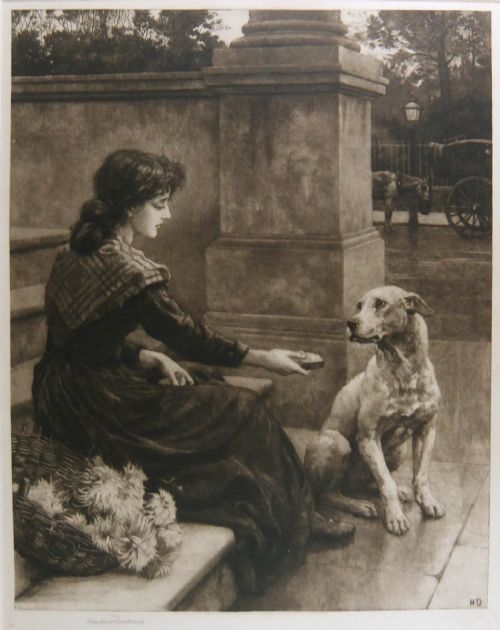
Dogs make frequent appearances, sharing emotional moments and feeling like proper family members in early twentieth-century etchings.
The Sepia Victorian Print Glossary
- Etching
- A printmaking technique where lines are bitten into a metal plate with acid before ink is applied and pressed onto paper. This process produces fine, expressive lines seen in many period works.
- Lithography
- A planographic printing method based on the repulsion of oil and water on a flat stone or metal plate. It allows for smooth tonal gradations used in topographical and architectural illustrations.
- Engraving
- A method of cutting design lines directly into a hard plate using a burin tool. The resulting prints exhibit precise, clean lines that remain sharp under close examination.
- Crystoleum
- A Victorian method of applying a transparent photograph to the inside of concave glass, hand-tinting it with paint, and backing it. This technique creates a luminous, three-dimensional portrait effect.
- Cartography
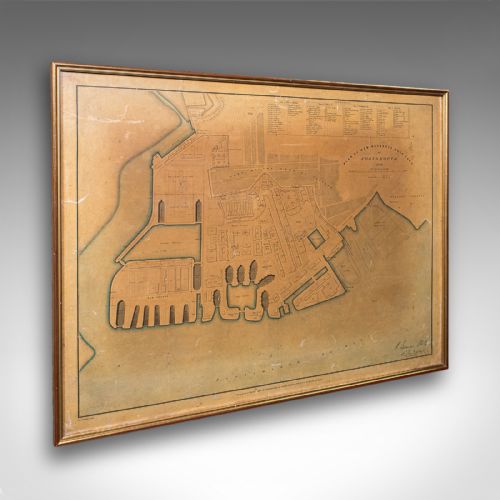
- The science and practice of drawing maps and charts. Period examples include town plans and dockyard layouts rendered with exact architectural draughtsmanship.
Sepia Victorian Print: Frequently Asked Questions
What is a sepia victorian print?
It is an antique work on paper produced in the nineteenth or early twentieth century, showing monochromatic brown tones through various printmaking or photographic methods.
These pieces capture subjects ranging from architectural studies and naval docks to portraits and pastoral scenes.
How should I frame these prints?
Conservation framing using acid-free materials protects the aged paper from deterioration and discoloration over time.
Keeping the work away from direct sunlight preserves the subtle sepia inks and prevents the paper from becoming brittle.
Are these prints original works?
Many examples are original artist etchings or period lithographs pulled during the nineteenth century rather than modern machine reproductions.
Signatures, plate marks, and period framing help confirm the authenticity and age of the individual piece.
How do I identify the date?
Dates are often indicated by publication years printed on the margin, artist active periods, or accompanying stylistic clues within the subject matter.
Victorian and Edwardian pieces frequently carry typography or mount details characteristic of late nineteenth-century production.