


Wooden Fireside Box
A wooden fireside box keeps fuel tidy by the hearth, combining practical storage with the warmth of traditional timber.
Wooden Fireside Box
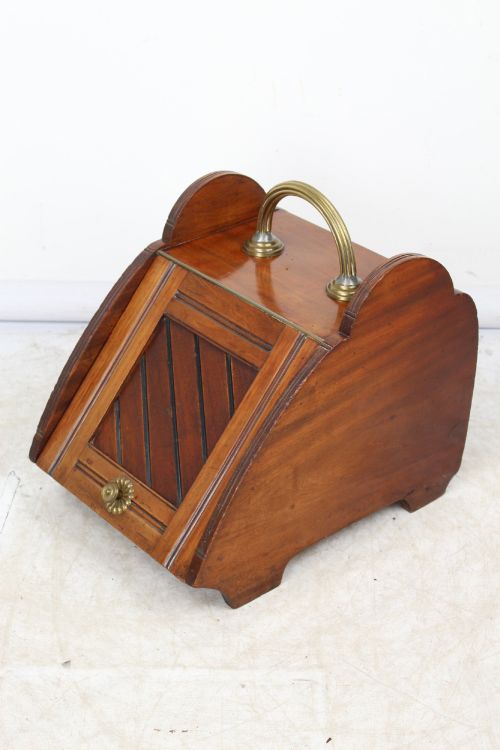
A wooden fireside box serves as a functional container for coal, logs or kindling, designed to sit beside the hearth in domestic interiors. When exploring this selection, buyers encounter pieces primarily from the Victorian and Edwardian eras, alongside earlier Georgian and seventeenth-century examples.
Materials and Construction
Cabinet makers utilised dense hardwoods such as oak, mahogany, walnut and fruitwood to construct these fuel stores, ensuring durability near the heat of a fire. Selected pieces incorporate softer timbers like pine or fruitwood for panels and internal bins.
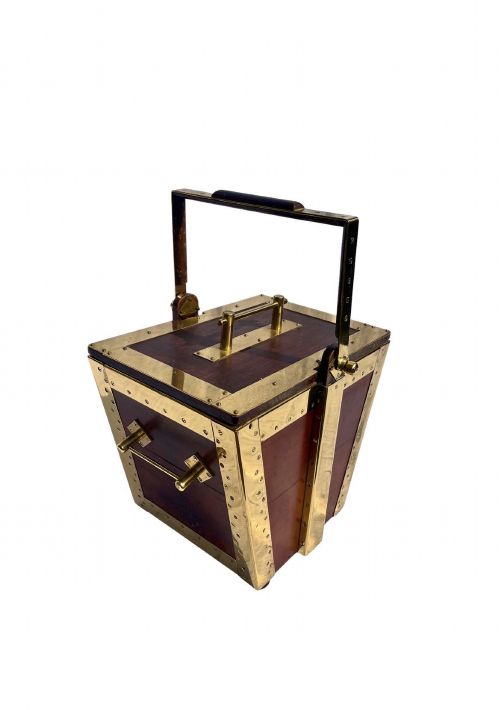
Metal components in brass, copper and iron provide structural reinforcement and decorative handles, while internal metal or ceramic liners protect the surrounding wood from moisture and debris.
Materials recorded across the selection include brass, oak, mahogany, walnut, iron, glass and pine.
Distinctions in Quality
Superior examples display sophisticated cabinet work, such as fine timber figuring, intricate carving or delicate inlay work in rosewood and other exotic woods. Finer pieces often retain their original brass mountings, fitted shovels and internal metal liners.
Plain utilitarian boxes focus purely on sturdy construction using native timbers like oak or pine, whereas high-status models employ polished veneers and decorative metalwork suited to formal reception rooms.
LIBERTY LONDON
The Wooden Fireside Box Glossary
- Purdonium
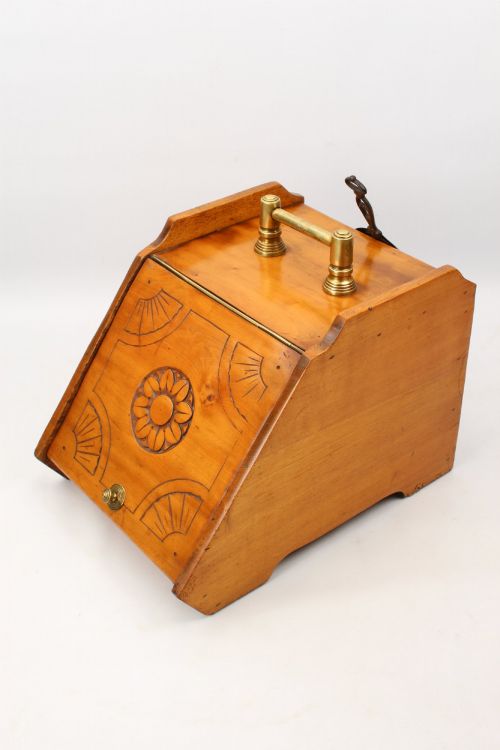
- A specialised cabinet for storing coal, typically featuring a sloping drop-down front and an internal metal liner to hold the fuel. These units often include compartments for a matching shovel.
- Coal Scuttle
- A bucket-shaped or scuttle-form vessel designed to carry solid fuel to the grate, fitted with a carrying handle. Examples from the nineteenth century frequently incorporate brass fittings and decorative embossing.
- Cellarette
- A cellar-like container traditionally used for cooling or storing wine, occasionally adapted as a fireside storage bin or blanket box. Georgian specimens demonstrate formal cabinet proportions.
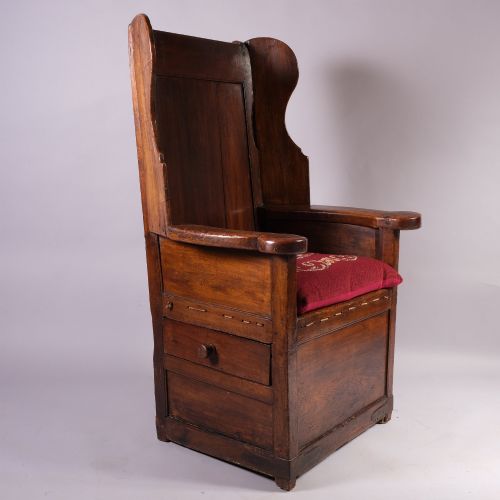
- Lambing Chair
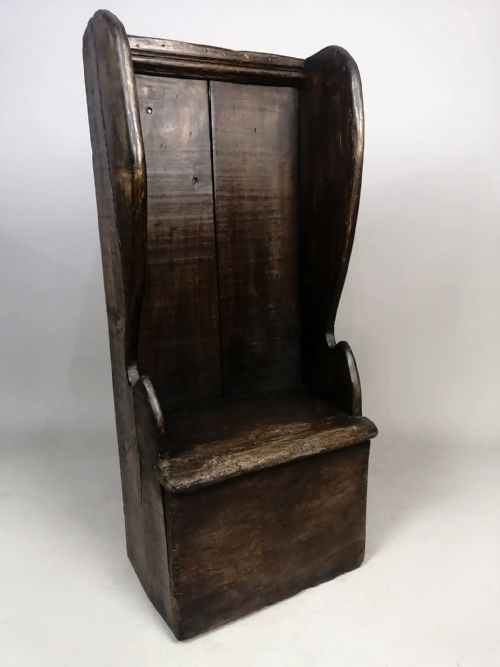
- A vernacular wooden seat featuring high wings and a closed base to block draughts near the fireplace. Early examples utilise fruitwood or oak construction from the seventeenth and eighteenth centuries.
Wooden Fireside Box: Frequently Asked Questions
What is a purdonium?
A purdonium is an enclosed wooden cabinet designed specifically to hold coal beside a fireplace. It typically includes a drop-down front and a removable metal liner.
These boxes keep fuel neatly concealed while providing a convenient resting place for a matching fireside shovel.
How do I use a coal box today?
A wooden fireside box functions well as a decorative container for storing logs, kindling or hearth accessories next to a modern wood-burning stove.
They also serve as versatile living room storage chests for blankets, magazines or general household items.
How do I identify a Victorian coal scuttle?
Victorian coal scuttles often feature solid timber construction in oak, walnut or mahogany, frequently accented with heavy brass handles and decorative mounts.
Many retain their original zinc or tin liners designed to contain coal dust and protect the wood from damp fuel.
What is the difference between a log bin and a purdonium?
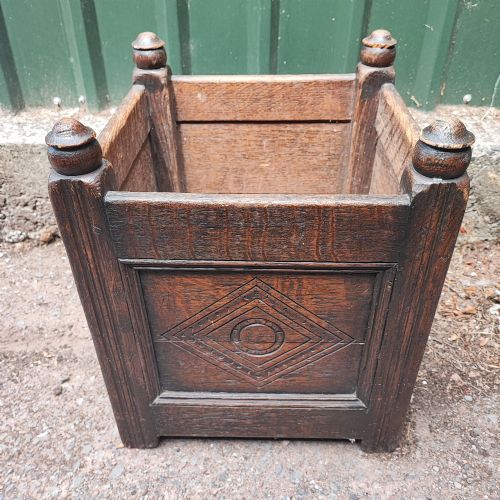
A log bin is generally an open-topped or lidded container intended for stacking firewood and larger logs near the hearth. A purdonium is a more formal piece of cabinetry with a sloping front designed to dispense loose coal.
Log bins emphasise robust timber construction, whereas purdoniums often incorporate elaborate carving, inlay and brass hardware.