

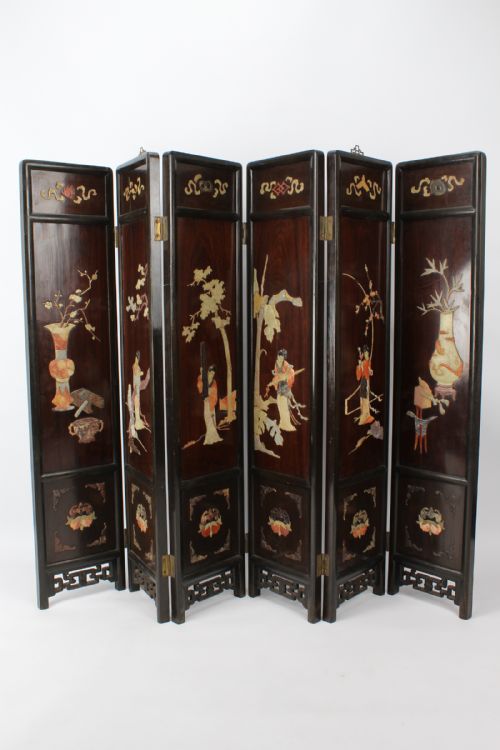


Wooden Fireplace Screen
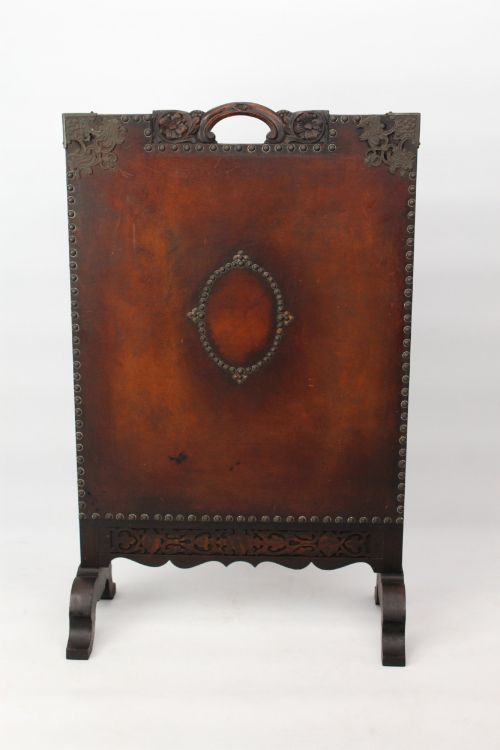
A wooden fireplace screen is a room divider designed to shield faces from hearth heat, and these pieces bring period craftsmanship straight to the floor.
Wooden Fireplace Screen
A wooden fireplace screen sits before the hearth to block excessive heat when the fire burns low, functioning primarily as a functional room accessory. These items range from simple folding panels to complex furnishings that double as occasional tables or display pieces.
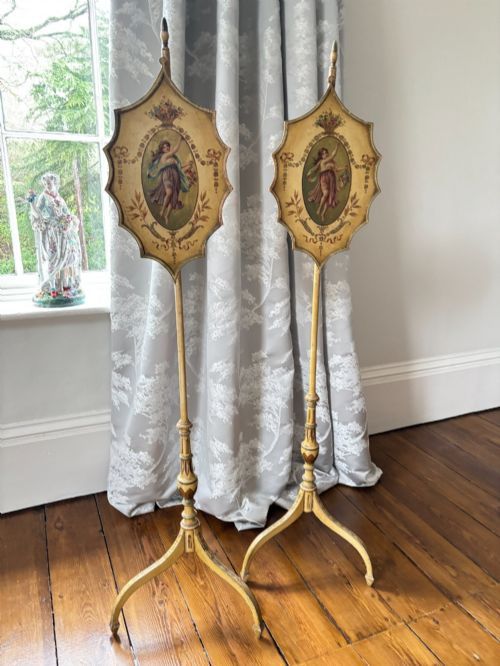
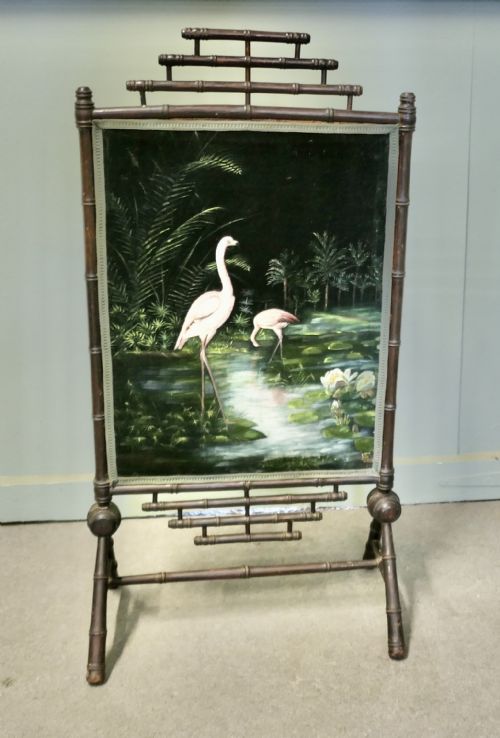
The selections available here span several centuries and styles, taking forms such as freestanding frames, pole screens, and table screens. Mahogany, walnut, and rosewood structures frequently appear alongside intricate black lacquer and carved hardwood examples.
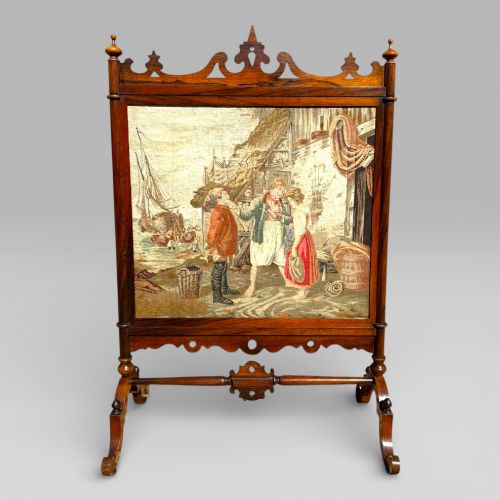
Makers and workshops across different eras adapted these screens to suit changing domestic interiors, incorporating textiles, needlework, and glass into the wooden frames. Buyers frequently encounter Victorian and Regency iterations, alongside pieces exhibiting Chinoiserie and Chinese Traditional influences.
What varies in quality
The refinement of the woodwork dictates much of the standing of an individual screen, separating standard utility items from finely carved examples. Deep relief carving, balanced proportions, and the selection of dense timbers like rosewood or figured mahogany mark out superior execution.
The complexity of the insert panel also defines the standard, whether through the tightness of a hand-woven tapestry, the precision of needlepoint embroidery, or the preservation of painted lacquer. Metamorphic mechanics, such as adjustable panels or folding leaves, require robust engineering to retain utility over time.
Wooden Fireplace Screen Retail Price Guide 2026
Typical asking prices for wooden fireplace screen among the pieces listed under this phrase on Sellingantiques today, from the lower quarter to the upper quarter. They describe what is for sale here now, not the wider market.
Materials span mahogany, walnut, rosewood, and lacquered wood, paired with woolwork, brass, glass, and bronze.
The Wooden Fireplace Screen Glossary
- Pole screen
- A vertical wooden stand featuring an adjustable framed panel that slides up and down on a central shaft to block heat. This form gained popularity in the Georgian and Victorian eras.
- Needlepoint
- A type of canvas work embroidery stitched by hand using wool or silk yarns. These panels frequently form the decorative centrepiece of a hearth screen.
- Dummy board
- A painted wooden figure cut to shape to deceive the eye, occasionally utilised near fireplaces. These flat panels depict figures or animals.
- Chinoiserie
- European artistic style reflecting Chinese motifs and techniques, often applied through lacquer and gilt decoration on wood. This aesthetic appears on several lacquered screens.
- Metamorphic furniture
- Pieces designed to transform into secondary objects, such as a screen that converts into an occasional table. This ingenuity combines practicality with decorative display.
Wooden Fireplace Screen: Frequently Asked Questions
How do I use a fireplace screen?
These screens position directly in front of the hearth when the fire is unlit or burning down, serving to block draughts and excessive radiant heat from the room.
Many examples function equally well as standalone room dividers or decorative focal points against empty walls when not guarding a fireplace.
Are these screens still functional?
Solid timber frames and sturdy feet allow many pieces to remain entirely practical for blocking hearth heat today.
Delicate textiles or antique lacquer panels require more careful placement to avoid damage from intense direct heat or damp environments.
How do I tell a Regency screen from a Victorian one?
Regency pieces often display restrained neoclassical lines, mahogany frames, and precise poker work or subtle embroidery.
Victorian iterations tend towards heavier rosewood or walnut structures, elaborate carving, and dense tapestry needlework depicting pastoral or floral scenes.
What is a pole screen?
A pole screen consists of a slender vertical wooden stand supported on a tripod base, holding a sliding panel that adjusts to block heat.
Users moved the framed panel up or down the central pole depending on where the warmth reached.