


Wooden Figure Carving
These wooden figure carving pieces span centuries of regional workshops, bringing tangible human and animal form into interiors through solid timber.
Wooden Figure Carving
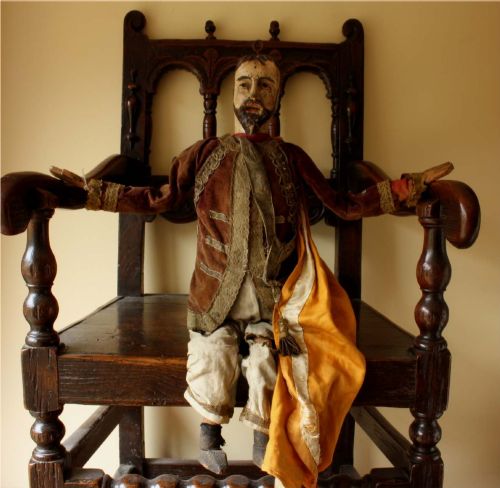
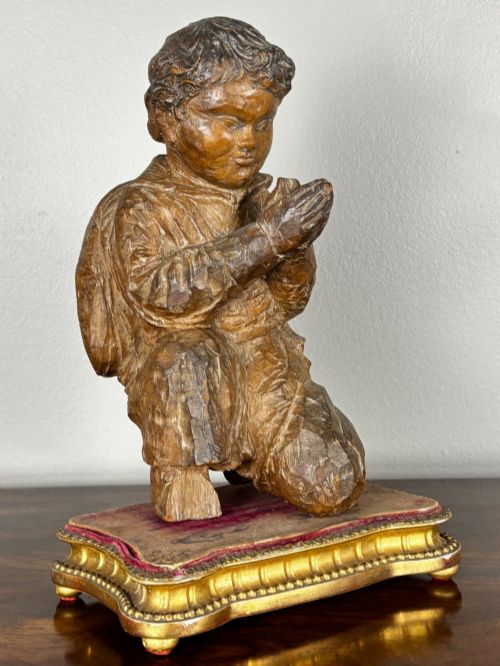
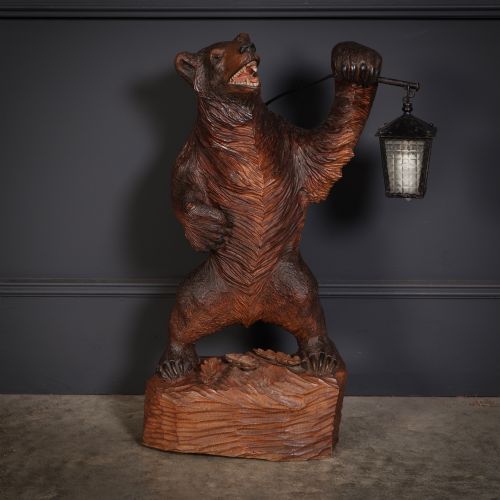
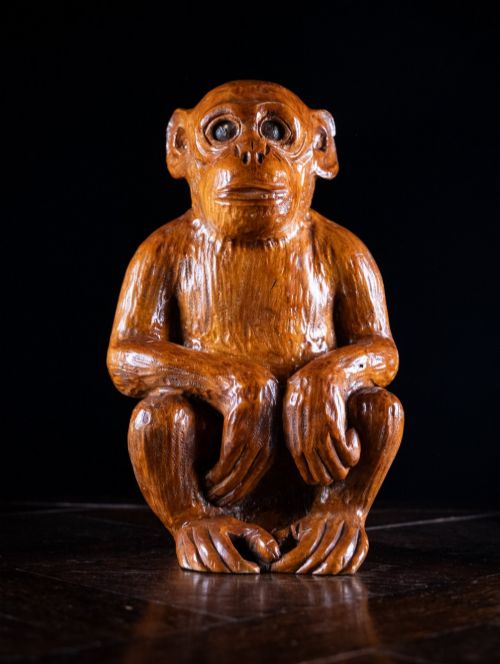
A wooden figure carving selection brings together centuries of sculptural work, ranging from seventeenth century religious oak fragments to nineteenth century Black Forest animals and folk art interpretations. Buyers searching for a wooden figure carving encounter diverse domestic and decorative objects, including floor lamps, bookends, and freestanding saints.
Continental workshops and Asian traditions dominate the available forms, spanning European cedar, limewood, and walnut alongside Chinese hardwood figures. Pieces frequently depict saints, deities, animals, and human subjects carved with regional precision across the seventeenth, eighteenth, and nineteenth centuries.
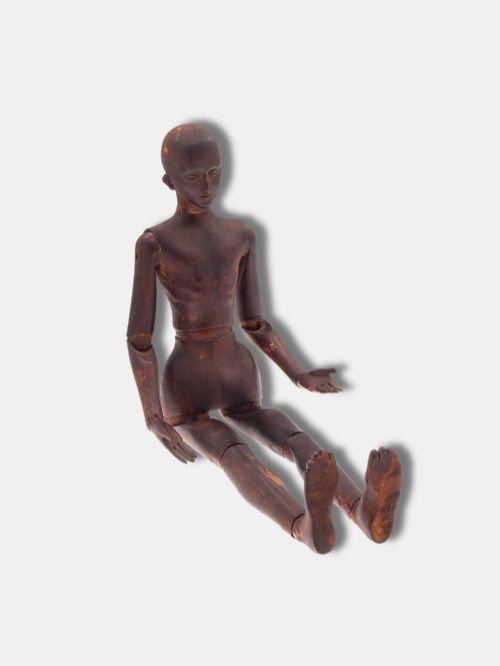
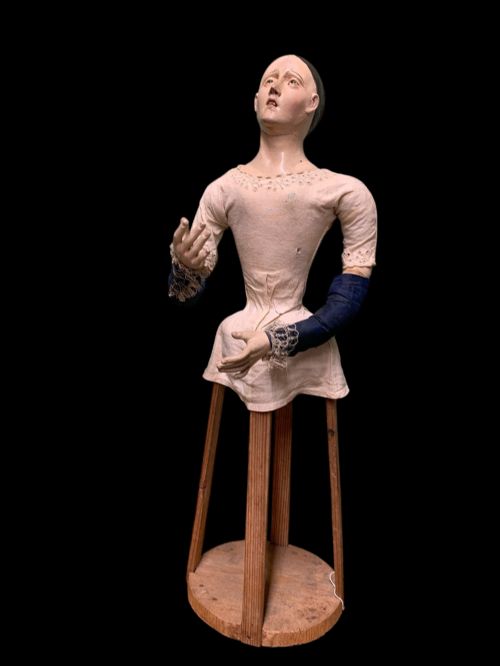
Domestic applications vary from architectural panels and devotional figures to utilitarian items such as match holders and articulated artist lay figures. The most frequent encounters on this page involve nineteenth century animal studies, devotional saints, and Asian hardwood sculptures.
Qualities of execution
The choice of timber influences the crispness of the surviving detail, with fine-grained woods like boxwood or linden allowing intricate carving that holds its edge. Greater depth of relief and undercut elements separate ambitious sculptural works from simpler production pieces.
Original surface finishes, whether early polychrome paint or patinated waxed hardwood, contribute significantly to the integrity of a carving. Later overpainting or substantial timber replacement alters the visual weight and historical character.
Wooden Figure Carving Retail Price Guide 2026
Typical asking prices for wooden figure carving among the pieces listed under this phrase on Sellingantiques today, from the lower quarter to the upper quarter. They describe what is for sale here now, not the wider market.
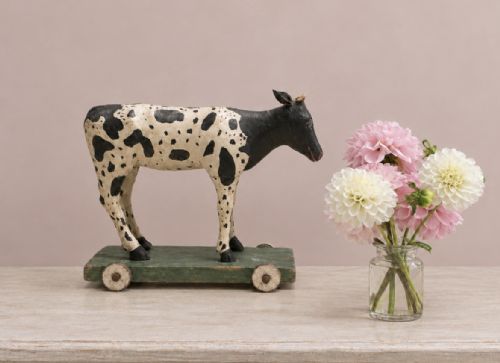
Form categories include freestanding sculptures, architectural fragments, bookends, floor lamps, and mechanical items like a wooden cow on wheels.
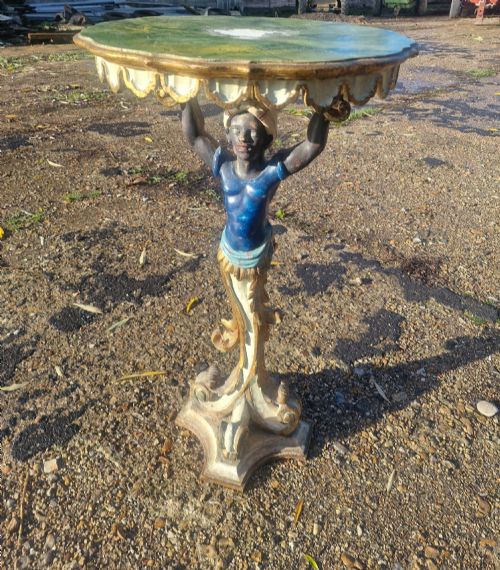
Valentino Besarel
The Wooden Figure Carving Glossary
- Polychrome
- Painted in several colours. This surface decoration appears frequently on devotional sculptures to render garments and flesh tones lifelike.
- Gesso
- A plaster mixture used as a smooth base for paint. Carvers applied it to wood before adding gilding or polychrome pigments.
- Black Forest
- A nineteenth century style of wood carving originating from the Swiss and German mountain regions. These works typically depict realistic bears, owls, and forest animals in walnut.
- Hardwood
- Timber from broad-leaved deciduous trees such as oak, walnut, and mahogany. These dense woods provide the structural stability required for detailed sculptural work.
- Folk Art
- Objects created by self-trained makers outside the formal academic tradition. Such pieces often display charming local interpretations of human and animal forms.
Wooden Figure Carving: Frequently Asked Questions
How do I identify the age of a wooden figure?
Dating relies on tool marks, timber choice, and stylistic conventions associated with specific periods like the seventeenth century or the Victorian era. Examining the wear patterns and the composition of any surface paint provides further chronological clues.
Undocumented replacements or later restorations can sometimes obscure the original period characteristics. Comparing construction methods with dated comparative pieces helps clarify the timeline of manufacture.
Where were these carvings originally displayed?
Religious figures stood in domestic shrines or churches, while decorative animals and bookends occupied nineteenth century studies and parlours. Tradesmen figures and architectural panels served commercial or structural roles in public spaces.
Many Asian hardwood sculptures and European folk carvings were created for export or domestic display on mantelpieces and tables. Their placement depended entirely on whether their purpose was devotional, utilitarian, or purely ornamental.
How should I care for antique wood carvings?
Keep carvings away from direct heat sources and strong sunlight to prevent the timber from drying out and splitting. Maintain a stable indoor humidity level and dust gently with a dry, soft brush.
Avoid applying modern silicone polishes, which can build up on the surface and trap dirt within fine chisel marks. Occasional applications of pure beeswax help nourish unvarnished hardwoods over time.
What distinguishes Asian hardwood figures from European ones?
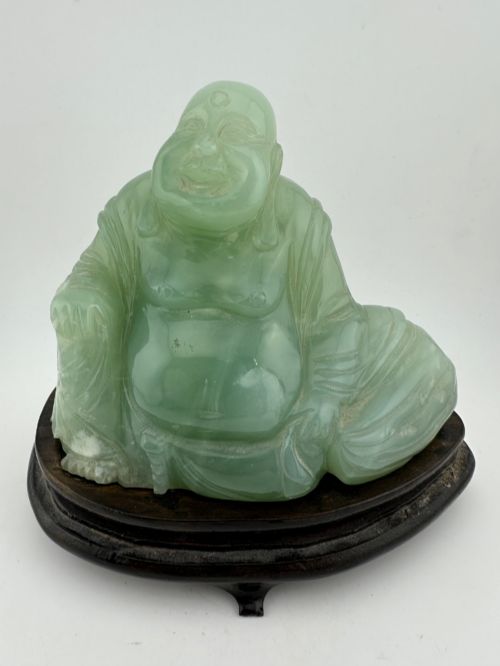
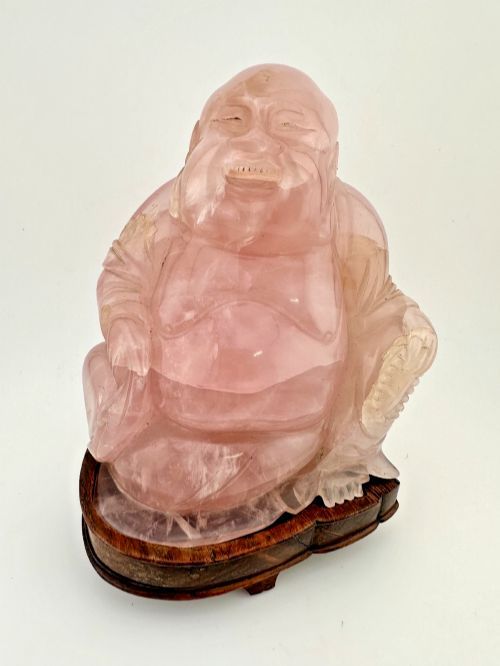
Asian works often utilise dense regional hardwoods like Chinese rosewood or zitan to portray figures such as Budai, guardians, and immortals. These pieces frequently feature deep relief and formal iconographic details rooted in Qing Dynasty traditions.
European carvings more commonly employ oak, walnut, or linden to represent Christian saints, local trades, or regional fauna. The stylistic vocabulary reflects Western artistic movements from the Baroque to Victorian folk traditions.