

Wooden Drop Leaf Side Table
A wooden drop leaf side table offers practical folding surface space through hinged flaps, uniting compact daily utility with period timber character.
Wooden Drop Leaf Side Table
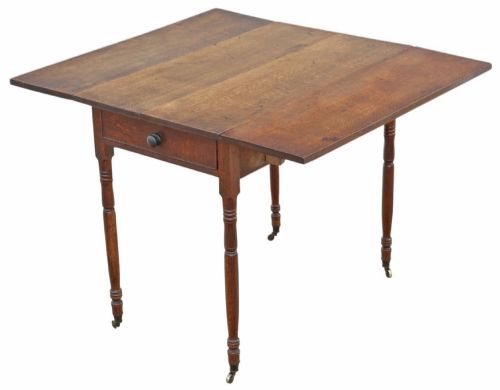
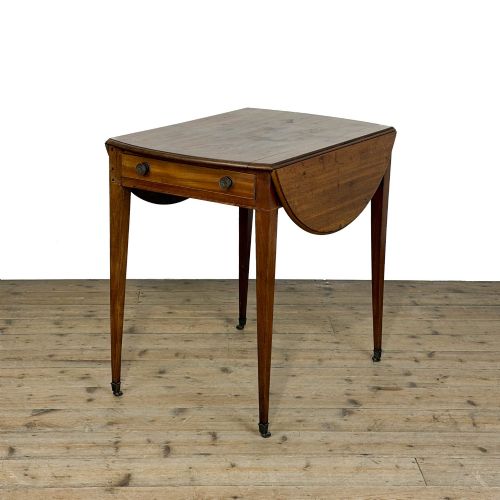
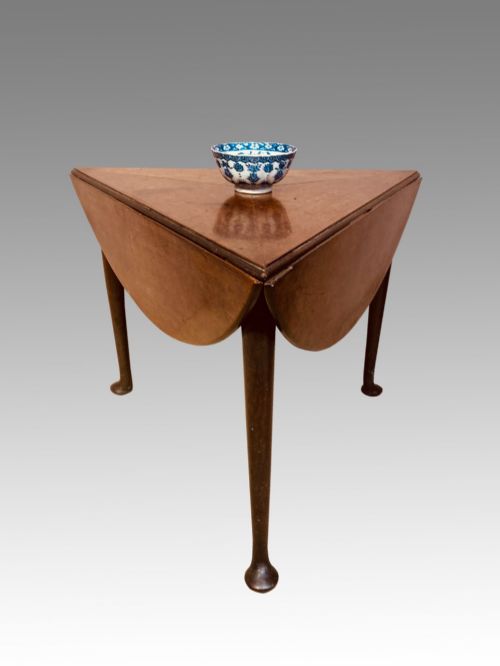
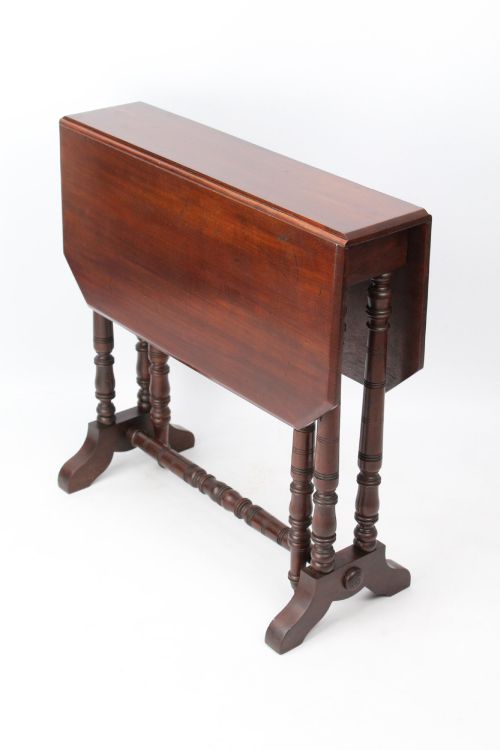
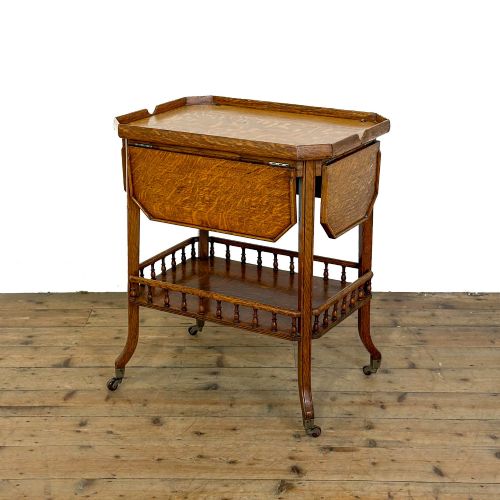
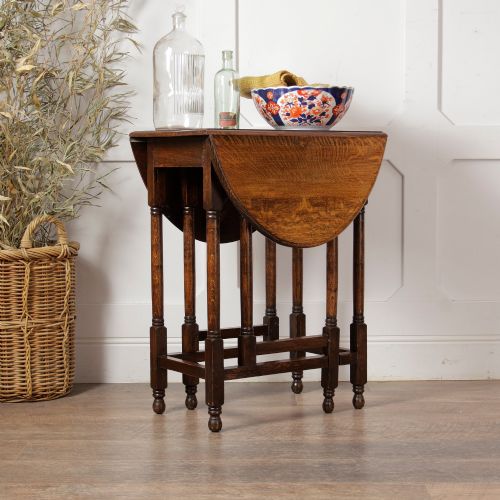
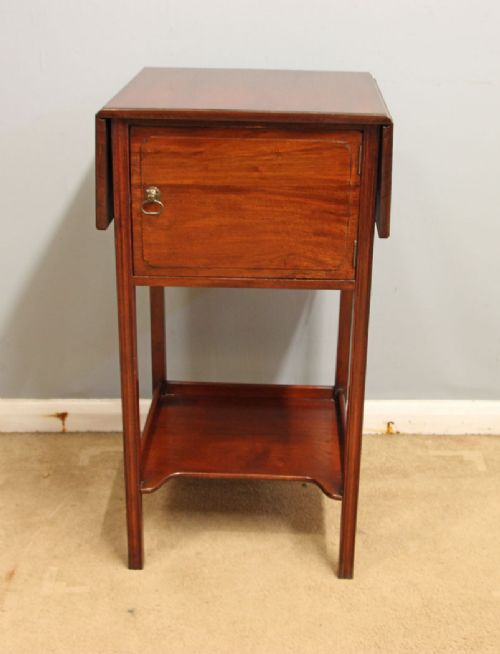
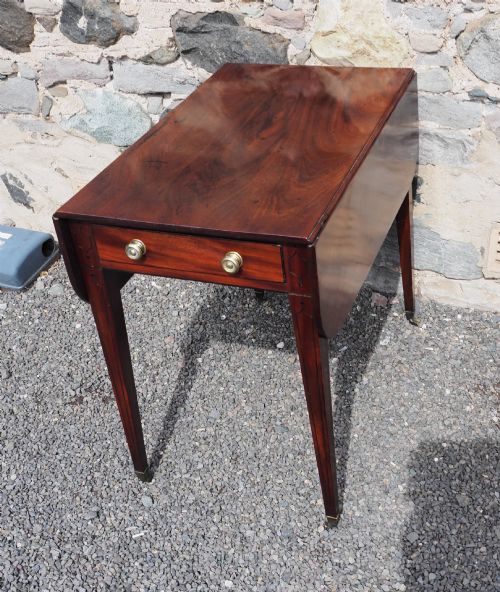
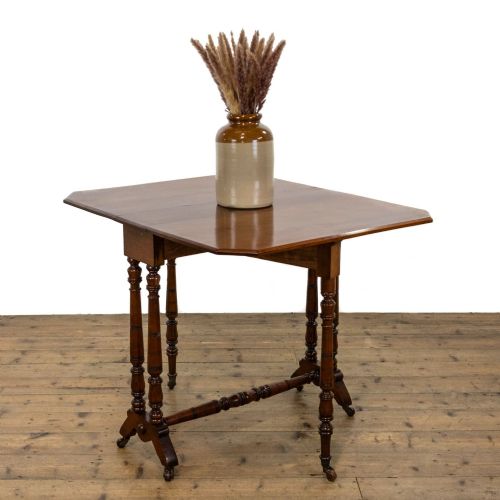
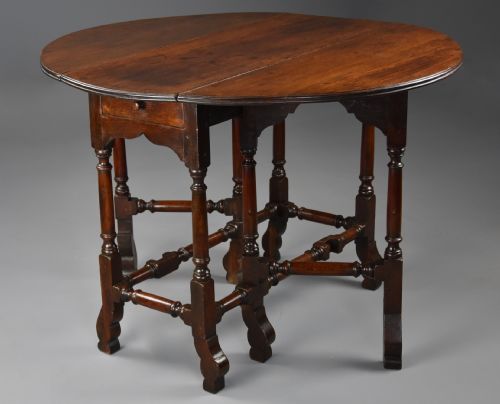
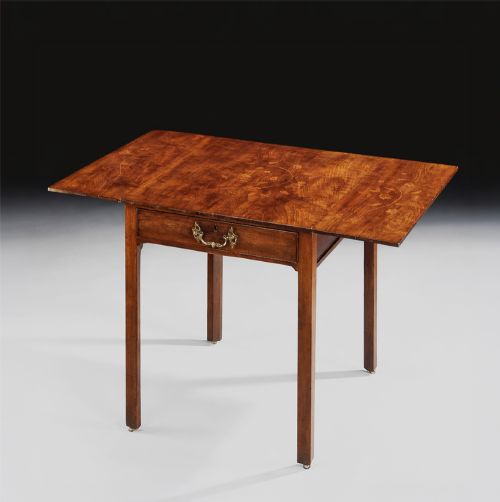
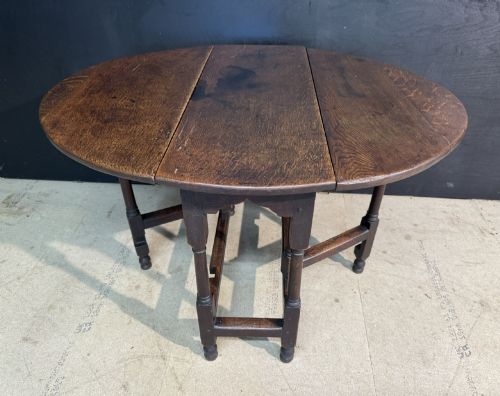
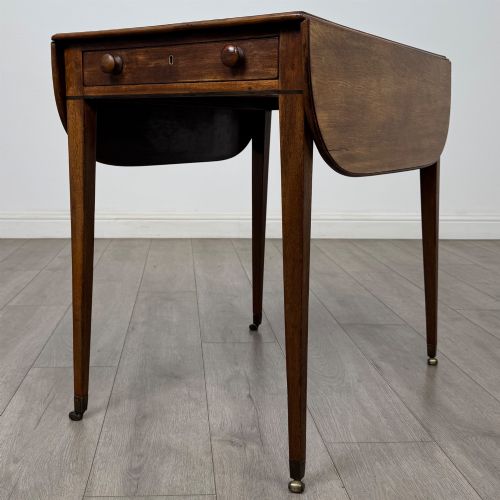
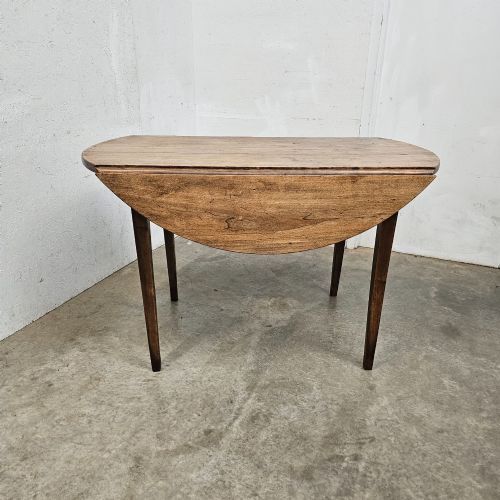
A wooden drop leaf side table is a versatile surface designed with hinged flaps that drop down when not required and lift up to expand the top. These pieces appear in forms such as Pembroke tables, Sutherland tables, gateleg tables, and sofa tables, fulfilling varied roles from dining to bedside placement.
The versions most commonly met on this page span the eighteenth and nineteenth centuries, alongside Edwardian and 1920s examples. Woods such as mahogany, oak, walnut, and rosewood predominate, reflecting the prevalent timbers of the Georgian, Victorian, and Regency periods.
How they were made
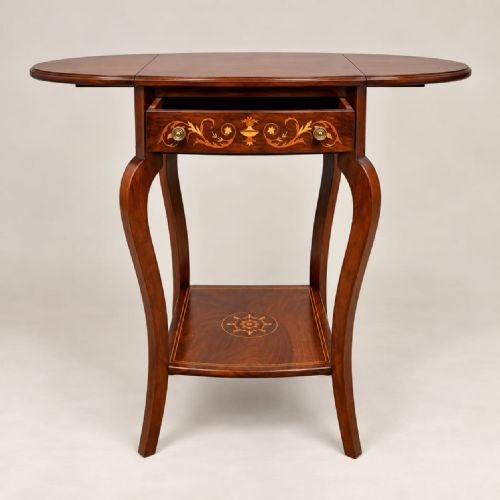
Cabinetmakers constructed these tables using dense hardwoods including mahogany, oak, walnut, satinwood, and rosewood, often selecting figured timbers like flame mahogany or fiddleback sycamore for decorative surfaces. Inlaid details, brass hardware, and ceramic components appear across various styles.
Joinery techniques ranged from traditional gateleg pivot supports and folding rule joints to sliding brackets and drawer construction fitted with working locks and keys. Timbers were finished to develop a warm patina, highlighting the natural grain of the wood.
Several tables retain their original key, ensuring the small drawer remains locked in time.
What varies in quality
Quality in these tables is determined by the selection of timber, such as highly figured mahogany, fiddleback sycamore, or satinwood, paired with the subtlety of inlay and crossbanding. Finer examples display meticulous attention to timber selection across both the top and the folding leaves.
The sophistication of the mechanism and the integrity of the original construction further separate standard pieces from superior ones. Well-executed folding supports, original brass castors, and refined drawer linings indicate higher workshop standards.
Johnstone and Jeanes
The Wooden Drop Leaf Side Table Glossary
- Pembroke table
- A small rectangular table with two hinged drop leaves on opposite sides, typically featuring one or two small drawers. This form became popular during the eighteenth century for versatile placement in sitting rooms.
- Sutherland table
- A narrow table with exceptionally slender drop leaves that fold down almost vertically, supported by swing-out legs on pivoted gate joints. Victorian examples in mahogany or walnut are frequently encountered.
- Gateleg table
- A table featuring hinged legs that swing outward on pivot joints to support the drop leaves when raised. Early examples often utilise solid oak or red walnut.
- Sofa table
- A rectangular occasional table traditionally designed to stand directly in front of a sofa, fitted with drop leaves and often two small drawers. Regency and Georgian versions often showcase flame mahogany veneers.
- Patina
- The deep surface sheen and mellow colour developed by aged wood through decades of handling, polishing, and exposure to light. A warm patina is a key indicator of undisturbed age.
Wooden Drop Leaf Side Table: Frequently Asked Questions
What is a Pembroke table?
A Pembroke table is a compact occasional table featuring two hinged drop flaps on opposing sides and usually one or two small drawers. It was designed for versatile use in varied rooms.
The design allows the surface area to expand or contract easily according to immediate needs, making it popular throughout the Georgian and Victorian periods.
How do Sutherland tables work?
Sutherland tables are narrow tables equipped with very wide drop leaves and a clever pivoting leg mechanism. When the leaves are lowered, the table occupies minimal floor space.
Swinging out the supporting gate legs allows the large flaps to lock securely into a horizontal position for dining or writing.
Which woods are most common?
Mahogany and oak appear most frequently across these listings, representing the primary cabinet timbers of the eighteenth and nineteenth centuries. Walnut and rosewood also feature prominently.
More decorative items incorporate specialised veneers such as satinwood, satin birch, and flame mahogany.
Where were these tables used?
These tables served multiple functions across the home, acting as side surfaces, bedside stands, kitchen work spaces, or occasional dining tables. Their folding leaves made them adaptable for smaller rooms.
Drawing rooms, libraries, and bedrooms all accommodated different variations of drop leaf furniture depending on daily requirements.