

Wooden Dressing Stool
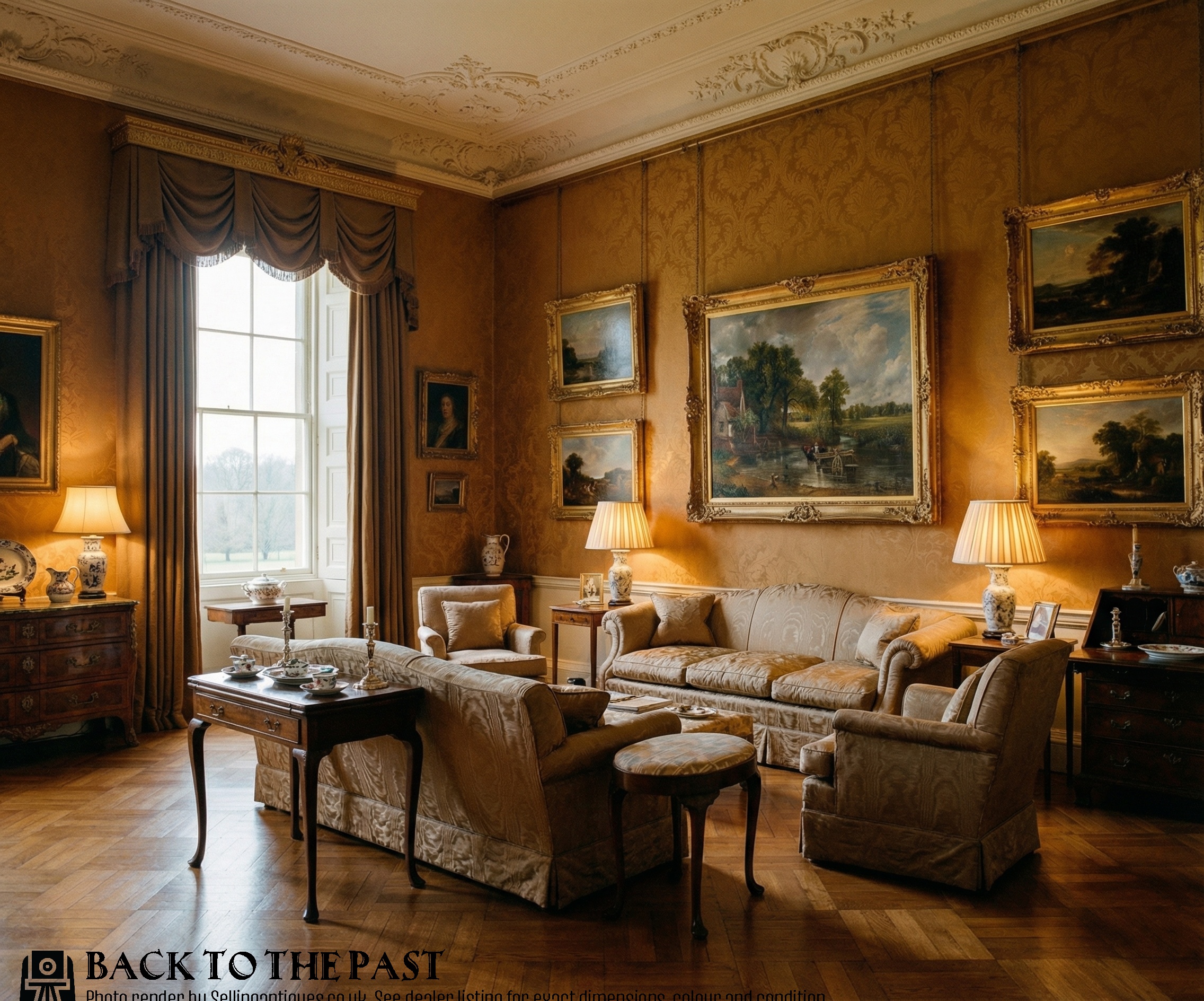
A wooden dressing stool brings period character to a bedroom, combining practical seating with substantial timber frames.
Wooden Dressing Stool
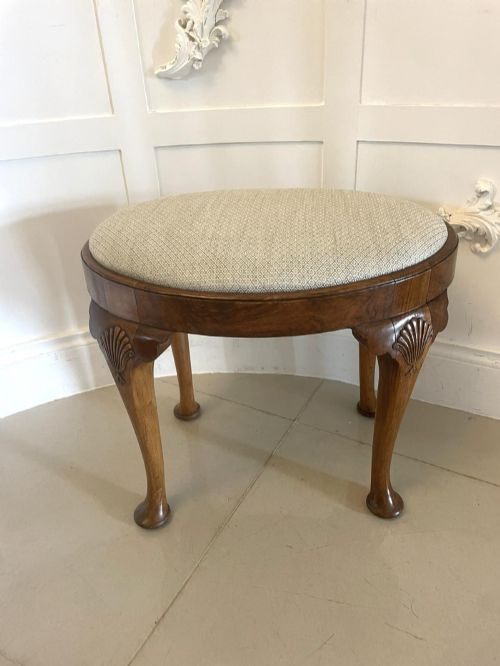
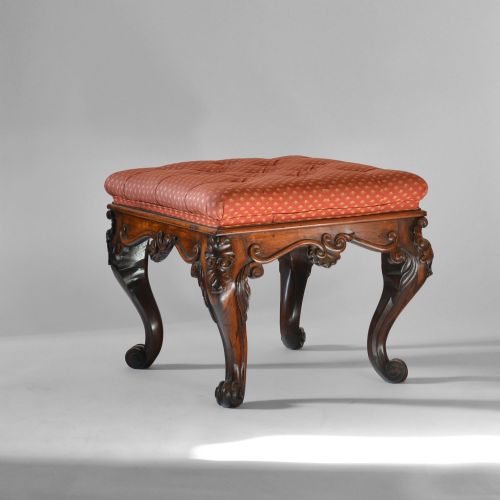
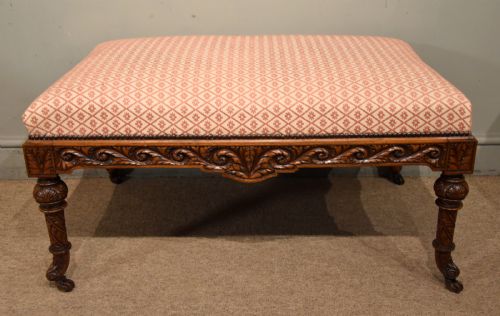
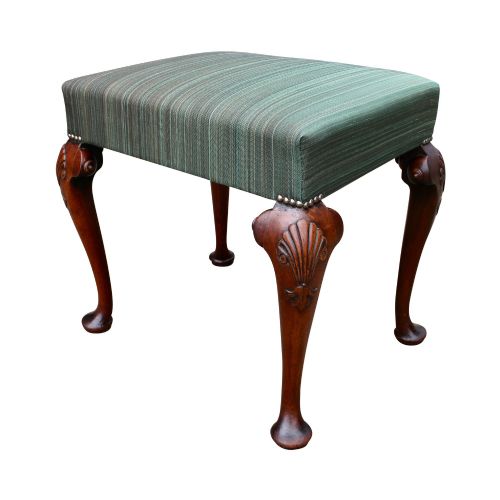
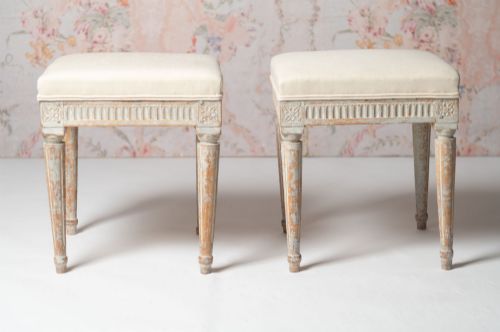
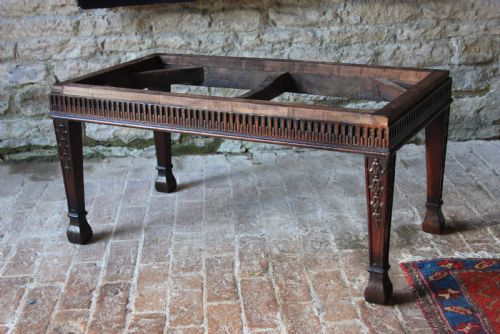
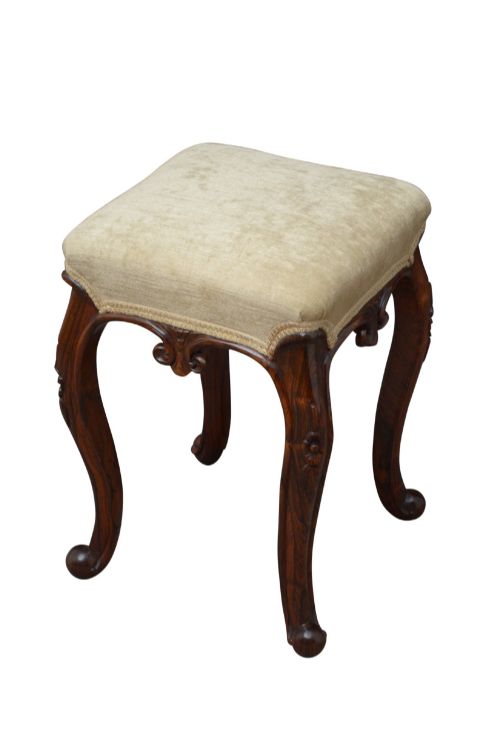
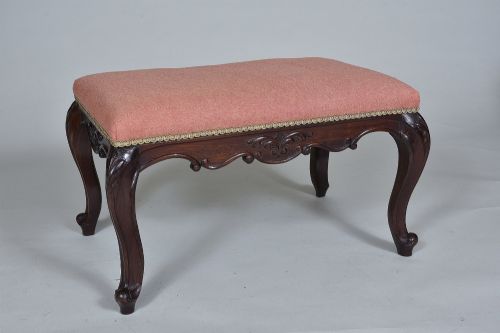
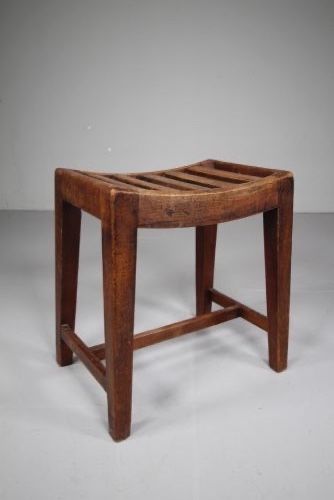
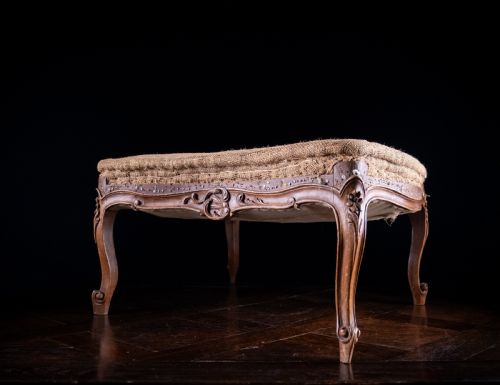
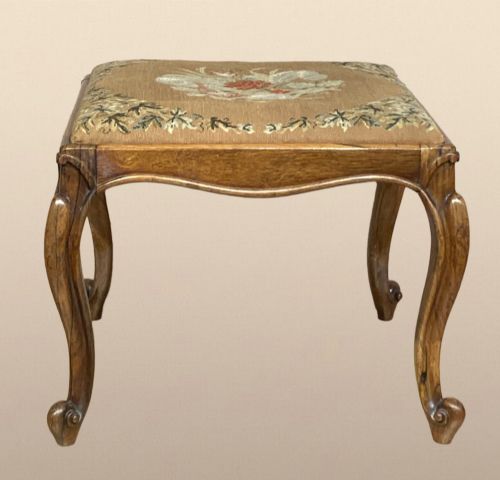
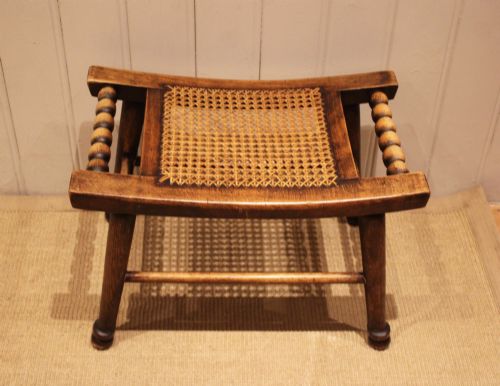
A wooden dressing stool is a low seating piece designed specifically for placement beside a vanity or dressing table. The selections visible here encompass forms ranging from compact Victorian rosewood examples to geometric Art Deco designs in birds-eye maple and oak.
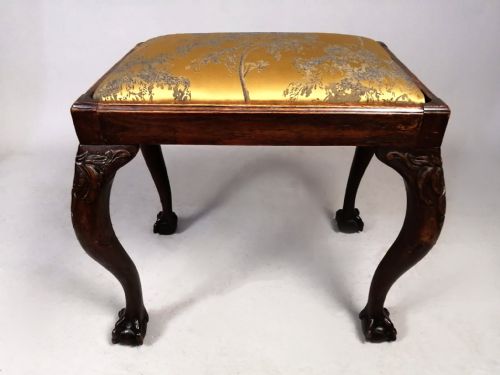
Buyers will encounter several distinct periods, with Victorian and 19th-century walnut or mahogany pieces appearing alongside earlier 18th-century Georgian styles and 20th-century Arts and Crafts or Art Deco interpretations. These items frequently share space with related low seating such as footstools and piano benches.
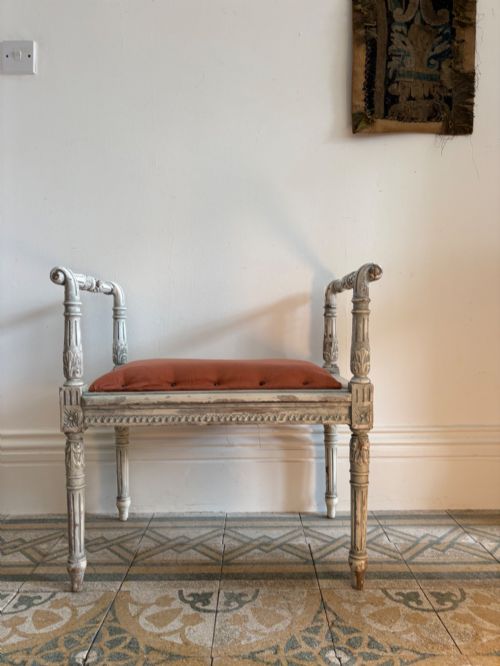
Origin and regional craftsmanship vary widely across the selection. English mahogany and walnut pieces sit alongside Swedish Gustavian painted frames, French decorative carved stools, and Anglo-Indian rosewood works.
Materials and construction
Cabinetmakers constructed these frames using dense hardwoods such as mahogany, walnut, rosewood, oak, and beech, frequently shaping timber into cabriole legs or straight supports. Selected pieces utilise exotic timbers like goncalo alves wood or feature ebonised surfaces.
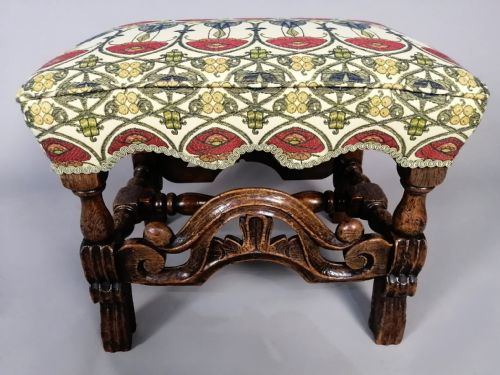
Upholstery methods involved securing textile, silk, tapestry, needlework, or leather over padded seats, sometimes incorporating cane panels. Brass details appear on specific frames as decorative or structural accents.
Judging quality in timber and form
Quality rests in the precision of the timber carving and the integrity of the frame construction. Finer examples display crisp hand-carved details, such as cabriole legs with well-defined knees and scrolls, rather than soft or repetitive machine milling.
The choice of primary wood significantly elevates a piece, with figured walnut, rosewood, and birds-eye maple representing higher tiers of craftsmanship compared to standard domestic hardwoods. Original upholstery materials and period textiles further distinguish superior examples from later replacements.
Harry & Lou Epstein·J. Shoolbred
The Wooden Dressing Stool Glossary
- Cabriole leg
- A furniture leg that curves outward and tapers inward to a foot, typical of 18th-century and revival designs. This shape mimics animal legs and requires skilled woodworking.
- Ebonised
- Timber treated with a finish to imitate ebony. This process gives lighter woods a dark, polished black appearance popular in Victorian furniture.
- Gustavian
- The Swedish interpretation of French Neoclassical design, characterised by restrained carving and pale painted finishes. These pieces date from the late 18th century and later revivals.
- Needlework
- Hand-stitched textile used for upholstery, often featuring floral or geometric patterns. Needlework seats are typical of period footstools and dressing benches.
- Arts and Crafts
- A design movement prioritising traditional craftsmanship and visible construction over industrial ornament. Pieces from this tradition often feature solid oak and unadorned surfaces.
Wooden Dressing Stool: Frequently Asked Questions
How do I match a stool to a table?
Match a wooden dressing stool to a dressing table by considering the period style and wood tone, such as pairing a Victorian mahogany stool with a contemporary vanity table.
Proportions are equally vital to ensure the seat height allows comfortable access to the mirror and drawers.
Are these stools suitable for daily use?
Most wooden dressing stools are sturdy enough for daily sitting if the frame joinery remains solid and secure. Checking the structural stability of the legs prevents wobbling during regular use.
Upholstered tops can withstand normal wear, though delicate silk or antique tapestry seats benefit from gentle treatment.
How do I identify a Victorian stool?
Identify a Victorian stool by looking for dark dense timbers like rosewood or walnut paired with heavy turned or cabriole legs. These pieces frequently feature button upholstery or elaborate carved flourishes.
Construction methods from this era often include machine-assisted joinery alongside traditional hand-finishing.
Can I reupholster an antique stool?
You can reupholster an antique stool using modern or period-appropriate textiles to refresh the appearance. Many collectors prefer retaining original needlework or leather where preservation allows.
Professional upholstery ensures the internal padding matches the historical character of the frame.