

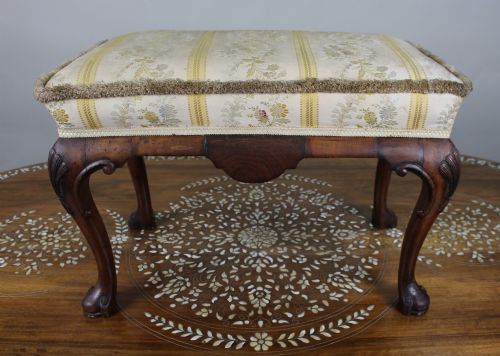
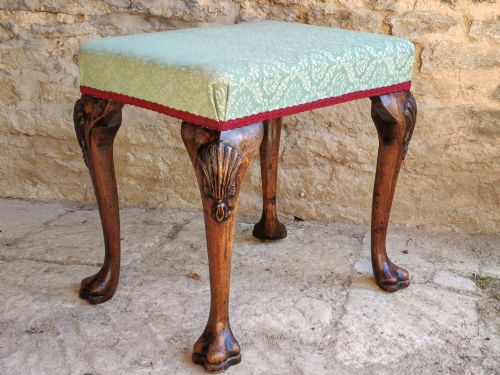
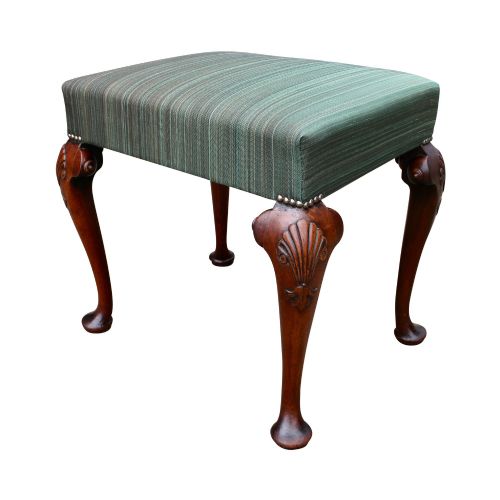
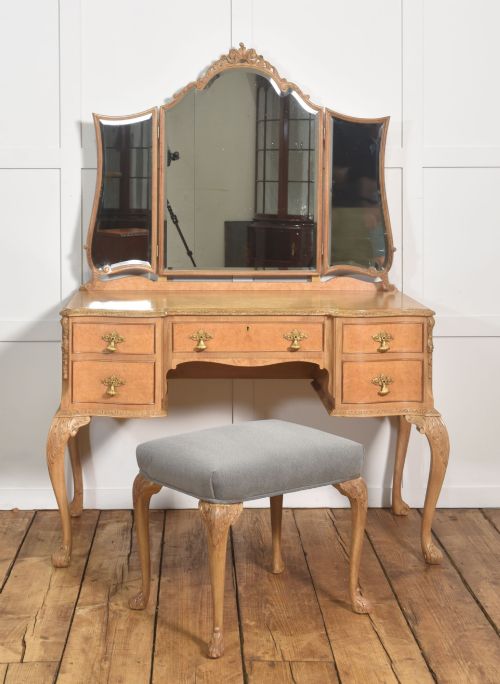


Queen Anne Vanity Stool
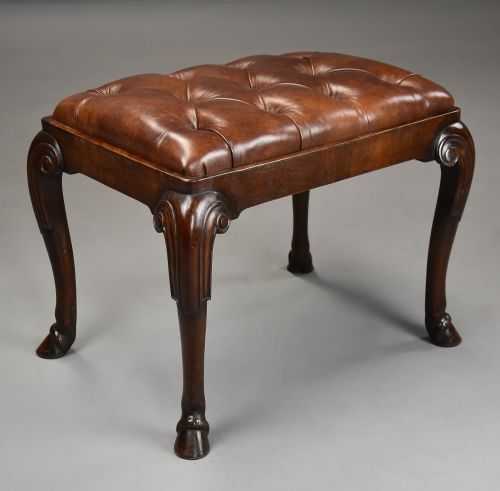
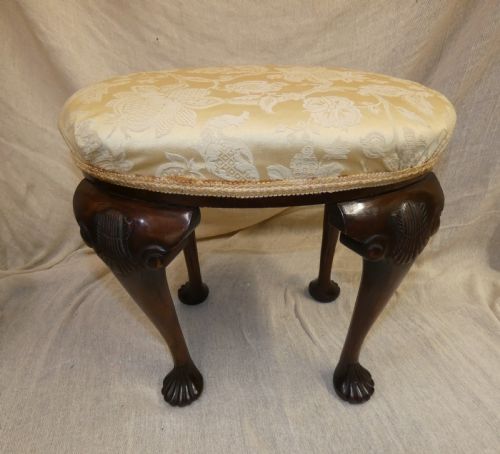
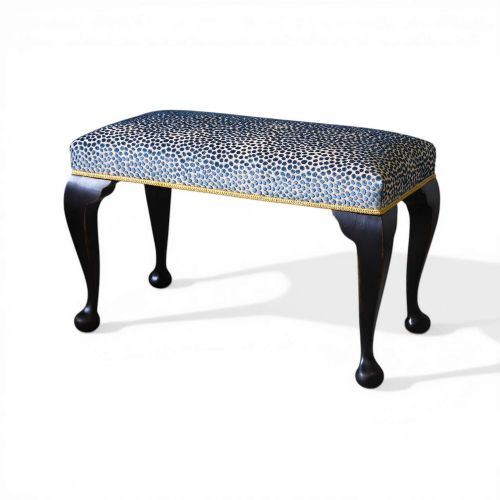
These queen anne vanity stool examples bring classic cabriole lines and upholstered comfort directly to a dressing area.
Queen Anne Vanity Stool
A queen anne vanity stool serves as a low seat for a dressing table, combining practical function with characteristic period design. Buyers seeking this search phrase encounter compact wooden frames designed to slide neatly beneath a vanity or dressing bureau.
Most pieces found here date from the nineteenth and early twentieth centuries, spanning revival periods alongside older examples. These later interpretations adopt the distinct silhouettes and leg forms of earlier centuries while serving modern domestic spaces.
Forms vary from simple oval and rectangular seats to paired items and dressing table sets incorporating mirrors. The focus remains on short wooden frames built specifically for seated grooming and dressing routines.
How They Were Made
Makers shaped these frames predominantly from walnut and mahogany, relying on the strength of dense timbers to support curved legs. Selected pieces incorporate ebonised finishes or brass elements to accent the primary wood.
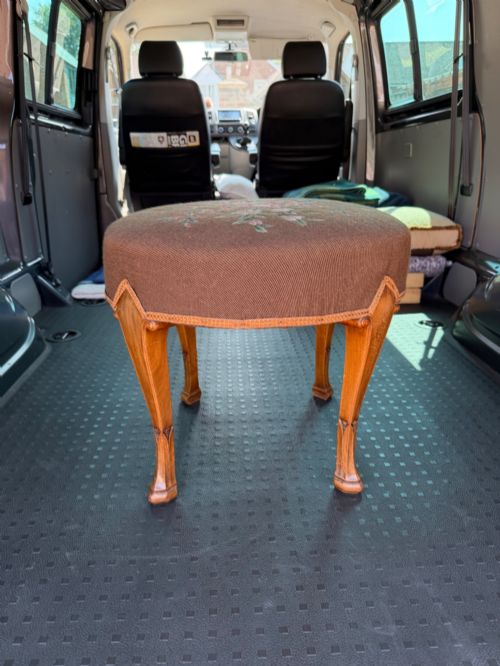
Upholstery forms a vital component of construction, utilising traditional textiles, wool, and tapestry over padded seat bases. Needlepoint and woven fabrics are secured to the wooden rails to provide a durable top surface for daily use.
Queen Anne Vanity Stool Retail Price Guide 2026
Typical asking prices for queen anne vanity stool among the pieces listed under this phrase on Sellingantiques today, from the lower quarter to the upper quarter. They describe what is for sale here now, not the wider market.
The inventory records various seating forms, pairing standard dressing stools with needlepoint upholstery and occasional piano stools.
What Varies in Quality
Construction precision defines the upper tier of these pieces, particularly in the carving of the legs and the tightness of the frame joints. Finely shaped timber demonstrates a maker's control over the grain and structural balance.
The choice of upholstery materials and the execution of needlepoint or textile work distinguish standard examples from finer commissions. Original fabric integrity and the weight of the timber frame together determine the overall standing of an individual stool.
The Queen Anne Vanity Stool Glossary
- Cabriole leg
- A furniture leg that curves outward at the knee and tapers inward toward the foot, mimicking animal limbs. This characteristic shape defines the traditional aesthetic of the Queen Anne style.
- Dressing stool
- A low seat designed specifically for use alongside a dressing table or vanity unit. These pieces typically feature compact proportions to fit neatly underneath furniture surfaces.
- Needlepoint
- A type of counted thread embroidery stitched onto a stiff open-weave canvas. It frequently covers the upholstered tops of period dressing stools.
- Revival
- A design movement that imitates the aesthetic styles of earlier historical eras. Pieces in this category often date from the nineteenth and early twentieth centuries while copying eighteenth-century forms.
- Upholstery
- The materials, including padding, webbing, and fabric, that form the soft seating component of a frame. Traditional examples utilise wool and textiles fixed over supportive bases.
Queen Anne Vanity Stool: Frequently Asked Questions
How do I date a walnut stool?
Dating relies on examining timber characteristics, construction methods, and the style of the leg framing. Revival pieces from the nineteenth and twentieth centuries often feature different internal joinery compared to earlier work.
Secondary materials and upholstery techniques also provide clues to the decade of manufacture. Comparing the leg curvature and wood patina against documented period examples helps confirm the age.
Were these stools used only for dressing?
While primarily designed as dressing table seats, these compact pieces served multiple roles in domestic rooms. Their modest height made them suitable as footstools or occasional extra seating.
Versatility defined their placement in bedrooms and parlours alike. Owners moved them easily between rooms depending on daily household requirements.
What is the difference between Queen Anne and Georgian styles?
The Queen Anne style specifically emphasises curved lines, pad feet, and the distinctive cabriole leg shape. Georgian design encompasses this aesthetic while later incorporating broader stylistic influences and heavier proportions.
Many pieces blend these definitions under revival headings from the Victorian and Edwardian eras. Cabinetmakers freely combined elements from both periods to satisfy contemporary interior tastes.
How should I clean antique upholstery?
Careful surface dusting and gentle vacuuming with a low-suction attachment preserve fragile historic textiles. Avoiding harsh chemical cleaners prevents damage to delicate wool and tapestry fibres.
Professional textile conservators should handle deep cleaning or structural fabric repairs. Maintaining stable room humidity protects the underlying padding and textile integrity over time.