


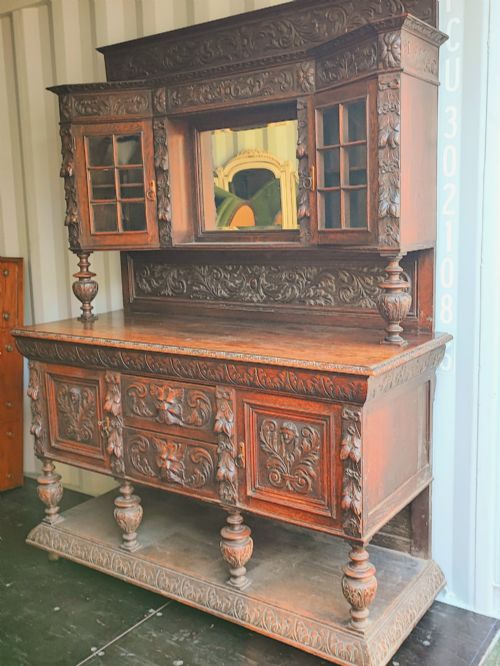
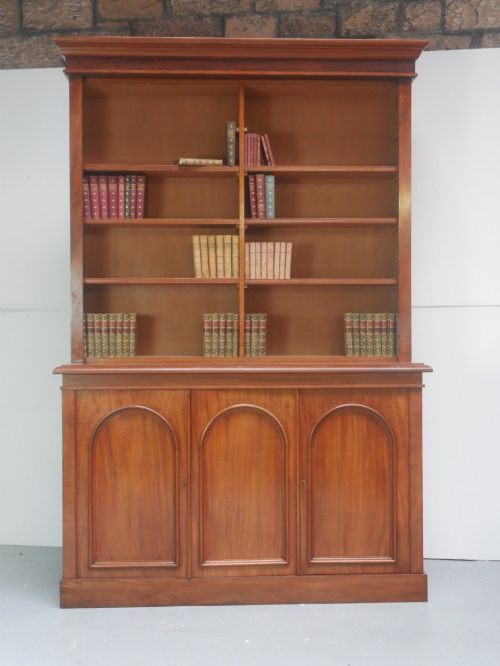
Wooden Display Cupboard
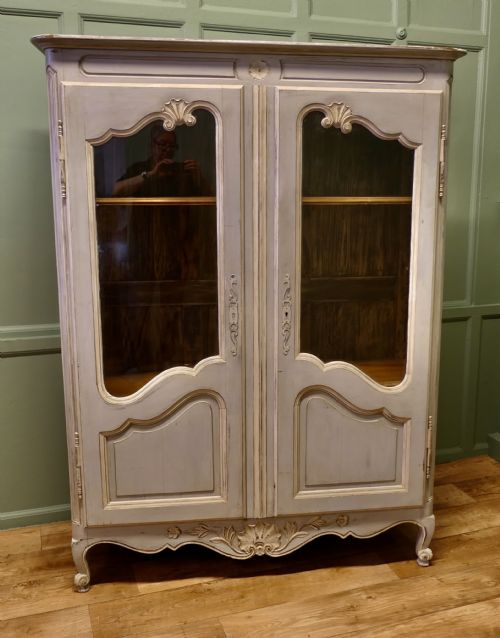
A wooden display cupboard organises your collection behind glass panels, bringing warmth and structure to a room.
Wooden Display Cupboard
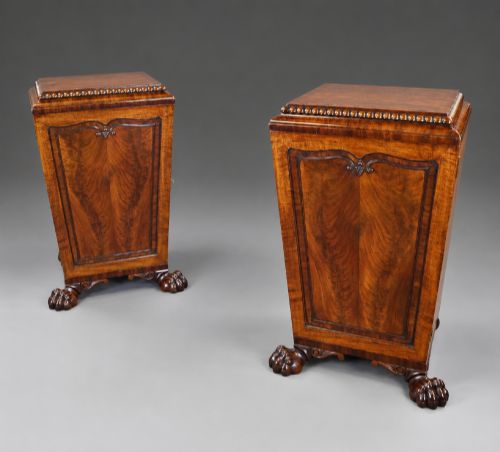
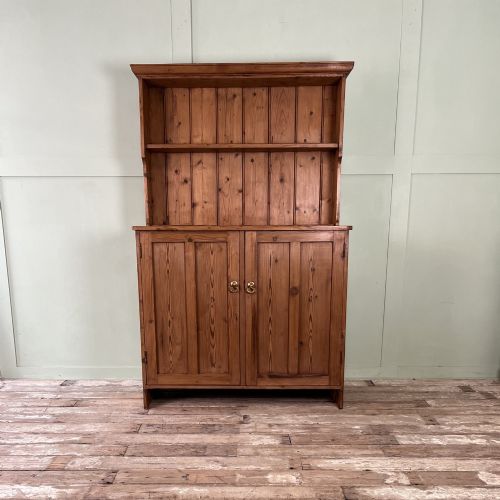
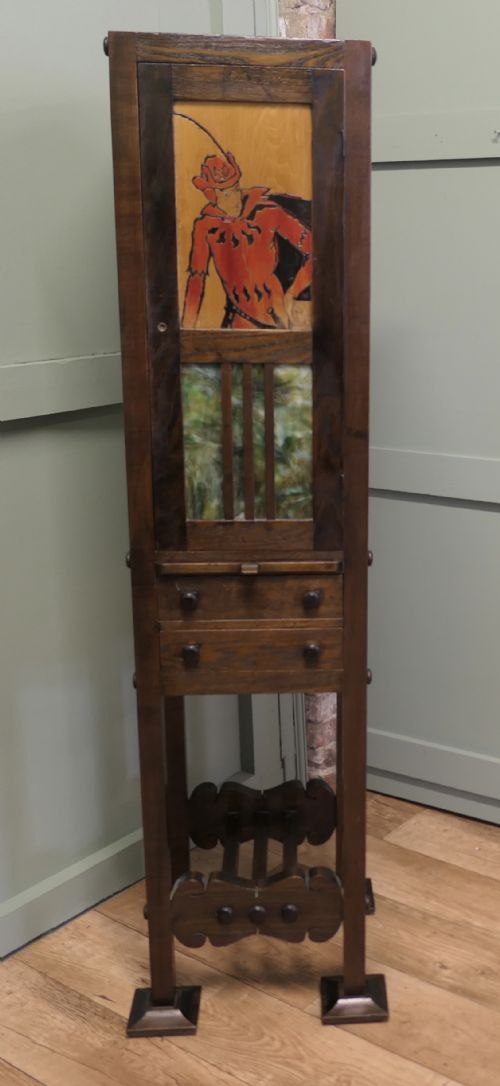
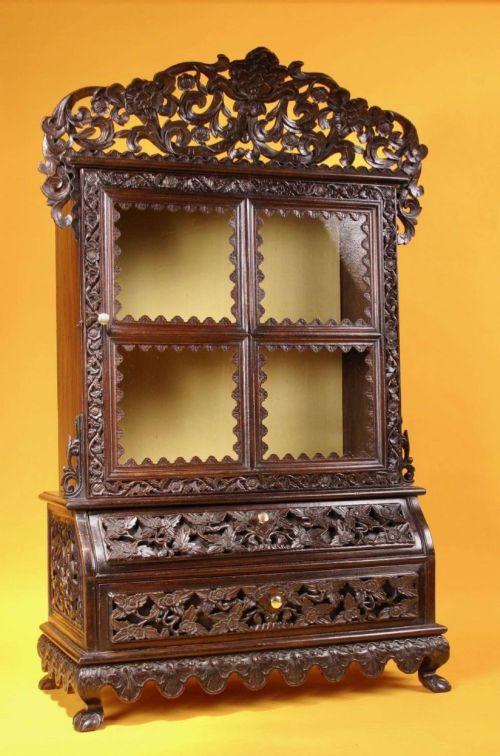
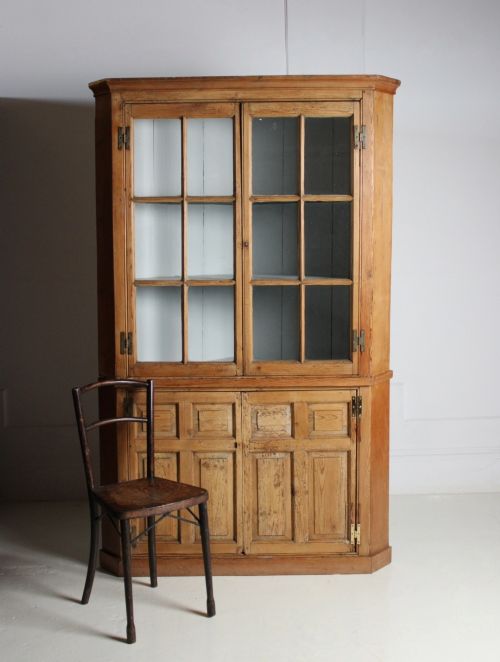
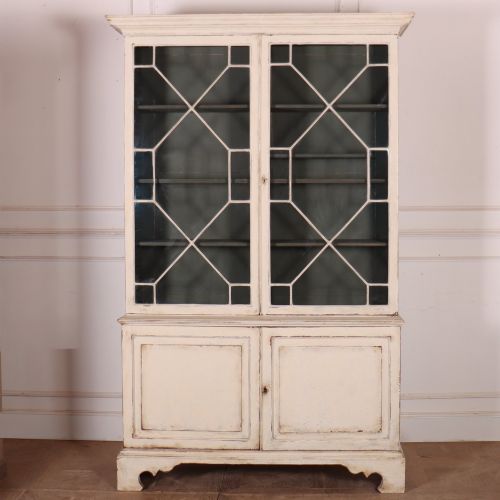
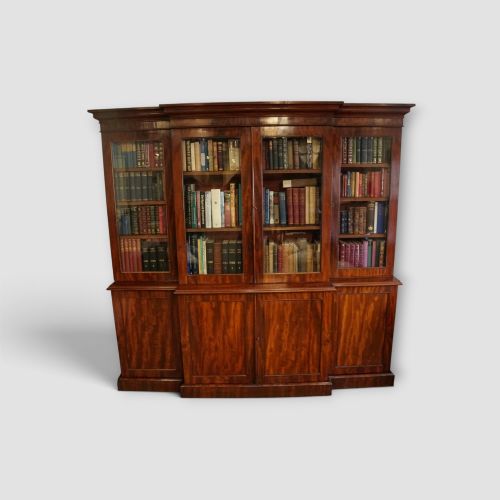
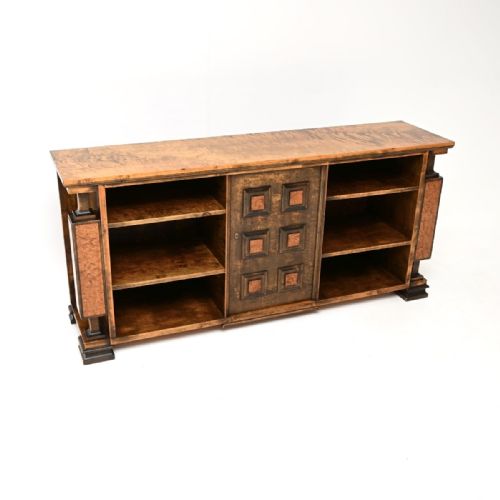
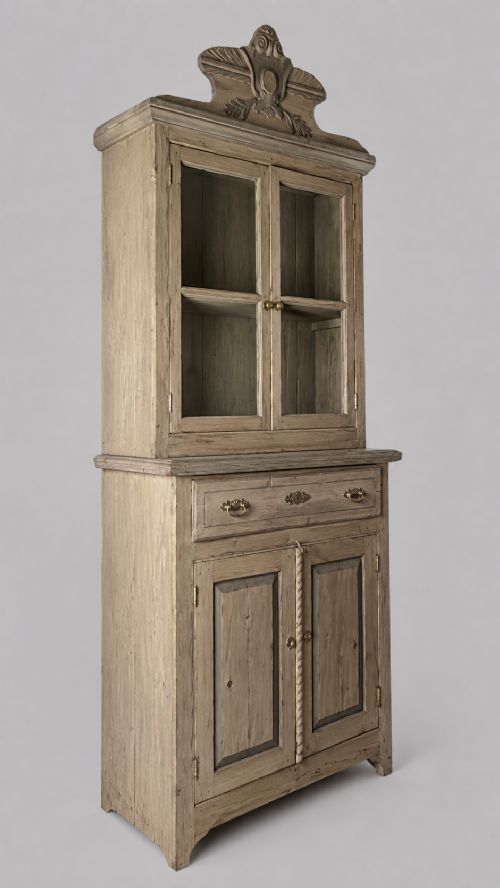
When you search for a wooden display cupboard, you encounter a variety of forms designed to showcase and store possessions. These pieces range from tall architectural bookcases and breakfronts to compact corner cupboards and chiffoniers.
The selections span multiple eras, including Georgian, Victorian, and Edwardian periods, alongside continental examples. Mahogany, oak, and walnut dominate the structural choices, often paired with glazed doors to reveal the interior shelves.
You are most likely to meet mahogany bookcases and oak corner cupboards on this page. These versions reflect common domestic storage needs across the eighteenth and nineteenth centuries.
Construction and materials
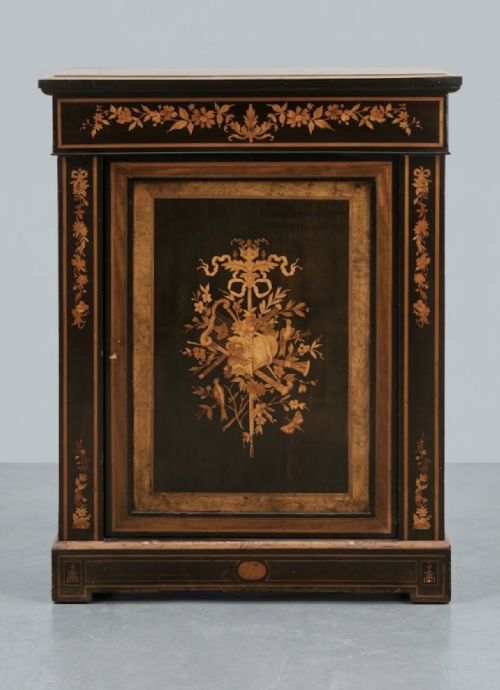
Cabinet makers utilised dense hardwoods such as mahogany, oak, and walnut for the primary frames and carcases, ensuring structural stability for heavy shelving. Satinwood, harewood, and amboyna provided contrasting veneers for decorative panels and inlay work.
Glass panels were fitted into wooden doors to protect contents from dust while maintaining visibility. Brass hardware, including hinges, escutcheons, and locks, completed the functional assembly of these storage pieces.
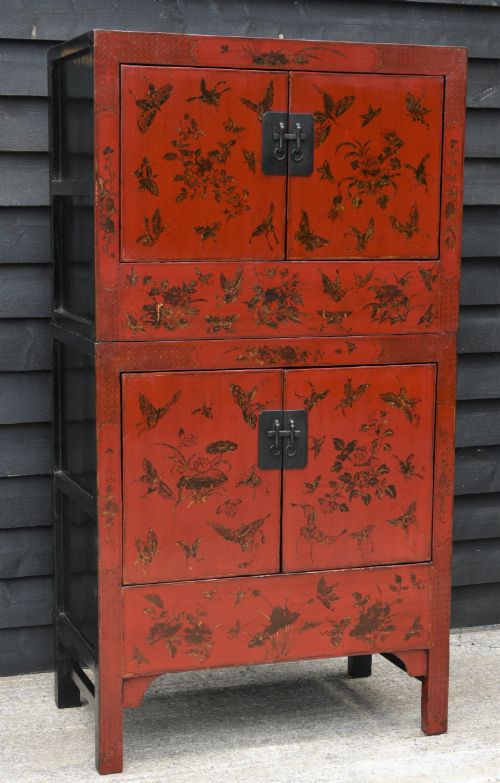
Marriage cabinets bring vibrant red lacquer into domestic spaces, originally intended to bless newly united couples.
Judging quality
The selection of timber dictates the initial calibre of a piece, with figured mahogany and quarter-sawn oak representing superior material choices. Timber selection directly impacts how well the cabinet ages and holds its structural integrity.
Execution of decorative details, such as marquetry, carved mouldings, and fitted glazing bars, separates standard workshop production from finer cabinet-making. Precision in joinery ensures doors hang straight and drawers operate smoothly within the carcase.
Edward Holmes Baldock
The Wooden Display Cupboard Glossary
- Breakfront
- A large cabinet or bookcase where the central section projects forward from the flanking wings. This architectural arrangement creates depth and visual interest in formal rooms.
- Glazing bar
- The narrow wooden strip that holds individual panes of glass within a cabinet door. Finer bars indicate higher craftsmanship.
- Marquetry
- Decorative veneer patterns formed by fitted pieces of different coloured wood or other materials. It creates pictorial or geometric designs on cabinet surfaces.
- Chiffonier
- A low sideboard or cupboard developed in the nineteenth century, often featuring shelves or a small superstructure on top. It served utility and display functions in domestic interiors.
- Vitrine
- A glass-fronted cabinet designed specifically for displaying porcelain, curiosities, or fine objects. These pieces prioritise visibility through all-glass or heavily glazed doors.
Wooden Display Cupboard: Frequently Asked Questions
How do I date a wooden display cupboard?
Dating relies on examining construction methods, timber choices, and stylistic markers such as bracket feet, cornice details, and hardware. Secondary woods inside drawers and backboards offer reliable clues to the manufacturing era.
Comparing the proportions and decorative motifs against known historical periods helps narrow down the decade of production.
Can I use a corner cupboard in a modern room?
Corner cupboards make efficient use of unutilised wall junctions while providing vertical storage space. They fit well in dining rooms, hallways, or living spaces where floor area is limited.
The warm tones of oak and mahogany complement contemporary neutral interiors by adding texture and historical contrast.
What is the difference between a bookcase and a vitrine?
Bookcases generally feature adjustable wooden shelves designed to hold volumes of books, sometimes behind lower wooden doors or upper glazed panels. Their primary historical function was library storage.
Vitrines focus entirely on display, frequently featuring glass on the sides as well as the front to illuminate delicate objects from multiple angles.
How do I care for antique timber cabinets?
Keep wooden cabinets away from direct heat sources and strong sunlight to prevent the timber from warping or the French polish from fading. Dust regularly with a soft, dry cloth and apply appropriate wax sparingly.
Maintain a stable room humidity to protect old veneers and prevent glue joints from drying out over time.