
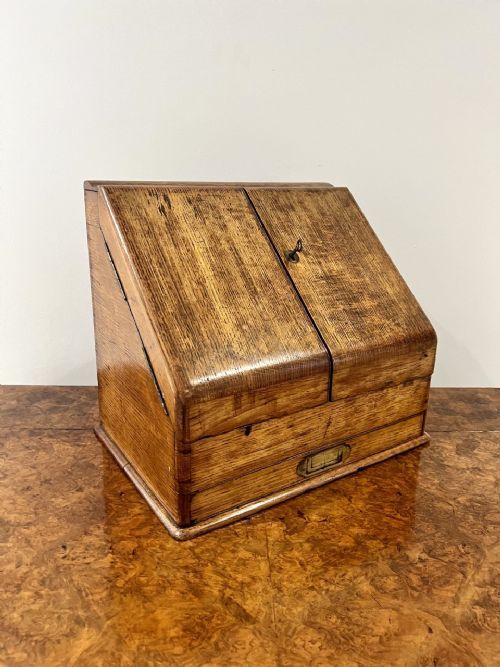


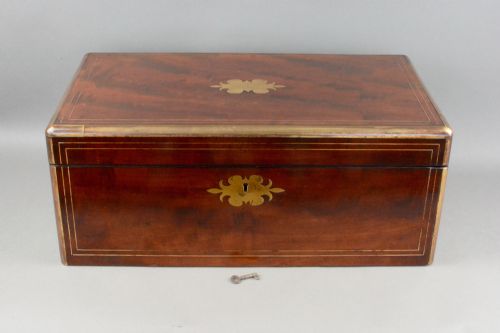

Wooden Desk Box Key
These wooden desk box key items are small pieces of period hardware that open writing slopes and letter boxes from the nineteenth century.
Wooden Desk Box Key
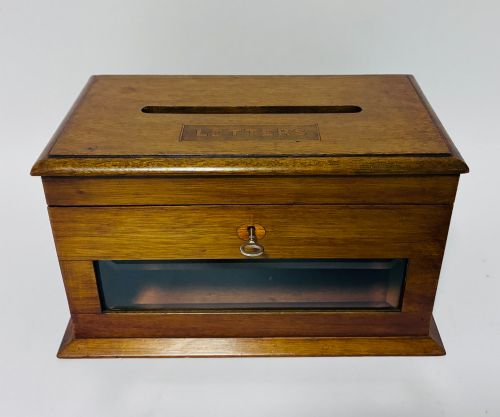
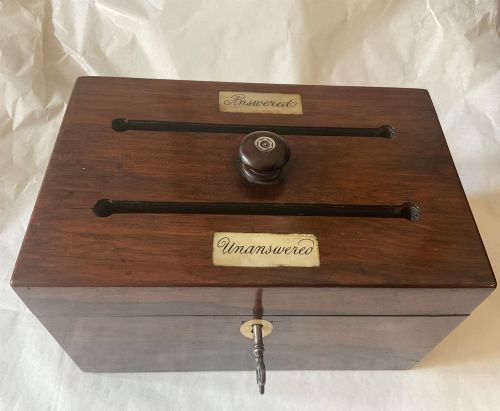
A wooden desk box key unlocks a variety of nineteenth century writing slopes, stationery boxes and letter boxes. These small implements accompany utilitarian items used for correspondence and record keeping in country houses and offices.
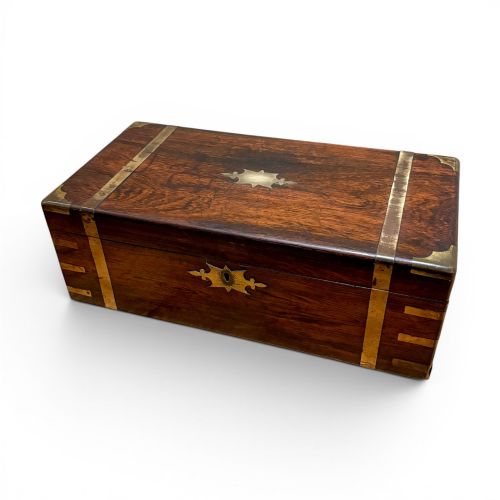
The versions most commonly met on this page date from the Victorian and Regency periods. They open fitted boxes made from mahogany, walnut, rosewood and oak, often featuring brass binding and secret drawers.
Beyond standard writing boxes, the range includes specialised campaign pieces, country house letter boxes and Arts and Crafts correspondence containers. Each piece relies on its matching key to secure its contents.
How they were made
These items are fashioned from ferrous metals or brass, shaped to engage with interior mechanisms such as Bramah locks. Blacksmiths and metalworkers cast and filed the wards by hand to fit specific locking arrangements.
The boxes they open demonstrate cabinet making techniques of the nineteenth century, utilising dense timbers like mahogany, walnut, rosewood, satinwood and oak. Artisans integrated mother of pearl inlay, brass binding and secret compartments into the wooden bodies.
One remarkably specific Victorian box on record replicates a railway coal wagon, proving that nineteenth century desk accessories had a playful side.
What varies in quality
Quality rests in the precision of the metalwork and the integrity of the match between the key and the lock. Heavier gauge metal and crisper filing distinguish finer examples from standard production pieces.
The corresponding boxes show variation in timber selection, such as figured walnut and satinwood, alongside sophisticated locking mechanisms by makers like Bramah. The presence of original working keys elevates the completeness of the ensemble.
The Wooden Desk Box Key Glossary
- Writing slope
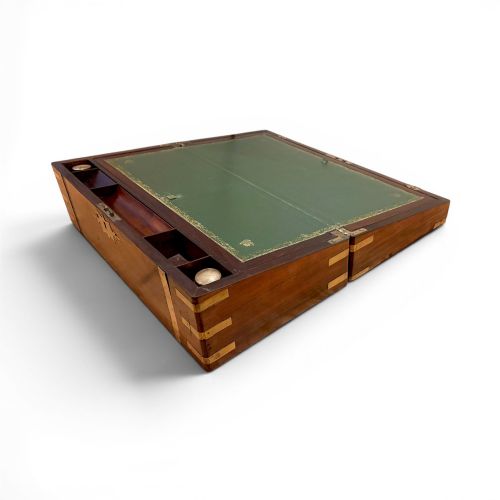
- A portable slant-topped desk designed for correspondence, featuring a sloping lid that opens to reveal a fitted interior for pens and paper. These boxes often house secret drawers beneath the writing surface.
- Bramah lock
- A high-security lock patented by Joseph Bramah in the eighteenth century, known for its cylindrical key and complex slider mechanism. Such locks frequently appear on better quality nineteenth century writing boxes.
- Campaign style
- Furniture and accessories built for travel and military campaigns, characterised by brass corners, flush handles and robust construction. These pieces were designed to withstand frequent transport.
- Stationery box
- A tabletop container constructed to hold envelopes, paper and writing implements in an upright or tiered arrangement. They are often found in Victorian libraries and studies.
Wooden Desk Box Key: Frequently Asked Questions
What do these keys open?
These keys operate the locks on nineteenth century writing slopes, stationery boxes and letter boxes. They turn in mechanisms ranging from standard lever locks to complex Bramah designs.
Most items are paired with wooden boxes made from mahogany, walnut or rosewood. The keys ensure the security of secret drawers and internal compartments.
How do I know if a key is original?
Determining originality involves examining the wear patterns on the metal and the fit within the specific lock. An authentic key turns smoothly without forcing the internal wards.
Period keys show age-appropriate patination and match the metallurgical standards of the nineteenth century. Exact alignment with the lock mechanism is the primary indicator.
What woods are common in these boxes?
Nineteenth century boxes commonly utilise dense hardwoods such as mahogany, walnut and rosewood. More decorative examples incorporate satinwood, ebony or golden oak.
Many of these timber bodies feature brass binding and inlay to protect the edges during daily use or travel.
How were writing slopes used?
A writing slope provided a portable writing surface before the widespread use of fitted desks. The angled lid offered a comfortable plane for handwriting letters and managing correspondence.
Inside, compartments held inkwells, nibs and paper, while secret drawers stored private papers and valuables.