




Wooden Decanter Stand
These wooden decanter stand pieces combine function with period craftsmanship, offering a practical way to present bottles while bringing traditional character to a room.
Wooden Decanter Stand
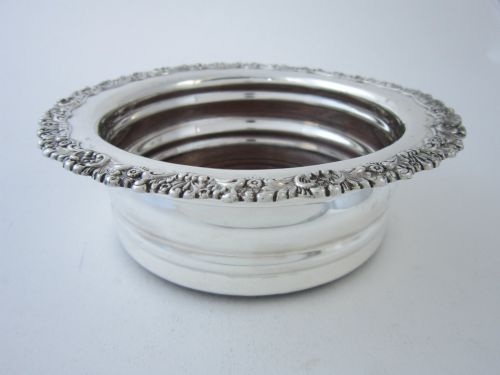
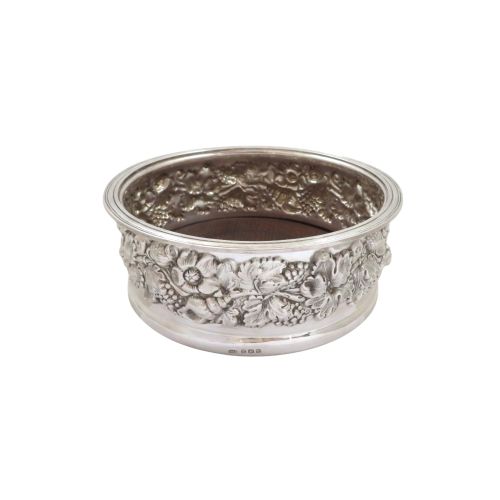
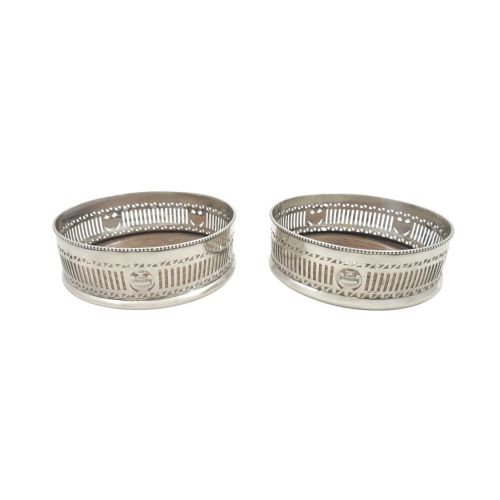
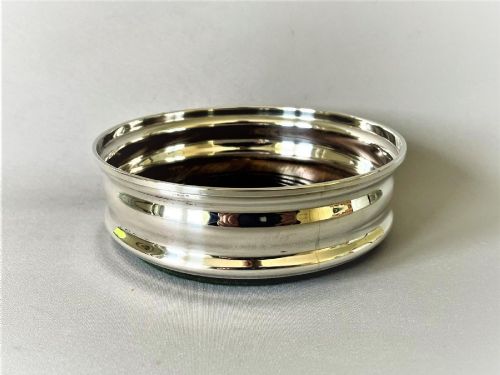
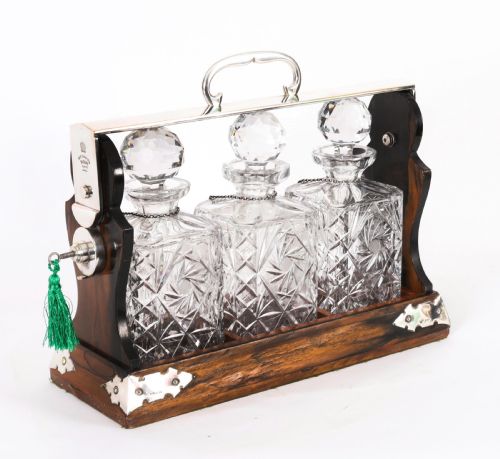
A wooden decanter stand serves to hold and display wine bottles and decanters securely upon a surface. The examples found here range widely in form, from single bottle coasters to multi-bottle tantalus units.
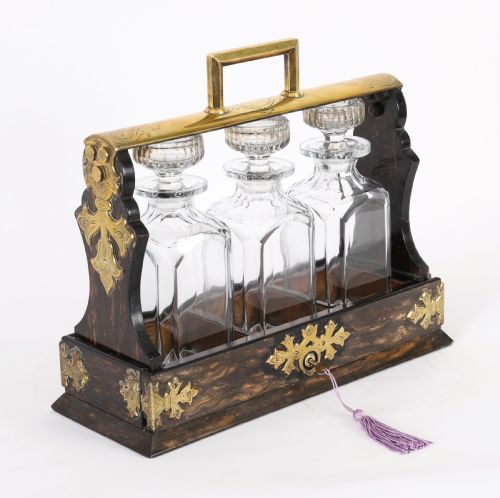
Forms include wine coasters, bottle stands, and compartmentalised frames designed for entertaining. Many incorporate silver plate, brass mounts, or cut glass to complement the timber bodies.
How they were made
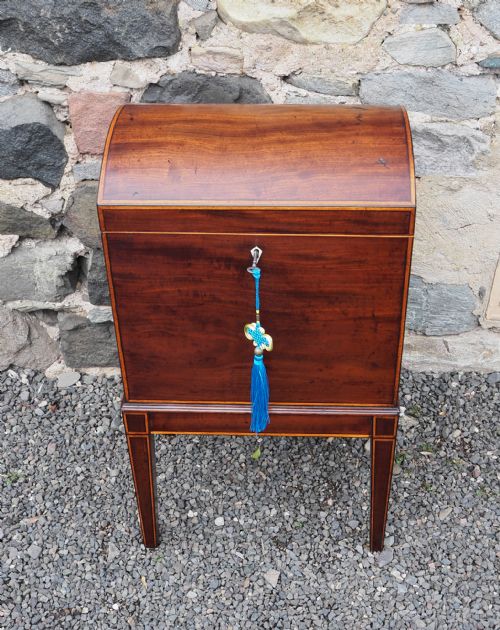
Cabinet makers utilised dense timbers such as mahogany, oak, walnut, rosewood, and coromandel to build sturdy frames capable of supporting heavy glass decanters. These woods were often shaped, turned, or polished to highlight natural grain patterns.
Metal elements including sterling silver, silver plate, brass, and Old Sheffield plate were integrated as mounts, handles, rims, and locking mechanisms. Craftspeople applied marquetry stringing and decorative turning to enhance the visual appeal of the wooden structures.
A tantalus keeps guests from sampling the brandy by locking the decanter necks firmly in place while displaying every drop.
What varies in quality
The standard of a wooden decanter stand rests upon the selection of timber and the precision of its joinery. Superior examples display finely figured grain, robust construction, and well-fitted hardware that withstands repeated handling.
Another distinction lies in the integration of secondary materials, such as heavy cut crystal bottles, hallmarked sterling silver mounts, and working locking mechanisms on tantalus models. Lesser pieces rely on simpler plated fittings and plain timber without decorative stringing.
Betjemann·John and Thomas Settle·Mein of Kelso
The Wooden Decanter Stand Glossary
- Tantalus
- A locking drink cabinet that holds decanters securely visible while preventing access without a key. This device typically employs a wooden frame fitted with a metal bar and handle.
- Wine Coaster
- A small portable tray or stand designed to hold a single bottle on a dining table. These items frequently feature wooden bases surrounded by silver plated rims.
- Old Sheffield Plated
- A composite material formed by fusing a thin sheet of silver to a thicker copper base. Makers utilised this technique before the invention of electroplating.
- Marquetry
- The art of applying thin veneers of different woods to a structure to create decorative patterns. Craftsmen used this method to adorn panel surfaces on period boxes.
- Treen
- Small handmade wooden household objects fashioned by turning or carving. This category encompasses domestic items produced across various past centuries.
Wooden Decanter Stand: Frequently Asked Questions
How do I use a wine coaster?
Wine coasters sit on the dining table to hold bottles and protect polished wood surfaces from moisture rings. Diners slide the wooden or metal stands across the table between guests.
Most examples feature a felted underside and a raised rim to keep the bottle stable. They suit both formal dining and casual entertaining settings.
How can I tell Georgian pieces apart?
Georgian items typically feature solid mahogany construction with understated elegance and traditional cabinet making techniques. Makers focused on clean lines and rich timber grains rather than heavy ornamentation.
Later Victorian and Edwardian examples often incorporate more complex hardware, such as brass mounts, silver plate, and locking bars. Comparing the wood choice and metalwork helps indicate the period of origin.
What woods were commonly used?
Cabinet makers predominantly selected durable hardwoods including mahogany, oak, walnut, and rosewood for these stands. Exotic timbers like coromandel appear on finer pieces from the later periods.
These materials provided the structural strength needed to hold heavy glass decanters and silver components. The natural grain was polished to highlight the appearance of the timber.