




Victorian Spirit Stand
These Victorian spirit stand pieces combine refined metalwork and glass to hold after-dinner drinks or boiling water for hospitality.
Victorian Spirit Stand
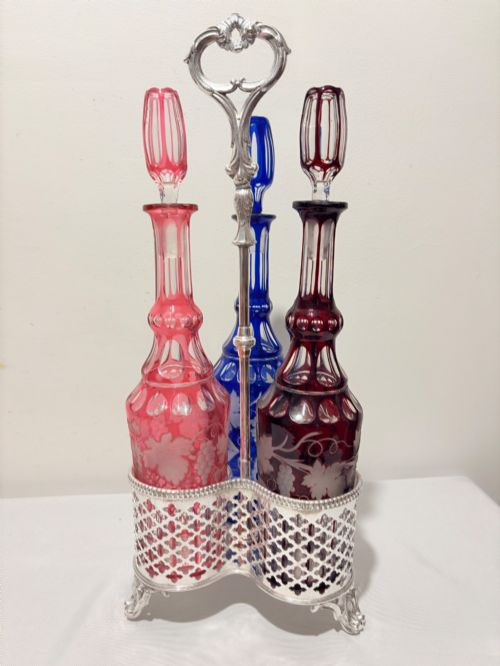
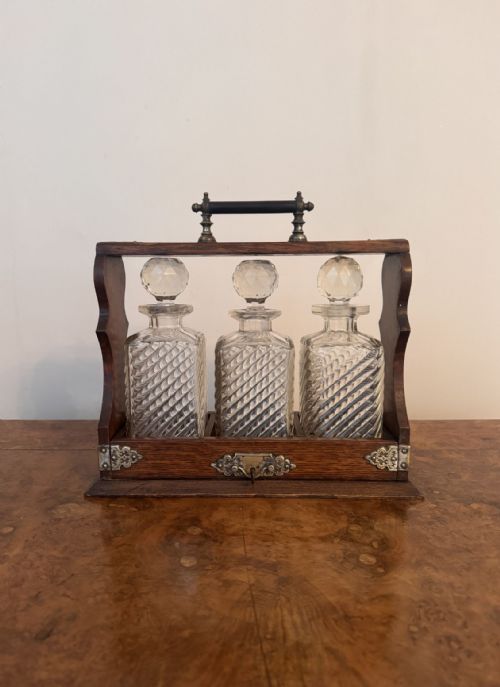
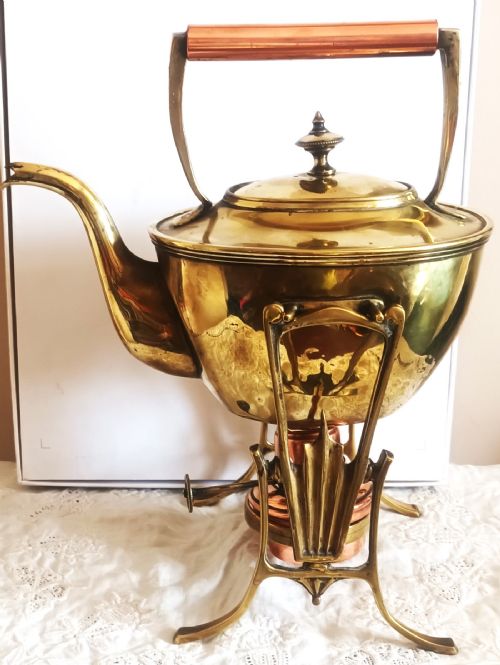
A victorian spirit stand encompasses both locking decanter frames known as tantaluses and boiling kettles mounted on metal frames with burners. The evidence shows these pieces appearing across the nineteenth century and into the Edwardian period in forms including oak cases, silver-plated frames, and hanging copper designs.
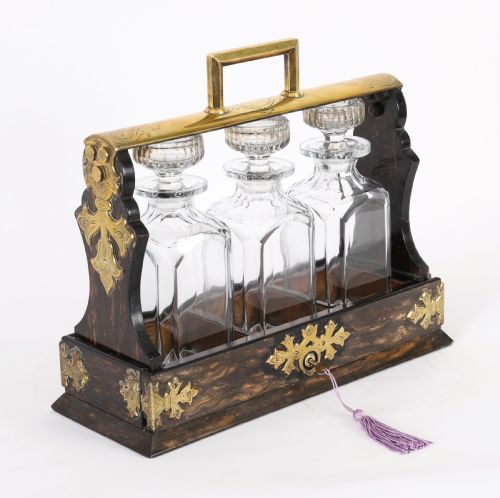
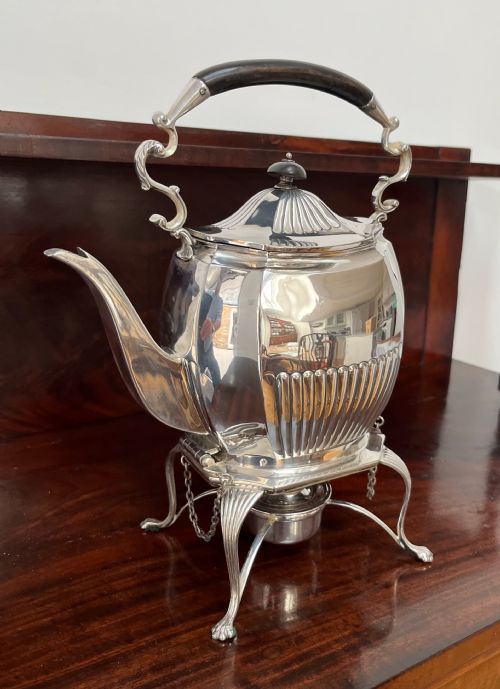
Tantaluses house two or three cut crystal decanters beneath a locking mechanism that restricts access to the contents. Spirit kettles sit above small burners on dedicated stands designed for heating water at the table or sideboard.
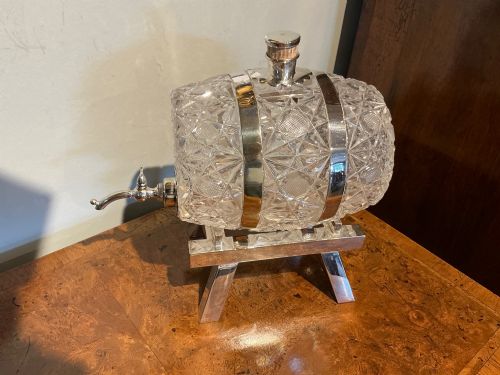
Materials span silver plate, brass, copper, and cut glass, alongside cabinet woods such as oak and coromandel. These items served functional roles in domestic entertaining during the Victorian and Edwardian eras.
Materials and construction
Makers constructed frames from cast and polished brass, copper, and silver plate over base metals, pairing them with heavy cut glass and crystal decanters. Wood-cased versions utilise solid oak and exotic veneers like coromandel and walnut, often enhanced with marquetry stringing or brass mounts.
Metal components involve combination techniques including casting, spinning, and hand-beating, particularly evident in Arts and Crafts and Aesthetic Movement copper kettles. Locking mechanisms on tantalus frames require precise engineering to secure the stoppers in place.
Tantalus frames were named after the mythical king tormented by water just out of reach.
Assessing quality in stands and kettles
Quality rests upon the weight of the metal framing, the depth of cut in the crystal decanters, and the execution of cabinetwork on wooden cases. Superior examples display crisp chasing on silver plate, substantial gauge brass or copper, and matching cut glass bottles.
Makers known for high standards, such as Elkington, Mappin and Webb, or William Soutter and Sons, imparted finer detail to handles, burners, and locking mechanisms. Finer timber selection and intricate inlay distinguish top-tier oak and coromandel tantalus boxes from simpler single-bottle versions.
William Soutter and Sons·Elkington·Mappin and Webb·Fenton Brothers
The Victorian Spirit Stand Glossary
- Tantalus
- A locking beverage frame that holds decanters securely while allowing the contents to remain visible. The locking bar prevents removal of the bottles without a key.
- Spirit Kettle
- A small metal kettle mounted on a stand above a burner. It was used to heat water for tea or grog in the dining room or drawing room.
- Cut Crystal
- Glass featuring decorative patterns cut into the surface by abrasive wheels. High-lead crystal produces greater clarity and brilliance than standard glass.
- Coromandel
- A dense, dark cabinet wood imported from Asia, featuring contrasting streaks. It was frequently used for luxury Victorian boxes and tantalus frames.
Victorian Spirit Stand: Frequently Asked Questions
What is a tantalus?
A tantalus is a locking cabinet frame designed to hold decanters of spirits. The metal bar across the stoppers prevents people from pouring drinks without the key.
First appearing in the Victorian period, these pieces were kept in dining rooms and studies. They allowed hosts to display expensive liqueurs while controlling access to the contents.
How did spirit kettles work?
Spirit kettles sit in metal frames above a small burner filled with methylated spirit or alcohol. Lighting the burner kept water hot at the tea table or after-dinner sideboard.
The stands usually include hinged arms or chains securing the burner beneath the vessel. Craftsmen produced these in brass, copper, and silver plate.
What woods were used for tantalus frames?
Oak forms the majority of wooden tantalus frames found in the evidence, often appearing in fumed or dark finishes. Finer examples utilise exotic timbers such as coromandel and walnut.
Cabinetmakers frequently embellished these boxes with brass mounts, marquetry stringing, and integrated games compartments. The wood quality directly reflects the original cost of the piece.
How do I date a spirit stand?
Dating relies on combining stylistic clues, material types, and mechanical fasteners. Victorian pieces often display ornate cast decoration, while Arts and Crafts and Aesthetic Movement examples favour hand-beaten copper and simpler geometric lines.
Maker marks stamped onto metal frames provide the most reliable chronological anchor. Surviving keys and original cut glass bottles also help confirm period authenticity.