



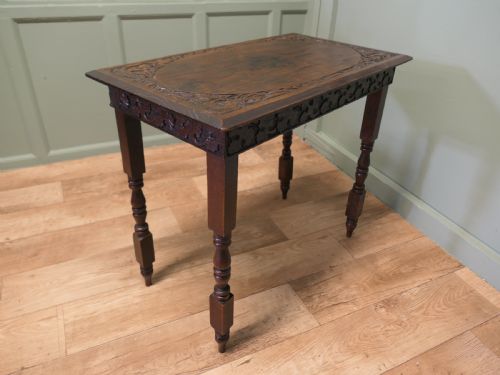
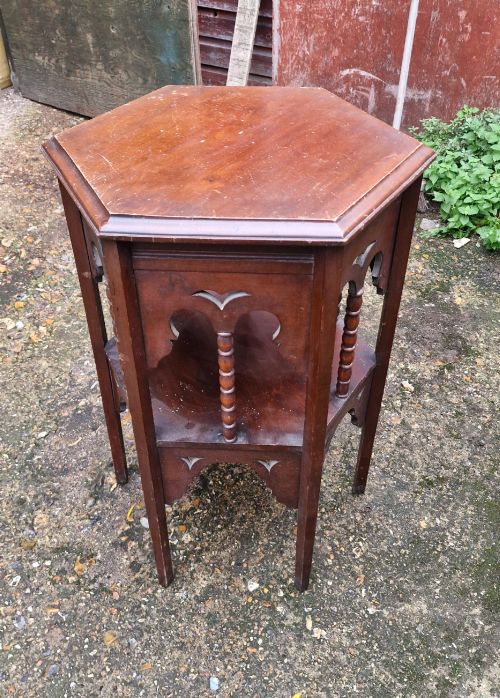
Wooden Craft Table
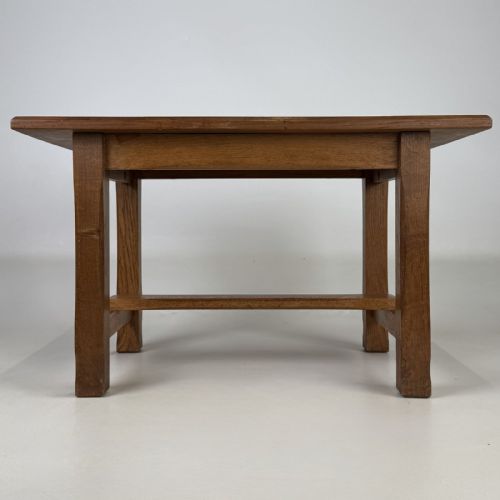
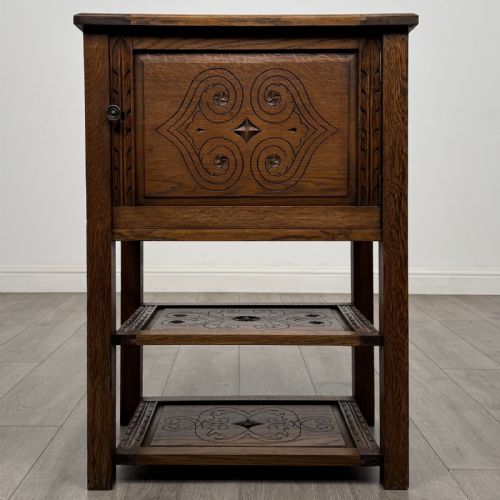
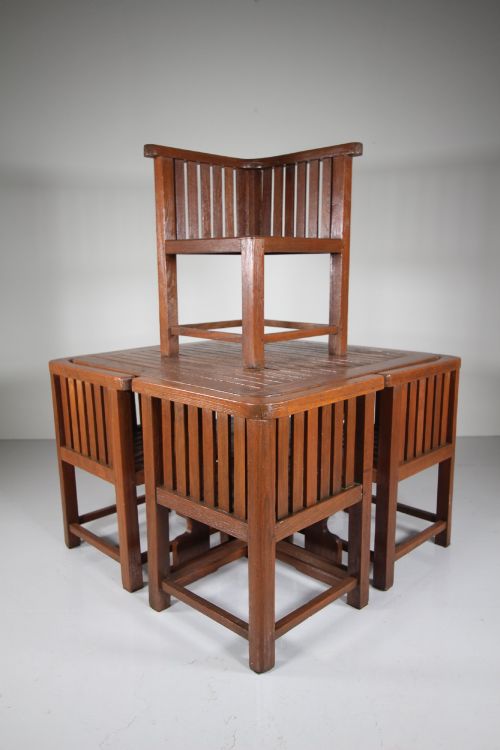
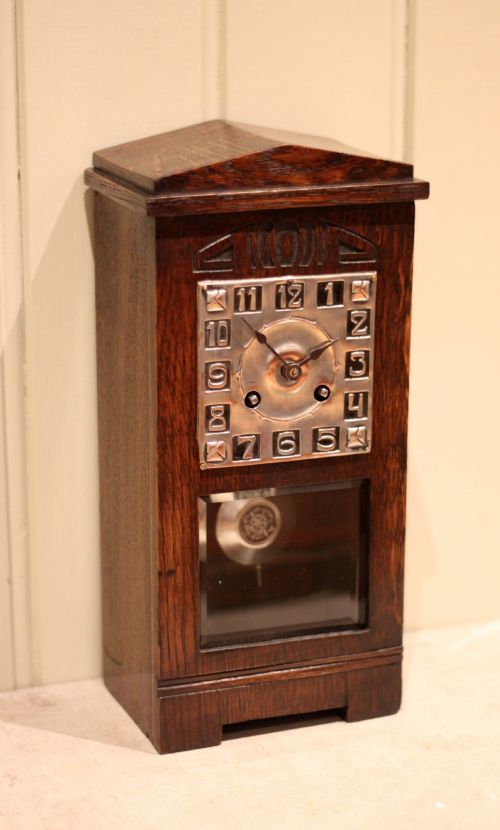
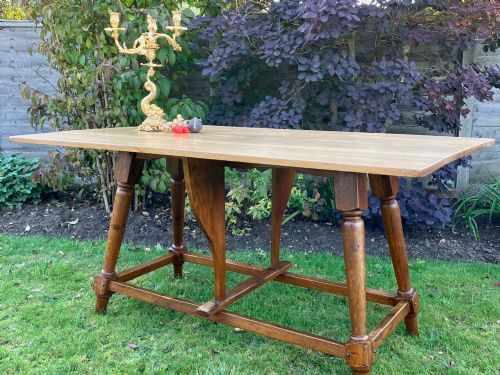
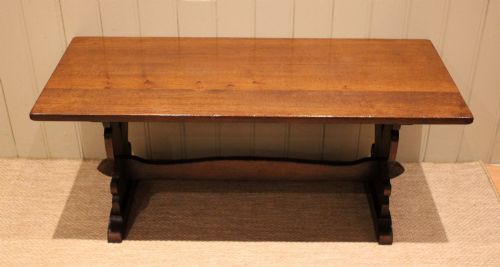
These pieces include a wooden craft table antique, offering solid timber construction and distinct period character for practical home use.
Wooden Craft Table
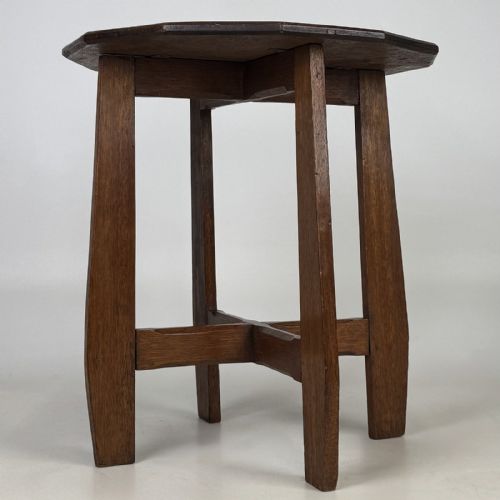
A wooden craft table antique brings together functional household furniture and the distinctive hand-finished details of the Arts and Crafts, Victorian, and Edwardian eras. Buyers searching this phrase most frequently encounter sturdy oak and ash occasional tables, side tables, and plant stands dating from the late nineteenth century through the early twentieth century.
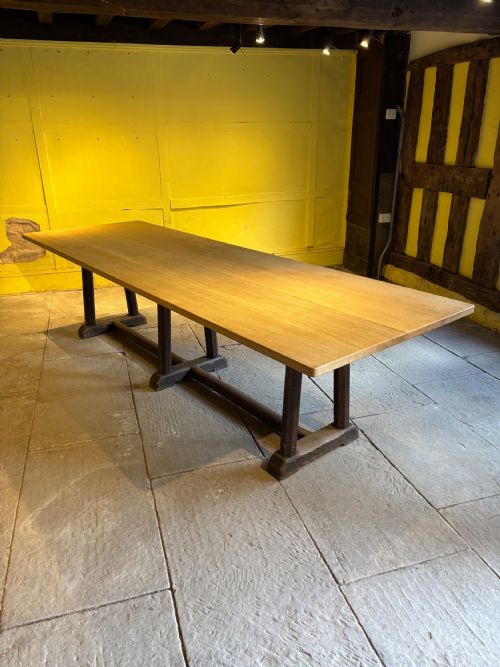
The selection also spans dining tables, bedside cabinets, and dressing chests produced during the nineteen-tens and nineteen-thirties. These forms reflect both domestic utility and the concerted turn towards honest construction championed by the Arts and Crafts movement.
Materials and construction
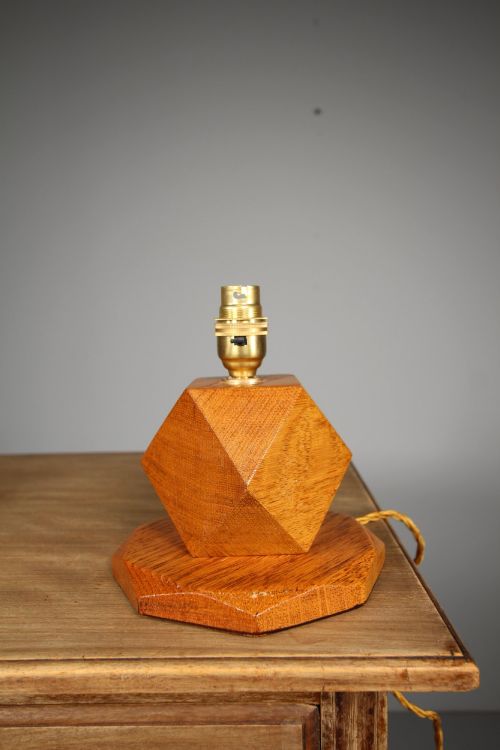
Makers relied primarily on native hardwoods such as oak, walnut, ash, and mahogany to build these tables and cabinets. Surfaces often display visible grain, wax finishes, and structural joinery that highlight the natural properties of the timber rather than concealing them beneath heavy varnishes.
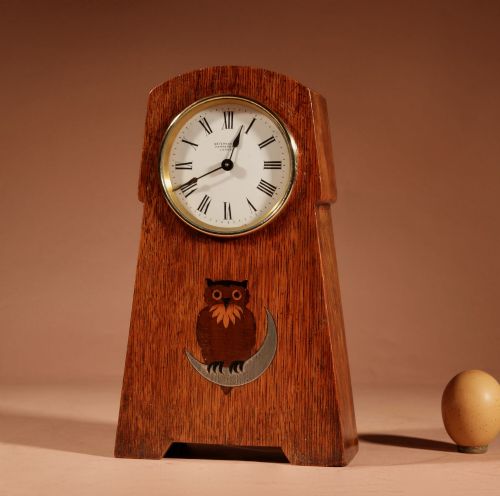
Metal elements appear as functional brass fittings, copper table gongs, and cast iron supports, while occasional pieces incorporate wood inlay or original paint. Construction methods emphasise solid assembly, straightforward geometric forms, and chip-carved or incised ornamentation.
Wooden Craft Table Retail Price Guide 2026
Typical asking prices for wooden craft table among the pieces listed under this phrase on Sellingantiques today, from the lower quarter to the upper quarter. They describe what is for sale here now, not the wider market.
Listings feature solid oak, walnut, ash, and mahogany alongside brass, copper, and cast iron across multiple decades.
Assessing quality
The distinction between standard pieces and finer examples rests on the integrity of the timber selection and the precision of the hand-carved or inlaid details. Superior items exhibit carefully matched grain patterns, robust joinery that remains tight after a century of use, and thoughtful proportions.
Provenance and maker attribution also elevate certain items, particularly those associated with known workshops or retail houses of the period. Pieces retaining original surface finishes or distinct regional characteristics command closer attention from collectors.
Liberty and Co·William Birch·Shapland and Petter·Archibald Knox·Heal and Sons
The Wooden Craft Table Glossary
- Arts and Crafts
- A design movement spanning the late nineteenth and early twentieth centuries that prioritised traditional craftsmanship, simple forms, and visible construction over industrial mass production. It heavily influenced furniture makers of the Edwardian period.
- Refectory table
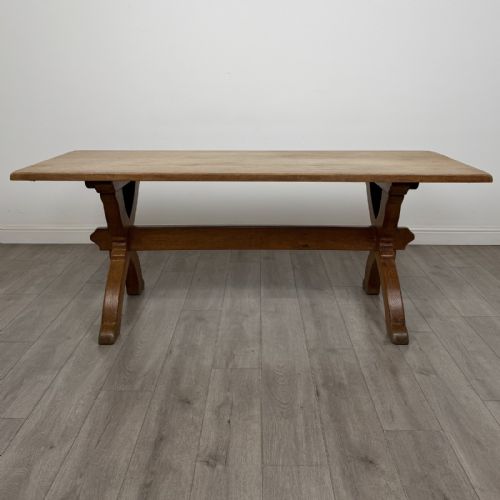
- A long dining table traditionally used for communal meals, adapted in the late nineteenth and early twentieth centuries into solid oak household dining furniture. These examples often feature stretcher bases.
- Occasional table
- A small, versatile table designed to be moved around a room as needed for holding books, lamps, or decorative objects. They appear frequently in oak and walnut across the Edwardian listings.
- Wood inlay
- A decorative technique where small pieces of contrasting timber or other materials are fitted into depressions within a solid wood surface to create patterns. It appears on select tables from the nineteenth century onwards.
- Plant stand
- A tall, slender piece of furniture designed to elevate potted plants or jardinières. Many surviving examples date from the Edwardian era and utilise oak or ash.
Wooden Craft Table: Frequently Asked Questions
How do I date an oak table?
Dating relies on examining the construction methods, tool marks, and secondary timbers used in the frame. Stylistic cues such as chip-carving or bracket feet also point toward specific decades between eighteen-eighty and nineteen-thirty.
Comparing the piece to known regional designs and documented workshop output helps narrow the period of manufacture further.
Were these tables used for crafts?
Many sturdy oak and ash tables served general utility purposes in homes, schools, and workshops. Their robust construction made them suitable for daily tasks including sewing, writing, and handcrafts.
Over time, forms like work tables and side tables adapted to whatever domestic activities the household required.
How do I care for waxed oak?
Waxed timber benefits from occasional gentle cleaning with a soft, dry cloth to remove dust. Applying a quality beeswax polish once or twice a year maintains the moisture and natural sheen of the wood.
Avoid placing these tables near direct heat sources or in damp areas to prevent the solid wood from warping.
What is an Edwardian plant stand?
An Edwardian plant stand is a tall, narrow piece designed specifically to display potted greenery inside the home. They were constructed in oak or ash, often featuring multiple tiers.
These stands allowed households to incorporate nature into interior decoration during the early twentieth century.