
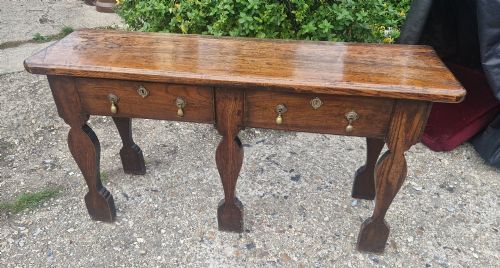
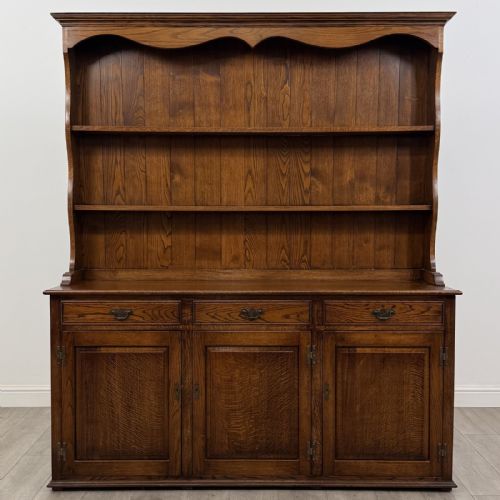
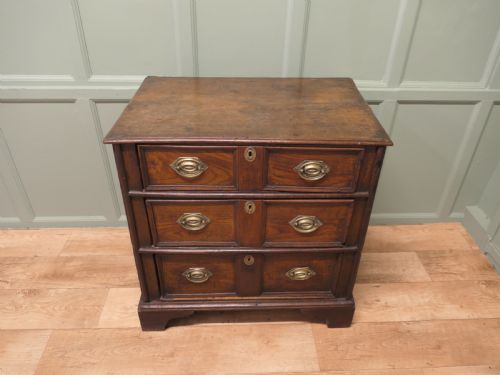
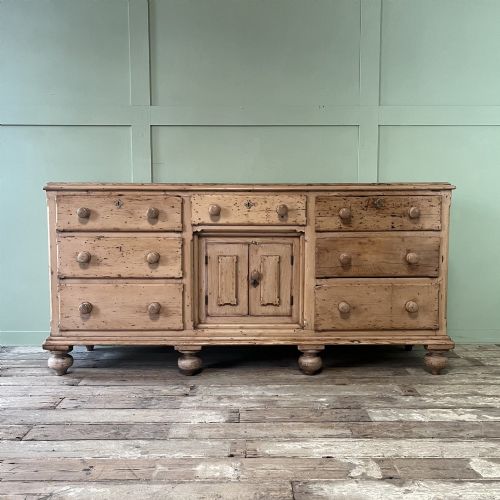
Wooden Country Dresser
A wooden country dresser brings honest utility and time-worn character to a kitchen or dining room.
Wooden Country Dresser
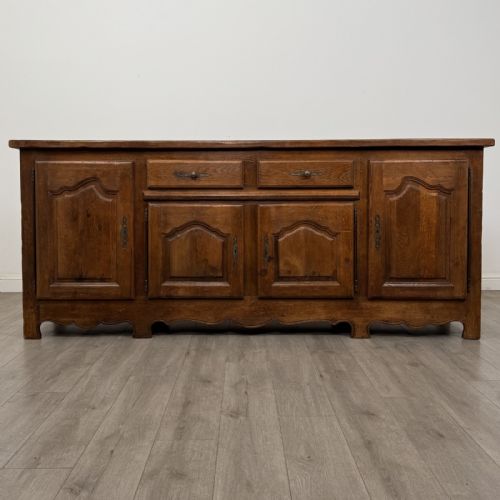
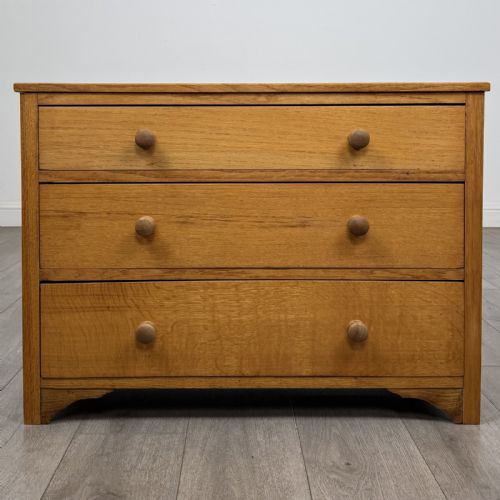
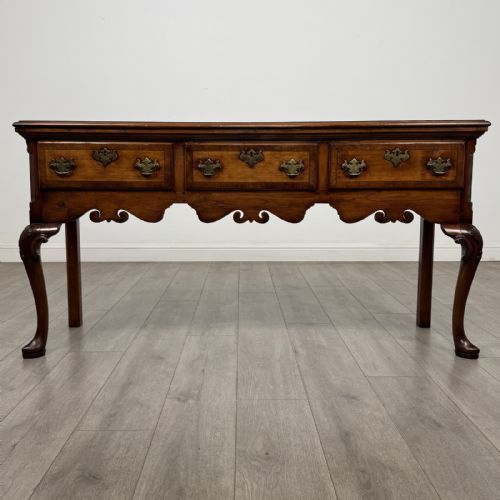
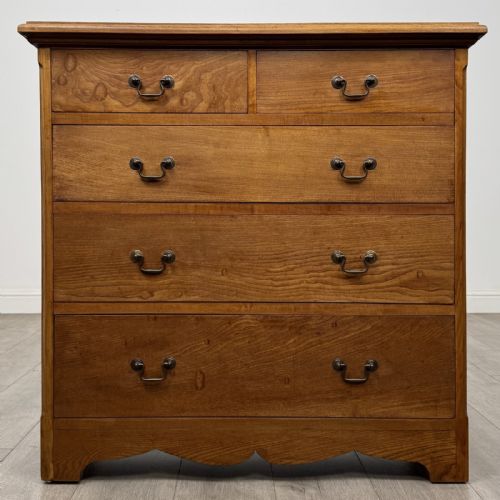
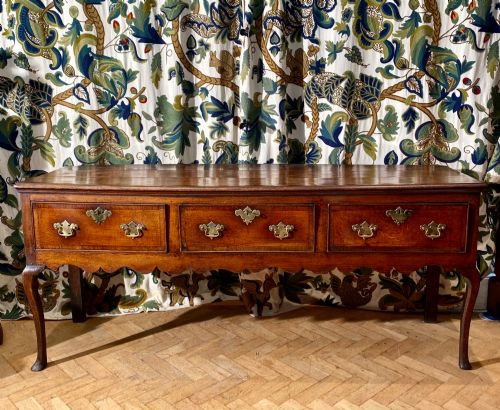
When you search for a wooden country dresser, you enter a category defined by practical domestic storage and local craftsmanship. These pieces range from robust potboard bases to full arrangements featuring plate racks designed for everyday family life.
The examples you meet most frequently span the eighteenth and nineteenth centuries, originating from regional workshops in England, Wales, Scotland, and Ireland. Oak and pine dominate the selection, often carrying the marks of decades of domestic service.
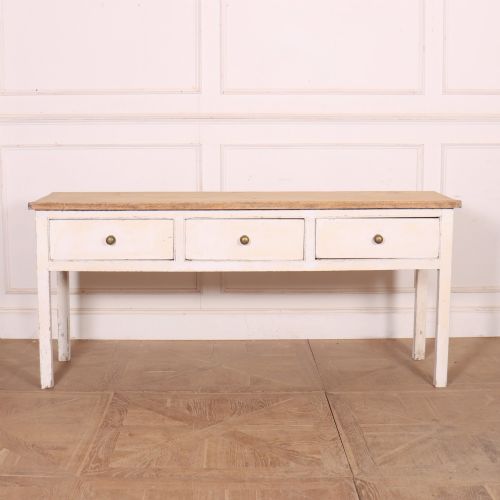
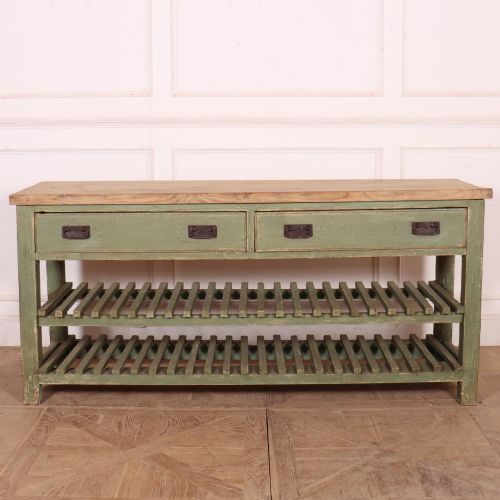
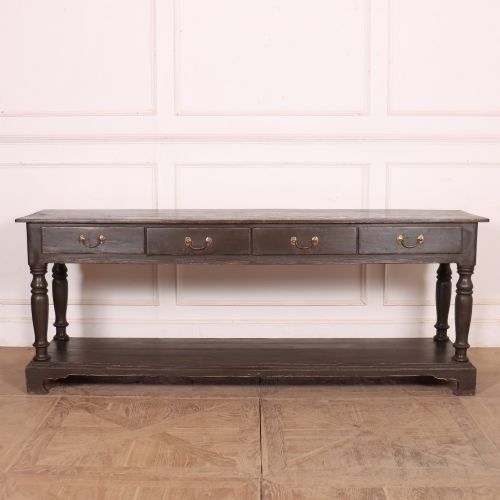
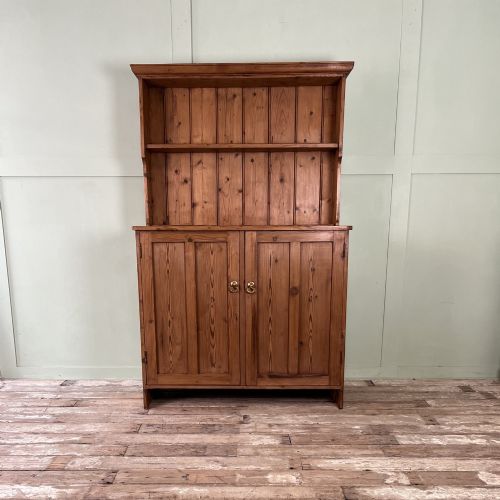
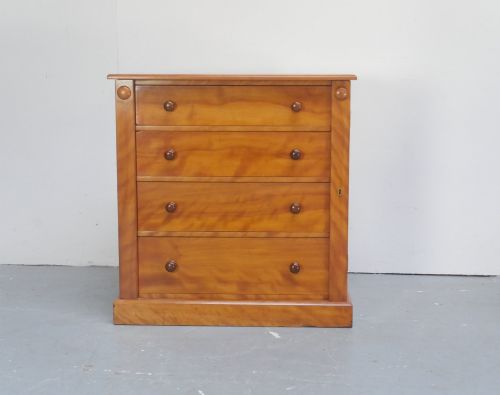
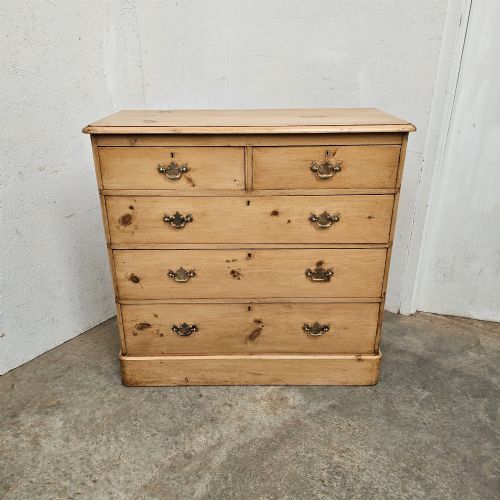
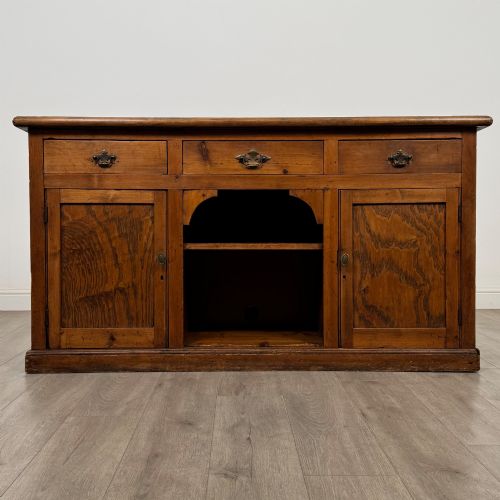
Forms vary from modest cottage bases to taller kitchen cupboards and breakfront designs. Many incorporate open shelving for display alongside enclosed drawers and cupboards for provisions and tableware.
Materials and Construction
Joiners relied primarily on native timbers such as oak, pine, and pitch pine, selecting them for strength and local availability. Surfaces were frequently left untreated, waxed, or finished with early paint layers that accrued character through daily use.
Construction techniques prioritised durability, employing pegged joints, hand-cut dovetails for drawers, and substantial boards for tops and shelves. Iron and brass hardware, from drop handles to hinges, served a strictly functional purpose while anchoring the design.
Listings feature pieces fashioned from oak, pine, and painted wood across Georgian and Victorian periods.
Assessing Quality and Character
Quality in these pieces rests in the integrity of the timber and the honesty of the construction. Superior examples retain their original boards, untouched surface patination, and well-proportioned heights without excessive restoration.
Regional distinctiveness also plays a role, with certain valleys and provinces producing idiosyncratic forms like potboards or specific moulding profiles. The depth of colour in waxed oak or the undisturbed wear on a painted pine surface separates a compelling survivor from a tired assembly.
Sir Clough Williams-Ellis
The Wooden Country Dresser Glossary
- Potboard
- A low open shelf beneath a dresser base traditionally used for storing pots and pans. It lifts the structure off the floor and provides rigid lower bracing.
- Plate Rack
- The upper shelving superstructure of a dresser fitted with grooves and rails to hold plates upright. It forms the visual counterpart to the base unit.
- Breakfront
- A cabinet or dresser base where the central section projects forward from the flanking cupboards. This configuration adds architectural presence to larger rooms.
- Crossbanding
- A decorative border of veneer laid with the grain running perpendicular to the main surface. It frames drawer fronts and tabletops on finer Georgian pieces.
- Patina
- The surface sheen and colour developed through years of handling, polishing, and oxidation. It signals genuine age and organic wear.
Wooden Country Dresser: Frequently Asked Questions
How do I care for waxed pine?
Waxed pine benefits from occasional applications of natural beeswax to nourish the timber and maintain a soft sheen. Avoid placing these pieces near direct heat sources that can dry out the old boards.
Gentle dusting with a dry cloth preserves the underlying patina without stripping the accumulated character of the surface.
Are plate racks original to the base?
Many dressers survived with their original upper plate racks, though some combinations were united later in their history. Examining the timber species, fixing methods, and wear patterns helps determine if top and base share a common origin.
Matching colour and construction marks provide the clearest indication of a factory or workshop pairing.
How do I distinguish oak from pine?
Oak is a heavy hardwood featuring distinct grain patterns, medullary rays, and a warm golden or brown tone that darkens over time. Pine is a softer softwood with a lighter, more uniform grain that frequently accepts paint or wax finishes.
Both woods served rural cabinetmakers, but oak implies a heavier, more enduring structural investment.