

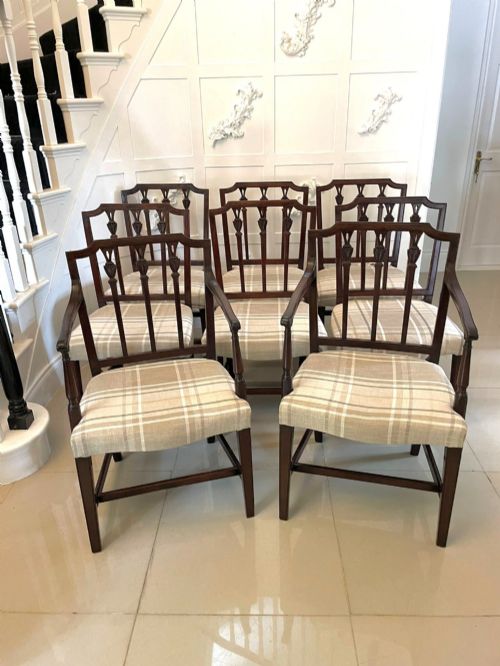

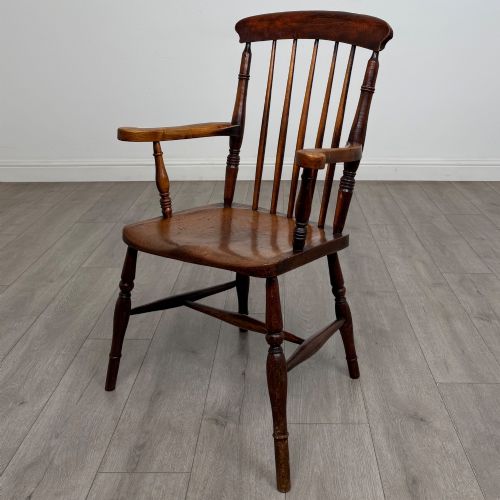
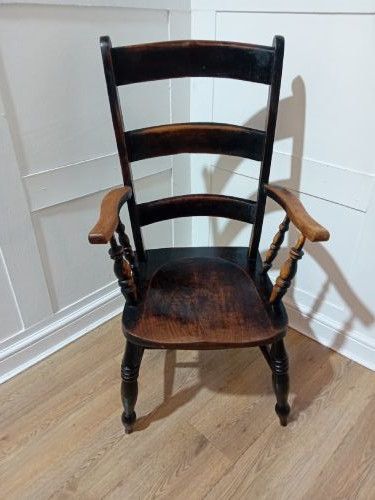

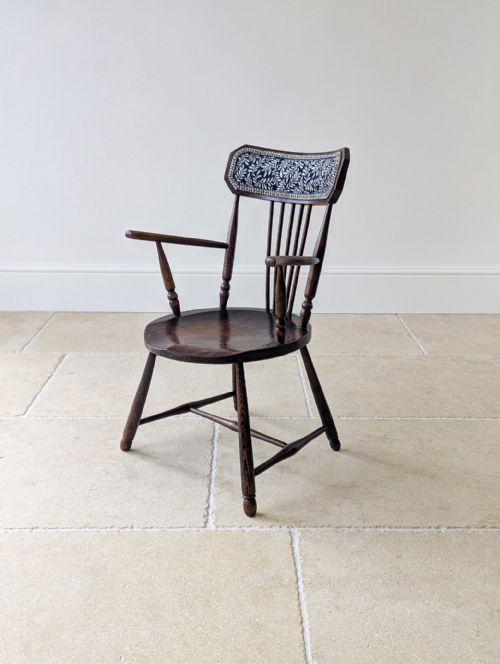
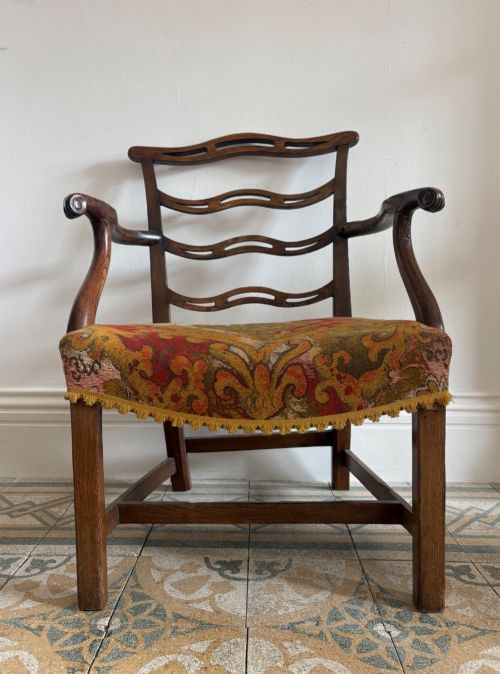
Wooden Country Carver Chair
A wooden country carver chair brings the honest character of English vernacular seating into a room through solid timber construction and regional design.
Wooden Country Carver Chair
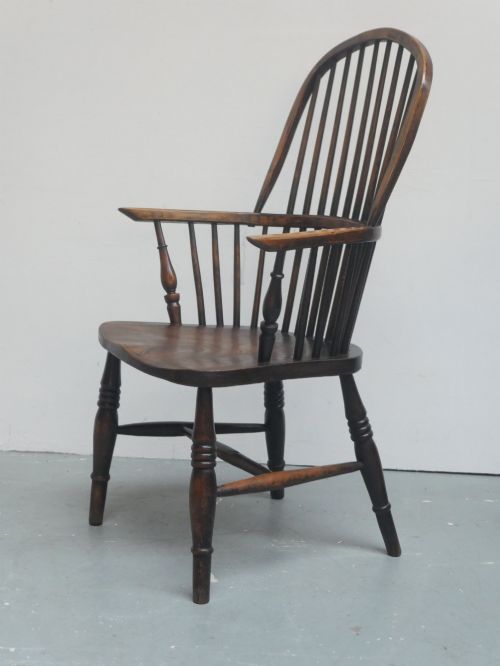
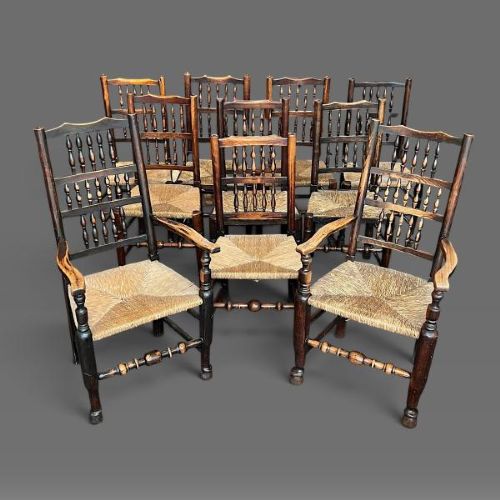
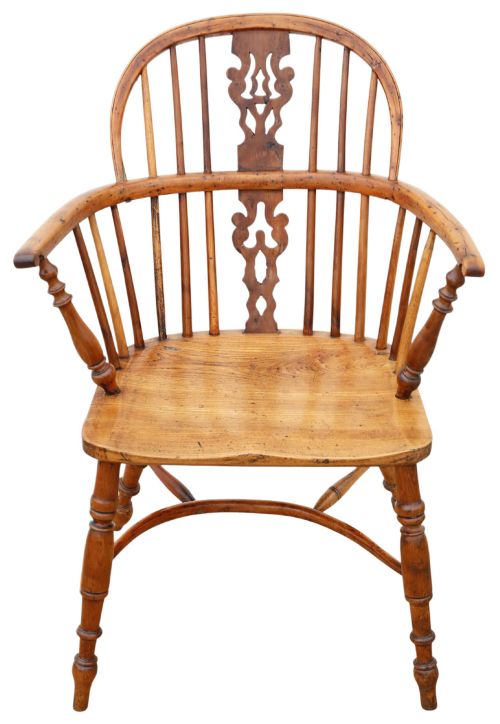
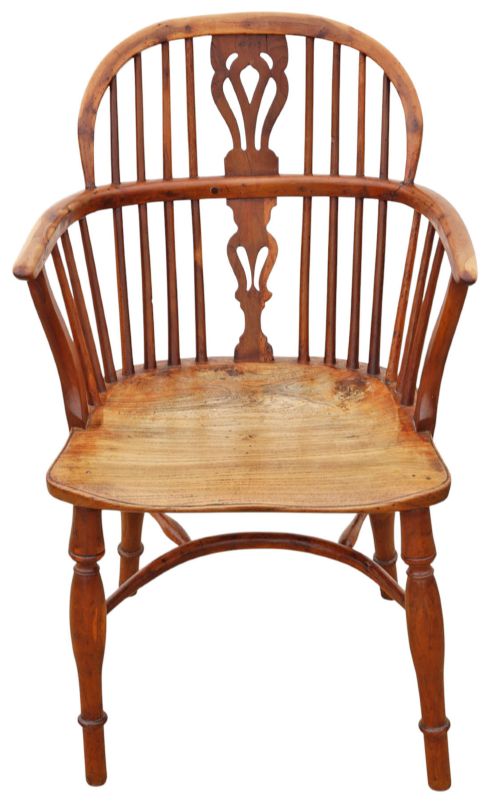
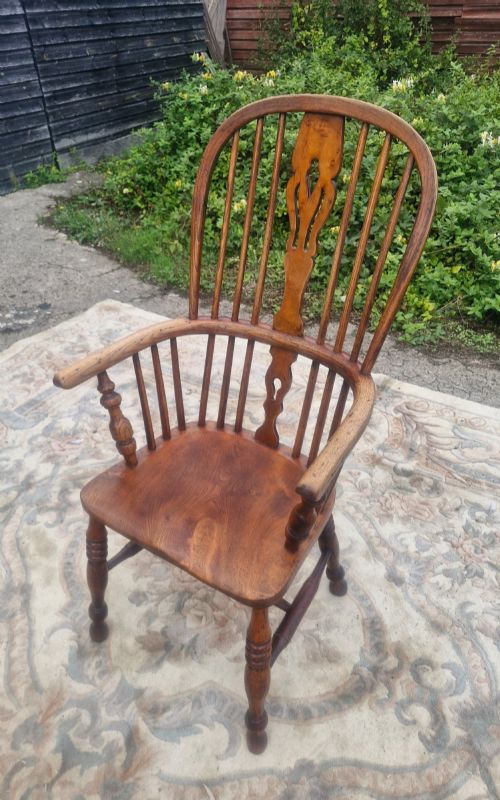
When searching for a wooden country carver chair, a buyer encounters robust seating designed for domestic use across centuries, predominantly taking the form of Windsor armchairs and ladderbacks originating from rural workshops. The most common version met on this page is the 19th-century Windsor chair featuring a comb back, stick back, or barback configuration intended for farmhouse kitchens and country houses.
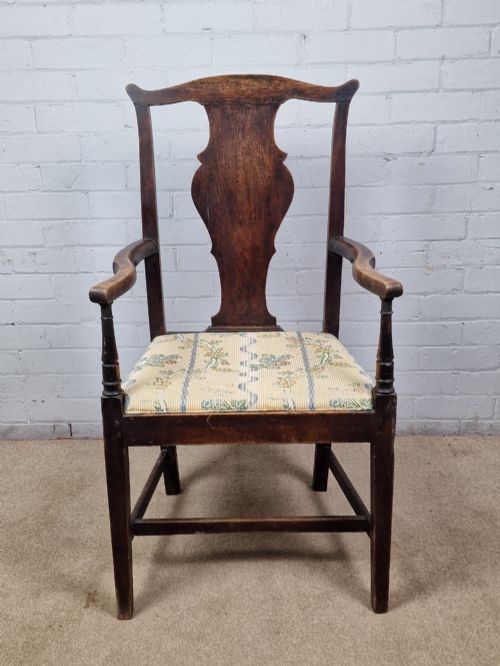
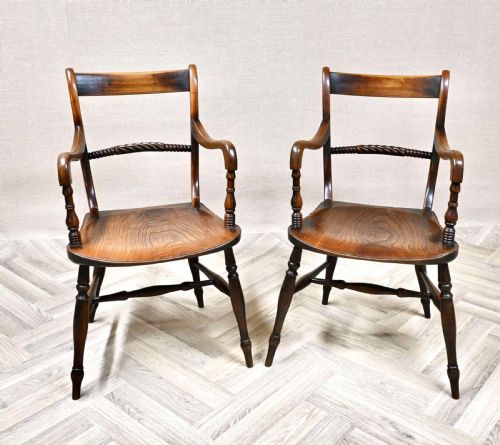
These armchairs derive their distinct regional identities from English districts such as the Thames Valley or Lincolnshire, where makers combined local timbers for daily service. Variations span from George III vernacular examples to late Victorian farmhouse seating, providing sturdy proportions and open arms suited to communal dining or parlour use.
How they were made
The construction of these chairs relies on traditional joinery methods where turned legs and spindles fit directly into solid wooden seats, often sculpted from a single thick slab of elm. Makers utilised a combination of native hardwoods and softwoods, frequently pairing flexible ash or beech for the framework with durable elm for the saddle seat.
Surface details and structural support vary through the integration of rush seating or turned componentry, while regional turners shaped components on foot-powered lathes. Finishing methods ranged from original polish and waxed patination to later painted surfaces, preserving the natural grain and growth marks of the timber.
Many a country carver bears the polished indentation of centuries of seated owners who found comfort by the farmhouse hearth.
What varies in quality
The distinction between ordinary and superior examples rests upon the selection of timber and the harmony of the turning work, where rich combinations of yew and elm elevate a piece above standard utility furniture. Originality of surface and the survival of untouched patination determine the grade of the timber, distinguishing workshop seating that retained its integrity from heavily restored alternatives.
Proportion and structural balance separate simpler provincial items from sophisticated vernacular designs, such as high-back Thames Valley Windsors with intricate spindle arrangements. The finesse of the bow bending and the comfort sculpted into the solid wood seat reflect the capability of the regional maker.
Philip Clissett
The Wooden Country Carver Chair Glossary
- Carver
- An armchair designed with armrests, traditionally placed at the head of a dining table or utilised as a substantial fireside seat. These pieces match standard dining chairs in style while offering broader proportions.
- Windsor
- A traditional chair constructed with a solid wooden seat into which the legs, back spindles, and bow are separately socketed. This method creates a resilient, light frame characteristic of English vernacular furniture.
- Comb back
- A Windsor chair variation featuring a low crest rail supported by vertical spindles that resembles the teeth of a comb. This regional form provides a distinct profile popular in eighteenth-century workshops.
- Rush seat
- A seating surface woven from dried marsh rushes twisted into cords and patterned across the chair frame. This traditional technique offers a resilient and pliable base for ladderback armchairs.
- Vernacular
- Furniture made by regional craftsmen following local traditions and utility rather than strict adherence to metropolitan pattern books. These pieces demonstrate honest construction using accessible native timbers.
Wooden Country Carver Chair: Frequently Asked Questions
What is a wooden country carver chair?
A wooden country carver chair is a sturdy armchair produced in regional workshops, featuring open arms and solid timber construction intended for domestic daily use.
These pieces encompass traditional forms such as Windsor armchairs and ladderbacks built from native English hardwoods.
How do I identify a Windsor chair?
A Windsor chair is identified by its distinctive construction method, where the legs and back spindles are tenoned directly into a thick wooden seat slab.
Regional variations further distinguish them through hoop backs, comb backs, or stick backs supported by bentwood bows.
What woods were used for these chairs?
Country chair makers utilised native trees available in local woodlands, frequently combining different timbers within a single piece for structural strength.
Common selections include elm for comfortable contoured seats, ash or beech for resilient spindles and legs, and yew for decorative character.
How were rush seat chairs made?
Rush seat chairs were constructed by weaving dried marsh reeds into tight cords that formed a durable and flexible seating pad across the wooden frame.
This technique is frequently found on ladderback country armchairs from the eighteenth and nineteenth centuries.
How do I care for antique country chairs?
Antique country chairs require stable indoor humidity and occasional application of appropriate wax to nourish the dry timber and preserve the historic surface patination.
Avoiding direct heat sources prevents the shrinkage and splitting of traditional elm and ash components.