


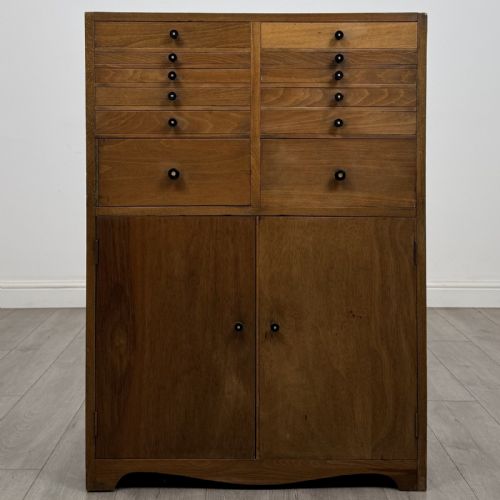
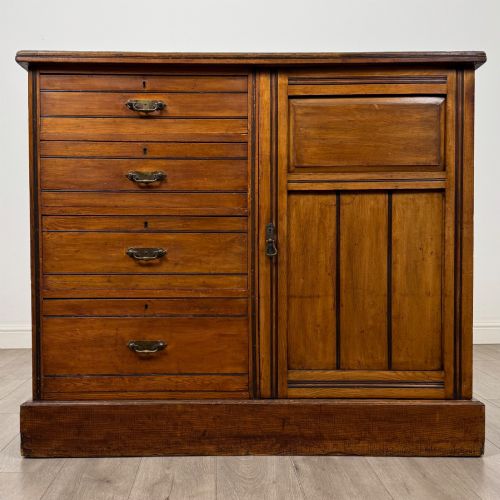
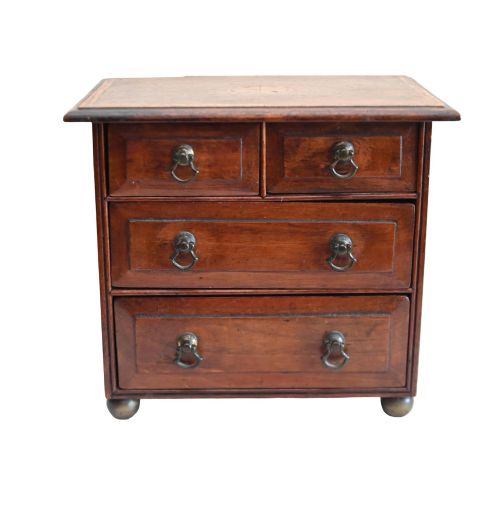
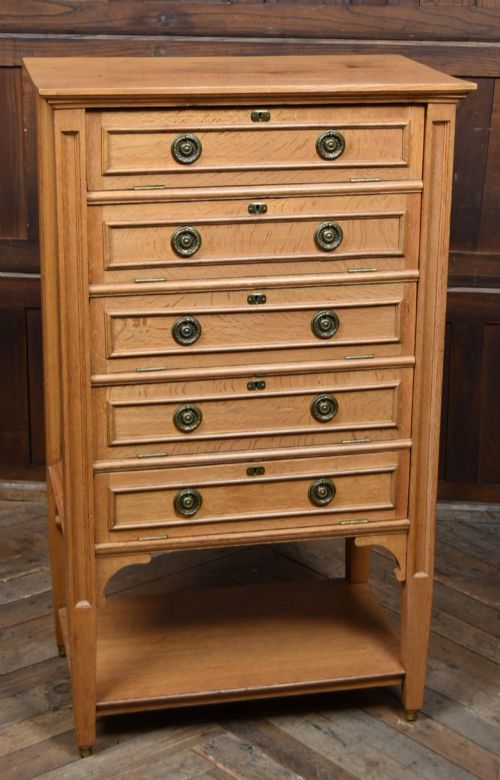
Wooden Collectors Cabinet
These wooden collectors cabinet selections encompass small-scale storage pieces designed for specimens, minerals, and curiosities across multiple centuries.
Wooden Collectors Cabinet
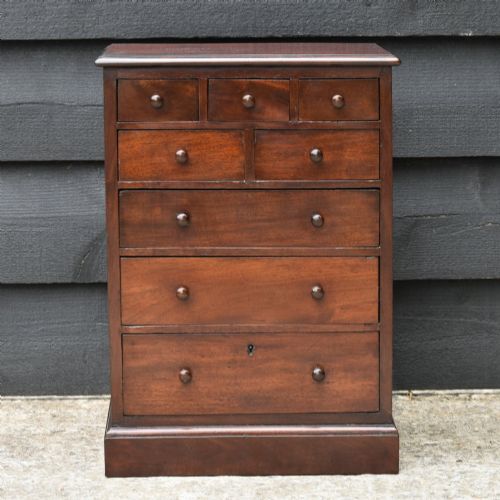
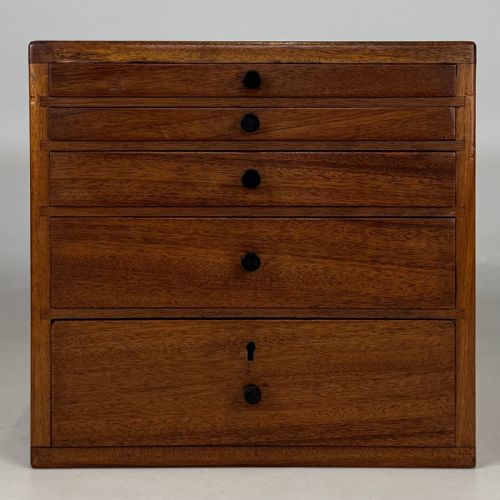
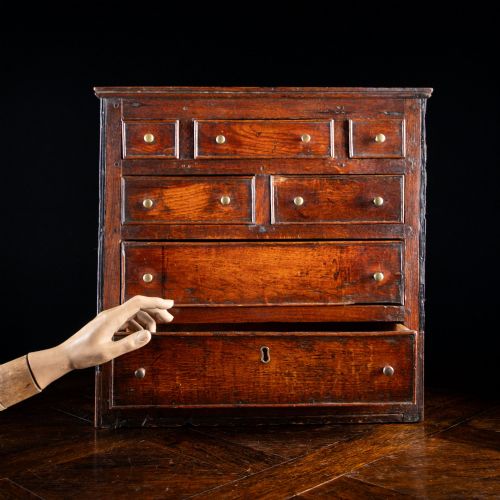
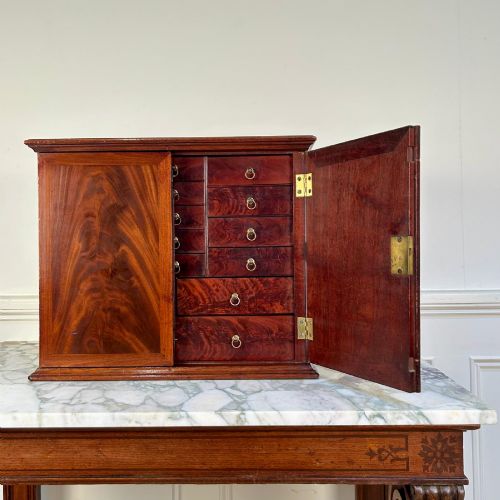
A wooden collectors cabinet covers a diverse group of multi-drawer forms spanning the 17th, 18th, 19th, and early 20th centuries. Buyers searching this phrase encounter miniature chests of drawers, apprentice pieces, apothecary chests, filing cabinets, and banks of small drawers.
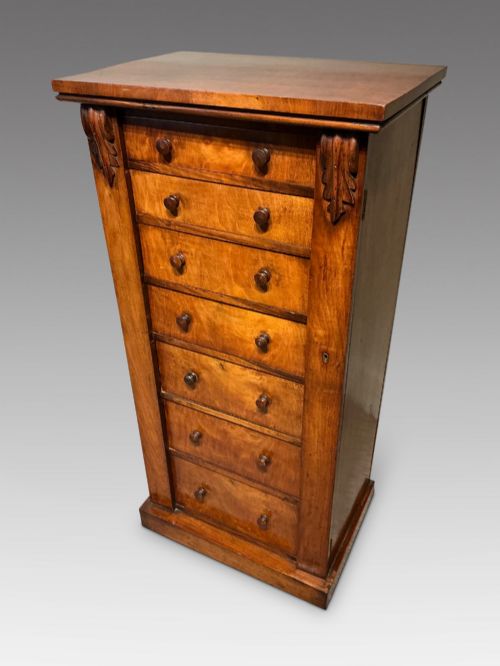
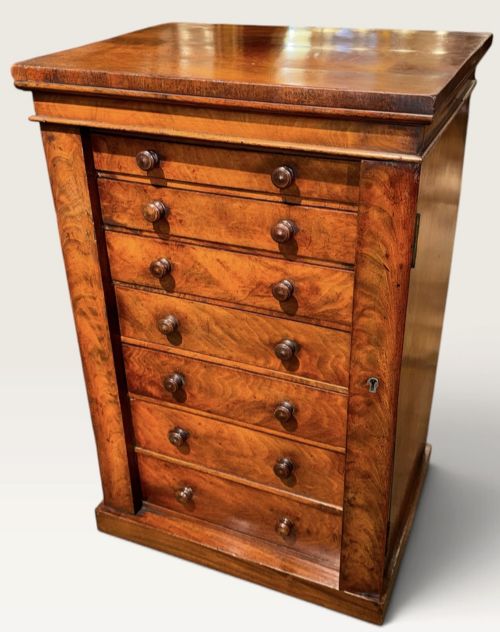
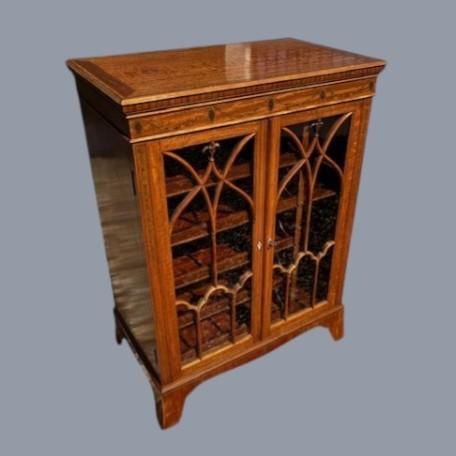
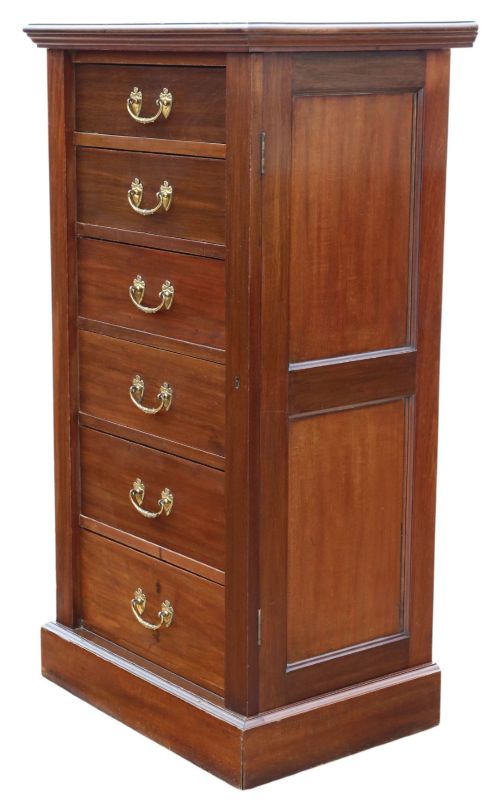
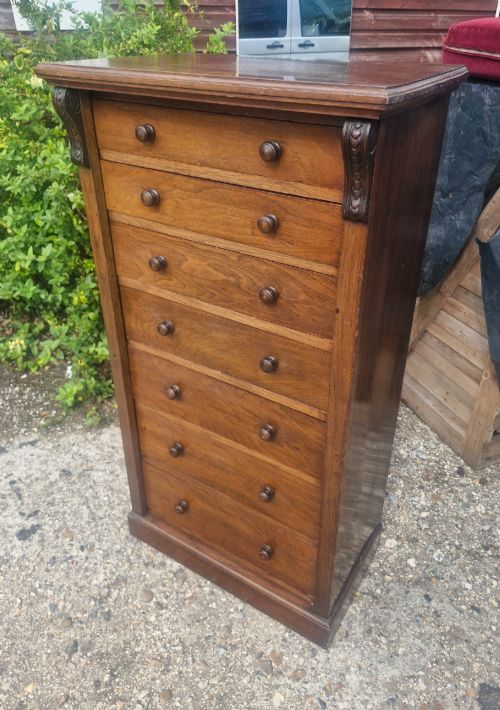
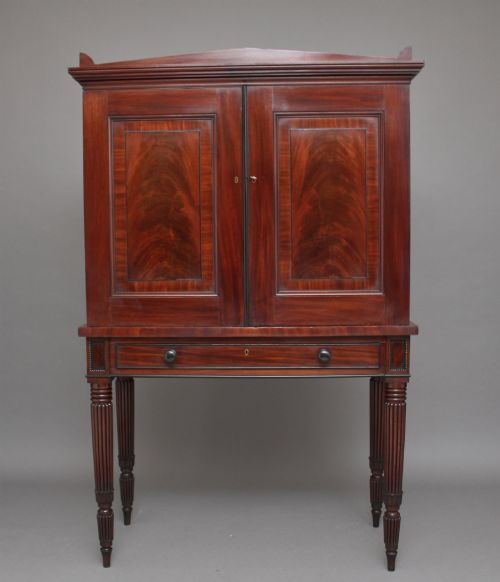
Victorian and Edwardian iterations appear frequently alongside Georgian and earlier pieces. The selection includes specialised formats like Wellington chests, table-top display cases, spice drawers, and cabinets on stands.
Materials range from traditional hardwoods such as mahogany, walnut, and oak to pine, fruitwood, and exotic veneers. These compact case pieces served varied practical roles, from pharmacy storage to indexing and jewellery organisation.
Materials and Construction
Cabinet makers utilised dense timbers like mahogany, walnut, and oak alongside secondary woods such as pine and deal for internal framework and drawer construction. Surface decoration often involved marquetry, parquetry, bone inlay, and brass hardware.
Drawer assemblies frequently incorporated multiple small compartments designed to organise specimens or documents securely. Joinery techniques varied according to period, supporting the sustained use of multi-drawer banks and miniature chests.
Wooden Collectors Cabinet Retail Price Guide 2026
Typical asking prices for wooden collectors cabinet among the pieces listed under this phrase on Sellingantiques today, from the lower quarter to the upper quarter. They describe what is for sale here now, not the wider market.
The listings span the 17th, 18th, 19th, and early 20th centuries, featuring mahogany, walnut, oak, pine, and brass materials.
Gradation in Quality
Quality differentiates through the precision of timber selection, such as figured mahogany or matched walnut veneers, and the intricacy of inlay work like satinwood or brass stringing. Superior examples demonstrate refined proportions and meticulous drawer construction.
The sophistication of original hardware, locking mechanisms like those found on Wellington chests, and internal linings distinguish standard utility pieces from finer cabinet work.
Luxmore's of Ilfracombe·D Napier & Sons
The Wooden Collectors Cabinet Glossary
- Wellington chest
- A tall, narrow chest of drawers characterised by a hinged locking stile on one side that secures all drawers when locked. This vertical format originated in the 19th century.
- Apprentice piece
- A small-scale item created by a craftsman to demonstrate skill or mastery before joining a trade guild. These miniature chests mirror full-size furniture construction.
- Apothecary chest
- A multi-drawer cabinet or box designed to store medicinal ingredients, herbs, or homeopathic remedies. They often feature numerous small labeled drawers.
- Marquetry
- Decorative veneer work formed by fitting together contrasting pieces of wood, bone, or shell to create pictorial or geometric patterns on the surface.
- Parquetry
- A geometric mosaic of wood pieces used for decorative veneer on cabinet surfaces, creating patterns such as cubes or chequers.
Wooden Collectors Cabinet: Frequently Asked Questions
What is a wooden collectors cabinet used for?
These cabinets were originally built to house specialised items such as natural history specimens, coins, minerals, or small keepsakes. The numerous shallow drawers provided organised storage for delicate collections.
Today, they serve similar display and organisation purposes in modern interiors, fitting well on tabletops or desks to hold stationery, jewellery, or small curiosities.
How do I identify a Victorian collectors cabinet?
Victorian examples frequently utilise mahogany, walnut, or rosewood, often featuring characteristic forms like the side-locking Wellington chest or miniature chests of drawers. Construction details reflect 19th-century cabinet-making standards.
Examining the secondary woods inside the drawers and the style of the brass hardware helps confirm the Victorian period against earlier Georgian or later Edwardian pieces.
What is an apprentice piece?
An apprentice piece is a small-scale model of furniture created by a craftsman to demonstrate technical proficiency. These miniature chests show the same joinery and proportions as full-sized furniture.
They are distinguished by their compact dimensions and careful attention to detail, mirroring standard pieces of the period on a reduced scale.
Are multi-drawer filing cabinets antique?
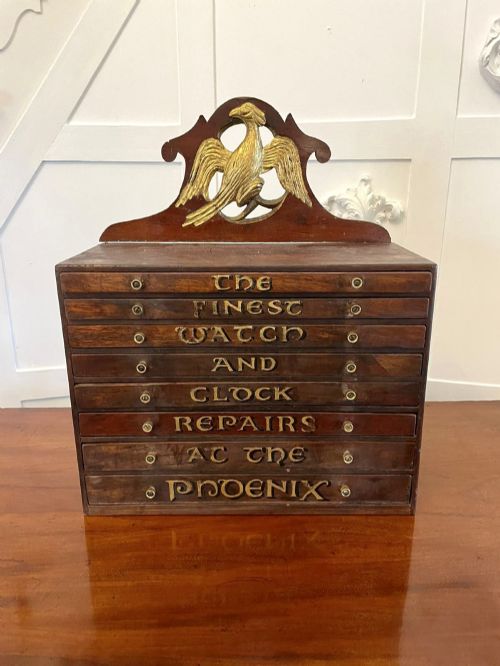
Multi-drawer filing cabinets and index cabinets span the late 19th century through the Edwardian period and the 1920s. They were constructed primarily in oak and mahogany for office and institutional use.
These functional pieces combine utilitarian multi-drawer layouts with traditional timber construction, differing slightly in intent from domestic specimen cabinets.