


Wooden Coat Rail
A wooden coat rail organises an entrance hall with practical hanging space while bringing period character into a home.
Wooden Coat Rail
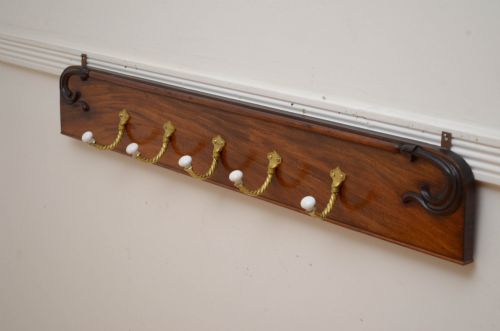
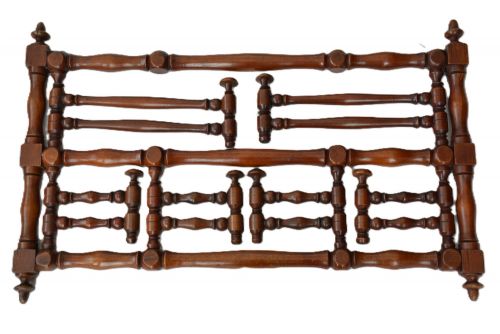
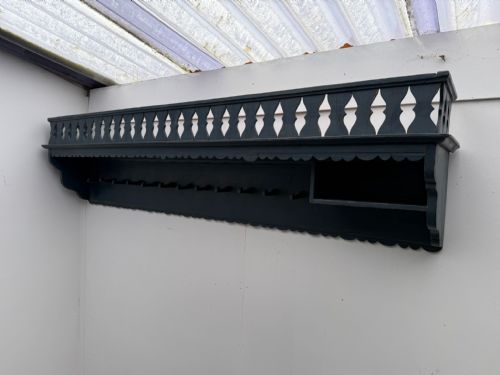
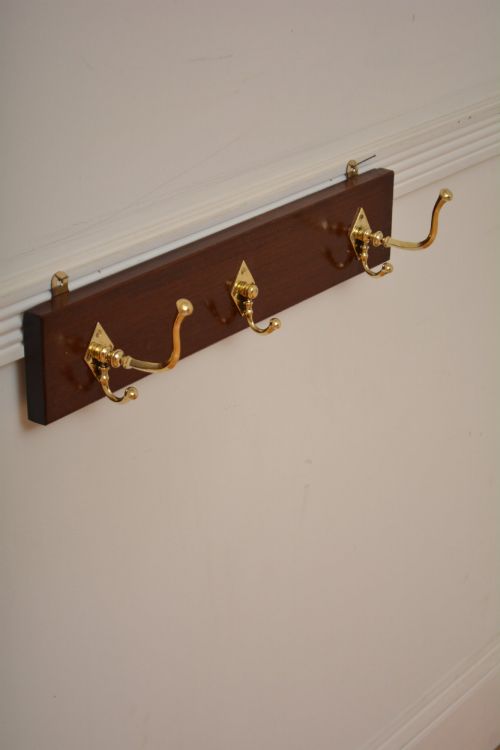
A wooden coat rail provides wall-mounted or freestanding utility for hanging garments, hats and robes in hallways, cloakrooms and reception spaces. These pieces range from simple backboards fitted with brass or ceramic hooks to substantial architectural panels and freestanding clothes stands.
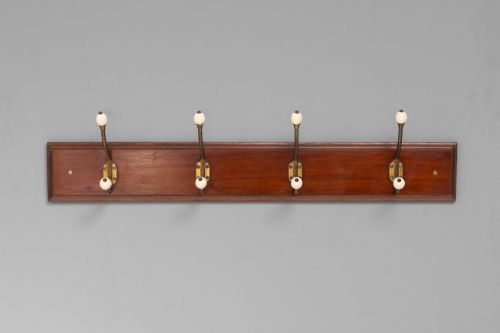
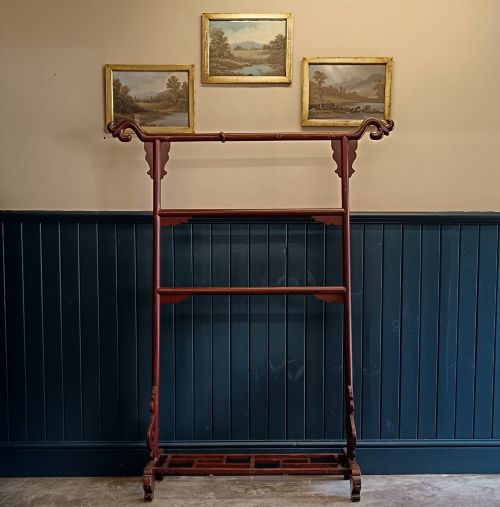
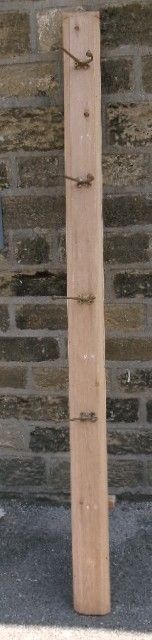
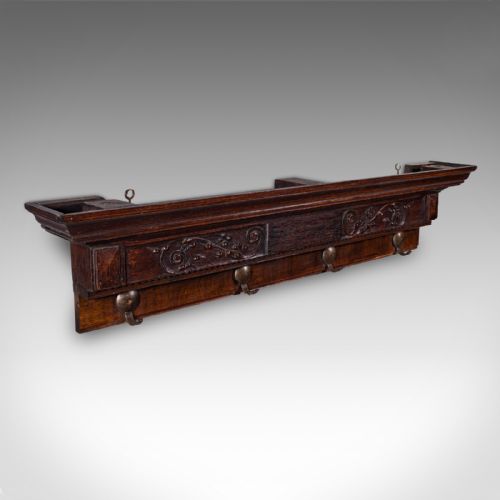
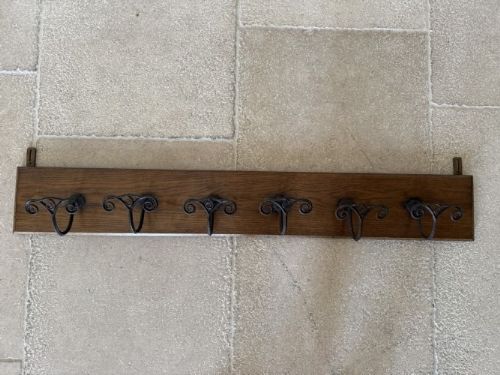
The versions most commonly met on this page span the Victorian, Edwardian and late nineteenth-century periods, alongside earlier oak examples and imported Chinese lacquered robe stands. Formats vary from modest rows of three or four hooks on pine or mahogany boards to double-sided hanging rails and elaborately carved hall stands.
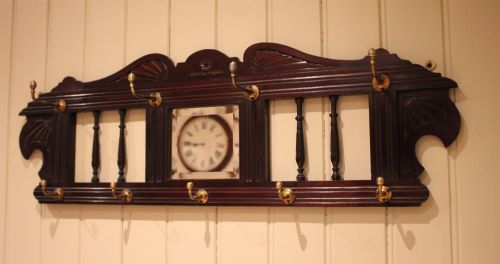
Stylistic influences among these selections include the Aesthetic Movement, French Country, Jacobean and William IV designs. Buyers encounter everything from utilitarian pine cloakroom rails to decorative mahogany and brass configurations intended for formal entranceways.
How they were made
Makers constructed these rails using native and imported timbers such as oak, mahogany, pine and lacquered wood, often mounting them on sturdy backboards designed to withstand daily weight. Selected woods were shaped, planed and occasionally painted or carved to suit domestic and institutional interiors.
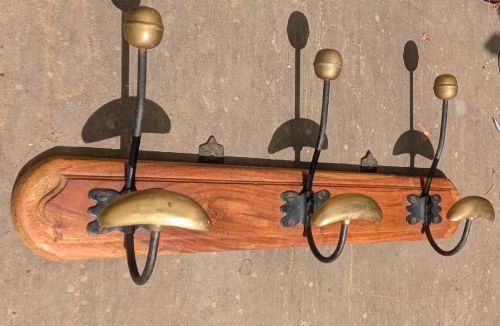
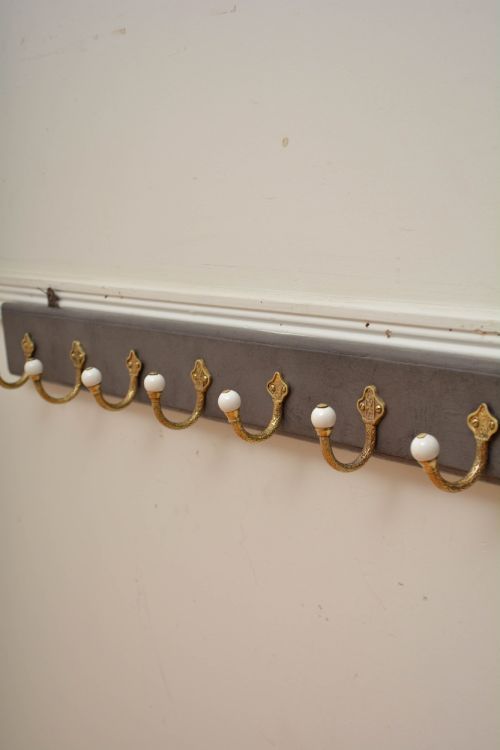
Metal and ceramic hardware forms an integral part of construction, with brass, cast iron and ceramic hooks screwed or bolted directly into the wooden support. Joinery techniques range from straightforward board-and-batten mounting to more complex carved panels and bentwood framing.
What varies in quality
Quality separates through the selection of timber and the integrity of the original hardware, where heavier hardwoods like mahogany and oak provide greater durability than softer pine boards. The craftsmanship visible in hand-carved details, matched hook assemblies and secure structural joints distinguishes standard utility items from finer bespoke pieces.
The preservation of original surfaces, whether polished wood, aged lacquer or authentic painted finishes, dictates the character of each piece. Retaining matching sets of period hooks, whether brass, ceramic or cast iron, adds substantially to the historical cohesion of the rail.
The Wooden Coat Rail Glossary
- Backboard
- The flat strip of timber or panel that supports the hooks and fixes securely to a wall. It distributes the weight of heavy garments evenly across the masonry.
- Cloakroom
- A dedicated entrance area or small room for hanging outdoor coats and hats. Pieces designed for these spaces prioritize functional capacity over ornament.
- Hall Stand
- A larger freestanding or wall-fixed piece combining coat hooks, umbrella storage and frequently a mirror. These items dominated Victorian and Edwardian entrance halls.
- Robe Stand
- A freestanding frame or clothes horse used for airing and hanging garments. Chinese examples often feature elaborate lacquered and carved wooden construction.
Wooden Coat Rail: Frequently Asked Questions
Where should I mount a wooden coat rail?
Mount a wooden coat rail at a height that allows family members and guests to reach the hooks comfortably, typically in an entrance hall or cloakroom.
Ensure the fixings anchor securely into wall studs or solid masonry to support the weight of heavy winter coats.
How do I clean an antique wooden coat rail?
Clean the wooden surface gently with a dry or slightly damp cloth to remove accumulated dust without damaging the polish or painted finish.
Avoid harsh chemical cleaners that strip historical patina from the timber and metal hooks.
Are these coat rails suitable for heavy winter coats?
Most period rails constructed from hardwoods like oak or mahogany easily handle heavy garments when properly installed with sturdy wall anchors.
Lighter pine or decorative brass configurations suit moderate use with lighter items such as hats and scarves.
How do I identify a Victorian coat rail?
Victorian examples frequently combine dark timbers like mahogany with cast brass, ceramic-tipped hooks or aesthetic movement motifs.
Construction details often include substantial backboards and robust fixing points suited to busy nineteenth-century households.