





Wooden Church Lectern
A wooden church lectern brings architectural gravity into a room, supporting books or greeting guests with carved presence.
Wooden Church Lectern
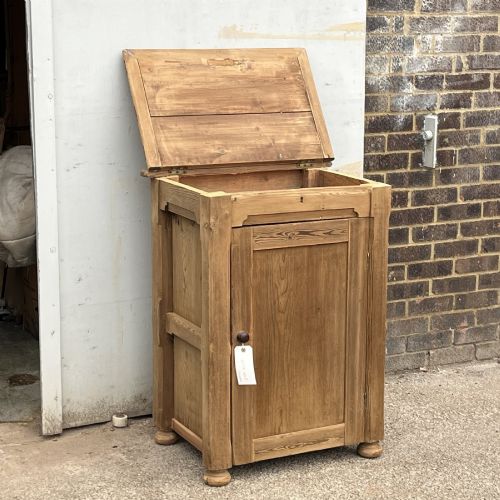
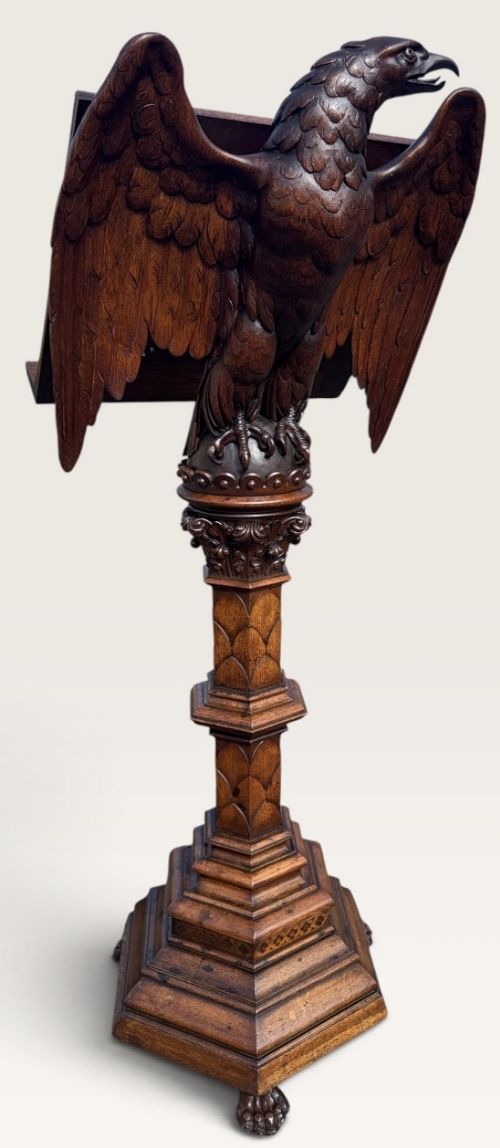
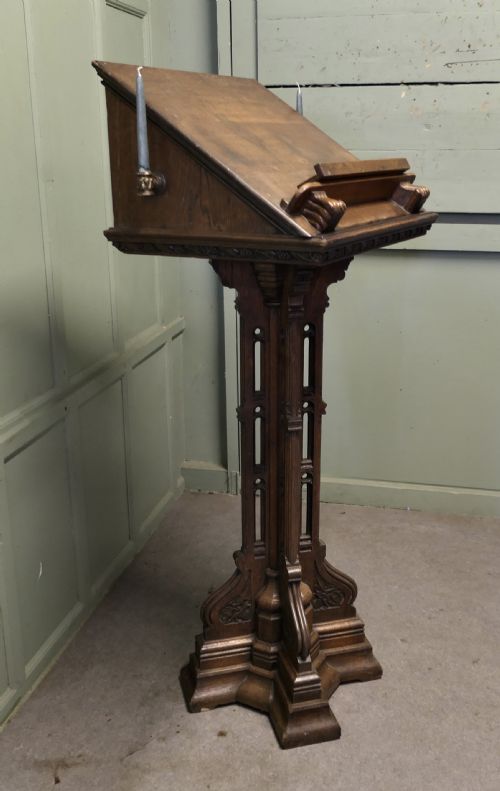
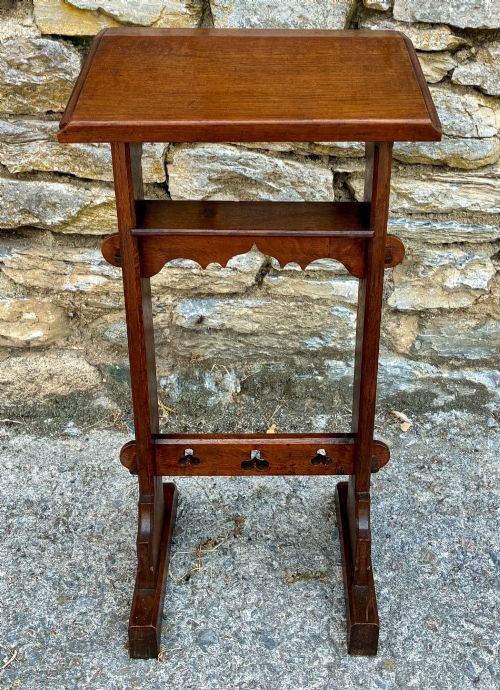
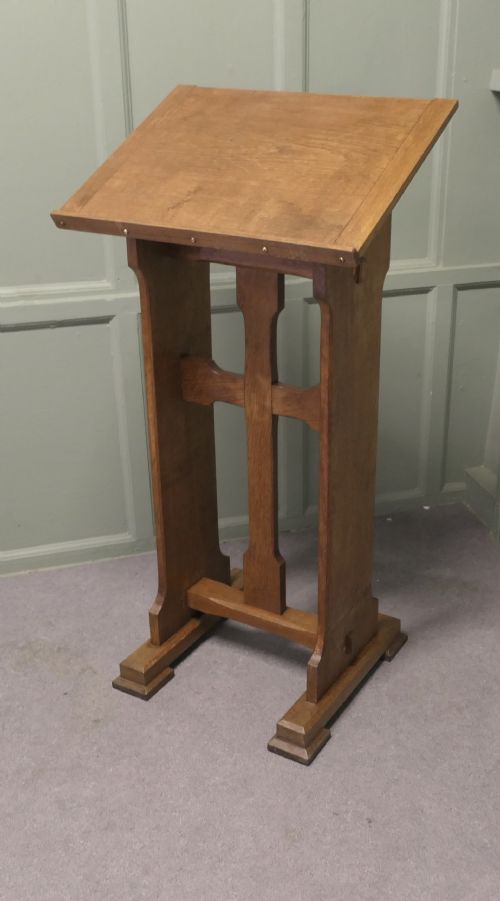
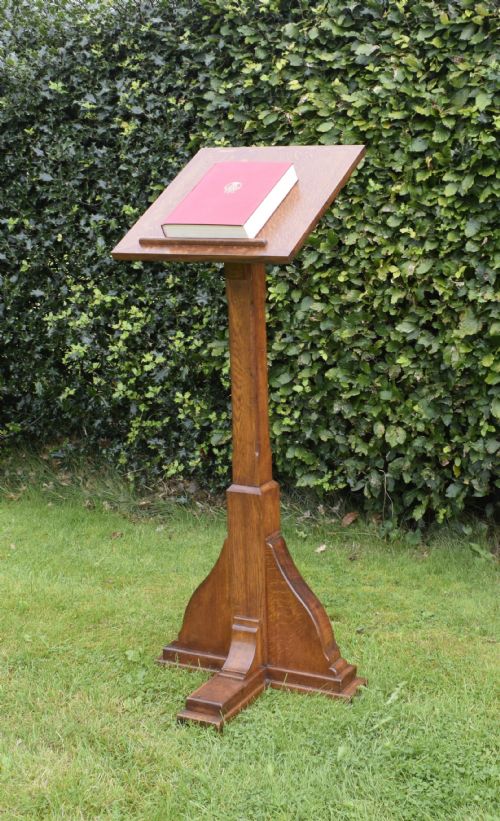
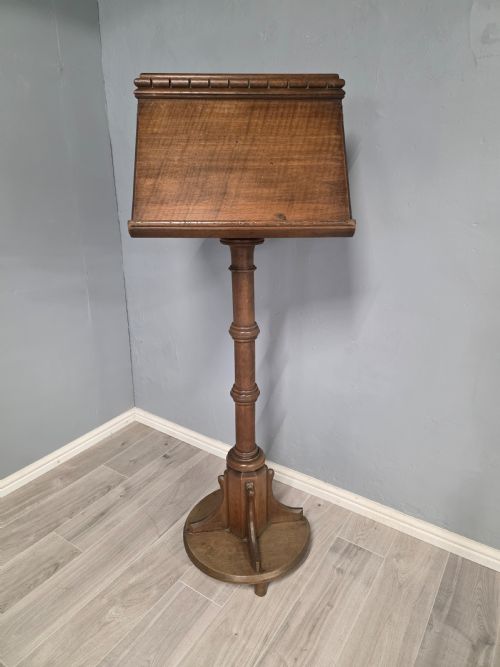
A wooden church lectern is a sturdy reading stand or pulpit designed to hold large volumes, frequently encountered in oak or pine across this selection. Buyers seeking a wooden church lectern will find pieces ranging from small table stands to large floor-standing podiums carved with eagles or architectural details.
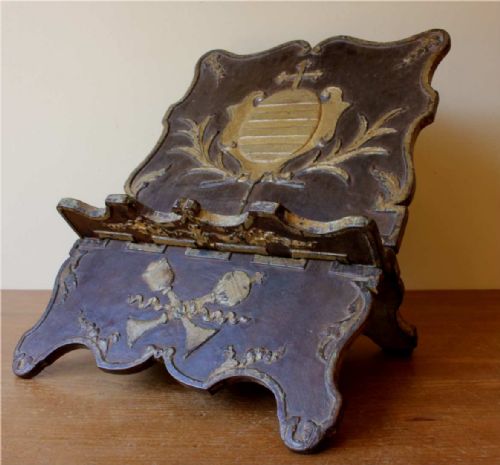
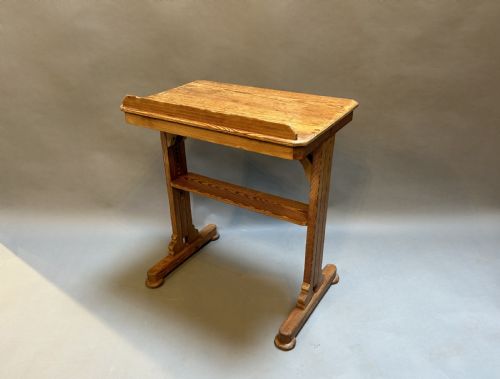
The objects span multiple centuries, with Victorian Gothic Revival examples and eighteenth-century items appearing alongside early twentieth-century pine tables. Many pieces integrate brass work or folding mechanisms to support missals, bibles, and restaurant reception menus.
Forms extend beyond ecclesiastical settings into domestic and commercial spaces, serving as greeting stations, music stands, and home bars. The selection balances monumental carved birds with simpler pine reading desks.
Materials and construction
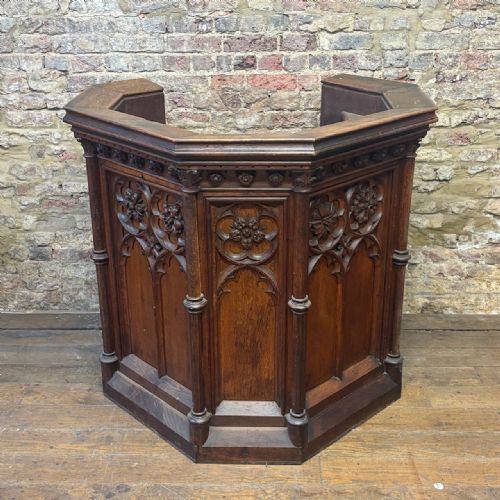
Makers utilised solid oak and pine for the primary structures, employing traditional carving techniques to render intricate plumage on eagle reading desks and tracery on panels. Brass fixtures appear as hinges, book rests, and decorative mounts that complement the heavy timber frames.
Surface treatments range from waxed golden oak finishes to gilt, gesso, and gold leaf highlights on French missal stands and Baroque pieces. Construction methods rely on heavy joinery and solid timber panels designed to bear the weight of large folio volumes.
Wooden Church Lectern Retail Price Guide 2026
Typical asking prices for wooden church lectern among the pieces listed under this phrase on Sellingantiques today, from the lower quarter to the upper quarter. They describe what is for sale here now, not the wider market.
Listings feature oak as the predominant timber, accompanied by pine, brass, and occasional gilt finishes across Gothic Revival and Arts and Crafts styles.
Assessing quality
Quality rests primarily on the depth and precision of the carving, particularly in anatomical details on eagle figures and crispness in Gothic Revival tracery. Sculptural depth separates monumental church furniture from simpler utilitarian pine tables.
The choice of timber and the integrity of original joinery dictate the standing of a piece, with dense old-growth oak commanding attention over softer pine alternatives. Integrated brass work and clever folding mechanisms further elevate the sophistication of individual stands.
The Wooden Church Lectern Glossary
- Gothic Revival
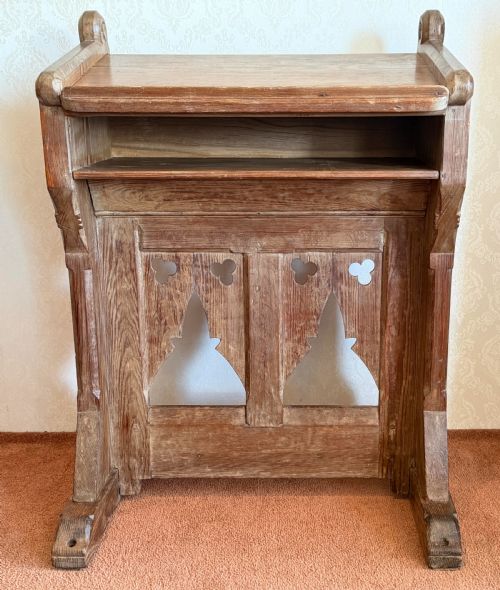
- An architectural and decorative style drawing on medieval forms, featuring pointed arches, trefoils, and heavy timber construction. This aesthetic dominates nineteenth-century ecclesiastical furniture.
- Missal Stand
- A low desk or folding rest designed to hold liturgical books on an altar or table. Eighteenth-century examples often incorporate adjustable rests and gilt decoration.
- Prie Dieu
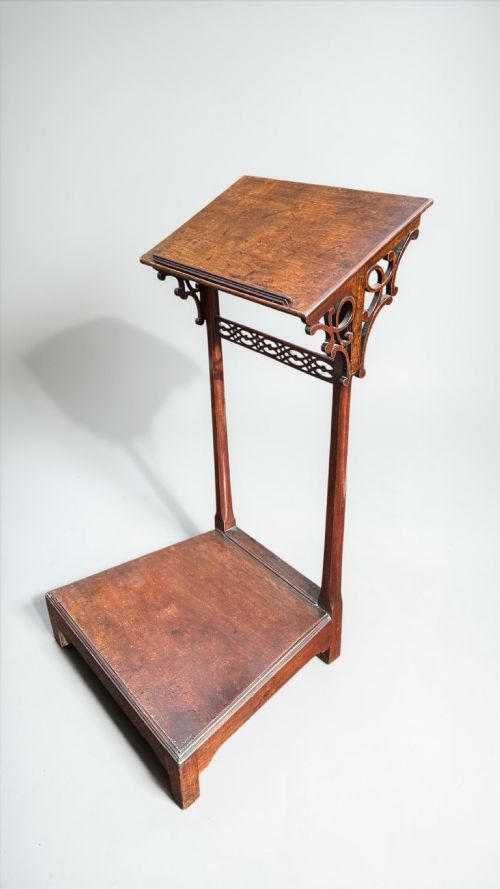
- A devotional desk designed for kneeling while praying, combining a padded shelf with a sloping top for texts. Georgian iterations reflect period cabinet-making standards.
- Podium
- A raised stand used for holding notes or books while a speaker addresses an audience. These forms adapt easily to modern reception and greeting roles.
- Tracery
- Openwork stonework or woodwork ornamentation, typically seen in Gothic windows and screens. Carvers replicate these geometric patterns on pulpit panels and lectern bases.
Wooden Church Lectern: Frequently Asked Questions
What is an eagle lectern?
An eagle lectern is a large reading stand where the book rest is supported upon the outstretched wings and body of a carved wooden eagle. These monumental pieces served as the focal point for scripture readings in nineteenth-century churches.
Today, they function as striking sculptural statements in large residential rooms, libraries, or commercial reception spaces.
How do I date a wooden lectern?
Dating relies on examining the timber species, tool marks, and stylistic vocabulary such as Victorian Gothic Revival or Chippendale influences. Eighteenth-century pieces frequently show hand-cut joinery and French regional characteristics.
Later nineteenth and twentieth-century examples often utilise factory-prepared boards alongside traditional hand-carved decorative elements.
Can these lecterns fold away?
Certain specialised forms, particularly eighteenth-century French missal stands and bible rests, feature hinged designs intended for portability or compact storage. Most floor-standing podiums and heavy oak eagle lecterns remain rigid and solid.
Checking the mechanical hinges reveals whether a piece was built to adjust or fold during ecclesiastical use.