

Victorian Standing Desk
A victorian standing desk brings substantial nineteenth-century timber and deliberate working posture into a modern study.
Victorian Standing Desk
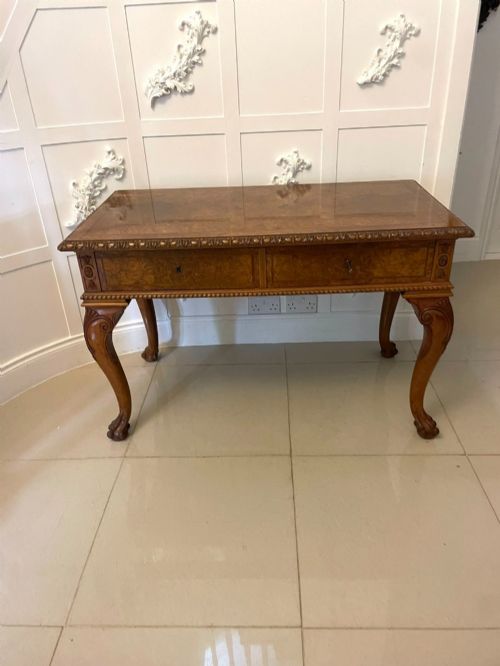
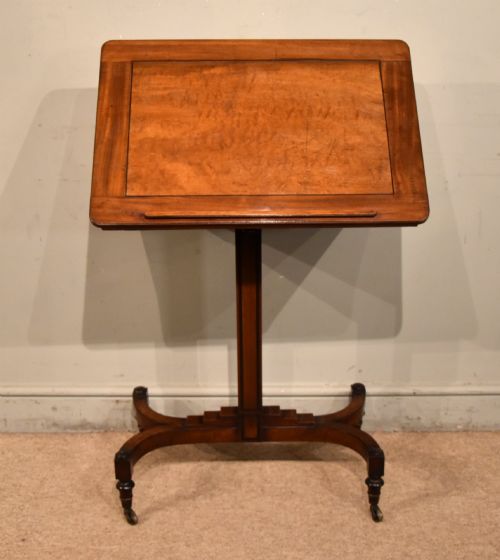
A victorian standing desk represents the heavier, more functional end of nineteenth-century workspace furniture, built for sustained upright writing or reading. While the evidence includes many smaller reading stands, music racks, and pedestal desks, the core form remains a tall, freestanding timber unit designed for rooms where sitting was eschewed for administrative or clerical tasks.
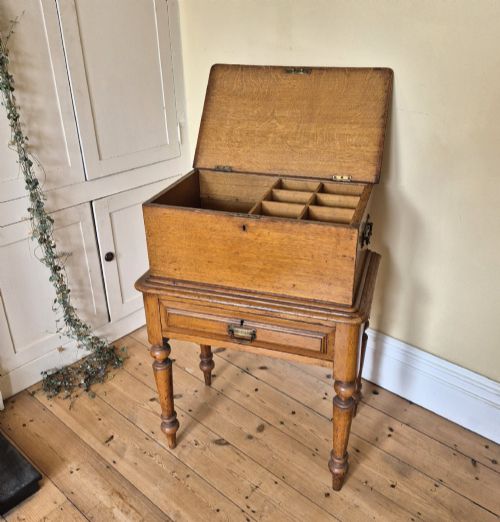
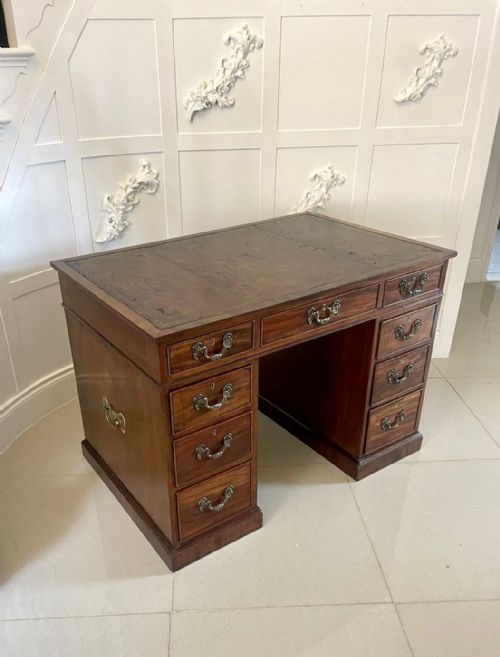
Most examples you encounter from this era span mahogany, oak, and burr walnut, reflecting the solid domestic and institutional requirements of the period. These pieces often feature kneeholes, sloping writing tops, or integrated compartments that accommodate ledgers, stationery, and inkwells.
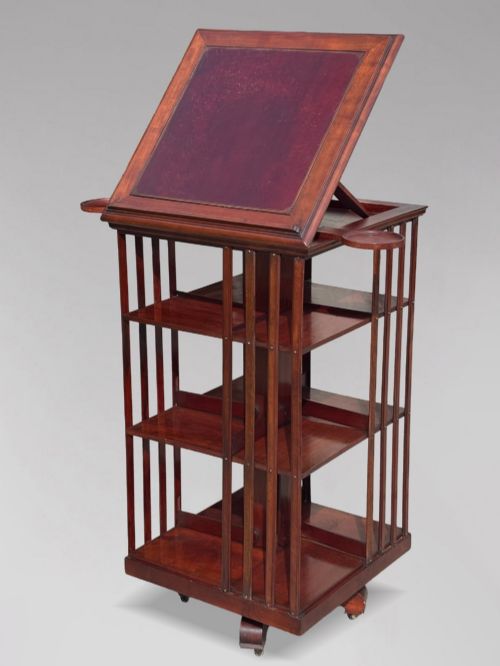
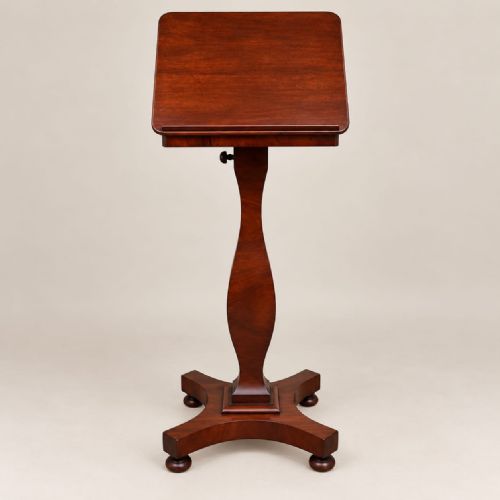
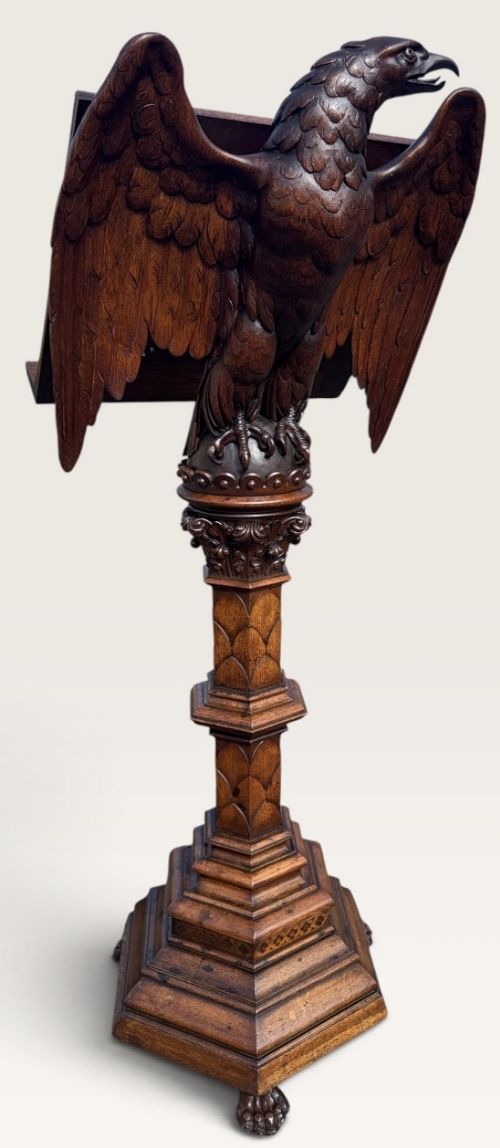
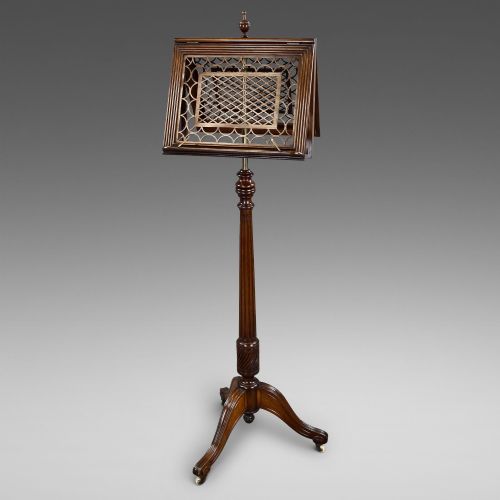
Makers of the period varied the scale from compact prayer desks and podiums up to large pedestal writing tables that required an elevated stance. The selection on this page captures both the domestic library pieces and the more austere church or railway furniture of the nineteenth century.
Materials and construction methods
Cabinet makers relied heavily on dense hardwoods like mahogany, oak, walnut, and rosewood to construct frames that could endure daily clerical use without shifting. These timbers were frequently polished to a deep finish or enhanced with burr veneers and inlay work.
Joinery techniques prioritised rigidity, employing heavy framing, brass hardware, and occasional ormolu mounts to secure high-stress joints on writing slopes and reading ledges. Where glass, leather, or cast iron appeared, they were integrated into the primary timber carcass to provide durable writing surfaces and inkstand holders.
Listings feature nineteenth-century furniture rendered in oak, mahogany, walnut, and brass.
Distinguishing quality across pieces
The standard of a piece rests upon the selection of timber veneers, such as figured burr walnut or rich mahogany, and the precision of the cabinet work in hidden areas like drawer linings and back panels. Superior examples exhibit tightly fitted pigeonholes, smooth mechanical adjustments for reading heights, and substantial brass mounts.
Proportion and structural integrity dictate the upper tier of the range, where carved architectural details or marquetry remain crisp and undisturbed by poor repairs. Lesser pieces often show coarser secondary woods, simpler turned legs, or a general heaviness lacking the refined secondary detailing seen in documented maker outputs.
Maple and Co·Edwards and Roberts
The Victorian Standing Desk Glossary
- Kneehole
- A recessed central space beneath a desk top, designed to allow a person to sit or stand closely to the writing surface.
- Pedestal desk
- A heavy freestanding writing table supported by two vertical banks of drawers rather than four distinct legs.
- Ormolu
- Gilded bronze or brass mounts cast in decorative patterns and applied to the corners and friezes of fine cabinet furniture.
- Boulle work
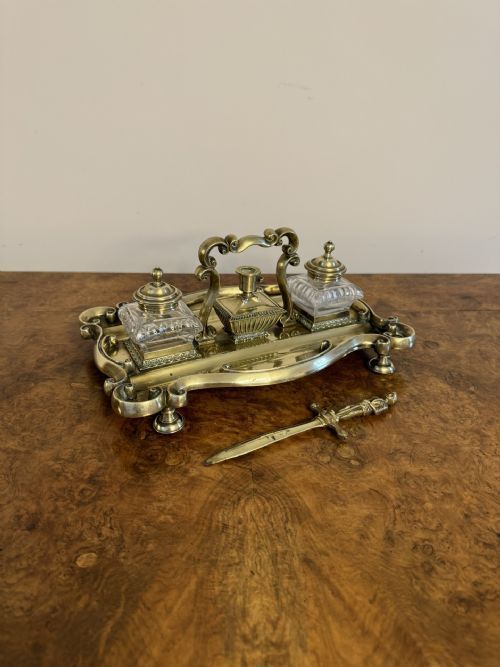
- An elaborate form of marquetry utilising tortoiseshell and brass inlay, popular on decorative nineteenth-century desk accessories.
- Reading stand
- An adjustable timber support designed to hold books or folios at a legible angle for standing or seated users.
Victorian Standing Desk: Frequently Asked Questions
How do I use a standing desk today?
These historical pieces accommodate modern laptops or notebooks by providing a fixed, elevated writing surface that encourages an upright posture during short tasks.
Position the desk in a study where its depth and height can serve as a focal point for reading or administrative work.
How do I care for nineteenth-century wood?
Maintain the timber by keeping it away from direct heat sources and sudden humidity shifts that can split old veneers.
Apply a traditional beeswax polish sparingly to nourish the grain without building up a sticky surface residue.
Were these desks made for offices or homes?
Nineteenth-century standing furniture served both domestic libraries and institutional settings such as railway offices, churches, and grand reception rooms.
Domestic versions often utilised finer timbers like burr walnut and mahogany, while institutional variants favoured durable oak and cast iron.