

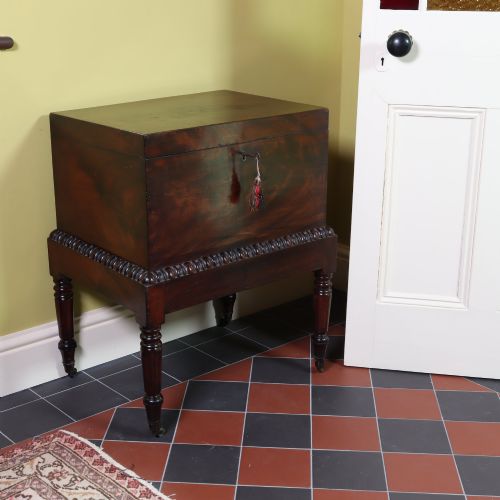


Wooden Cellarette Box
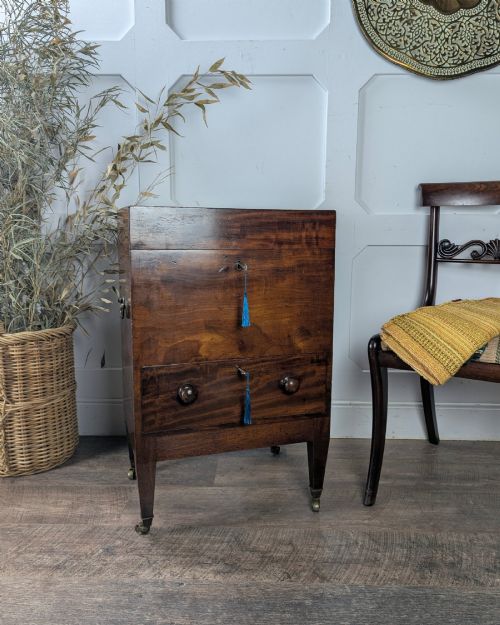
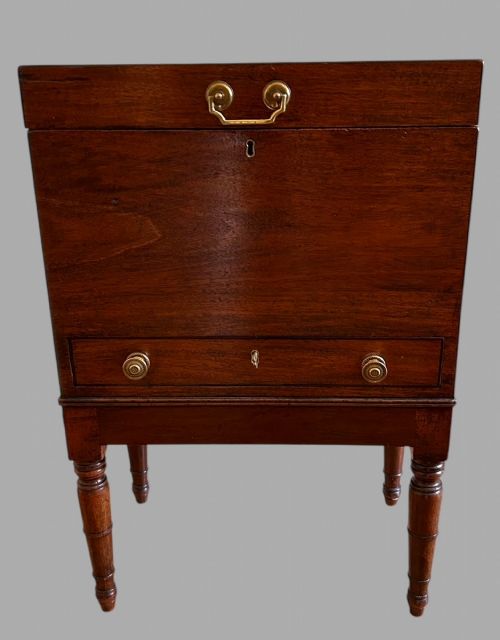
A wooden cellarette box is a sturdy storage container designed to hold bottles securely in dining rooms during the eighteenth and nineteenth centuries.
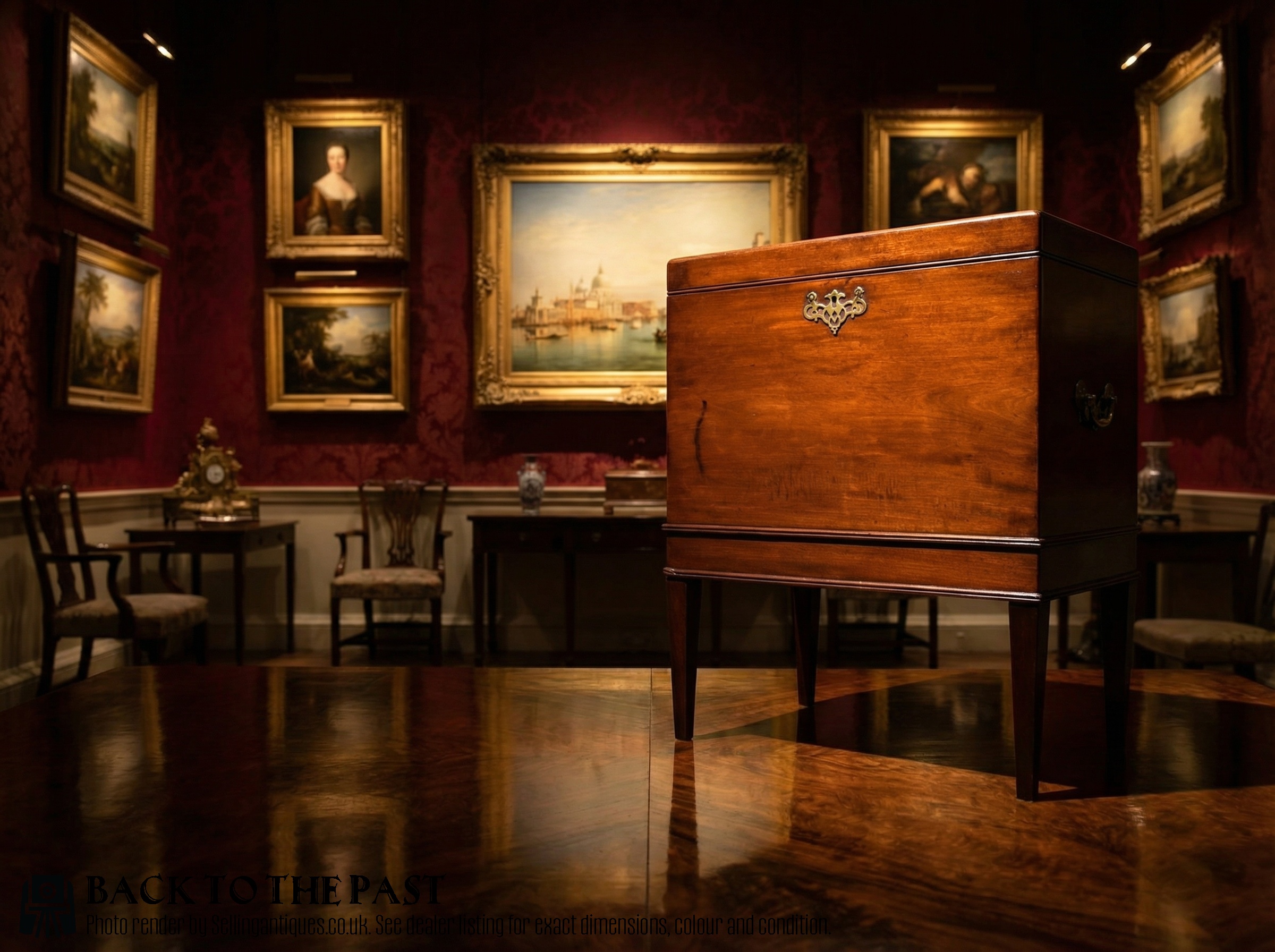
Wooden Cellarette Box
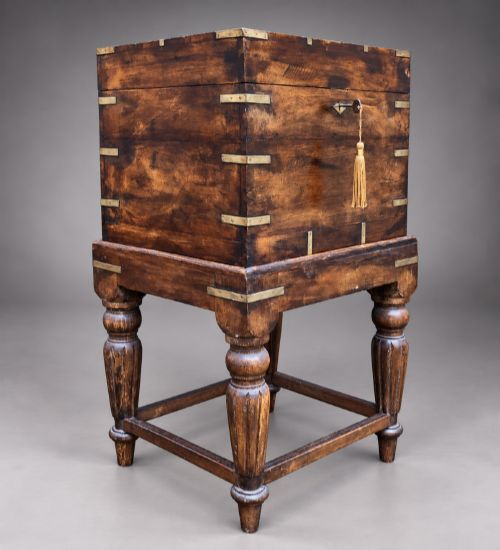
A wooden cellarette box serves as a specialised container for holding wine bottles and spirits near the dining table. When exploring this selection, buyers encounter pieces primarily from the Georgian, Regency, and Victorian periods.
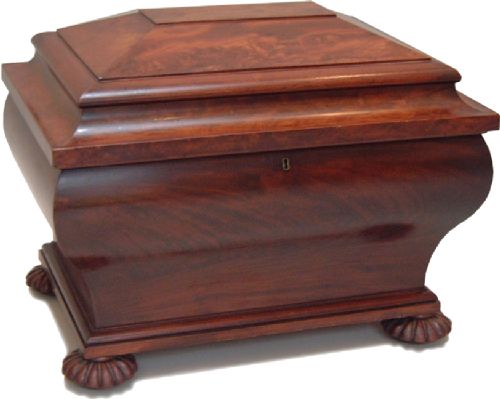
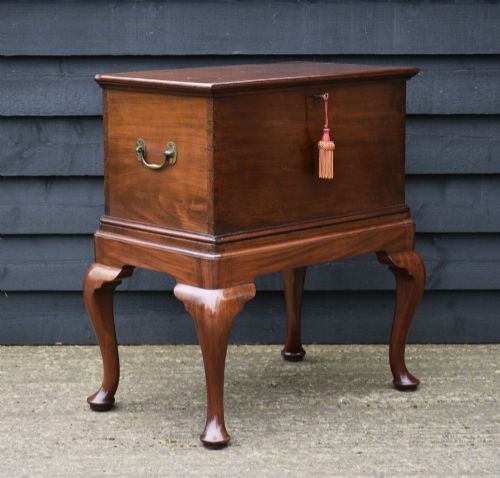
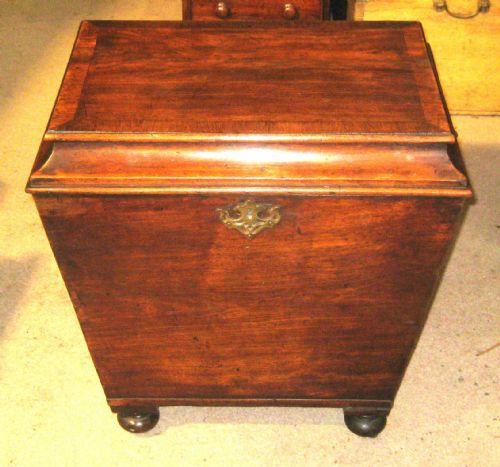
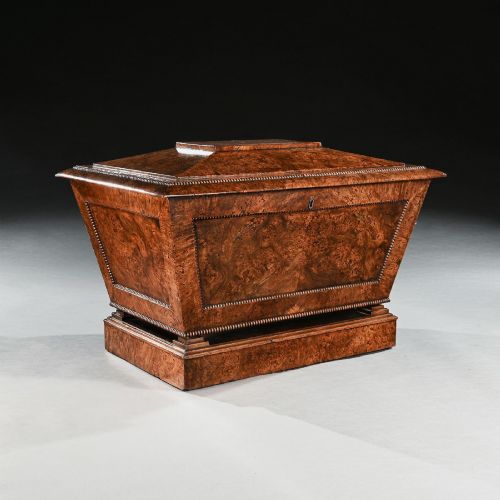
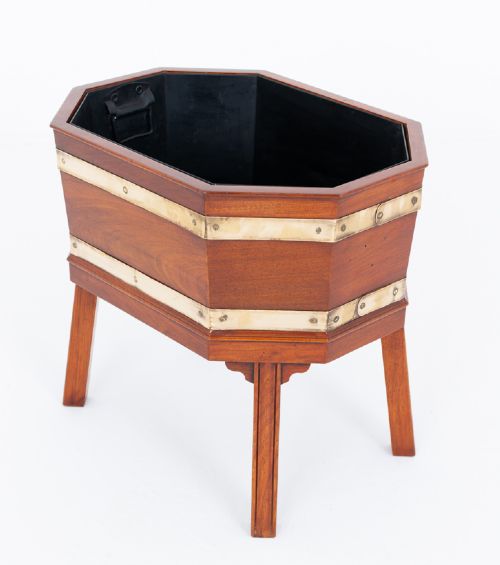
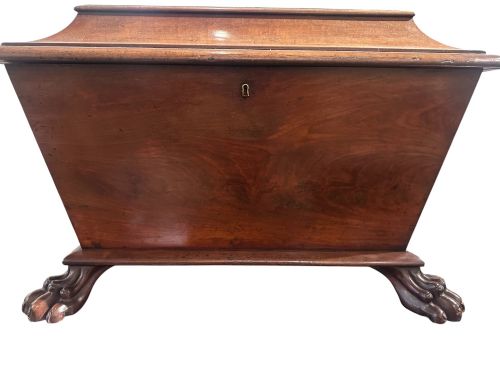
The most common forms on this page include mahogany sarcophagus shapes, freestanding wine coolers, and fitted decanter boxes. These items range from simple tabletop boxes to elaborate examples resting on dedicated stands.
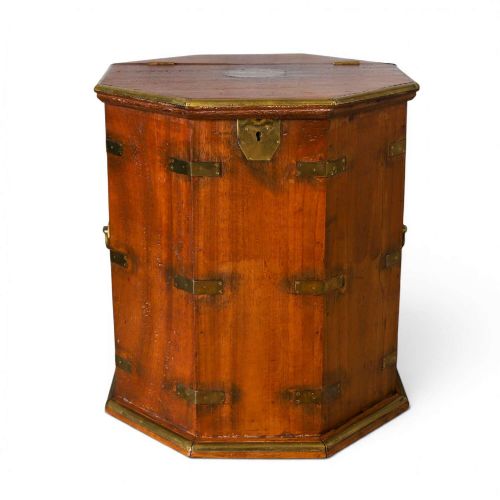
Origins span English workshops alongside examples demonstrating Anglo-Indian and French design influences. Each piece reflects the formal dining customs of its era through secure internal divisions and robust construction.
Materials and Construction Techniques
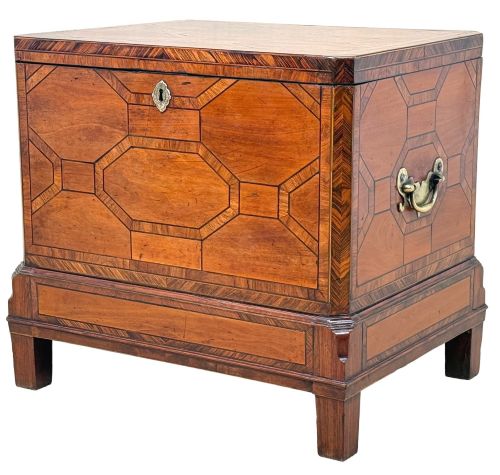
Makers relied heavily on dense hardwoods such as mahogany, pollard oak, walnut, and satinwood to build these heavy storage vessels. Timber selection prioritized figure and grain, often utilising flame veneers or contrasting inlays of kingwood and box tree.
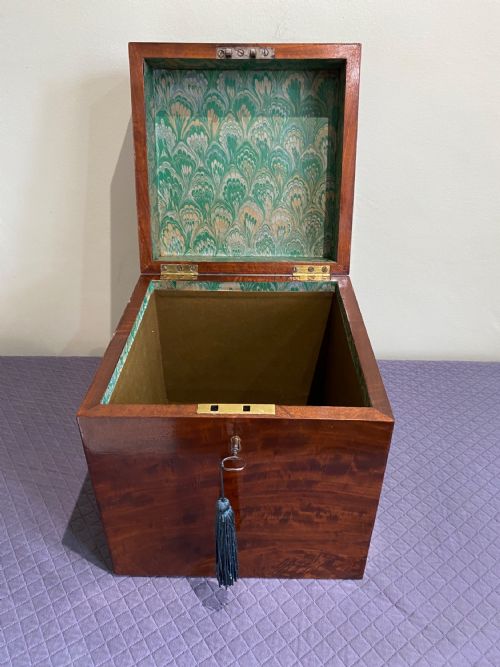
Internal layouts frequently incorporate lead linings designed to hold melting ice alongside original wooden dividers or bottle frames. Metal hardware including brass handles, hinges, and ormolu mounts reinforces the structural integrity of the heavy lids and corners.
Listings span Georgian, Regency, and Victorian periods, utilising mahogany, pollard oak, satinwood, brass, and ormolu.
Assessing Craftsmanship and Condition
The distinction between ordinary storage boxes and exceptional examples rests in the depth of the timber's patina and the precision of the joinery. Superior pieces display carefully matched grain patterns across expansive surfaces and well-executed decorative inlays.
Original interior elements, such as fitted lead liners, working locks, and complete bottle partitions, elevate a piece's integrity. The crispness of carved wooden details and the quality of heavy brass or ormolu mounts further distinguish finer workshop output.
Gillingtons
The Wooden Cellarette Box Glossary
- Cellarette
- A lockable container used for storing wine and spirits within dining areas before bottle storage moved to cellars. These boxes evolved from simple chests into elaborate architectural furniture forms.
- Sarcophagus
- A tomb-like furniture shape featuring a stepped, domed lid and tapered body popular during the Regency period. This classical silhouette provided generous interior capacity for multiple wine bottles.
- Tantalus
- A decorative wooden frame that holds decanters visible behind a locking metal bar to prevent unauthorized drinking. The design secures the stoppers in place until a key unlocks the mechanism.
- Ormolu
- Gilded bronze ornamentation applied to furniture surfaces for decorative contrast. This technique was frequently utilised on high-status Regency and Georgian pieces.
- Patina
- The surface sheen and colour developed by aged wood through decades of handling, polishing, and exposure to light. Collectors value untouched surfaces that demonstrate long-term care.
Wooden Cellarette Box: Frequently Asked Questions
What is a wooden cellarette box used for?
These boxes served to store wine and spirits safely in the dining room when cellars were located far from the table. They kept bottles close at hand during formal meals.
Interior divisions and lead linings allowed servants to chill wine using ice while protecting expensive glassware and bottles from damage during service.
How do I tell a Regency cellarette from a Georgian one?
Georgian pieces often display simpler rectangular cabinet forms with straight bracket feet or plain box designs. They emphasise clean mahogany surfaces and straightforward joinery.
Regency examples frequently adopt heavier classical shapes like the sarcophagus, incorporating carved paw feet, bold brass ring handles, and rich pollard oak or flame veneers.
Why do some cellarettes have lead linings?
Lead linings were installed to make the interior watertight so that servants could pack ice around the wine bottles to keep them cold. The metal protected the surrounding wooden structure from moisture damage.
Original lead inserts remain an important indicator of a piece's authenticity and original function as a dedicated wine cooler.