
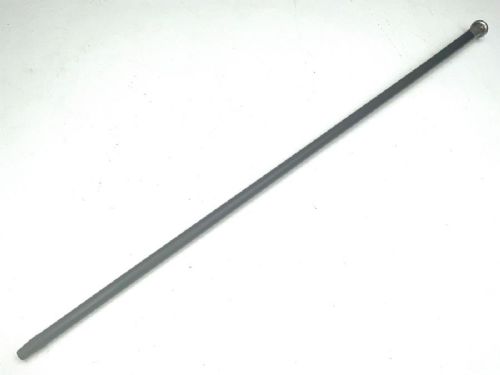
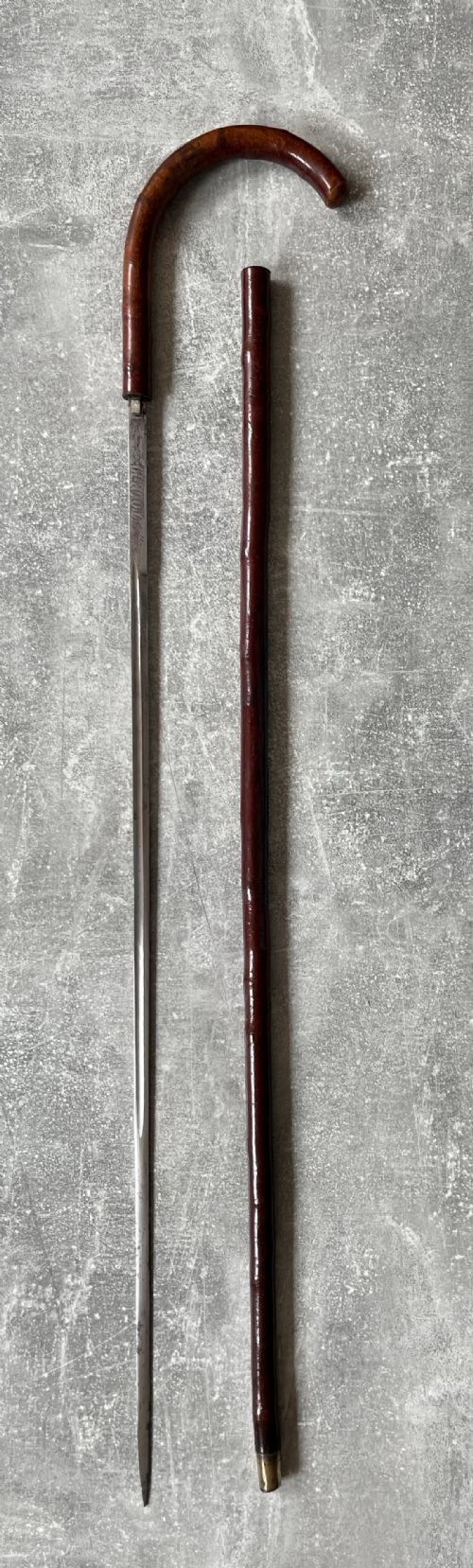
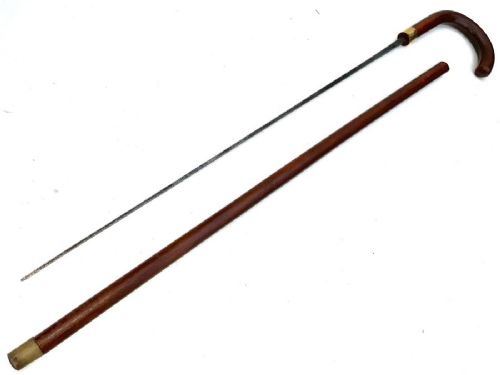
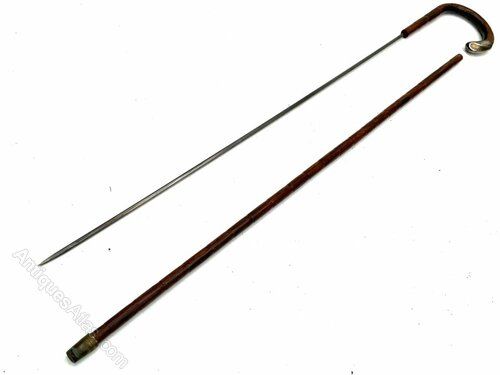
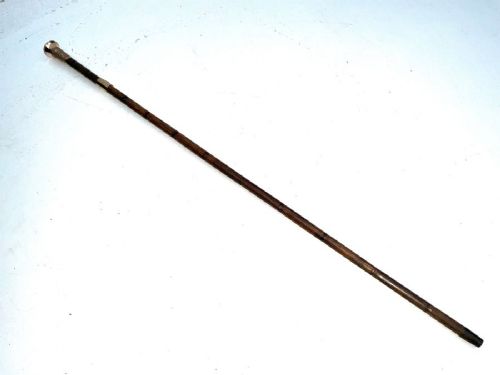


Wooden Cane Concealed Sword
These wooden cane concealed sword pieces are discreet self-defence tools disguised as gentleman's walking sticks, offering both everyday support and a hidden blade.
Wooden Cane Concealed Sword
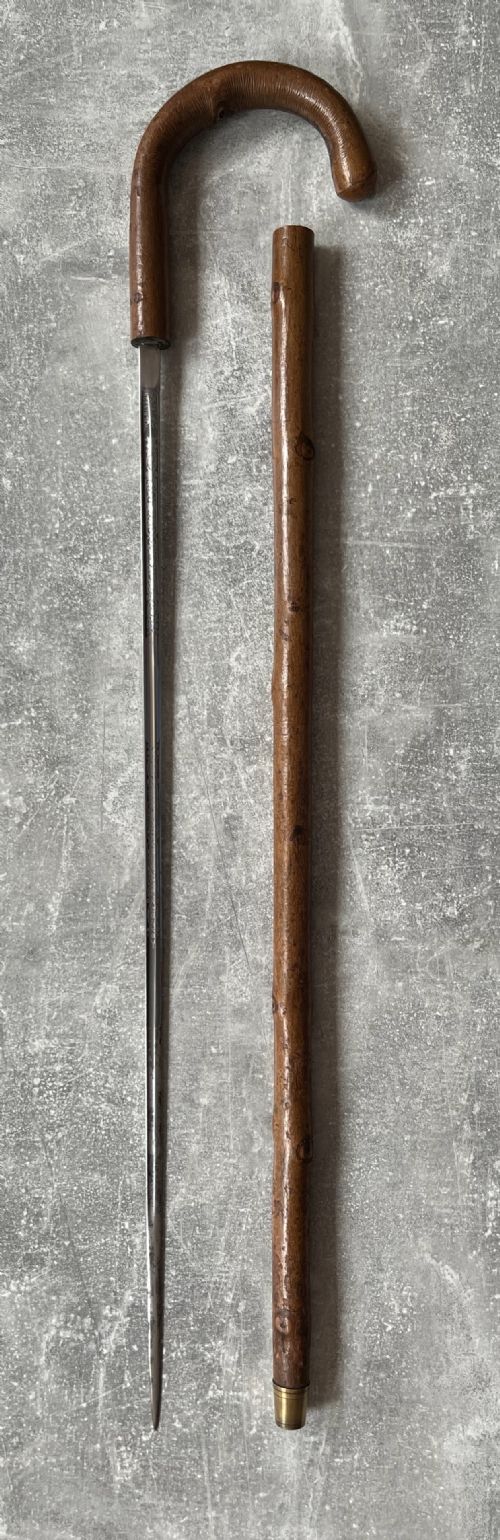
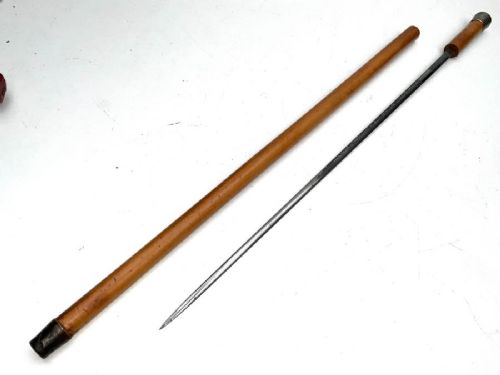
A wooden cane concealed sword, often termed a sword stick, presents outwardly as a standard walking stick or swagger stick. Beneath the outer wooden shaft lies a hidden steel blade, designed for discreet personal protection during the Victorian, Edwardian, and early twentieth century periods.
The versions most commonly met on this page span from the late nineteenth century through to the 1920s. They include military officers' swagger sticks, Masonic examples, and civilian gentleman's walking sticks originating from British, French, and Imperial German makers.
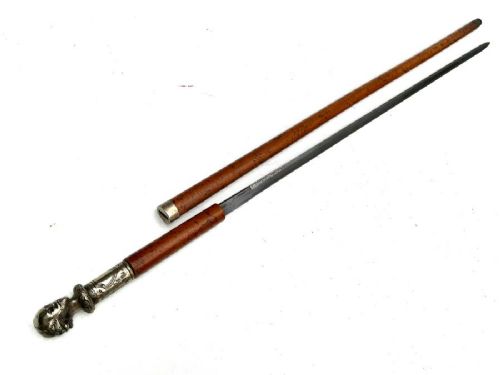
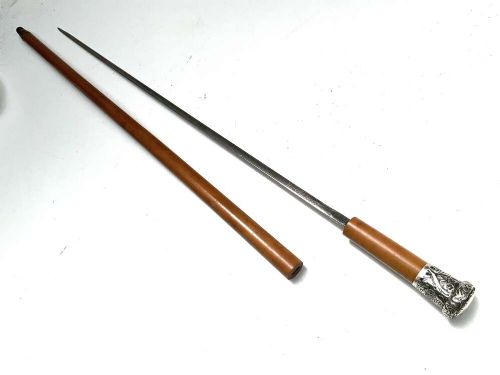
Handles vary widely in form, appearing as crook-handled hazel wood, root-ended grips, antler, horn, and hammer-head designs. Many incorporate decorative metal collars in silver or brass, sometimes bearing London hallmarks or personal initials.
How they were made
Makers fashioned the outer shafts from dense timbers and natural materials such as malacca cane, cherrywood, partridge wood, rosewood, hazel, and Irish blackthorn. These shafts were accurately hollowed out to house a steel blade securely until released by a catch or screw mechanism.
Blades were forged from quality steel, frequently featuring specialised manufacture from renowned centres such as Toledo or incorporating recognised makers like Wilkinson. Metal collars in silver, brass, or gold-coloured finishes reinforced the handle join and provided space for inscriptions or hallmarks.
Listings feature pieces from the 1880s through to 1920, utilising materials such as steel, silver, brass, horn, malacca cane, and various hardwoods.
What varies in quality
Quality in a wooden cane concealed sword rests upon the precision of the join between the wooden handle and the shaft when closed. Superior examples fit flush without looseness, concealing the internal blade entirely while maintaining the rigid feel of a standard walking stick.
The standard of the metal blade and the integrity of the timber shaft dictate the piece's overall grade. Blades bearing recognised maker signatures or specific regional origins like Toledo paired with robust hardwoods such as malacca or partridge wood represent the upper tier of manufacture.
The Wooden Cane Concealed Sword Glossary
- Sword stick
- A walking cane or stick containing a concealed steel blade. It functions as a dual-purpose accessory for support and covert defence.
- Swagger stick
- A short, light cane traditionally carried by military officers. Examples in this category often double as concealed blade weapons.
- Malacca cane
- A strong, speckled stem from the rattan palm imported from Southeast Asia. It is prized for its flexibility and distinctive appearance in walking sticks.
- Collar
- A metal band encircling the top of the shaft just below the handle. These bands frequently feature silver hallmarks, brass work, or engraved initials.
- Toledo blade
- A steel blade produced in the Spanish city known for historic sword-making traditions. These blades indicate high-grade smithing.
Wooden Cane Concealed Sword: Frequently Asked Questions
What is a wooden cane concealed sword?
It is a walking stick or swagger stick housing an internal steel blade behind a wooden exterior. Gentlemen carried them for personal protection during the Victorian and Edwardian eras.
The outer shaft conceals the weapon entirely, allowing the bearer to use the piece for daily support while retaining a hidden means of defence.
How do you release the hidden blade?
Most pieces rely on a screw-thread, a spring catch, or a friction fit between the handle and the shaft. Pulling the handle sharply separates the two sections.
The internal steel blade slides smoothly out of the hollow wooden body, leaving the handle in the user's hand to serve as the sword hilt.
Who carried these sword sticks?
Military officers, gentlemen, and members of fraternal organizations such as Masonic lodges utilised these pieces. They served as practical walking aids and status symbols.
Military examples often featured regimental connections, while civilian versions emphasised fine hardwoods and decorative silver collars.
How can you date a sword stick?
Dating relies on stylistic clues, materials, hallmarks, and military associations recorded in the piece. Victorian and Edwardian examples often display specific handle shapes and metalwork.
Silver collars bearing London assay office marks and date letters provide precise years of manufacture, while timber choices reflect period preferences.