


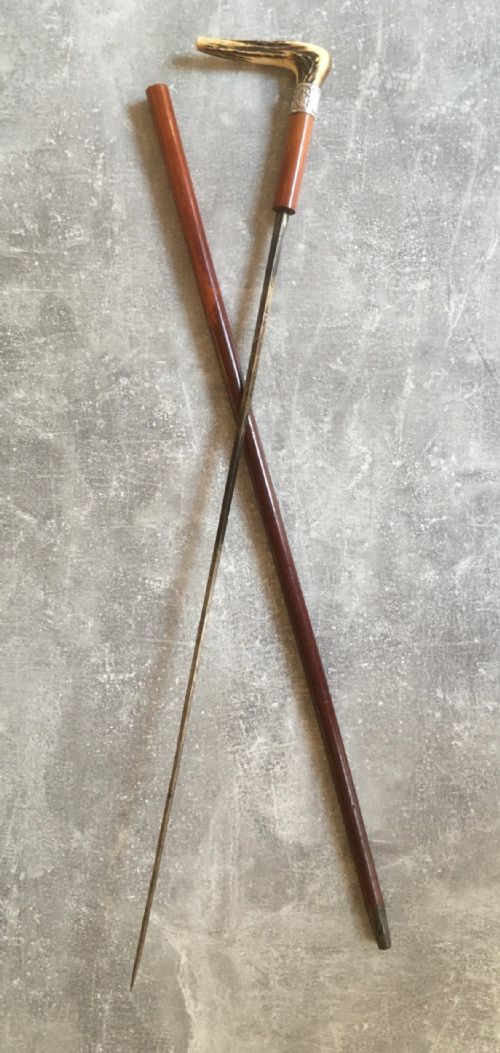
Gentleman Defence Stick
A gentleman defence stick is a discreet everyday carry hiding a concealed steel blade, offering practical protection wrapped in traditional elegance.
Gentleman Defence Stick
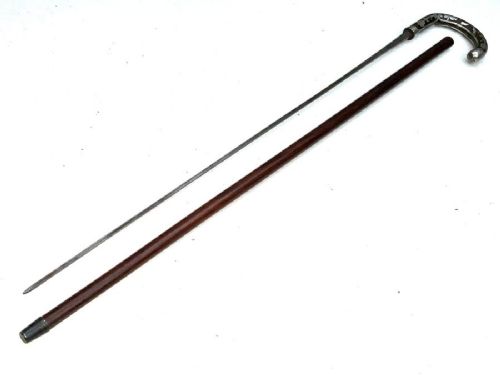
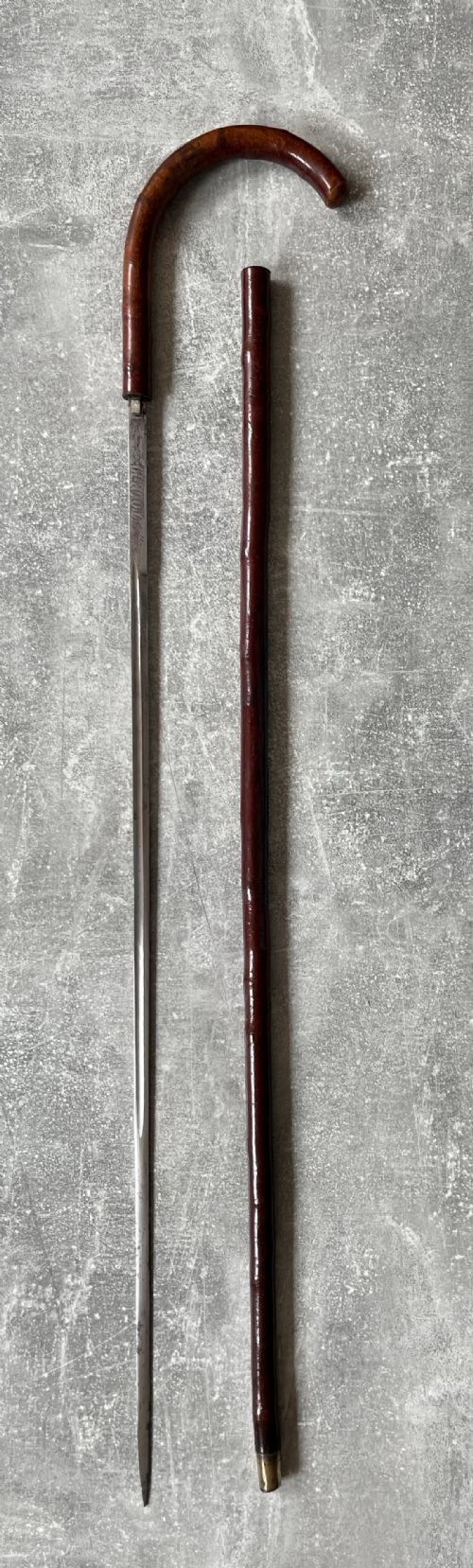
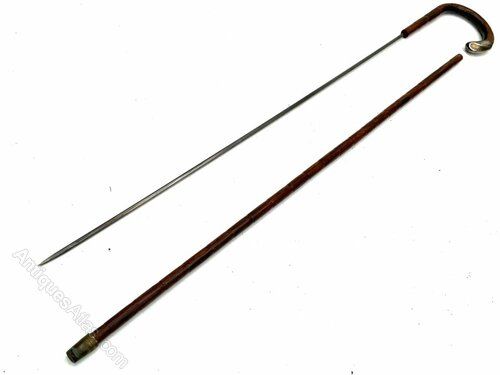
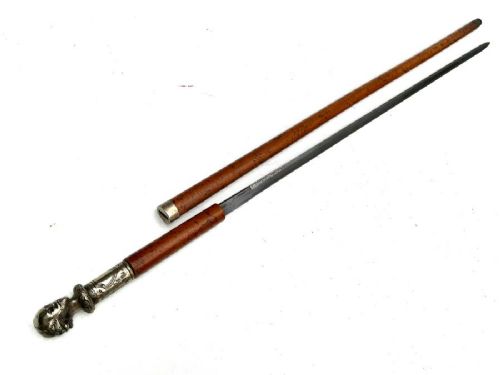
A gentleman defence stick is primarily a sword stick or walking stick concealing a steel blade beneath a fitted wooden shaft, designed for personal protection during the Victorian, Edwardian, and early twentieth-century periods.
Most examples found on this page date from the nineteenth century up to the 1930s, constructed with natural materials like partridge wood, cherrywood, malacca, and rosewood, often finished with distinctive handles made of horn, silver, or antler.
Buyers will encounter various regional and military styles here, ranging from standard civilian walking sticks to Imperial German military officers' pieces and named maker items originating from Britain.
How they were made
Makers fashioned the outer shafts from dense timbers such as partridge wood and cherrywood, boring out the interior carefully to house a slender steel or Toledo blade securely.
Metal collars in silver or brass reinforced the upper throat of the shaft where the handle met the body, ensuring a tight fit and structural integrity when the concealed blade was locked inside.
Listings feature pieces spanning the Victorian era through the 1930s, utilising materials such as steel, silver, horn, brass, and woods including partridge wood and cherrywood.
What varies in quality
The standard of materials used for the handle and shaft sets apart ordinary walking sticks from superior ones, with silver collars, carved horse head handles, and premium timber such as malacca or rosewood indicating better workshop output.
Blade origin and mechanism precision define the upper range, particularly where marked Toledo blades or recognised makers like Brigg are present, demonstrating finer metalworking and a more seamless closure between shaft and handle.
Brigg·Kendal
The Gentleman Defence Stick Glossary
- Sword stick
- A walking stick with a concealed blade hidden inside the wooden shaft. This is the primary form found across these historical listings.
- Toledo blade
- A steel blade produced in Toledo, Spain, known for historical sword-making quality. These blades appear on select Victorian and nineteenth-century examples.
- Collar
- A metal band, frequently silver or brass, fitted around the top of the walking stick shaft. It adds reinforcement and decoration below the handle.
- Partridge wood
- A dense, heavily mottled tropical timber utilised for walking stick shafts. It provides both weight and durability for daily carrying.
Gentleman Defence Stick: Frequently Asked Questions
What is a gentleman defence stick?
A gentleman defence stick is a traditional walking cane that conceals a sharp steel blade inside its wooden shaft. These items were carried by individuals in the nineteenth and early twentieth centuries for personal security.
They combine the appearance of a standard gentleman's accessory with a hidden weapon mechanism. The blade is safely housed within the body until drawn from the handle.
How do you release the hidden blade?
Most examples rely on a friction fit, a screw mechanism, or a small release catch near the collar. Pulling the handle firmly separates the blade from the outer wooden scabbard.
The engineering ensures the blade stays securely fastened while walking and only detaches when the user applies deliberate pulling pressure.
How do you date an antique sword stick?
Dating relies on examining the style of the silver hallmarks, the timber used, the manufacturing techniques of the blade, and any maker stamps present. Victorian and Edwardian examples often show distinct stylistic traits.
Changes in fashion, metalworking methods, and handle designs across the 1870 to 1930 period help narrow down the decade of production.