
Wooden Bedding Box
A wooden bedding box provides timeless storage, appearing as robust oak coffers and pine blanket chests built to hold linens safely.
Wooden Bedding Box
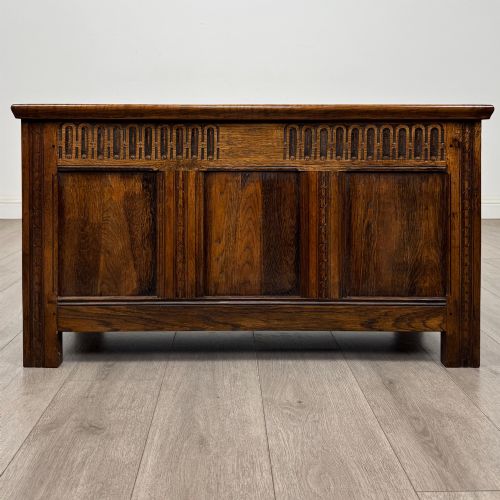
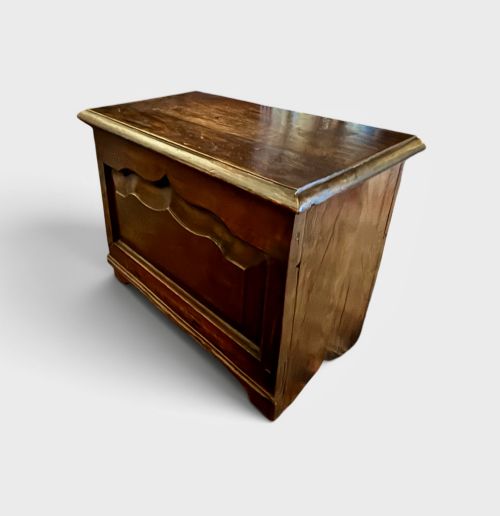
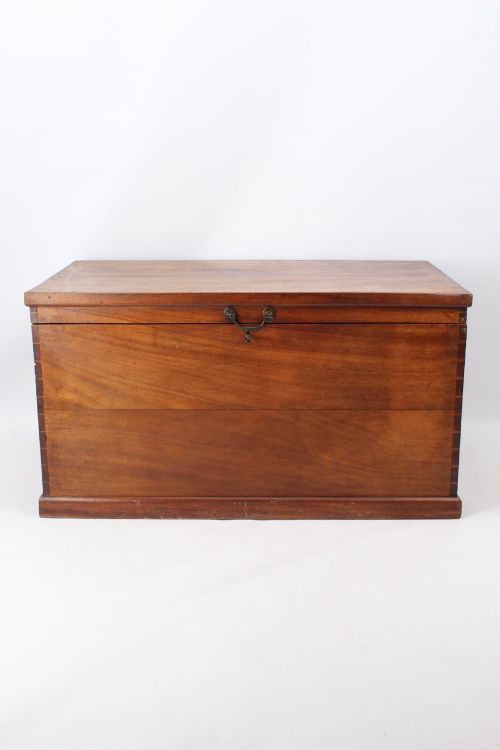
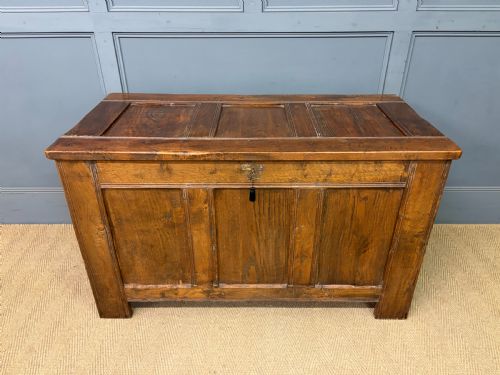
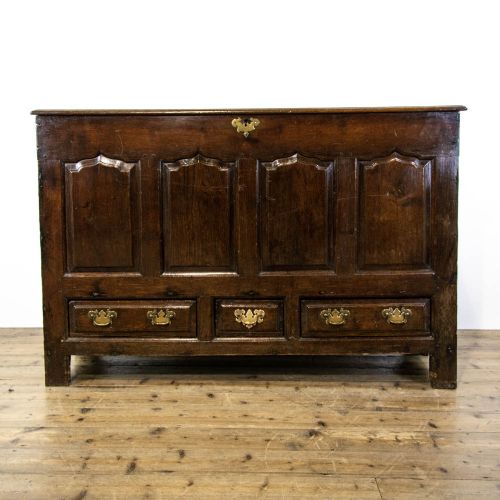
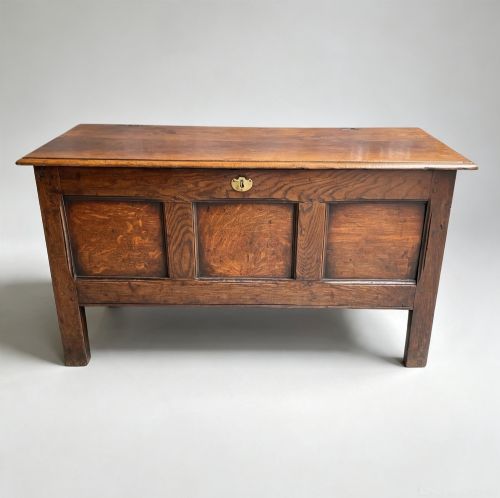
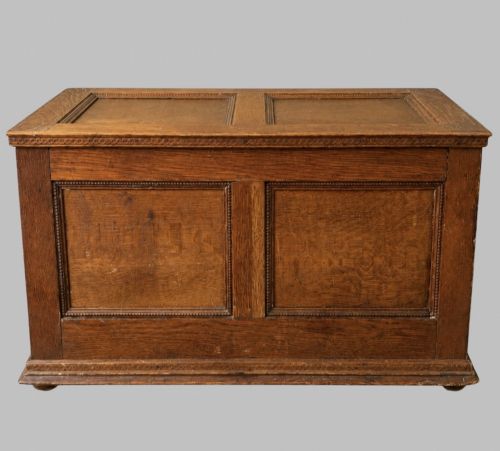
A wooden bedding box serves as a practical storage receptacle for household textiles, taking the form of traditional coffers, blanket chests, mule chests, and trunks. These versatile pieces range from sturdy utilitarian boxes to heavily carved statement furniture.
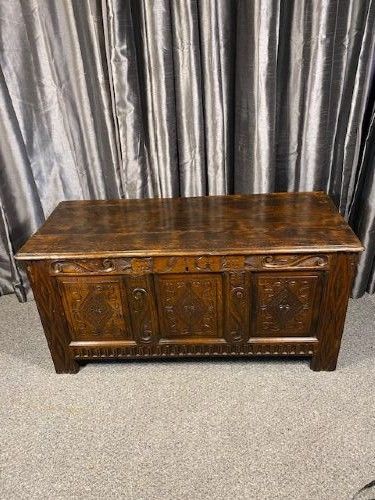
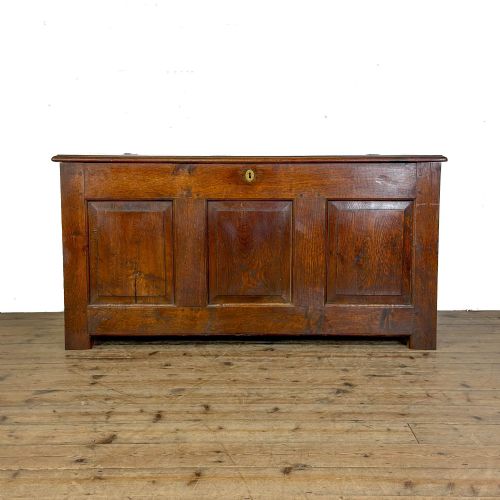
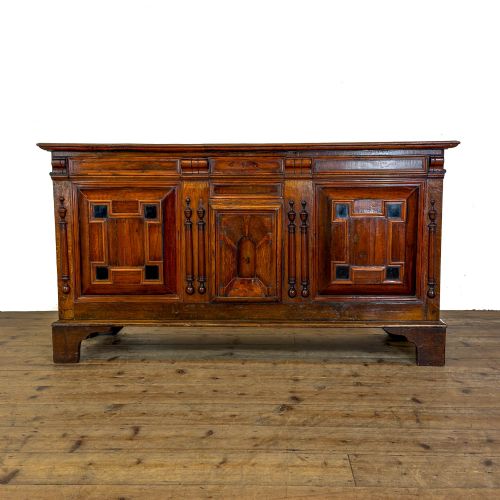
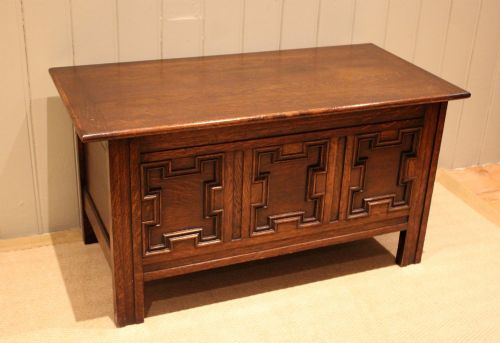
The versions most frequently encountered on this page date from the seventeenth century through to the Edwardian era, constructed primarily in solid timber. Buyers encounter both plain country storage boxes and ornate panelled examples bearing regional characteristics.
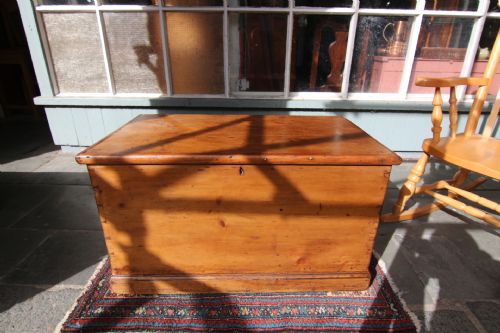
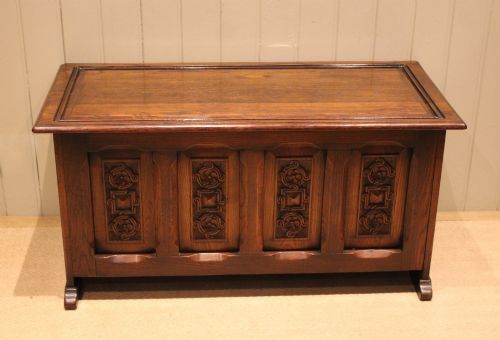
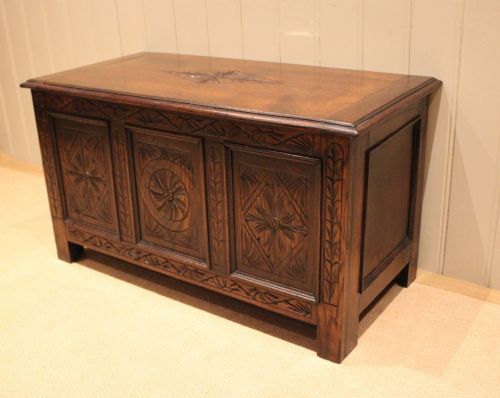
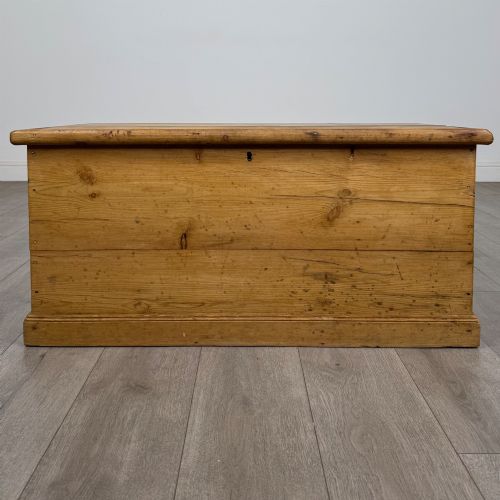
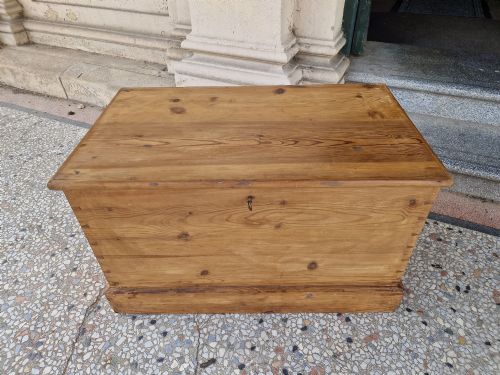
Forms span from simple pine or elm boxes intended for everyday utility to grand seventeenth-century oak coffers featuring intricate chip-carving or marquetry inlay. Mule chests additionally incorporate lower drawers for supplementary storage.
Materials and construction
Makers relied heavily on native timbers such as oak, pine, elm, and mahogany, frequently selecting oak for its exceptional durability in early pieces. Pine served as a common material for painted or domestic blanket boxes, while elm and satinwood appear in specific regional or later trunk designs.
Joinery methods involved traditional panel-and-frame construction, dovetailing, and sturdy pegging to withstand heavy daily use. Iron and brass hardware, including hinges, brackets, and carrying handles, reinforced the structural integrity of these large chests.
Some nineteenth-century pine boxes arrive bearing remarkably cheerful paint finishes and quaint bracket feet, designed to brighten up modest bedrooms.
Judging quality in chests and coffers
The standard of a wooden bedding box depends significantly on the selection of timber and the crispness of any applied carving or inlay. Finely figured grain patterns and deep, deliberate hand-carving distinguish superior examples from simpler utilitarian containers.
Integrity of construction and the retention of original surface treatments, such as early wax finishes or historic paint, elevate a piece. Superior boxes display harmonious proportions, original iron or brass fittings, and uncompromised structural joinery throughout the lid and base.
The Wooden Bedding Box Glossary
- Coffer
- A heavy wooden chest traditionally used for storing valuables or textiles. These sturdy receptacles often feature hinged lids and panelled construction.
- Mule chest
- A traditional storage chest featuring one or more drawers beneath the main compartment. This hybrid form bridges the gap between a standard chest and a chest of drawers.
- Marquetry
- Decorative inlay work using various tinted woods to create intricate patterns. This technique frequently embellishes seventeenth-century panels.
- Kist
- A regional term for a traditional wooden chest or box used for storage. The word appears frequently in northern and Scottish contexts.
- Bracket foot
- A simple furniture foot shaped like a bracket, often supporting the corners of a chest. These feet lift the box slightly off the floor.
Wooden Bedding Box: Frequently Asked Questions
What is a wooden bedding box used for?
A wooden bedding box is primarily designed to store blankets, sheets, and spare linens safely away from dust and moths. Historically, these substantial chests also served as benches or tables within domestic spaces.
Today, they function effectively as living room coffee tables, end-of-bed storage units, or hallway seating while keeping household clutter out of sight.
How do I date an antique wooden chest?
Dating a wooden chest involves examining the construction techniques, tool marks, and timber species used by the maker. Hand-sawn boards, pegged joints, and original ironwork often point towards earlier centuries.
Stylistic clues such as Jacobean-style panels or Victorian painted finishes help narrow the manufacturing period. Comparing the proportions and hardware to documented examples confirms the era.
What is the difference between a coffer and a mule chest?
A coffer is a simple box with a hinged lid, primarily used for general storage and textiles. It consists of a single deep compartment accessed from the top.
A mule chest incorporates one or more drawers built into the base beneath the main well. This addition allowed easier access to smaller items without disturbing the linens stacked above.
How do I care for an antique wooden box?
Antique wooden boxes require stable indoor humidity levels away from direct heat sources and strong sunlight. Sudden temperature changes can cause old timber to warp or split.
Applying a traditional beeswax polish periodically helps nourish the dry wood and maintain a natural sheen. Avoid harsh chemical cleaners that might strip the historic patina.