
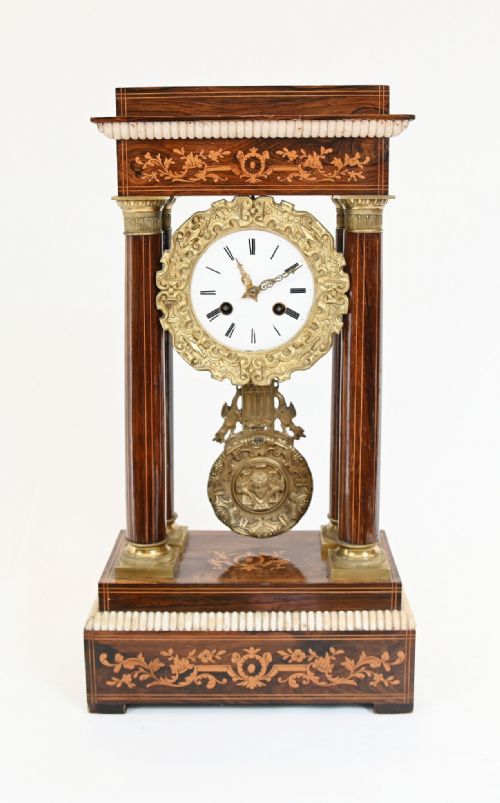
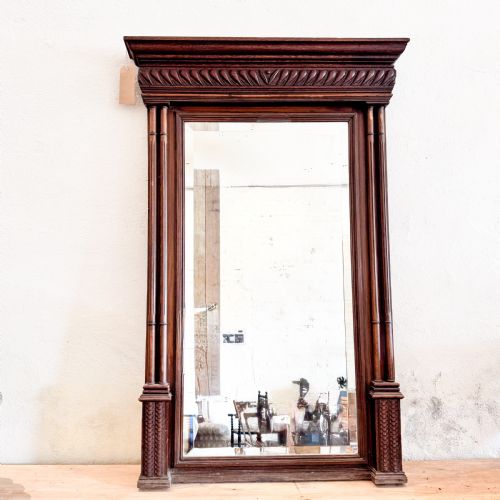
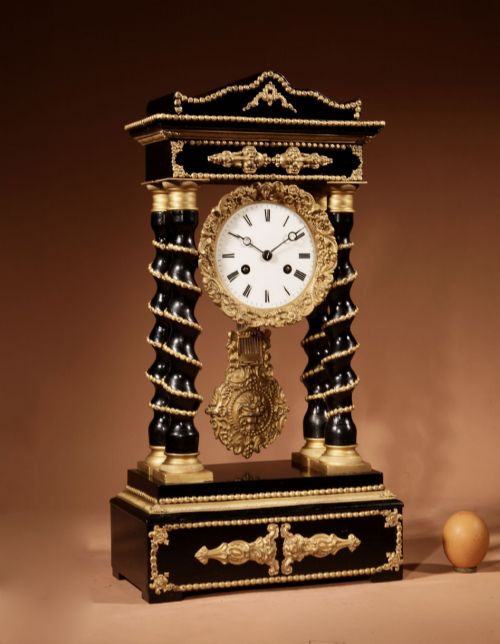
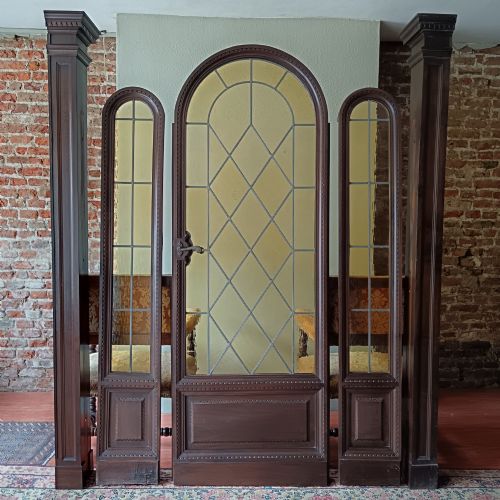
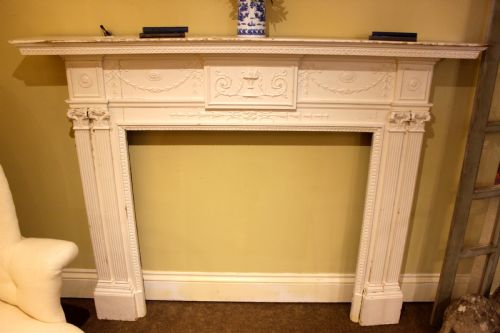


Wooden Architectural Columns
Wooden architectural columns are substantial carved timber supports spanning centuries, offering interior designers grand proportions and classical structural presence.
Wooden Architectural Columns
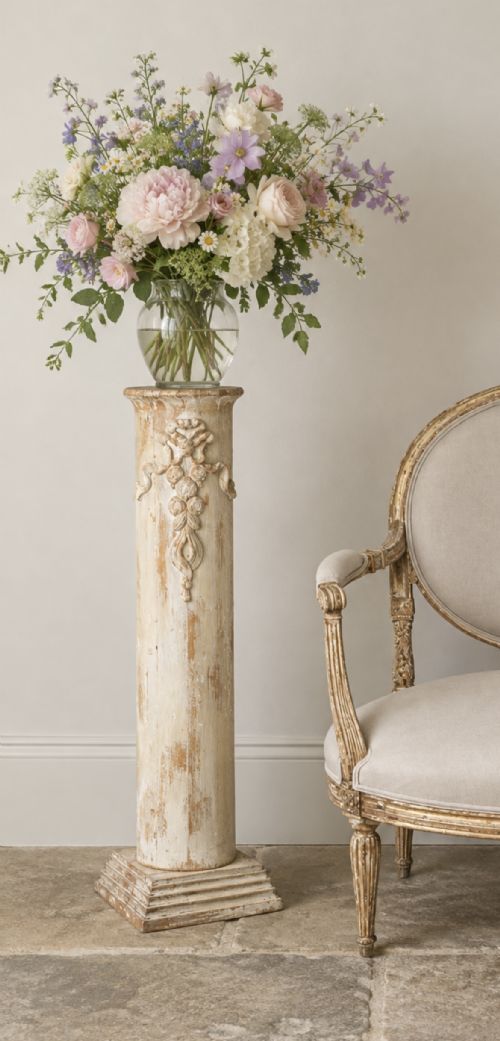
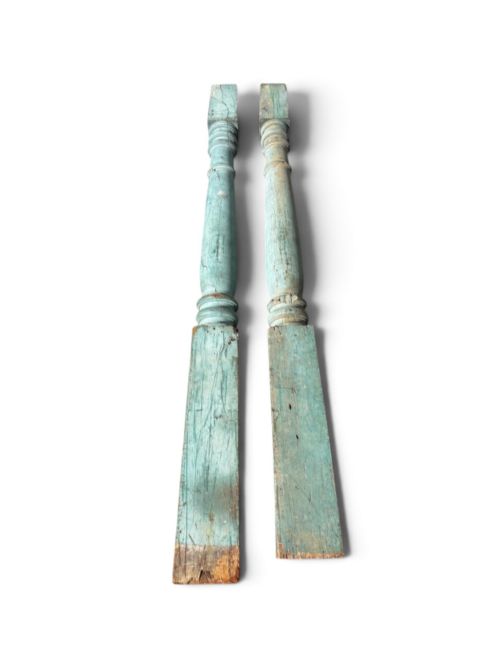
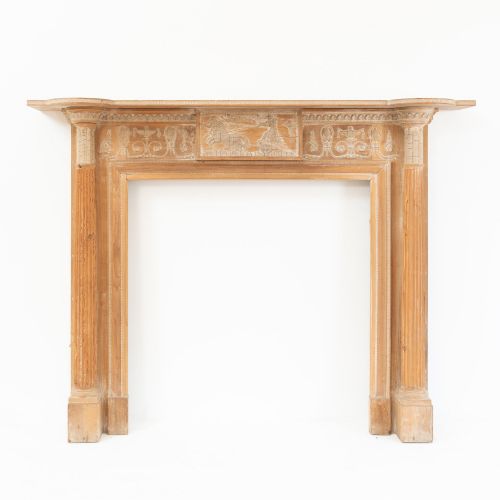
Wooden architectural columns encompass structural supports, decorative pillars, and repurposed bedposts originating from the eighteenth, nineteenth, and early twentieth centuries. These substantial timber elements often arrive as matched pairs designed to frame doorways, support mantelpieces, or elevate interior spaces.
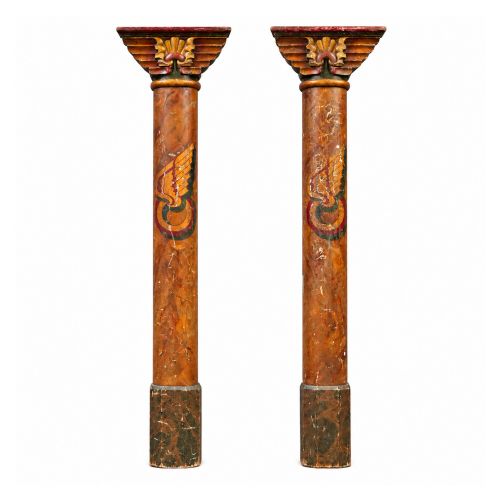
Buyers encountering this selection regularly meet nineteenth-century painted pine, carved mahogany, and hardwood examples reflecting neoclassical, Victorian, and Regency tastes. Many pieces originate from architectural salvage, retaining original patination, hand-carved capitals, and weathered surfaces accumulated over decades of use.
Materials and construction techniques
Carpenters and carvers shaped these pieces using native and exotic timbers including mahogany, oak, walnut, pine, and beech, frequently applying surface finishes such as paint, gesso, ebonising, or gilding. Master craftsmen turned heavy timber on lathes to create precise fluted shafts and reeded profiles.
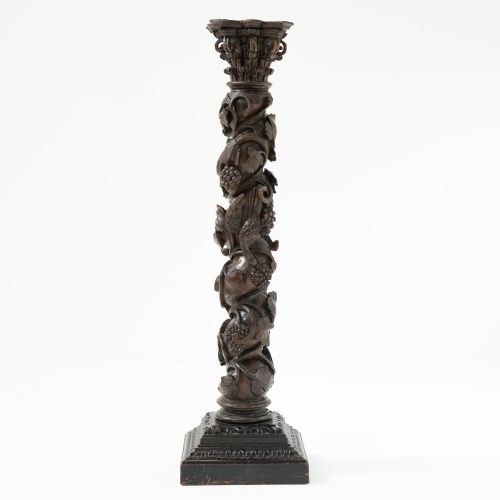
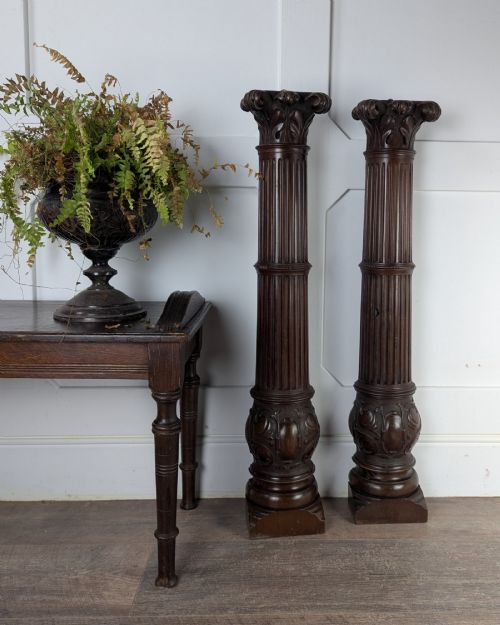
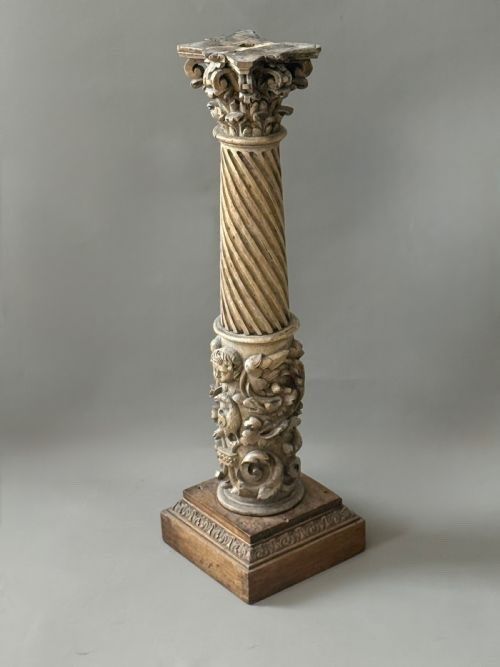
Detailing often involved hand-carved wooden capitals adhering to classical orders such as Corinthian and Ionic, occasionally paired with stone bases or brass mounts. Construction methods relied on solid wood turning and mortise joinery to ensure stability for load-bearing or decorative installations.
Listings feature structural timber elements spanning from the eighteenth century through to the Edwardian period, incorporating oak, mahogany, pine, and beech.
Evaluating craftsmanship and condition
Superior examples distinguish themselves through crisp, deep hand-carved enrichment on the capitals and well-balanced proportions across the turned shaft. The integrity of the original timber surface, whether revealed grain or historic painted decoration, determines the visual weight of the piece.
The degree of original architectural context remaining intact influences desirability, particularly where matching pairs survive with complementary carving and uniform patination. Restoration extent and structural soundness following salvage dictate how successfully a column integrates into modern interiors.
The Wooden Architectural Columns Glossary
- Capital
- The topmost member of a column, typically decorated with carved foliage or classical motifs. It sits directly above the shaft to support weight or transition to a lintel.
- Fluted
- Surface decoration featuring parallel vertical grooves carved into the shaft of a column. This technique creates visual rhythm and adds a sense of vertical height.
- Reeded
- Architectural moulding comprising parallel convex projections carved closely together. It provides texture and light-catching detail to column shafts and furniture elements.
- Portico
- A porch leading to the entrance of a building, or extended as a colonnade, with a roof structure over a walkway. Columns frequently support these architectural additions.
- Solomonic
- A column characterised by a helical twist running in a spiral up the shaft. This distinctive form adds dynamic movement and Baroque drama to interior timber supports.
Wooden Architectural Columns: Frequently Asked Questions
How were wooden architectural columns used?
These columns functioned primarily as structural supports for porches, interior porticos, and grand mantelpieces, or served decorative roles framing doorways and architectural openings. Many surviving examples originate from dismantled interiors, bed frames, or architectural salvage.
Today, interior designers utilise pairs of columns to create defined sightlines, divide open-plan rooms, or mount sculptures and urns upon matching pedestals.
Can these columns support structural weight?
Many solid timber columns possess genuine load-bearing capacity, having originally supported building structures or heavy architectural surrounds during the eighteenth and nineteenth centuries. However, salvaged examples require professional assessment before installation in weight-bearing capacities.
Lighter decorative elements, hollow shafts, or pieces intended for restoration often function best as freestanding interior focal points or wall-mounted decorative accents.
How do I care for antique wood columns?
Maintain antique timber columns by dusting gently with a dry, soft cloth and avoiding harsh chemical cleaning agents that strip historic painted or polished finishes. Keep them away from direct heat sources and drastic humidity fluctuations to prevent wood splitting.
Wax finishes benefit from occasional natural beeswax application to nourish the grain, while painted or gilded surfaces require minimal intervention to preserve their original patina.