


Neoclassical Wood Columns
Neoclassical wood columns bring architectural symmetry and classical proportion into a room, offering a sturdy yet refined display surface for sculpture or lighting.
Neoclassical Wood Columns
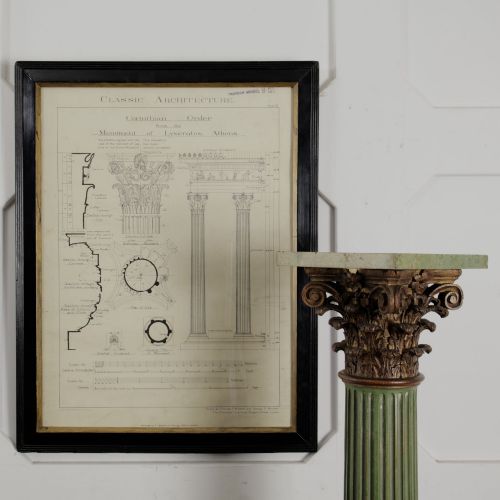
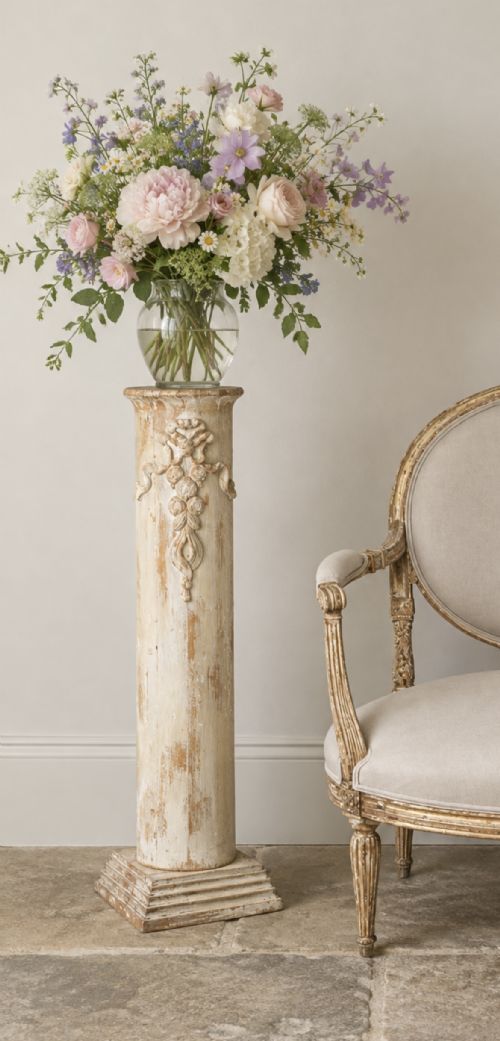
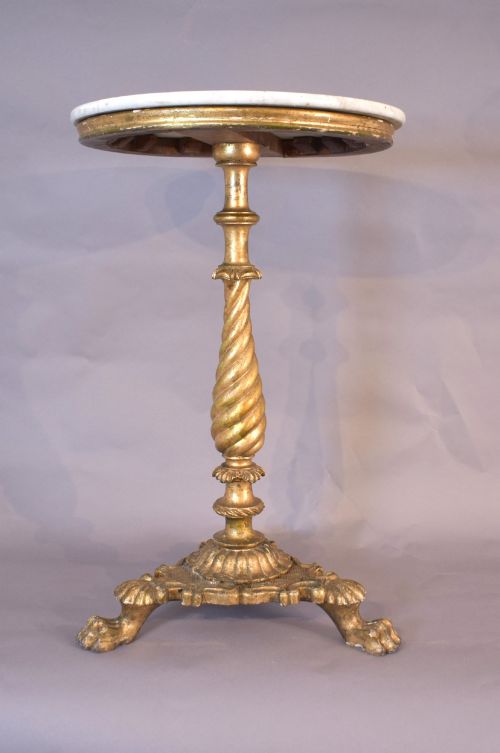
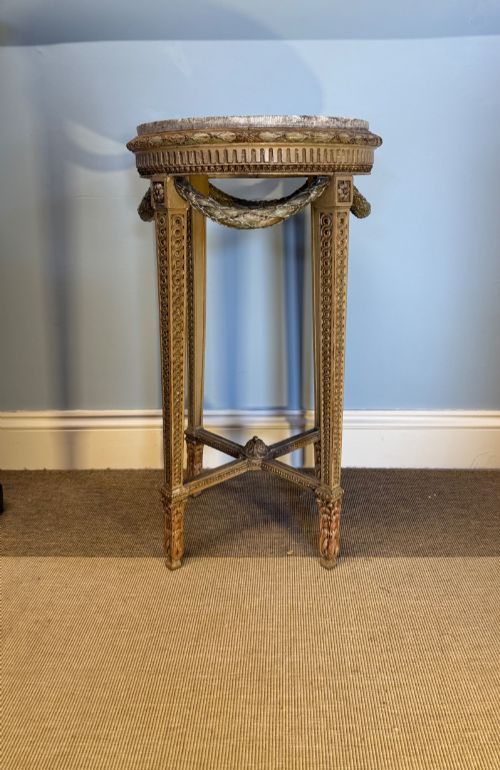
Neoclassical wood columns encompass a range of architectural supports, pedestals, and torchere stands shaped by classical design principles. When searching for neoclassical wood columns, you encounter pieces designed to elevate decorative objects, frame mirrors, or function as standalone decorative forms.
The selection on this page draws primarily from the nineteenth and early twentieth centuries, spanning periods such as Regency, Georgian, and later revivals including French Empire and Gustavian styles. Forms vary from structural architectural pairs to painted pedestals, torcheres, and column-supported lamp bases.
Originating across Britain, Sweden, France, and Denmark, these items reflect diverse regional interpretations of classical motifs. Painted wood, faux marble finishes, and carved mahogany define the physical presence of the pieces you meet here.
Materials and Construction Techniques
Makers utilised solid timbers such as mahogany and burr elm alongside softer painted woods, constructing columnar forms that often combine turned sections with hand-carved details. Structural stability required careful joining of timber cores before applying decorative surfaces.
Surface ornamentation relies heavily on gesso, gold leaf, and giltwood applied to carved wooden elements to create a metallic lustre. Alternatively, painters employed faux marble techniques to simulate stone on wooden substrates, achieving the appearance of heavy masonry without the weight.
Certain nineteenth-century pedestals feature hidden internal compartments designed for securely storing valuables out of sight.
Distinctions in Execution and Finish
The division between standard production and superior craftsmanship rests in the precision of the carving and the depth of the surface finish. Crisp fluting, well-defined capital details, and harmonious proportions separate masterwork columns from simpler commercial pieces.
The integrity of the original surface finish dictates desirability. Pieces retaining undisturbed historic gilding, original paint layers, or authentic faux marble effects demonstrate superior preservation compared to those with later repainting or heavy restoration.
The Neoclassical Wood Columns Glossary
- Torchere
- A tall stand or pedestal designed to support a candle or lamp. These vertical supports often feature detailed carving and giltwood finishes.
- Giltwood
- Wood that has been coated with gold leaf or gold paint. This technique adds a reflective, luxurious sheen to architectural details.
- Gesso
- A plaster-like mixture applied to wood as a base for painting or gilding. It provides a smooth surface for intricate carved relief work.
- Faux marble
- A painted finish designed to imitate the appearance of real stone. Artisans applied this to wood to create grand classical effects economically.
- Pedestal
- An upright support or base for a statue, urn, or column. They vary in height and serve to elevate decorative objects within a room.
Neoclassical Wood Columns: Frequently Asked Questions
What were antique columns used for?
These pieces functioned primarily as structural supports or decorative display stands within grand interiors. Owners placed them in hallways or salons to elevate sculptures, busts, and lighting.
Over time, smaller domestic versions emerged to serve practical roles as torchere lamps or occasional display surfaces for decorative arts.
How do I style a wood column at home?
Place a single column in an empty corner to introduce vertical lines and architectural interest to a room. They work effectively as focal points when topped with a bronze figure, urn, or table lamp.
Paired columns can frame doorways, mantels, or large mirrors to create symmetry inspired by classical architecture.
How do I identify the period of a column?
Examine the timber species, turning style, and surface preparation to gauge the age of the object. Nineteenth-century examples often display denser hardwoods and hand-mixed gesso layers beneath the surface.
Stylistic cues such as French Empire motifs or Regency giltwork offer further clues regarding the decades of manufacture.
What is the difference between a column and a pedestal?
A column typically incorporates traditional architectural orders with a distinct base, shaft, and capital. A pedestal is generally broader and functions specifically as a base or plinth for an object.
Many antique pieces combine both concepts, featuring column shafts adapted to serve as sturdy display pedestals.