

Wooded Landscape Painting
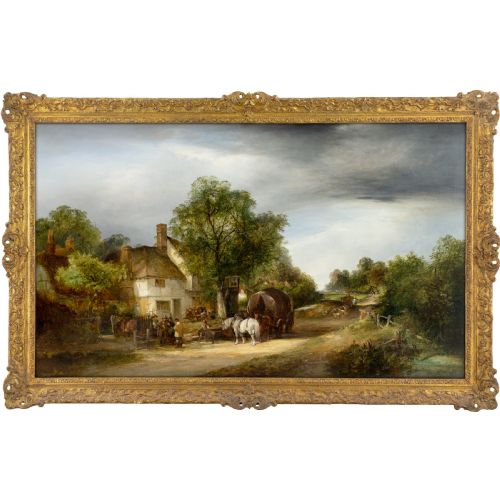
A wooded landscape painting captures natural scenery through trees and foliage, offering collectors atmospheric depth and historical charm.
Wooded Landscape Painting
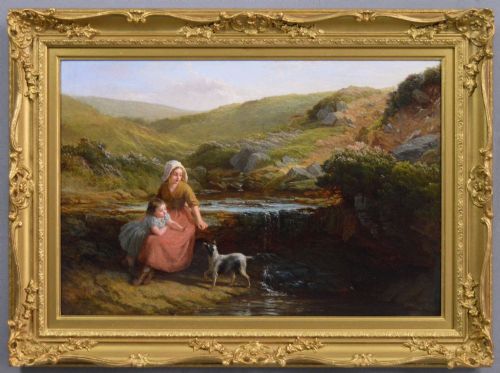
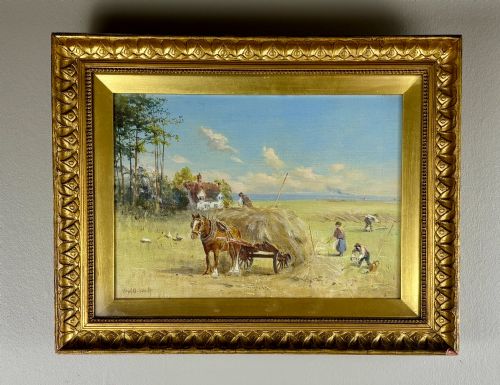
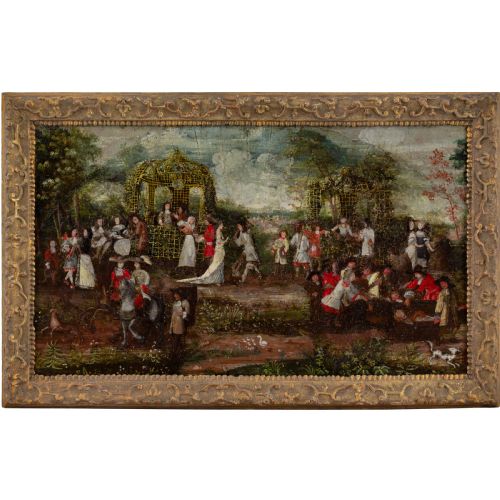
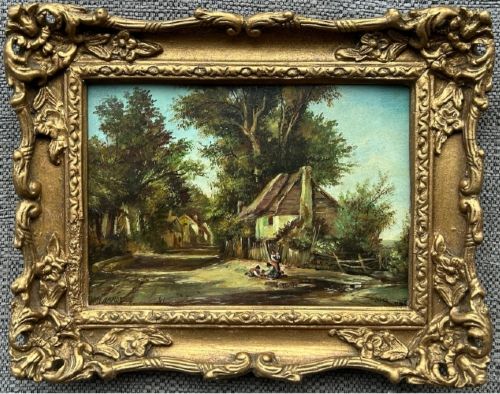
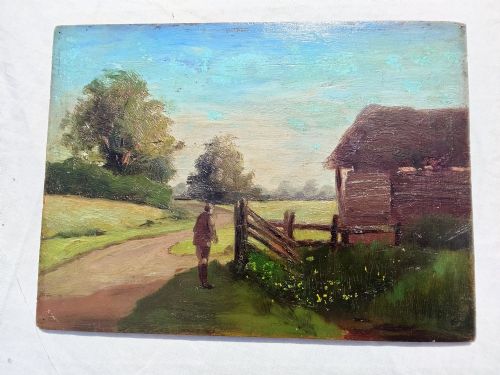
A wooded landscape painting typically portrays trees, woodland paths, and rural scenery rendered across various historic periods. These artworks range from 19th-century pastoral oils to mid-century British and continental interpretations.
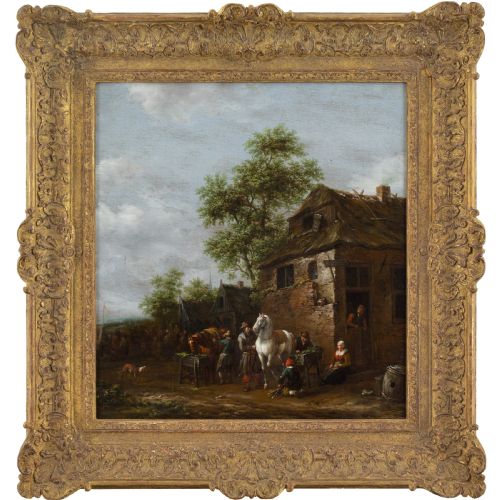
Buyers frequently encounter works executed on canvas or wood panel, often signed by regional artists or attributed to broader schools. The subjects span English pastoral scenes, Flemish compositions, and Scottish Highland views.
Many examples arrive framed, reflecting the aesthetic preferences of Victorian, Edwardian, and mid-century collectors. The category encompasses both detailed academic studies and provincial folk art expressions.
Materials and Techniques
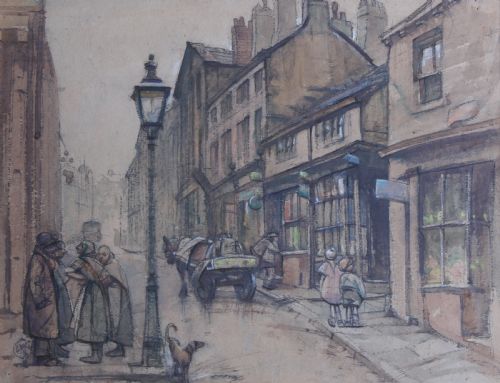
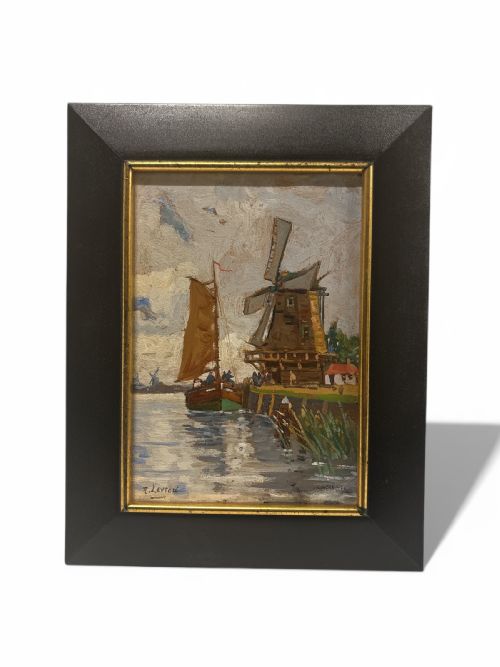
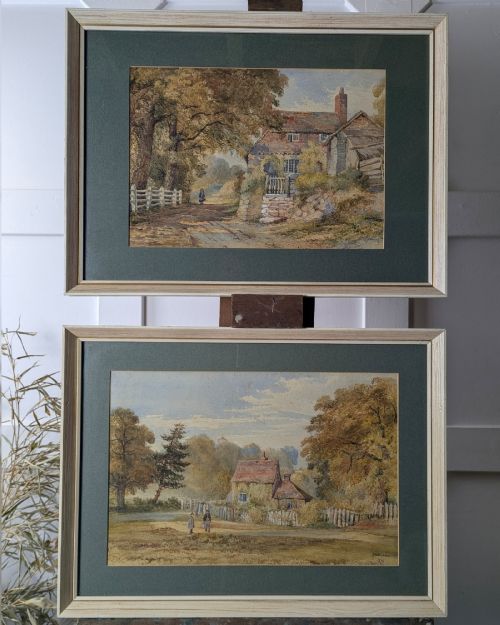
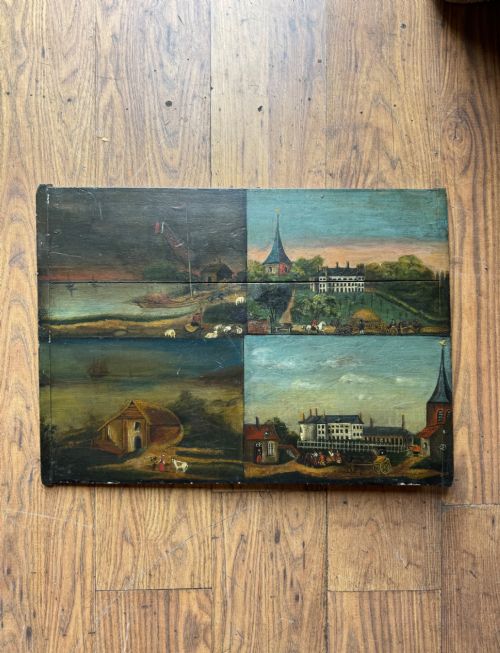
Artists relied primarily on oil paint applied to stretched canvas, wooden panels, or wooden boards to build rich texture and tone. Watercolours and gouache also appear frequently, particularly in works on paper or card.
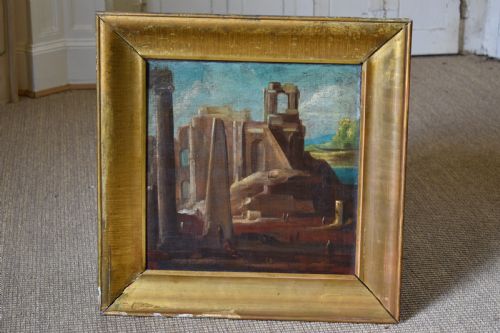
Gilt frames often house these paintings, providing a traditional border that complements the pigments and ground materials. Panels and canvases display the brushwork and preparatory grounds characteristic of their respective periods.
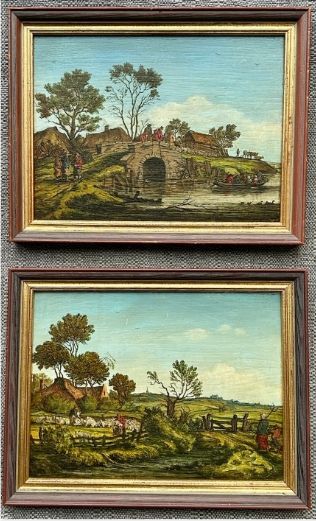
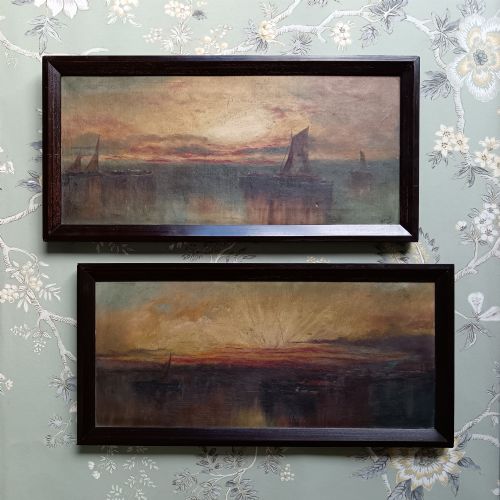
Several sheep and wandering fishermen populate these woods, occasionally sharing the canvas with ruinous walls and distant towns.
Evaluating Quality and Execution
Quality rests in the handling of light, brushwork confidence, and compositional balance within the woodland setting. Superior works demonstrate deliberate control over pigment and depth, whereas lesser examples rely on formulaic repetition.
The integration of figures, architecture, or natural elements like streams and tracks distinguishes accomplished compositions from generic regional production. Preservation of the original paint layer and panel stability also dictate the standing of an individual piece.
Tom Campbell·W Klombeck·William Howard Hardy·Thomas Creswick·George Oyston·Sydney Yates Johnson·Hubert Wellington·Paul-Jean Anderbouhr·Lionel Horsnell·Joseph Edward Hennah·Jean-Baptiste Olive·Edward Charles Williams·William Traies·Jacob Van Der Does II·James Stark
The Wooded Landscape Painting Glossary
- Oil Paint
- A slow-drying paint made by mixing pigments with a drying oil, commonly linseed. This medium allows artists to blend colours smoothly and build thick impasto textures.
- Wood Panel
- A rigid wooden support used instead of canvas for painting. Panels offer a smooth surface that preserves fine brushwork over centuries.
- Gilt
- A thin layer of gold leaf or gold paint applied to frames or surfaces. This technique adds reflective brilliance and historical ornamentation.
- Post-Impressionism
- An art movement developing roughly from the 1880s that extended impressionism while rejecting its limitations. Artists focused on heavier symbolic content and vivid artificial colours.
- Provincial
- Pertaining to regions outside a capital city. In art, it describes work created by local makers with distinct regional characteristics.
Wooded Landscape Painting: Frequently Asked Questions
How do I date a wooded landscape painting?
Dating relies on stylistic clues, framing, and the physical support material, such as canvas or wood panel. Signatures and exhibition labels on the reverse also provide reliable chronological markers.
Comparison with documented works from specific periods helps narrow down the decade of creation. Expert examination of pigment ageing confirms these structural indicators.
Where should I hang an oil painting on panel?
Select an interior wall away from direct sunlight and sudden temperature fluctuations. Stable environmental conditions protect both the wooden support and the paint layer from warping or cracking.
Ensure the hanging hardware securely supports the weight of the framed artwork. Proper clearance from heat sources preserves the longevity of the piece.
What is the difference between canvas and wood panel supports?
Canvas provides a flexible woven surface that yields slightly under pressure and accommodates larger compositions. Wood panels offer a rigid, solid foundation favoured for smaller, highly detailed regional scenes.
Panels require careful humidity control to prevent splitting over time. Canvases, by contrast, may occasionally need re-tensioning on their stretchers.
How do I clean a historic framed painting safely?
Dust the frame and surface gently with a soft, dry, clean brush without applying pressure. Avoid using water, liquid cleaners, or household solvents on the paint or gilt surfaces.
Professional conservators should handle any removal of ingrained grime or varnish yellowing. Regular gentle dusting prevents particulate buildup over the years.