

Wood Turned Legs Chair
When you search for a wood turned legs chair, you enter a diverse world of seating defined by solid timbers and vernacular turning.
Wood Turned Legs Chair
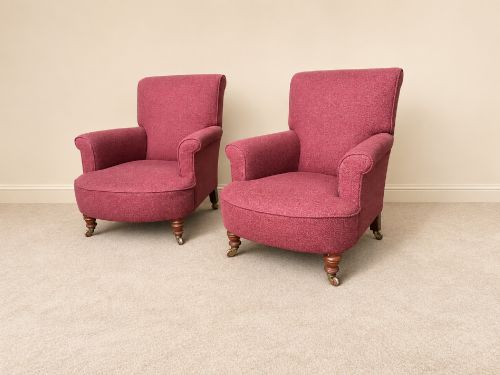
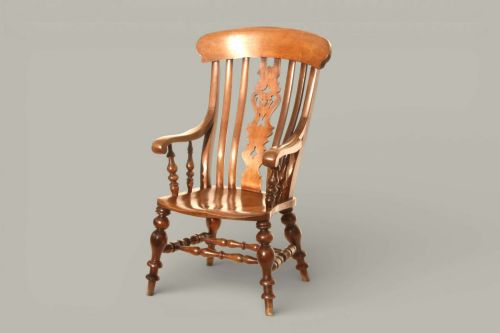
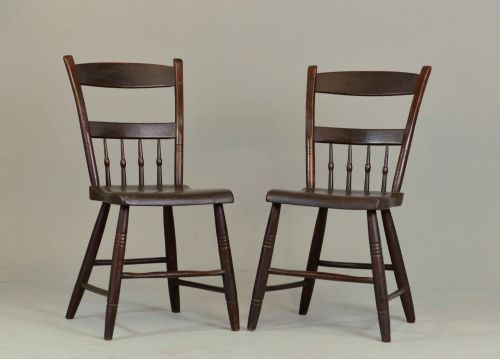
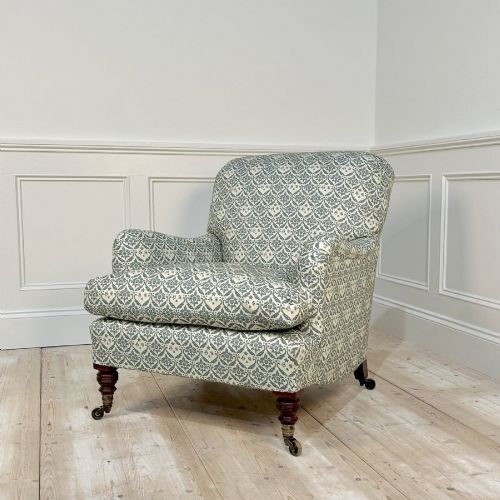
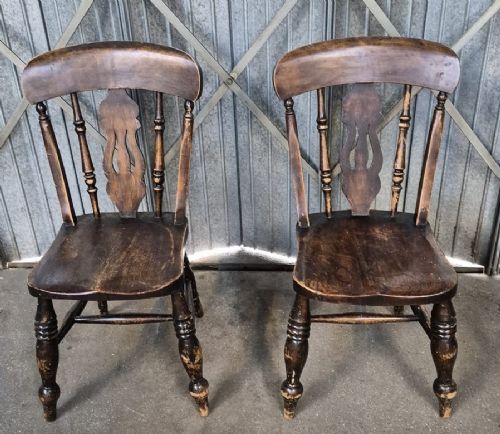
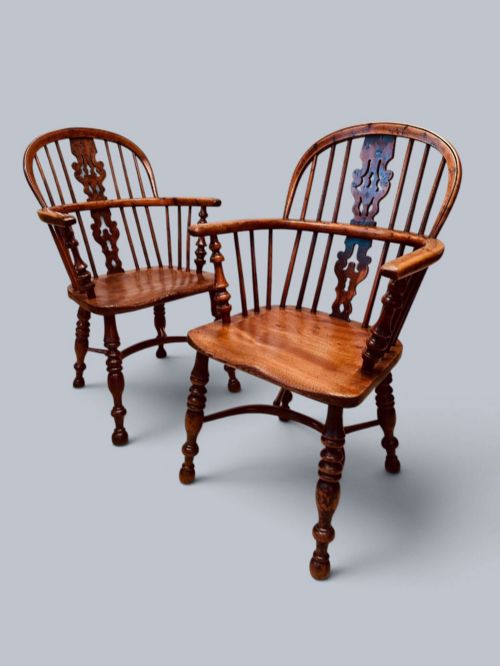
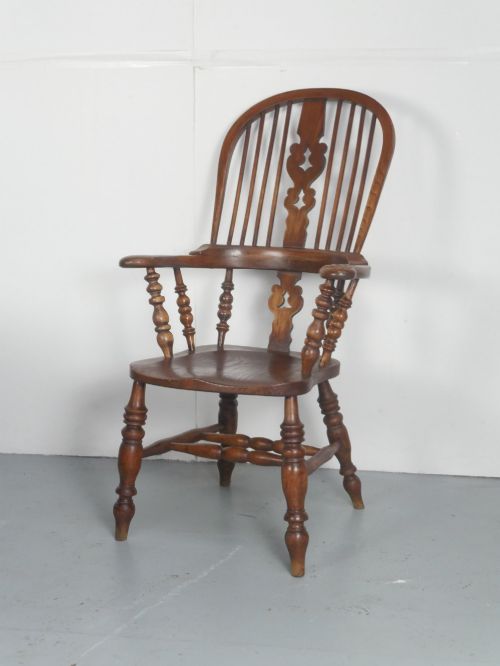
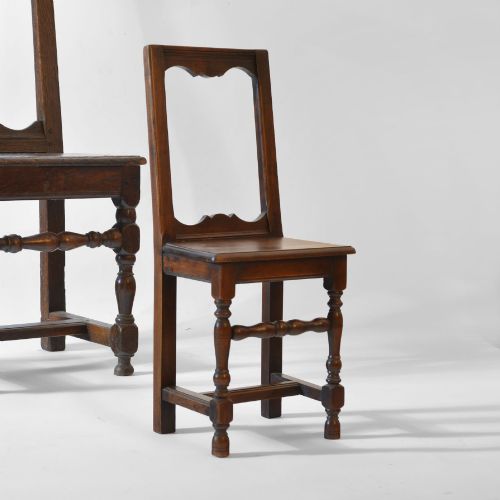
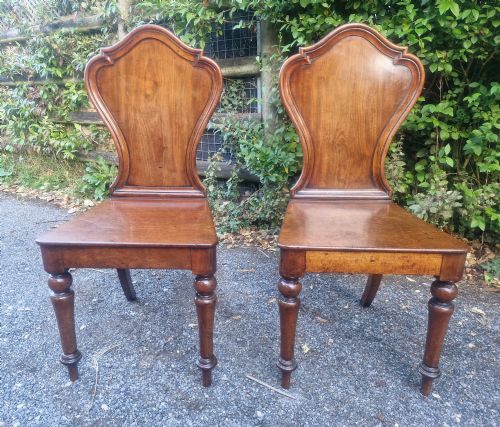
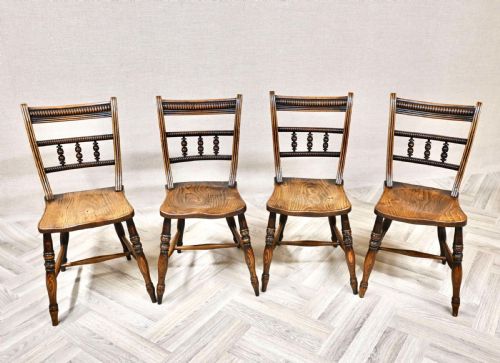
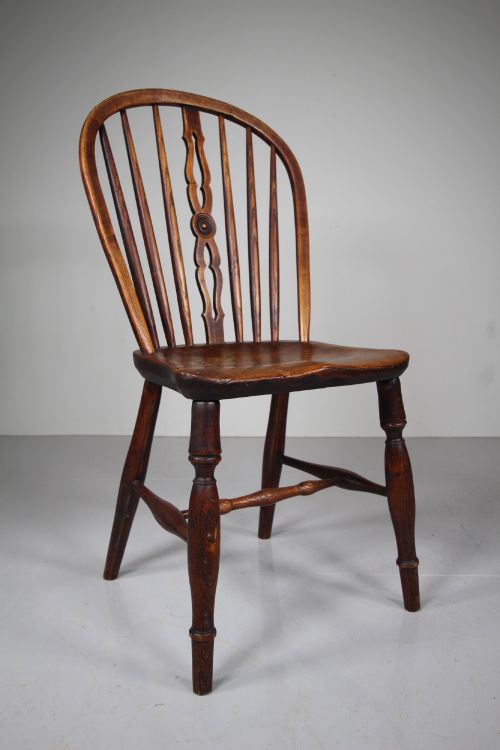
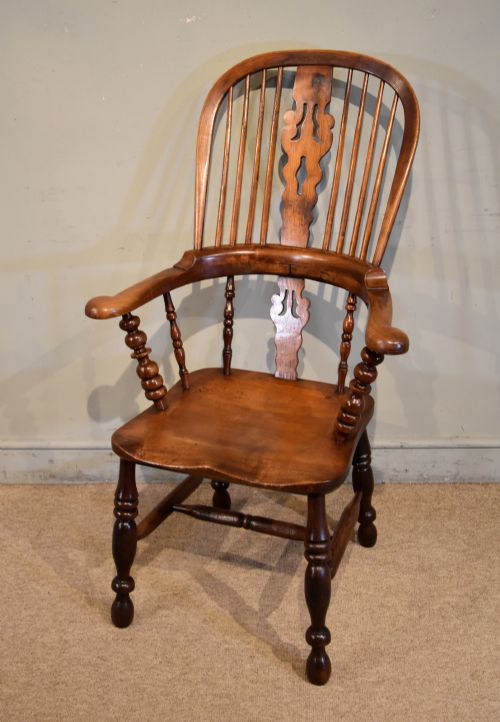
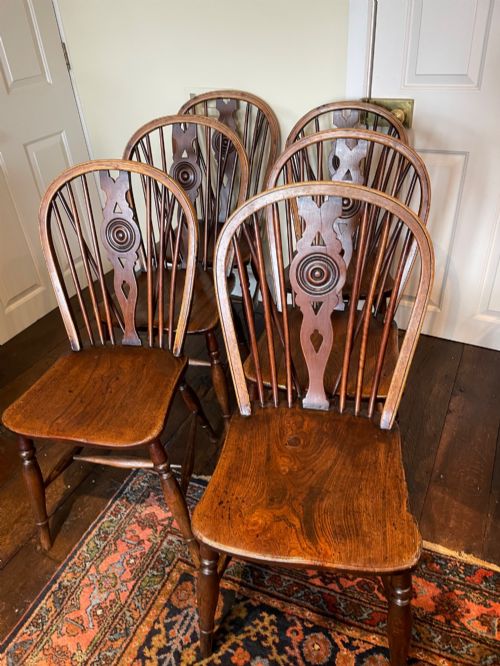
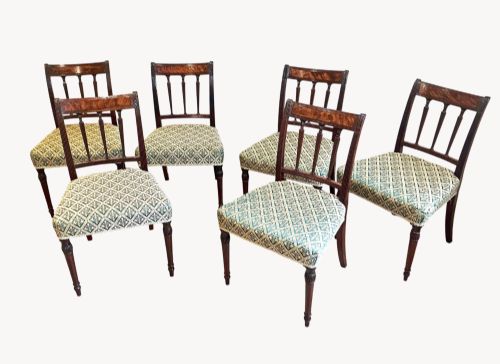
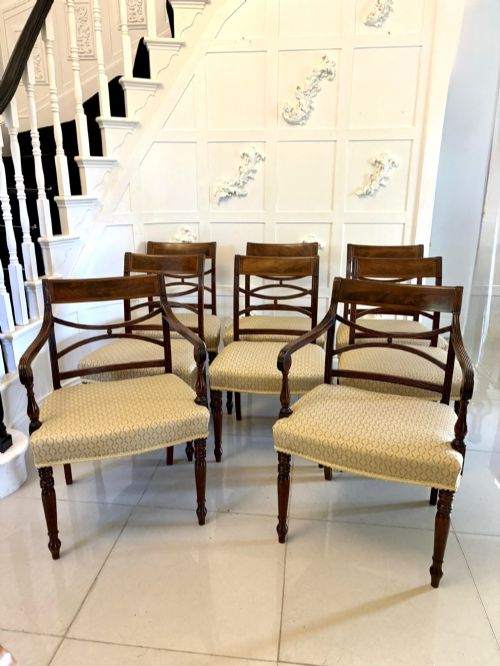
A wood turned legs chair encompasses a wide range of antique seating forms, predominantly drawn from domestic kitchen and formal dining contexts. Buyers seeking this phrase typically encounter robust Windsor armchairs, farmhouse kitchen chairs, and formal mahogany dining chairs spanning the eighteenth, nineteenth, and early twentieth centuries.
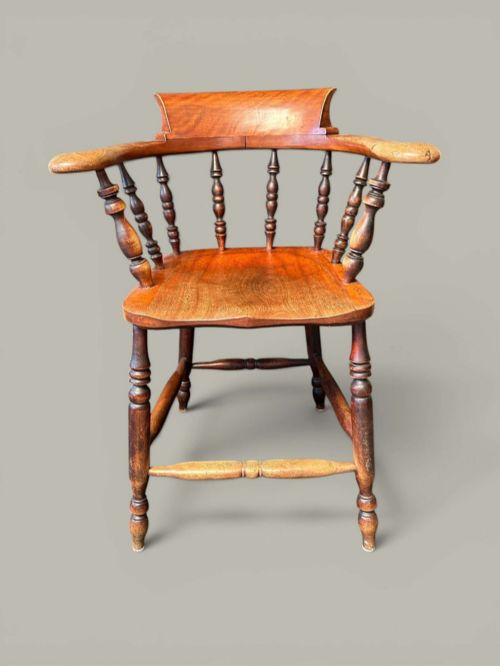
The selections available here range from sturdy provincial elm and ash country types to refined Regency and Victorian mahogany dining sets. Forms stretch from simple low-back armchairs and spindle backs to grander captain's chairs and hall seating.
Origins span English country workshops, Scottish makers, and French provincial centres, offering both rustic charm and formal domestic elegance. The common thread across these diverse regional types is the application of lathe-turned wooden supports beneath the seat or back.
Materials and construction
Timbers selected for these chairs reflect a practical mix of local hardwoods and imported stock, with elm, beech, ash, and oak appearing frequently alongside finer mahogany and yew. Turners utilised lathes to shape structural components such as legs, spindles, and stretchers from dense, straight-grained woods that could withstand daily strain.
Country pieces often combine mixed woods, pairing elm seats with beech or ash legs and spindles for structural resilience. Formal dining seats rely on unified mahogany, walnut, or fruitwood frames joined with traditional pegged or glued mortise and tenon joints.
Wood Turned Legs Chair Retail Price Guide 2026
Typical asking prices for wood turned legs chair among the pieces listed under this phrase on Sellingantiques today, from the lower quarter to the upper quarter. They describe what is for sale here now, not the wider market.
Some nineteenth-century captains managed to secure extra comfort by choosing deep-seated farmhouse Windsor armchairs with generous proportions.
Assessing craftsmanship and finish
Quality in these chairs rests upon the crispness of the lathe turning, the selection of figured timber, and the integrity of the original construction. Superior examples display well-proportioned spindles and legs with clean turning profiles that remain firm within the seat base.
The presence of a desirable surface patina accumulated through decades of use elevates a piece considerably. Finer specimens retain their original timber components without excessive replacement parts or structural compromise in the underframe.
Howard & Sons·J Spencer
The Wood Turned Legs Chair Glossary
- Windsor chair
- A wooden chair featuring a saddle-shaped solid seat into which the legs and back spindles are directly inserted. These robust seats originate from vernacular English rural traditions.
- Spindle back
- A chair back constructed from multiple slender, turned vertical wooden rods. This method provides lightweight strength to country dining and kitchen seating.
- Patina
- The surface sheen and mellow colour developed by wood over long periods of handling and age. A good surface shows the history of the material clearly.
- Captain's chair
- A low-backed wooden armchair designed for comfortable seating, often featuring a continuous curved armrail supported by turned spindles.
- Turned leg
- A pillar of wood shaped on a lathe by rotating the material against cutting tools. This technique creates decorative rings, coves, and straight tapers.
Wood Turned Legs Chair: Frequently Asked Questions
What defines a wood turned legs chair?
A wood turned legs chair is any antique seat supported by legs shaped on a woodturning lathe. These range from rustic farmhouse Windsors to formal mahogany dining chairs.
The defining feature is the method of shaping the lower structural supports rather than the specific style of the seat back or upper frame.
How do I care for antique wood chairs?
Maintain antique wooden chairs by keeping them away from direct heat sources and sudden temperature fluctuations that cause timber to split. Apply appropriate wax polish sparingly to nourish the grain.
Regularly check the stability of the turned legs and stretcher joints to ensure the underframe remains secure under daily weight.
Are these chairs suitable for daily dining?
Many of these chairs were originally built for heavy daily use in kitchens and dining rooms. Solid elm and ash country models offer exceptional durability for modern seating.
Formal dining sets in mahogany or oak provide sturdy seating provided the underlying joinery remains tight and well-maintained over time.
How can I tell the period of a turned leg?
The style of turning, the choice of timber, and the tool marks left on the wood help indicate the approximate date of manufacture. Earlier provincial turnings often display heavier proportions and simpler geometric profiles.
Finer nineteenth-century examples show more intricate lathe work, while tool marks transition from hand chisel cuts to mechanical lathe precision in later pieces.