

Wood Study Table
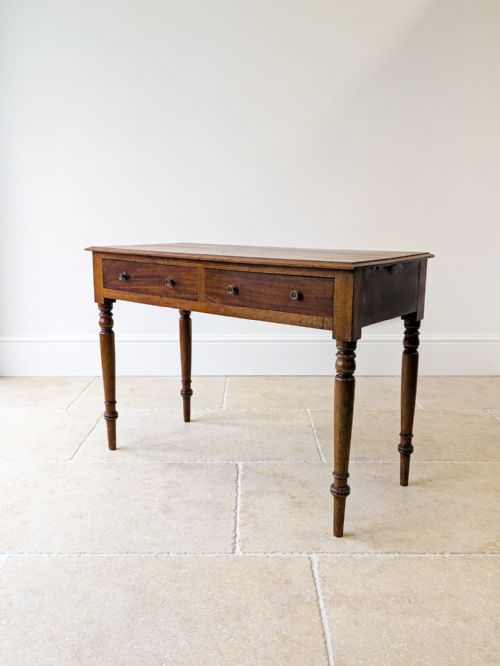
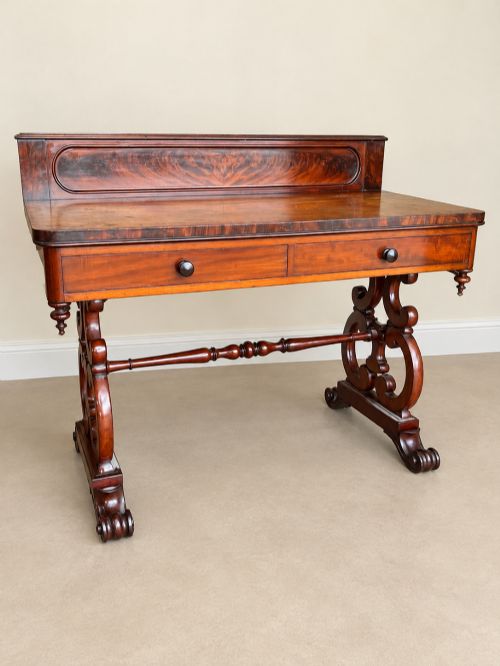
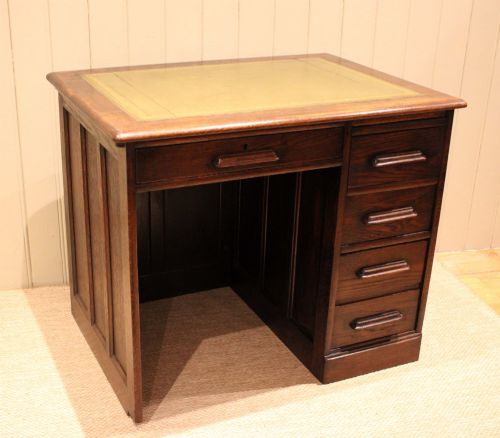
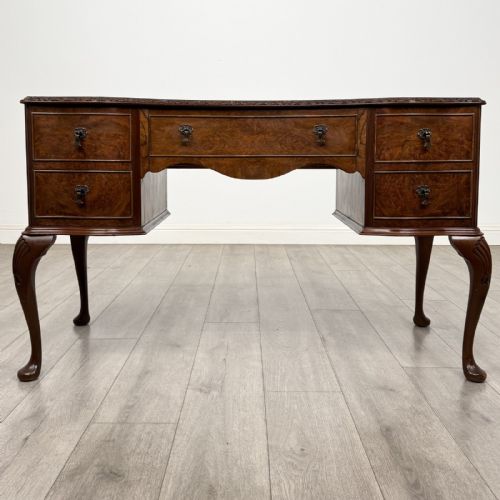
These pieces of wood study table furniture provide practical working surfaces crafted from mahogany, oak, and walnut across Victorian, Edwardian, and Georgian periods.
Wood Study Table
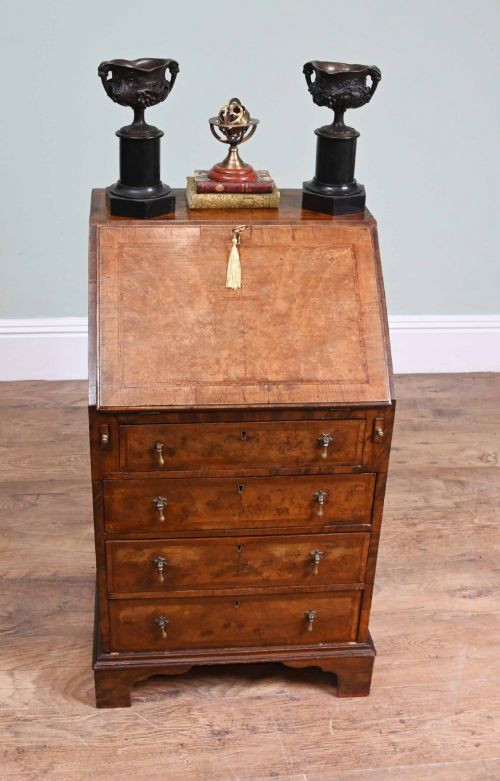
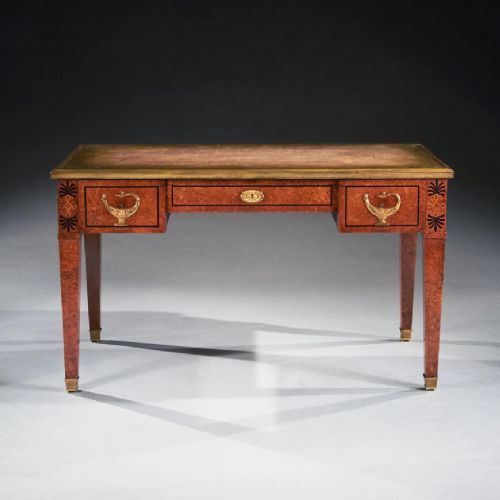
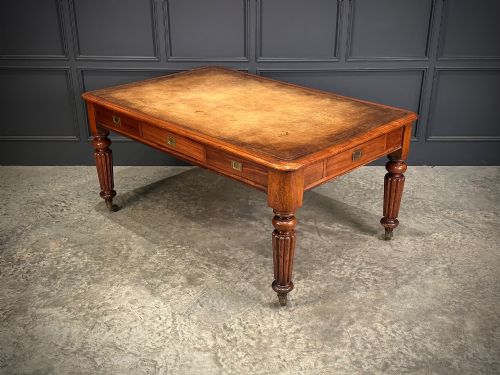
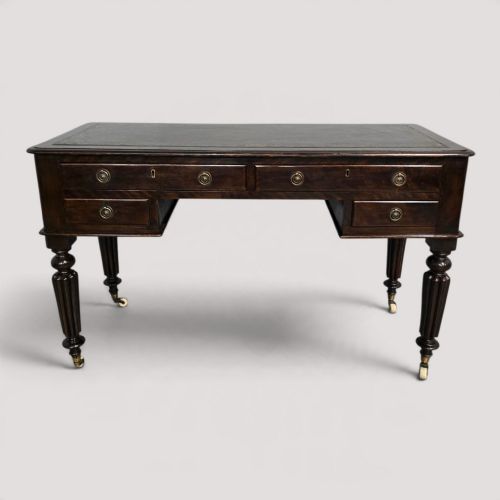
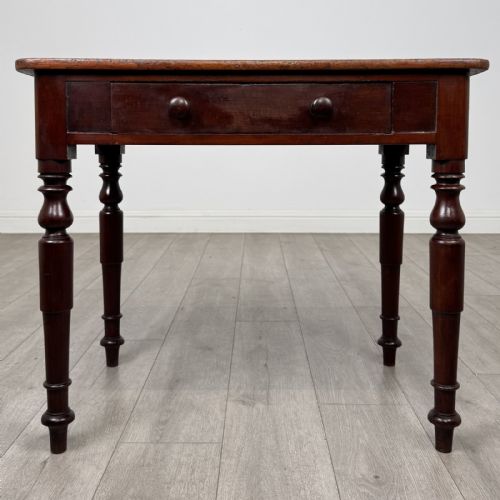
A wood study table encompasses various writing desks, library tables, and bureaux designed for practical work and correspondence. The selections span multiple eras, including Georgian, Victorian, and Edwardian periods.
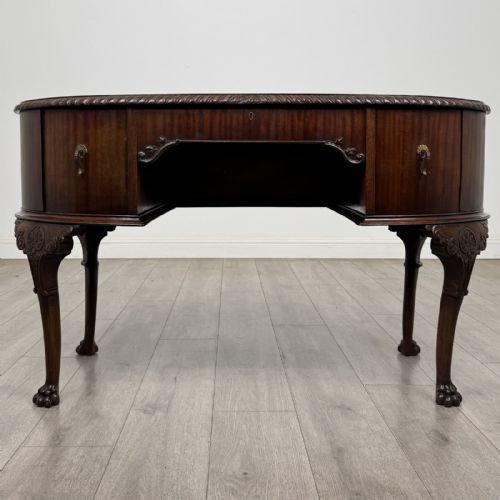
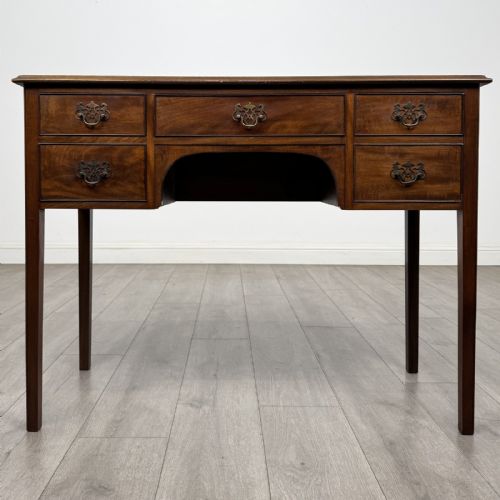
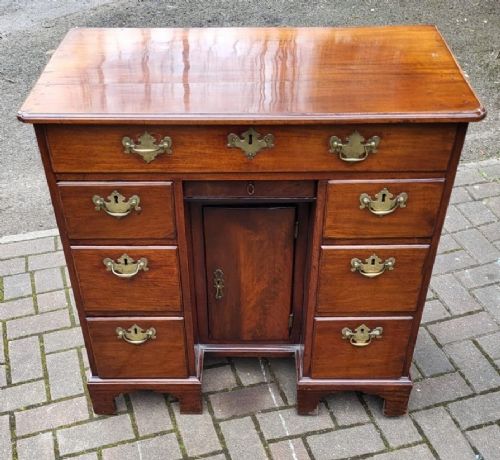
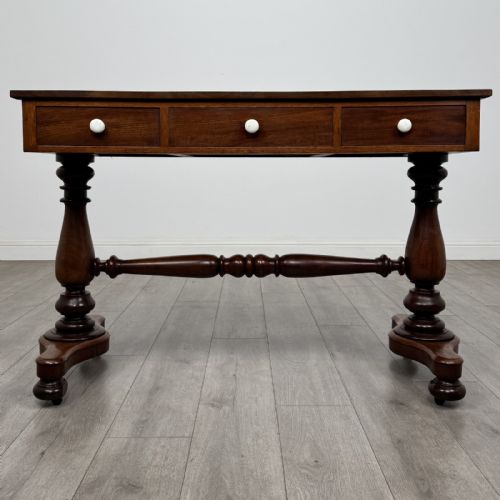
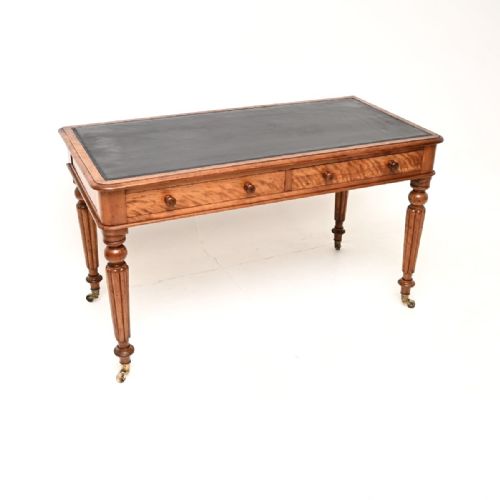
Mahogany writing tables and twin pedestal desks dominate the available forms, often fitted with leather writing surfaces and brass hardware. Buyers frequently encounter smaller proportions suited for domestic studies alongside larger partners tables.
Materials and construction methods
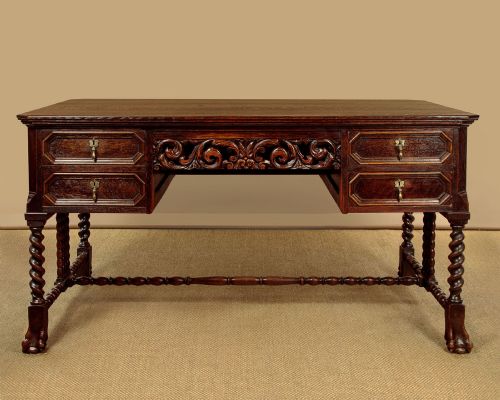
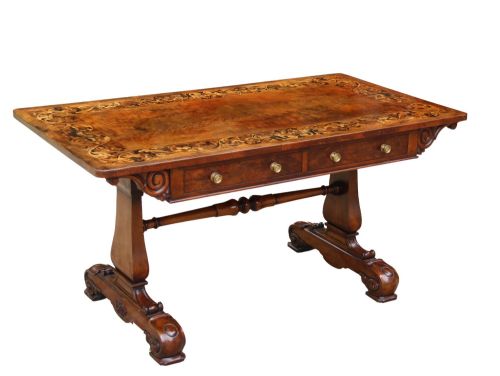
Cabinet makers utilised dense hardwoods such as mahogany, oak, walnut, and rosewood, frequently employing flame mahogany or burr walnut veneers for visual depth. Marquetry inlay and ormolu mounts appear on select continental and neoclassical examples.
Writing surfaces commonly integrate inset leather tooling, while structural elements rely on traditional joinery techniques. Brass handles, castors, and gilt bronze mounts finish the hardware details across pedestal and library table formats.
Wood Study Table Retail Price Guide 2026
Typical asking prices for wood study table among the pieces listed under this phrase on Sellingantiques today, from the lower quarter to the upper quarter. They describe what is for sale here now, not the wider market.
Listings feature woods including mahogany, oak, walnut, satinwood, and rosewood across Georgian, Victorian, and Edwardian periods.
Factors influencing execution and finish
The refinement of timber selection separates standard items from finer examples, particularly in the figuring of mahogany, satinwood, and burr walnut veneers. Superior pieces demonstrate meticulous hand-cut joinery and balanced proportions.
Hardware execution and secondary wood selection indicate workshop standards. Original brass fittings and carefully fitted drawer linings distinguish higher grade items from later modifications.
Maple and Co·Trollope and Sons
The Wood Study Table Glossary
- Bureau plat
- A freestanding French writing table typically featuring a rectangular top and multiple drawers.
- Pedestal desk
- A heavy writing desk built with two separate drawer pedestals supporting the main writing surface.
- Partners desk
- A large double-sided desk designed for two people to work opposite one another.
- Marquetry
- Decorative veneer work arranged in intricate patterns using various coloured woods.
- Ormolu
- Gilt bronze mounts applied as decorative ornaments on furniture legs and corners.
Wood Study Table: Frequently Asked Questions
What is a wood study table used for?
These tables provide dedicated writing and administrative surfaces for domestic studies and libraries. They serve as functional workspaces equipped with drawers for stationery storage.
Historically, they accommodated correspondence, account keeping, and reading. Today, buyers utilise them as functional home office desks that retain period character.
How do I identify a Victorian wood study table?
Victorian examples typically feature substantial mahogany construction, often with twin pedestals or turned legs. They frequently include inset leather writing surfaces and brass drawer pulls.
Later Victorian versions may incorporate walnut or simpler oak frames. Comparing the timber density and drawer construction helps confirm the nineteenth-century origin.
What is the difference between a writing table and a pedestal desk?
A writing table generally stands on four legs, sometimes with a single row of drawers beneath the top. It offers a lighter aesthetic suitable for placement anywhere in a room.
A pedestal desk uses two banks of drawers to support the work surface, creating a heavier silhouette. This format provides significantly more enclosed storage space.
Are these tables suitable for modern home offices?
Many period pieces adapt well to contemporary technology and daily administrative tasks. Their traditional proportions fit modern domestic rooms while offering durable hardwood surfaces.
Buyers should verify surface dimensions and kneehole clearances to ensure comfortable daily use. Selecting appropriate seating maintains ergonomic comfort alongside period style.