


Wood Secretaire Desk
A wood secretaire desk combines a concealed writing drawer with practical storage, offering period craftsmanship for daily use.
Wood Secretaire Desk
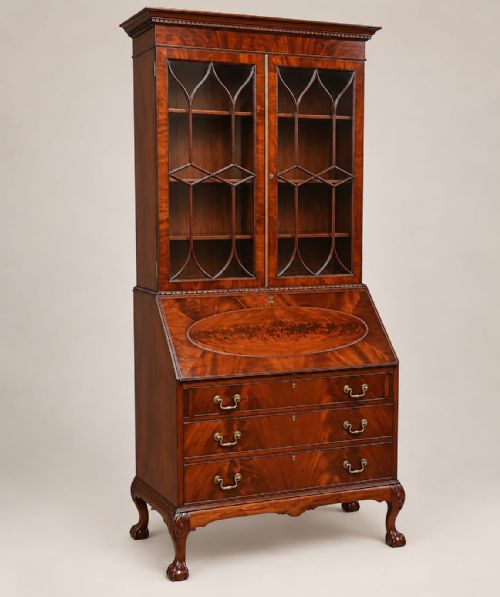
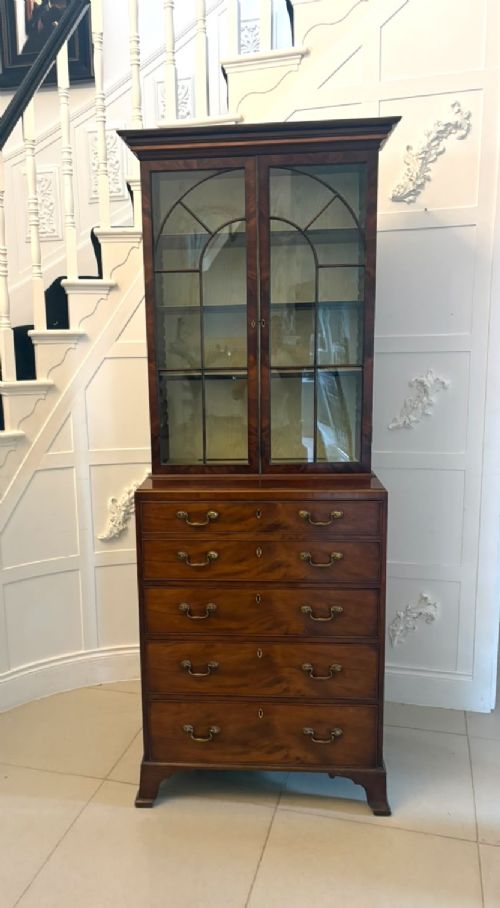
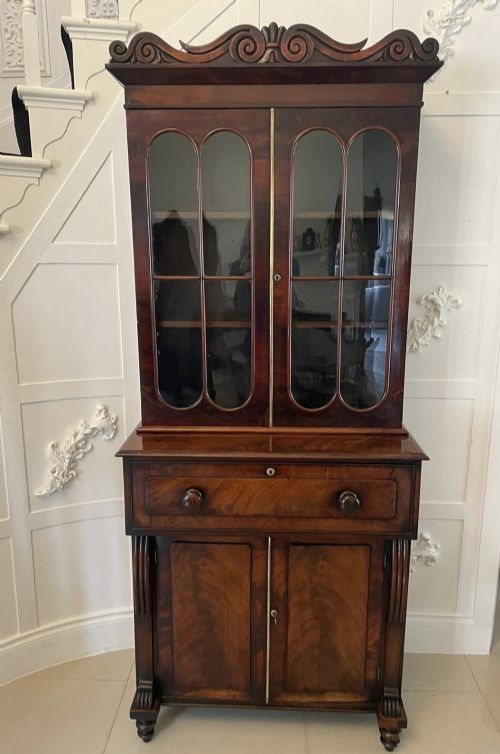
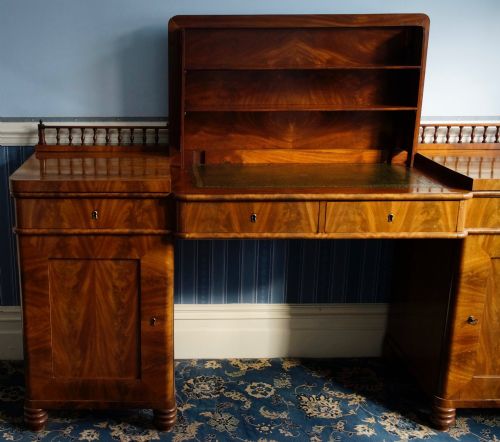
A wood secretaire desk spans grand cabinet forms and campaign pieces from the eighteenth, nineteenth, and early twentieth centuries. Buyers searching for this phrase encounter tall secretaire bookcases, compact chests, and Davenport-style writing desks.
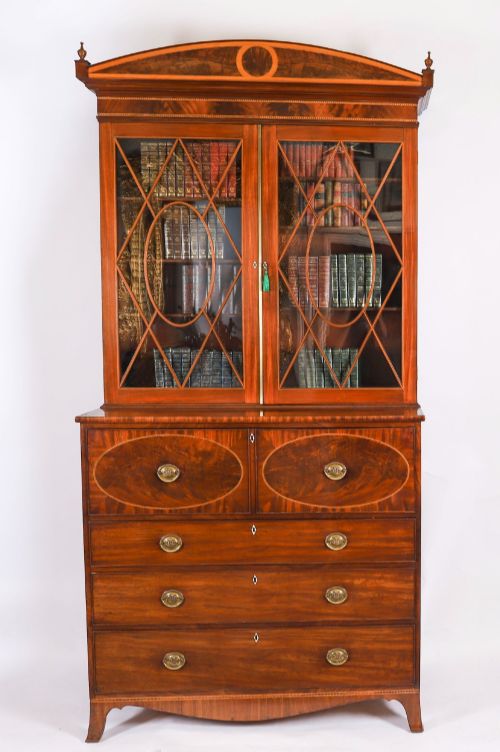
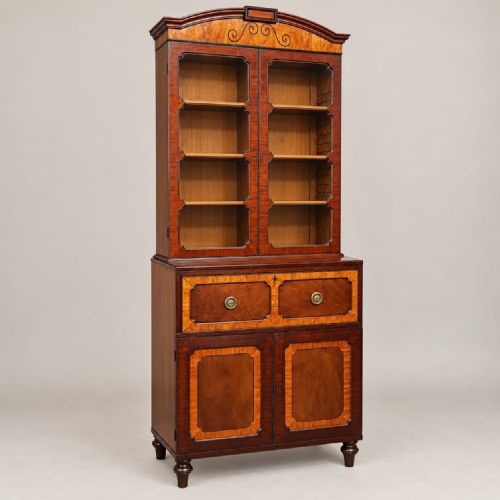
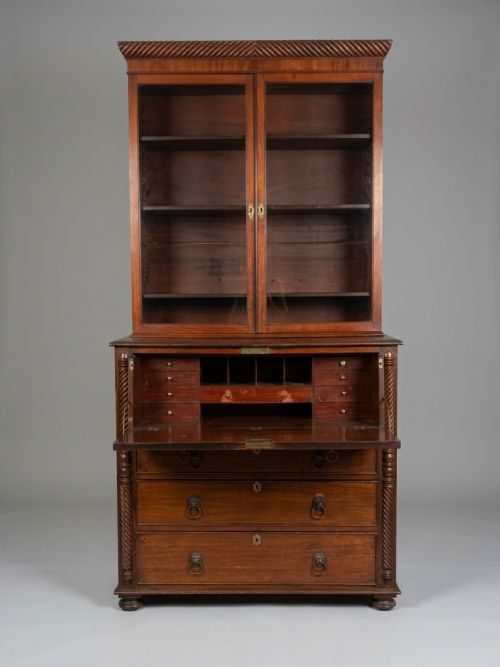
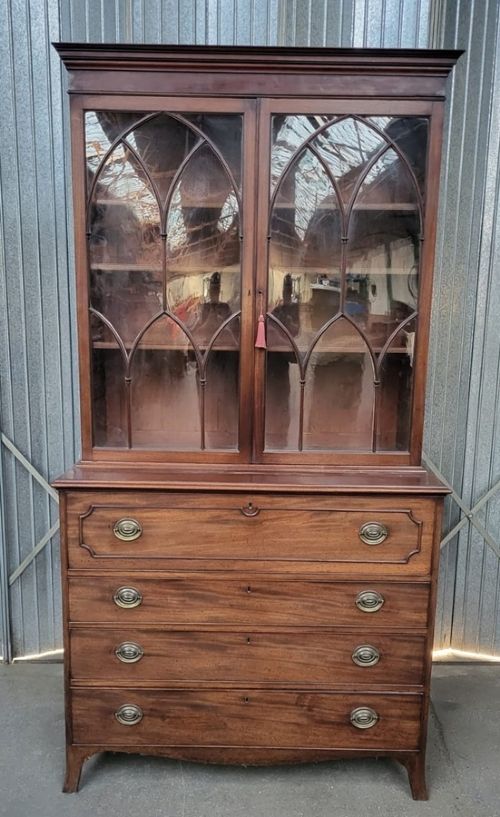
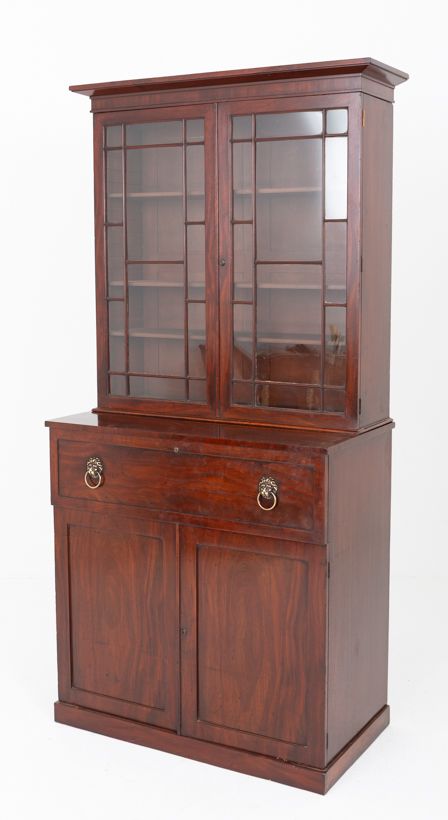
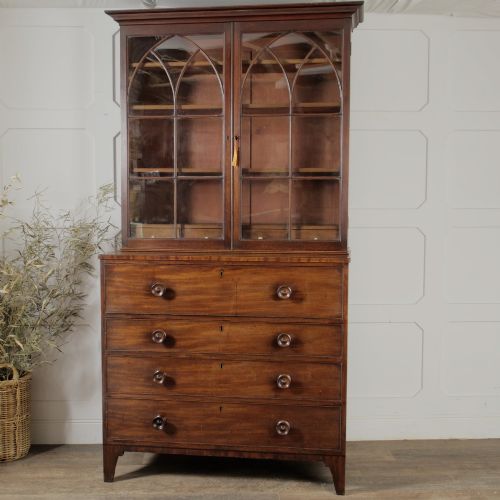
The most common version on this page is the mahogany secretaire bookcase dating from the Georgian and Regency periods. These architectural pieces pair glazed upper shelves with a drop-front writing drawer fitted with pigeonholes and small drawers.
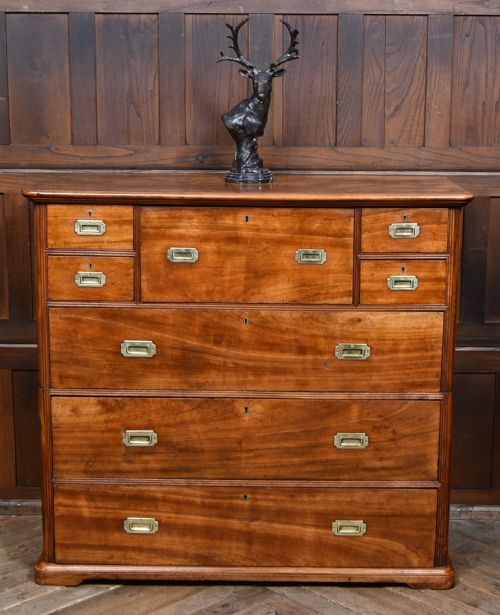
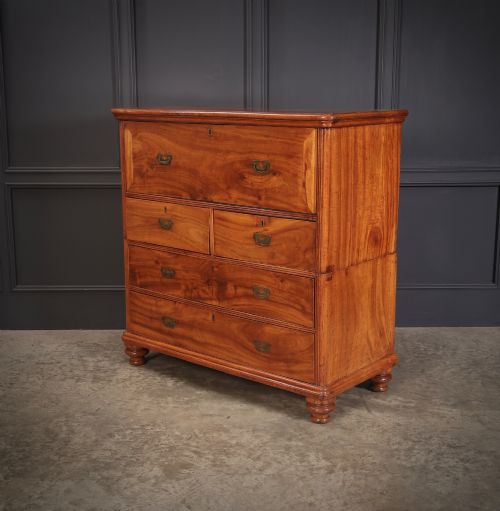
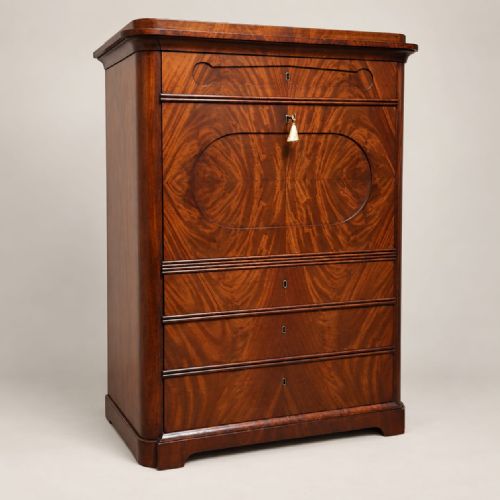
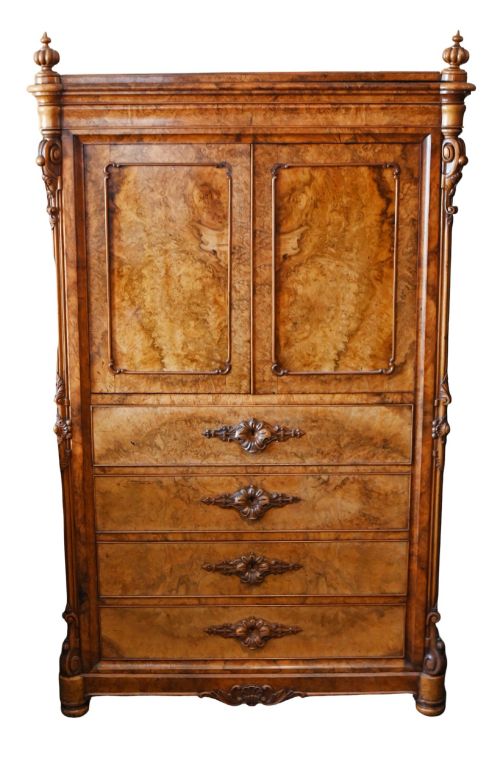
Alternative forms include military campaign chests in camphor wood or mahogany fitted with brass corners and recessed pulls. Biedermeier and Victorian variants utilise burr birch, maple, and rosewood for striking grain patterns.
Materials and construction methods
Cabinetmakers built these desks using solid timbers and decorative veneers over secondary woods like oak and pine. Mahogany dominates the record, supplemented by satinwood, rosewood, camphor wood, and padauk.
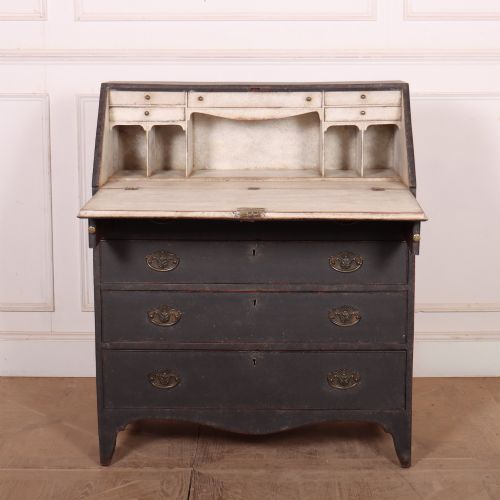
Drop-front writing surfaces rely on specialised hinges and internal desk supports, known as lopers, to bear the weight of the writing flap. Glass doors on bookcase sections feature wooden astragal bars arranged in geometric or Gothic patterns.
Campaign pieces incorporate modular section construction, brass binding, and flush hardware designed for transport. Secondary details include hand-cut dovetail joints on drawer carcases and fitted pigeonholes inside the secretaire drawer.
Wood Secretaire Desk Retail Price Guide 2026
Typical asking prices for wood secretaire desk among the pieces listed under this phrase on Sellingantiques today, from the lower quarter to the upper quarter. They describe what is for sale here now, not the wider market.
Form variations range from tall secretaire bookcases and compact campaign chests to Pembroke work tables with fitted writing drawers.
What separates examples
Quality rests on the choice of timber and the handling of the wood grain. Figured mahogany, fiddleback mahogany, and burr veneers command attention for their visual depth and balanced layout across the drawer fronts and doors.
Internal joinery and secondary fittings dictate the distinction between standard production and master cabinetwork. Finely turned secret compartments, crisp brass inlay, and original key escutcheons elevate an example above plain utility pieces.
Gillows·George Oakley
The Wood Secretaire Desk Glossary
- Secretaire
- A desk or cabinet featuring a pull-out or drop-down writing drawer that conceals smaller pigeonholes and drawers. It allows a piece of furniture to serve dual functions as a storage chest and a writing surface.
- Astragal glazed
- Glass cabinet doors divided into smaller panes by narrow wooden mouldings called glazing bars. This technique originated in the eighteenth century to keep heavy bookcase doors structurally stable.
- Campaign chest
- A portable chest of drawers built in two or more sections for military officers on the move. These pieces feature flush brass handles and corner brackets to prevent damage during transport.
- Biedermeier
- A Central European style dating from the early to mid-nineteenth century focused on clean architectural lines and domestic comfort. Furniture from this movement showcases warm domestic wood veneers without heavy ornamentation.
- Fallback
- A hinged writing flap that drops forward to create a horizontal desk surface. It often rests on sliding wooden arms when open.
Wood Secretaire Desk: Frequently Asked Questions
How do I use a secretaire desk?
The drop-front drawer opens to reveal a writing surface accompanied by small drawers and pigeonholes for stationery. Lower drawers provide traditional storage for linens, books, or paperwork.
When writing is complete, the fall-front lifts and locks shut to conceal the contents and restore a clean cabinet front.
How do I tell a Georgian piece from a Victorian one?
Georgian examples often display restrained classical proportions, fine astragal glazing bars, and bracket feet or plinths. Timbers lean towards dense, dark mahogany with subtle stringing.
Victorian pieces frequently incorporate bolder grain patterns, heavier turned feet, and sometimes industrial brass hardware associated with campaign furniture.
Will a secretaire desk fit in a modern room?
Many secretaire bookcases and chests offer a tall, shallow footprint that maximises vertical storage without occupying excessive floor space. The enclosed writing drawer allows paperwork to remain hidden when not in use.
Matching the wood tone to existing interior furniture helps these antique forms anchor modern living spaces or studies.